

Spent hours cleaning and everything is tidy – yet your flat still somehow looks grubby?
Often, the cause is just one inconspicuous detail.
Many people know the feeling: you mop, vacuum and tidy up, but guests still get the impression that the flat is not properly cared for. The reason is often not the “big” cleaning jobs, but the little things that slip through the net in day-to-day life. Once you know these typical trouble spots, you can create a far cleaner overall impression with very little effort.
Why your flat looks uncared for despite cleaning
Cleanliness is not simply about hygiene standards; it is also about perception. Our eyes are naturally drawn to particular areas: shiny surfaces, light sources and places that get a lot of use. These are exactly the spots where minor marks reveal whether cleaning is done regularly – or not.
“Often, a single neglected detail is enough to make an otherwise clean flat suddenly seem uncared for.”
Interestingly, it is frequently not the floor or the table that creates this impression. Instead, it is a particular object or area that you barely notice in everyday life but that guests spot immediately.
Bathroom: small marks, major impact
Limescale and soap residue on fittings
The bathroom is considered a sensitive area. Just a few limescale marks on the tap, shower head or glass screen can make everything look “used”. Soap residue in the shower tray or on the basin adds to that effect.
- Water marks on fittings can leave metal looking dull.
- Cloudy streaks on the shower screen take away the clarity of the glass.
- Soap residue in grout lines and corners quickly appears unhygienic.
Running a squeegee or microfibre cloth briefly over the tiles and glass after every shower prevents stubborn deposits from building up. Using a gentle limescale remover once a week keeps fittings visibly shiny.
Cloudy mirrors and marked glass surfaces
Mirrors and bathroom glass are among the first things guests notice. A cloudy mirror or splashes of toothpaste and hairspray can make the whole bathroom look poorly maintained.
A glass cleaner, or a mixture of water with a little vinegar, together with a clean microfibre cloth will quickly restore a clear shine. The important thing is to wipe dry afterwards so that no streaks remain.
Smells: when your nose says “dirty” although everything is clean
A room may look immaculate, but one musty or pungent smell is enough to ruin the sense of cleanliness. Our sense of smell is unforgiving.
Typical sources of odours include:
- Bins, especially food waste or general rubbish
- A cat litter tray or small pet cage
- Damp or old cleaning cloths and washing-up sponges
- Old carpets or runners
- Shoes in the hallway, particularly trainers
Daily airing by opening windows wide, emptying bins regularly and replacing old cloths and sponges make the biggest difference here. Bicarbonate of soda in the bin, in shoes or in an open bowl in the room absorbs odours very reliably.
Small details that reveal a surprising amount
Switches and door handles with grime around them
Light switches, door handles and handrails are touched constantly. They tell a clear story about how thoroughly a household is cleaned. Yellowed switches, dark edges or sticky door handles are immediately noticeable to guests.
“Anyone who wants their flat to look genuinely well cared for should treat switches and handles like a business card.”
Wiping them once a week with a damp cloth and mild cleaner is usually more than enough. In homes with children or pets, it makes sense to give them a quick wipe even more often.
The classic floor that feels sticky “despite being mopped”
Many people mop the floor with plenty of cleaning product, allow the solution to dry and then wonder why a slightly sticky film remains. Guests notice it straight away when they walk over it in socks.
The solution:
- Use less cleaner than the bottle recommends.
- Go over the floor with clean water after mopping.
- Remove stains separately beforehand rather than trying to “mop everything away”.
This leaves tiles, laminate or vinyl looking much fresher rather than smeary.
Textiles: the quiet dirt trap
Curtains, sofa cushions, throws, tablecloths and rugs absorb smells and dust like a sponge. You may become used to it, but visitors do not.
Even a few simple routines can have a major effect:
- Wash curtains every few months.
- Shake out sofa cushions regularly and wash them where possible.
- Air throws, ideally outdoors.
- Vacuum rugs thoroughly and beat them occasionally.
Textiles shape a room’s atmosphere. Clean fabrics make everything feel light and well looked after, whereas greyed or stained materials drag down the overall impression.
Clutter: when the eye cannot rest
Even a hygienically clean flat can be undermined by clutter. Too many items on the table, chest of drawers or kitchen worktop create stress, and the brain readily translates that into “it feels a bit dirty in here”.
Clearly defined zones can help:
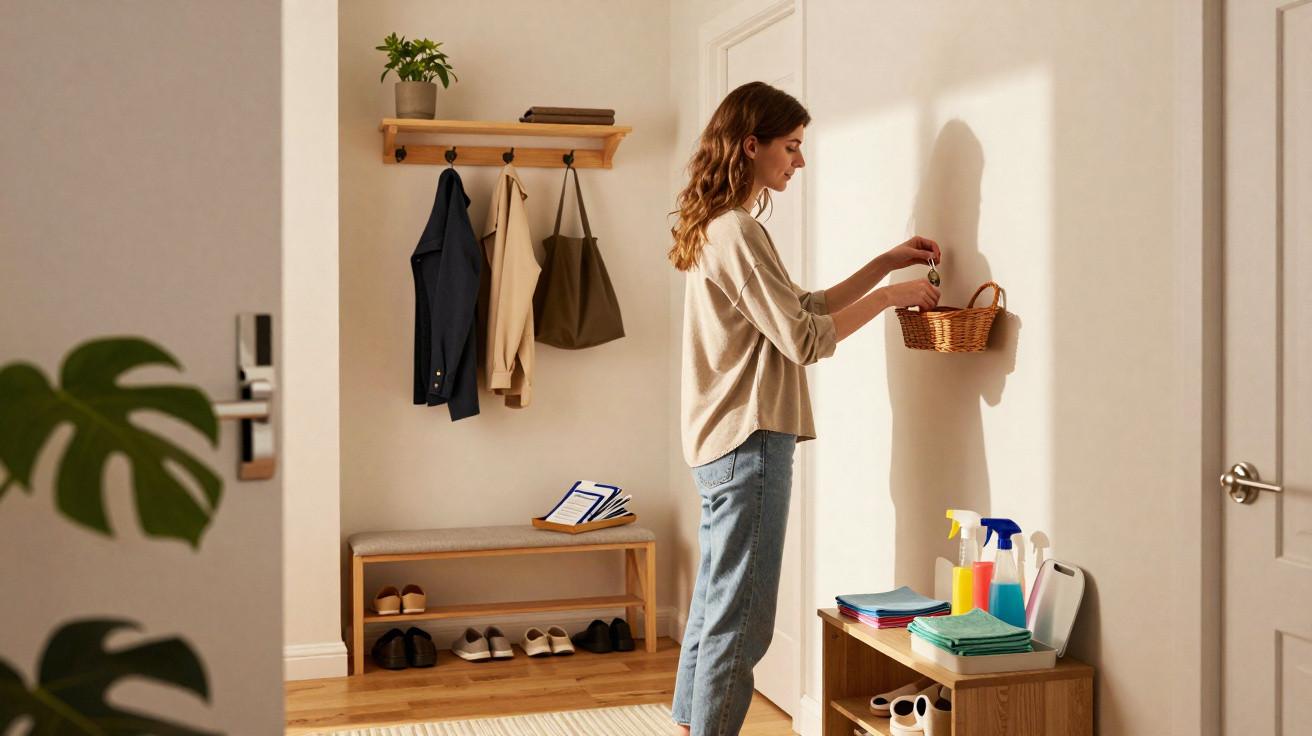
- A designated place for keys, post and wallets
- A box or basket for “everything that still needs putting away”
- No more than two or three decorative items on each surface
“Five minutes of tidying every day often has more impact than a major cleaning session at the weekend.”
Kitchen and appliances: magnets for critical looks
Most guests will take at least a quick look into the kitchen. A slightly smeared fridge handle or encrusted hob rings can be enough to change the whole impression.
Particularly problematic are:
- Splashes inside the oven or microwave
- Dried-on marks around the hob
- A coffee machine with coffee residue or limescale marks
- Sticky handles on drawers and cupboards
Briefly wiping the surfaces with a damp cloth after cooking, and cleaning the handles once a week, keeps the work manageable while delivering a big effect.
Plants: decoration or warning sign?
Houseplants are meant to bring freshness and life. If they fail to do so, the effect is reversed. Dried leaves, dust-covered foliage or drooping shoots immediately suggest neglect.
A few minutes of care each week is often sufficient:
- Remove dead leaves.
- Dust leaves with a soft, slightly damp cloth.
- Adjust watering routines to the season.
If you find plant care permanently overwhelming, it is better to choose fewer but hardier varieties – or opt for high-quality artificial plants, which still need dusting regularly.
The inconspicuous detail that can change everything
In many homes, there is one element that repeatedly spoils the overall impression: perhaps it is the sticky light switch in the hallway, the dining table that is always piled high, or the bin that is emptied too infrequently. You often only notice it when someone points it out honestly, or when you deliberately walk through your own flat with the “eyes of a guest”.
One simple trick is to stand at the front door, walk slowly through every room and pay attention to whatever catches your eye first. Those are the points to tackle before anything else. Many people then discover that spending 10 to 15 minutes a day on the right areas makes their home feel noticeably cleaner and more welcoming – without hours of cleaning marathons.
Anyone who keeps the problem areas described under control benefits twice over: the flat looks cared for, and they feel more relaxed themselves. A clear, fresh room takes pressure out of everyday life – and suddenly inviting friends round becomes a little more enjoyable again.


Comments
No comments yet. Be the first to comment!
Leave a Comment