
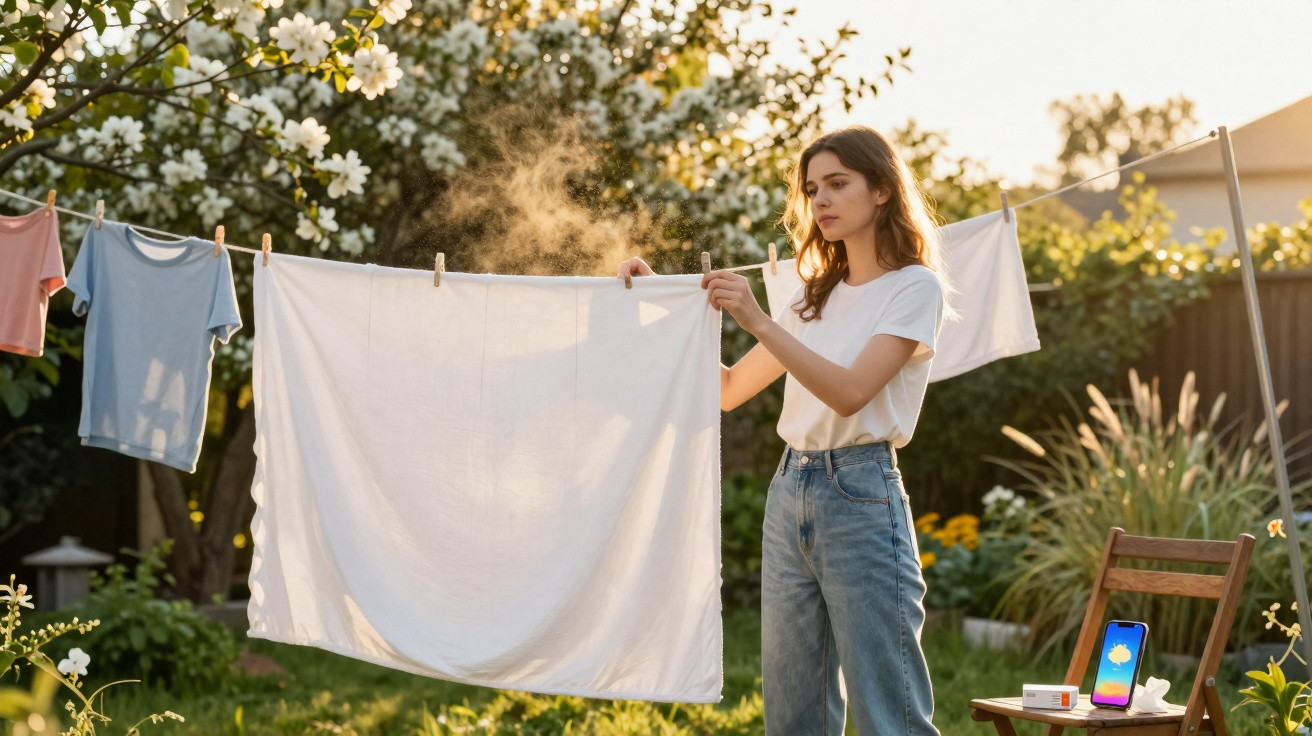
With the first warm days of the year, many people look forward to freshly aired bed linen and towels dried outdoors in the breeze. Yet in March, this apparently harmless everyday pleasure can become a real problem. Allergy specialists warn that drying laundry at certain times in spring can greatly increase its pollen load, setting the scene for nights of coughing, sneezing and stinging eyes.
Why the time you dry laundry suddenly matters
Allergists across Europe have been seeing pollen seasons begin earlier and become more intense for several years. By late winter, trees including yew, alder and cypress are already releasing pollen in earnest, followed later by birch. Millions of pollen grains travel through the air, settling not only in eyes and noses but also on towels, T-shirts and bed linen.
Data from meteorological services and pollen-alert services indicate that pollen concentrations generally peak from late morning until early afternoon. Put simply, anyone hanging washing outside between 10 am and 3 pm is providing allergenic particles with an ideal landing place.
Allergists now refer to a “red zone” between 10 am and 3 pm: during this period, sensitive laundry should not be dried outside in spring.
Around one in three people in Europe now reacts sensitively to pollen. Many do not immediately recognise this as an “allergy”, instead noticing persistent cold-like symptoms, itchy eyes or tiredness. If bed linen has also been left outside for hours while pollen levels are high, the exposure increases considerably.
How damp laundry becomes a pollen magnet
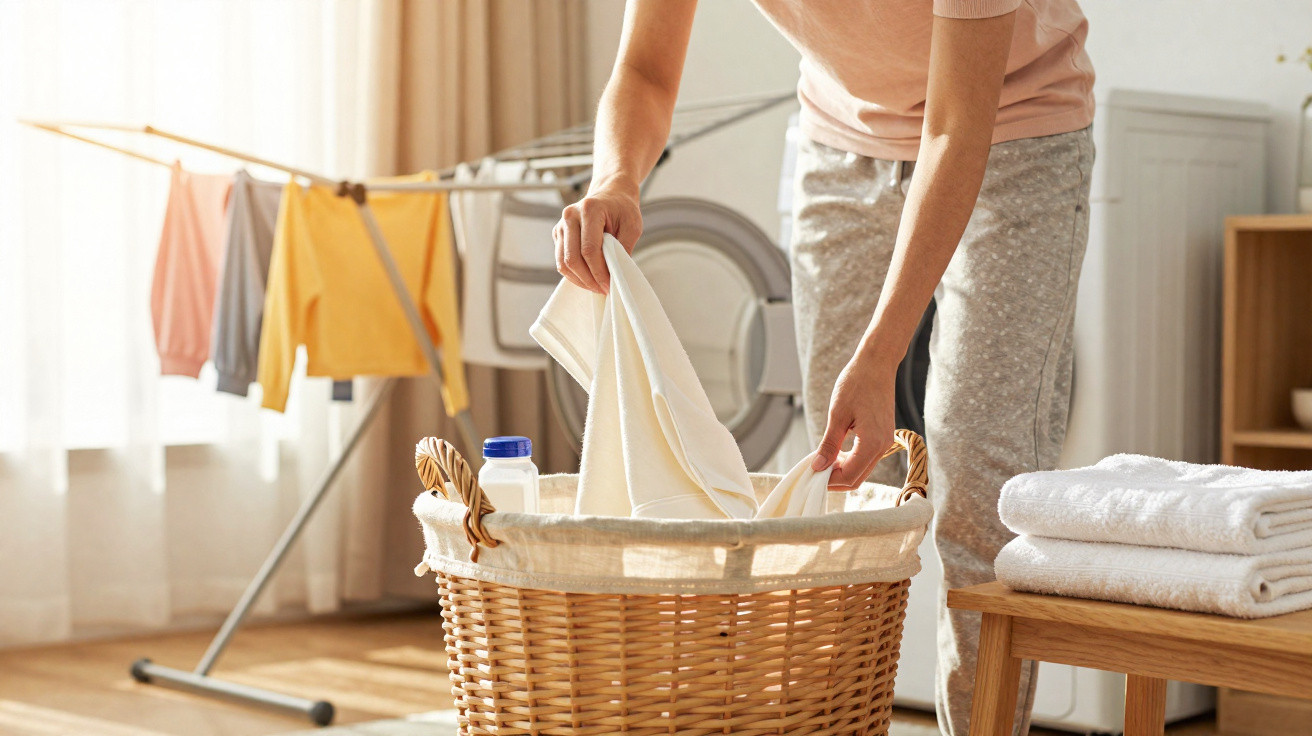
Textiles naturally capture airborne particles effectively. When freshly washed, slightly damp clothes are hung in a garden or on a balcony, several things happen:
- Fibre surfaces remain slightly tacky, trapping pollen much like a filter.
- Wind drives further particles into the fabric.
- The large surface area of duvet covers and sheets gives pollen plenty of places to settle.
Health specialists therefore describe laundry as a genuine carrier of allergens: items left outdoors during the day are brought into bedrooms and living rooms in the evening. The fabrics can then release those particles back into indoor air over many hours.
Bed linen is particularly problematic. Anyone struggling with hay fever or asthma may then spend the entire night in a genuine cloud of pollen, right beside their nose and mouth. This can worsen sneezing fits and may also trigger night-time asthma attacks and major sleep disruption.
The question is no longer whether pollen is present outdoors, but how much of it enters the bedroom with the laundry.
The sensitive period: when outdoor laundry drying is best avoided
Professional bodies and patient organisations now give clear guidance for March and early spring:
- 10 am to 3 pm: Pollen levels are high to very high, particularly in dry, sunny or windy conditions. This is the most critical period for people with allergies.
- Before 9 am: Exposure is markedly lower, especially in residential areas with little road traffic.
- Evening: Pollen counts fall in many areas, particularly after rain showers.
Some regional air-quality and pollen-information services go further, advising people not to dry washing outside at all during periods of heavy exposure. They also recommend limiting window opening from late morning until early evening.
Practical tips: adapting your laundry routine
There is no need to panic and take down every washing line. However, anyone prone to hay fever, asthma, atopic dermatitis or irritated eyes - or living with children or older people - should adjust their usual routine. A few simple changes can make a substantial difference:
1. Choose the right times
- Hang washing out as early in the morning as possible, ideally before 9 am.
- Use the evening when the local pollen forecast reports lower levels.
- Strictly avoid the 10 am to 3 pm period in spring, especially on sunny, dry days.
2. Check the weather and pollen forecast
- Dry, windy weather is the least favourable combination, so it is better to dry indoors.
- Pollen levels drop noticeably after a heavy rain shower. This period can be useful while the air remains damp.
- Pollen calendars and apps can help you monitor high-risk days.
3. Remove pollen from laundry before bringing it inside
- Shake fabrics vigorously outdoors before taking them into the home.
- Fold bed linen in the hallway or bathroom first, so that as little pollen as possible reaches the bedroom.
- On days with particularly high levels, dry smaller items such as socks and underwear indoors instead.
When drying laundry outside is not an option
For highly sensitive people, specialists now clearly advise avoiding outdoor drying during the peak season. This does not automatically mean musty laundry or a risk of mould if a few rules are followed:
- Dry clothes in a well-ventilated home, ideally in a separate room.
- Air rooms regularly by opening windows fully, but not during the day’s main pollen periods.
- If you wash frequently, a condenser dryer or heat-pump tumble dryer may be worthwhile, using a gentle cycle for delicate fabrics if needed.
- In smaller homes, a dehumidifier can help keep moisture under control.
People who react strongly should also take precautions after spending time outdoors: change clothes, wash their hair and have a quick shower to reduce the amount of pollen reaching the pillow.
Common allergy symptoms: when to take a closer look
Many people underestimate these symptoms, putting them down to a “spring cold”. It is worth looking more carefully, especially in homes where lots of bed linen is dried outdoors. Common signs include:
- Repeated bouts of sneezing, especially in bed in the morning and evening
- A runny or blocked nose without feeling clearly unwell
- Itchy, red, watery eyes
- An urge to cough, wheezing or chest tightness
- Marked fatigue despite getting enough sleep
If these symptoms occur mainly during pollen season and become worse after nights spent in freshly outdoor-dried bed linen, those affected should seek medical advice and, as a practical step, alter their laundry routine.
What causes pollen allergy and asthma
At its core, a pollen allergy is an excessive immune-system response to proteins in pollen that are normally harmless. The body releases chemical messengers such as histamine, causing the mucous membranes to swell and producing typical irritation. If the airways are exposed continuously, allergic asthma can develop, in which the bronchial tubes narrow and react with spasms.
The greater someone’s exposure to the triggering pollen, the more firmly the allergy can become established over the years. Allergists therefore recommend not relying on medication alone, but avoiding as many allergens as possible in everyday life. During pollen season, this specifically includes keeping control of the washing line.
Laundry, location and daily life: how exposure adds up
Anyone living in a city flat directly beside a busy road may bring fine particulate matter and soot into their home alongside pollen. In rural areas, damp meadows and fields add mould spores to tree and grass pollen. If a family’s entire wash is then dried on the balcony at midday, the overall exposure inside the home accumulates.
A more mindful approach can reduce this total significantly: vacuum a little more often, use air filters in badly affected bedrooms, dry laundry at favourable times of day or move drying completely indoors for a while. Small changes to routines can prevent the first scent of spring from being paid for with piles of tissues and inflamed eyes.

Comments
No comments yet. Be the first to comment!
Leave a Comment