
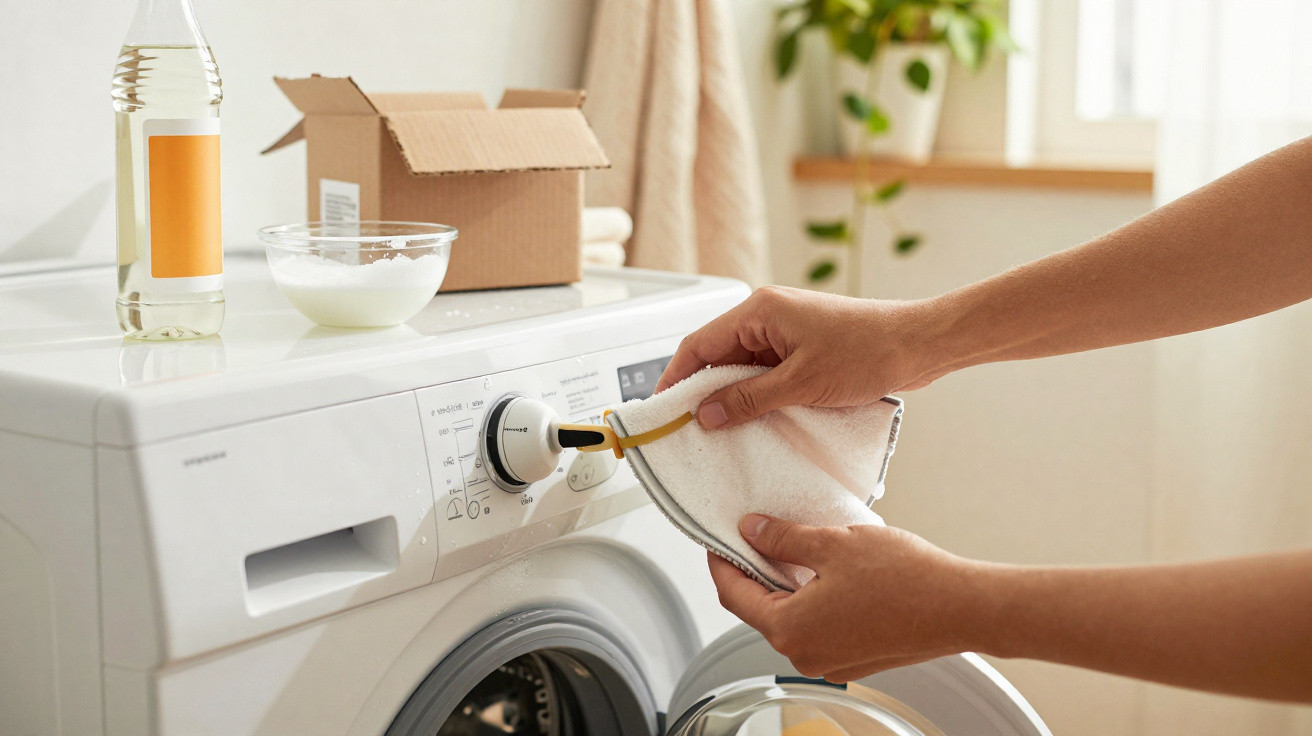
A washing machine can pass unpleasant smells on to clothing when soap, mould and moisture build up in the drum. Regular cleaning with vinegar and bicarbonate of soda helps remove residue, restore freshness and prevent lingering odours.
Why does the washing machine drum build up stains and odours?
With continued use, traces of detergent, fabric conditioner and dirt from clothes collect in the drum, door seals and dispenser. When moisture is regularly trapped, this material forms a sticky layer and encourages mould during subsequent washes.
Bad smells are especially likely if the door is closed immediately after a wash, as this prevents the inside from airing. Without proper drying, the machine retains moisture in the drum, creating the ideal conditions for odours to transfer to garments.
These are the areas that need the closest attention during cleaning:
- Drum: collects detergent, dirt and damp odours.
- Detergent: using too much leaves deposits that are difficult to remove.
- Door: traps moisture inside when it is kept closed.
- Door seals: conceal sludge, lint and detergent remnants.
- Foam: excess product may affect how the washing machine operates.
How does a washing machine work and why does it need maintenance?
A washing machine designed to clean clothes uses water as its main medium, moving garments around inside an inner container. This process is why the drum, dispenser and door seals must be allowed to dry thoroughly as part of household cleaning.
As the appliance runs wash, rinse and spin cycles, excessive amounts of products can circulate and remain in internal corners. Over time, built-up foam lowers efficiency, leaves a smell and may damage sensitive components if it is not removed.
How do you clean a washing machine with vinegar and bicarbonate of soda?
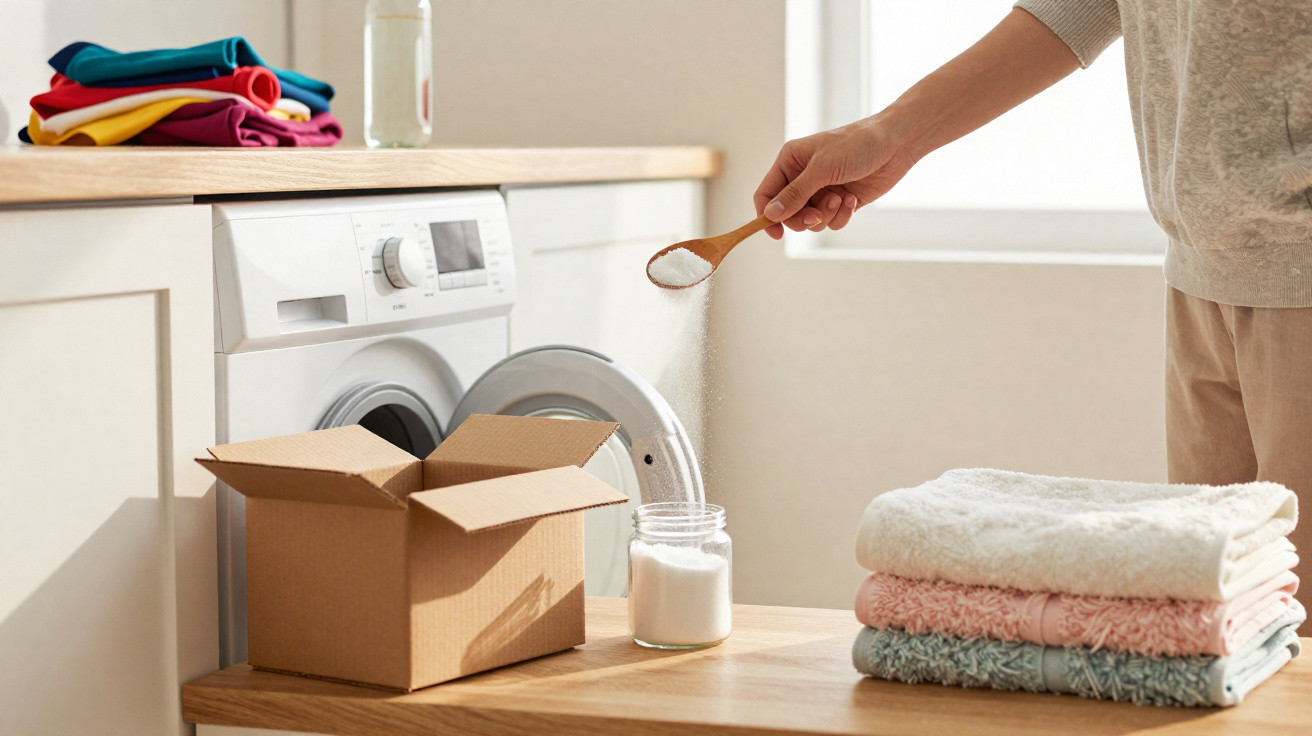
To clean the drum, run an empty hot-water cycle with white vinegar and bicarbonate of soda, with no clothes inside. Hot water helps loosen grease and old detergent, while the mixture reduces internal odour and residue.
An empty cycle to refresh the drum
The washing machine must contain no clothes. An empty cycle lets water circulate through the drum and helps dislodge accumulated deposits. Once the wash has finished, leaving the door open completes the drying process and prevents a stale smell.
After the cycle, wipe the drum with a clean cloth and leave the door open so it can dry fully. If the smell remains, repeat the cleaning on another day, without overusing vinegar, bicarbonate of soda or high temperatures.
Clean it in this order:
- remove any clothing left inside the washing machine;
- add white vinegar and bicarbonate of soda for the empty cycle;
- use hot water if your model allows it;
- wait until the cycle has finished completely;
- wipe the drum dry and leave the door open.
How should you clean door seals and the detergent compartment?
The door seals and detergent compartment often hold sludge, lint and product residue even if the drum appears clean. Remove the dispenser, wash it using a soft brush and dry every corner before putting it back.
On front-loading machines, carefully pull back the seal and wipe its folds with a damp cloth, without tugging hard. Then dry everything with a clean cloth, because any standing water can bring back a smell in the next cycle and promote fresh mould.
When cleaning by hand, focus on these areas:
- remove the detergent compartment where the model allows;
- wash the dispenser with a soft brush under running water;
- clean the door seals using a damp cloth;
- dry folds, corners and gaps before closing the door;
- never pour water directly over electrical parts.
What habits prevent bad smells in a washing machine?
Anyone who already knows a homemade mixture for removing residue and unpleasant smells from a washing machine should combine this method with straightforward maintenance. Above all, avoid an excess of detergent and trapped moisture after every regular wash.
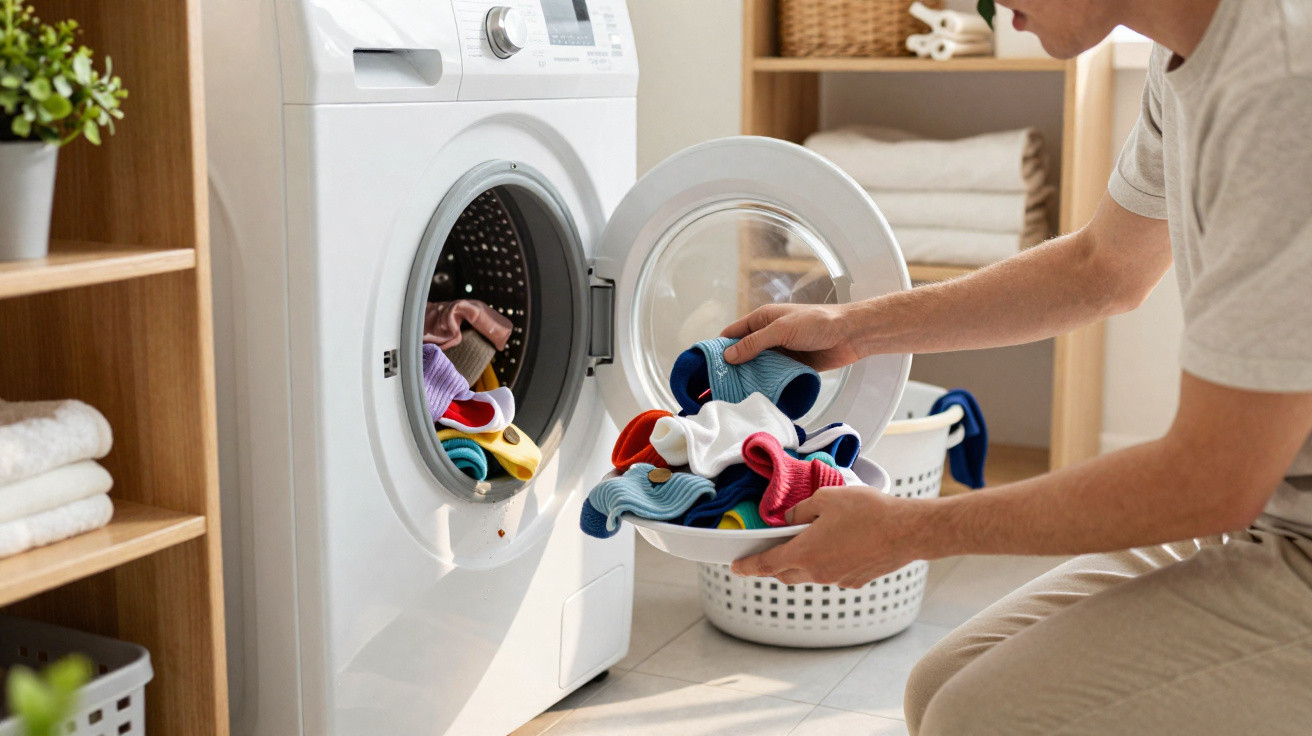
Take clothes out as soon as the cycle ends, leave the door slightly open and keep the dispenser ventilated. Reduce the amount of detergent as well, since too much foam can leave deposits, put strain on the appliance and affect cleaning, durability and operation.




Comments
No comments yet. Be the first to comment!
Leave a Comment