
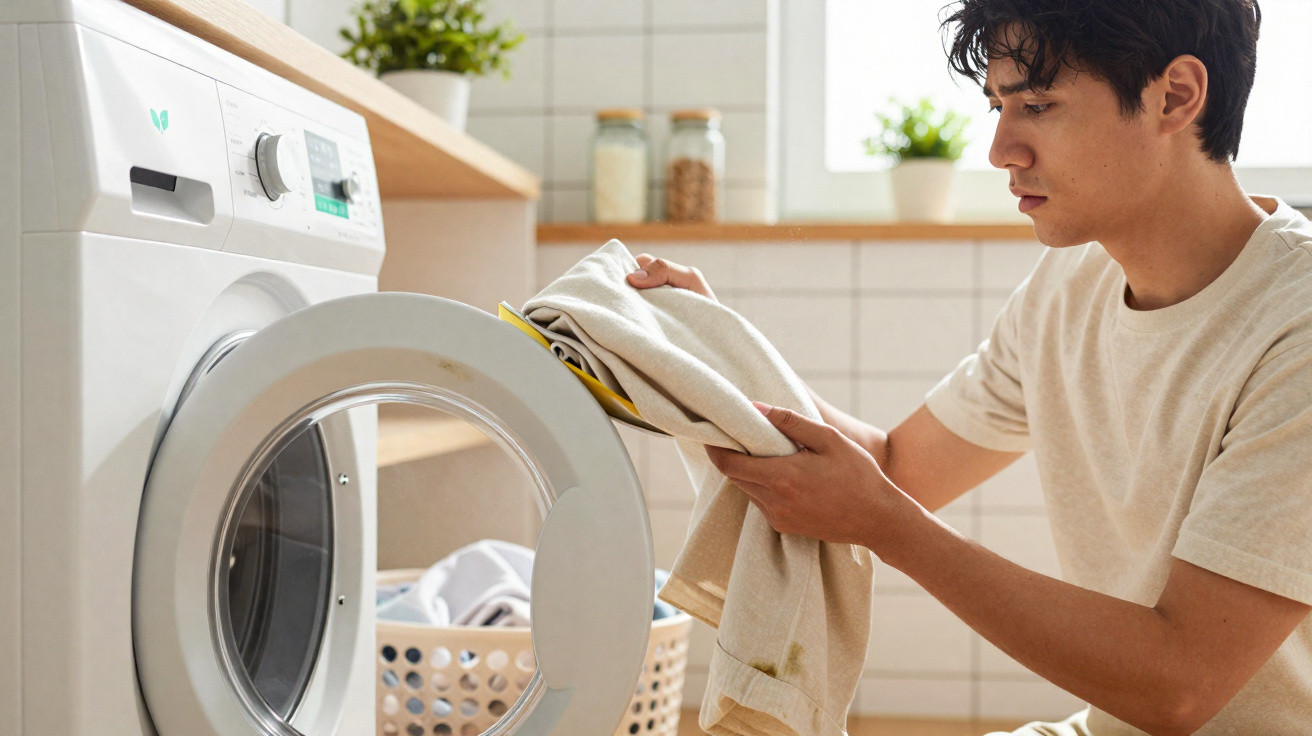
The idea sounds sensible: use little water, consume little electricity and wash all your bed linen gently in one go. Yet, according to technicians, this very “money-saving routine” is increasingly causing damaged washing machines, unpleasant smells and stained linen bedding, particularly delicate items. What seems like an environmentally friendly instinct can turn the drum into a tank of bacteria.
How Eco mode quietly clogs up your washing machine
Eco mode uses little water, relatively low temperatures of around 40 to 50 degrees and a much longer cycle. That may look favourable on your energy bill, but a different process is taking place inside the appliance.
Below 60 degrees, many bacteria, fungi and germs can easily survive a wash cycle. Rather than simply draining away with the waste water, they remain on the drum, in the hoses and, above all, around the door seal.
“Anyone who washes almost exclusively on cold settings or the Eco programme can turn their washing machine into a perfect breeding ground for biofilm within a few months.”
Technicians have been reporting the same pattern for some time: using the Eco programme too often is now among the most common causes of bad odours, blockages and costly repairs. A major reason is what is known as biofilm.
What the term “biofilm” means
Biofilm is a slimy layer made up of:
- bacteria
- moulds and yeasts
- detergent residues
- fibres and skin flakes from laundry
This combination sticks to every damp part of the appliance, including the rubber seal, hoses, detergent drawer and drum. Studies have measured up to one million bacteria per square centimetre on door seals. That demonstrates just how substantial these deposits can become.
Typical warning signs include:
- a rotten-egg or musty smell as soon as you open the door
- grey, streaky deposits on the seal or inside the detergent drawer
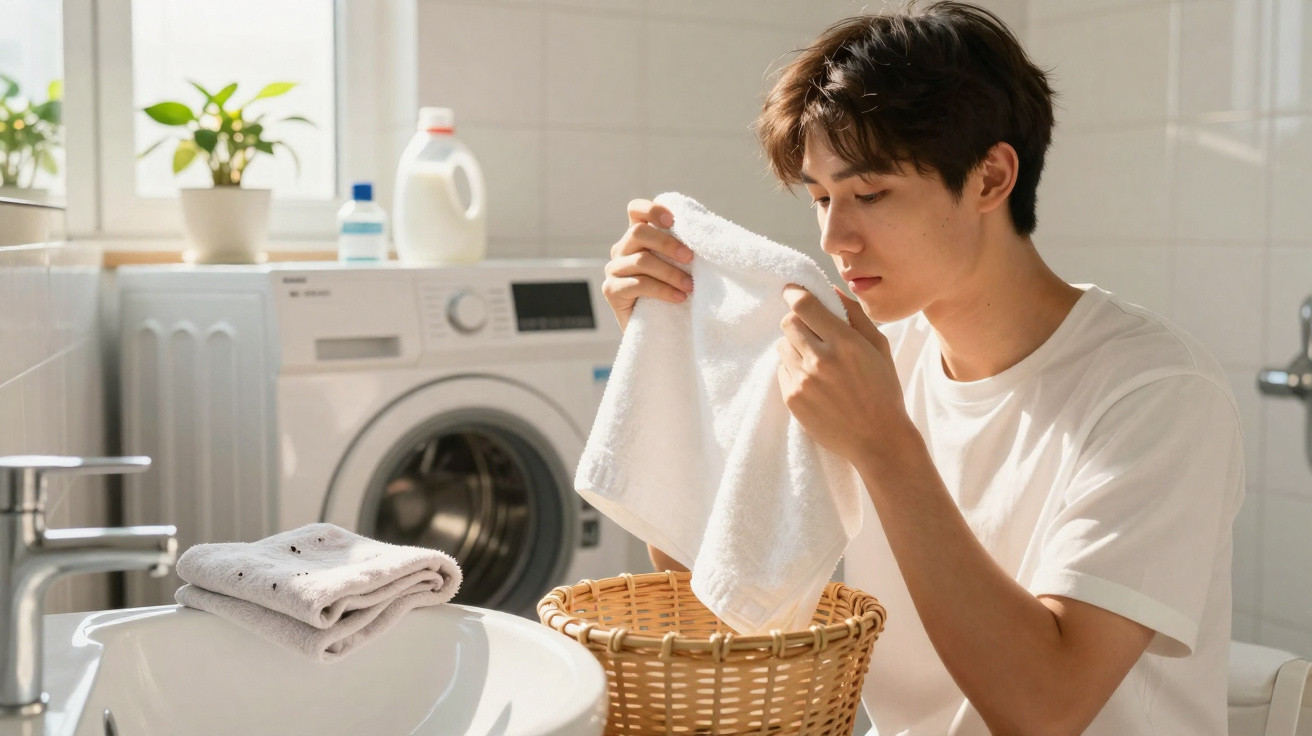
- dark marks suddenly appearing on pale laundry
Highly absorbent materials such as linen are especially likely to pick up detached fragments of this biofilm, leaving them visibly spoiled.
Why an overfilled drum and bed linen cause problems
The second mistake happens during loading. Many people cram duvet covers, fitted sheets and pillowcases into the drum to wash them “efficiently”. Once wet, this load weighs several times more. During spinning, the machine is effectively rotating several buckets of water.
The consequences for the appliance can be serious:
- The drum can easily become unbalanced.
- Bearings, springs and shock absorbers wear out far more quickly.
- The pump has to cope with large quantities of water and drawn-in fibres.
“A crammed bed-linen wash turns the Eco cycle into a small earthquake for the machine.”
There is another issue: when little water is already being used, the large fabric pieces stick together in a thick bundle. Water and detergent can barely reach the inside. While the outer layers become reasonably clean, dirt, sweat and detergent residue remain trapped in the middle.
This can result in:
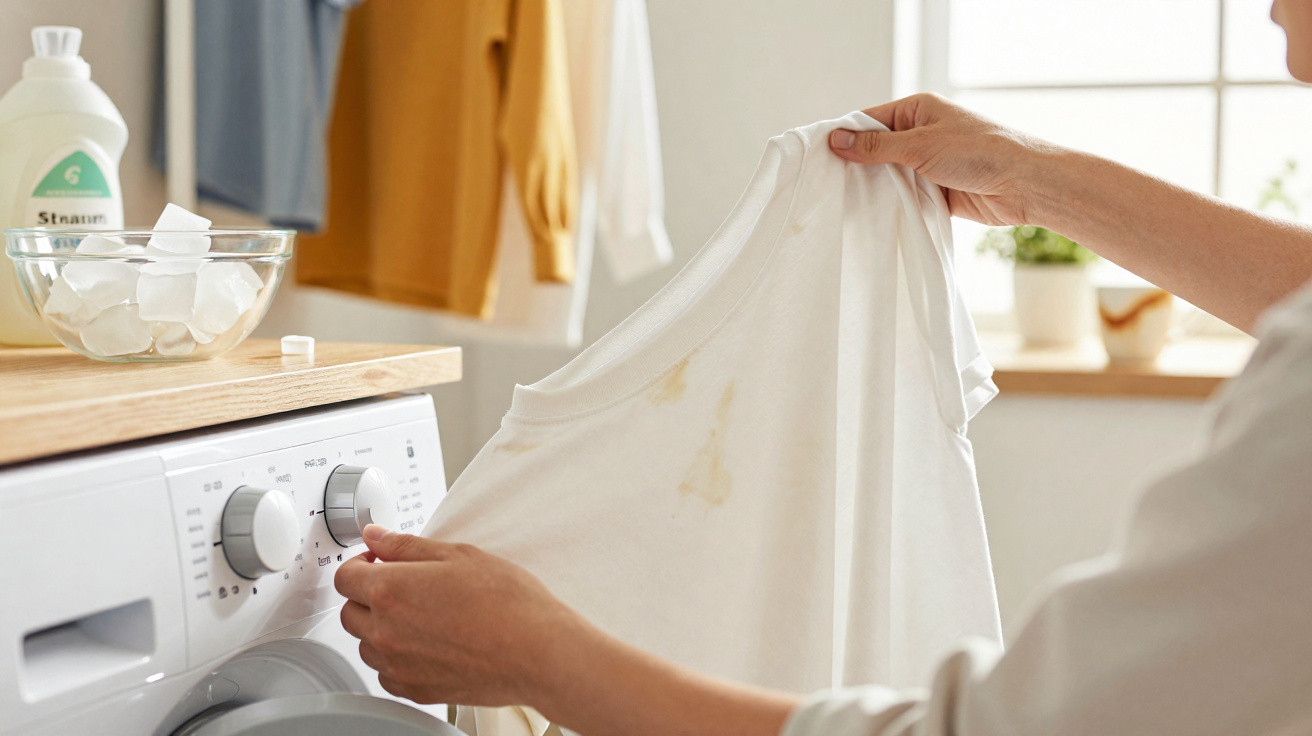
- white streaks from undissolved detergent
- grey shadows on otherwise light-coloured bed linen
- a musty smell despite freshly washed sheets
Why linen bedding suffers first
Linen is fashionable: it is natural, breathable and durable. Those very qualities also make it vulnerable to a washing machine with a grimy interior.
Linen fibres are highly absorbent. They take in moisture, but also discolouration and dirt particles, more readily than many other fabrics. Pale linen shades show every impurity immediately. A small dark piece of biofilm can be enough to permanently spoil a pillowcase.
In addition, people sleeping in linen often sweat less, but do not wash their bedding any less frequently. This means many wash cycles, usually on the Eco programme: ideal conditions for germs that then settle particularly readily on premium fabric.
Protecting your washing machine and bed linen with simple rules
The good news is that there is no need to stop using Eco mode altogether. The key is how you use it and the measures you add alongside it.
The 70–80% drum rule
Experts advise filling the appliance to roughly three quarters of its capacity. The hand test is an easy way to check:
- Put the laundry loosely into the drum rather than packing it down.
- Place your flat hand on top of the laundry.
- If there is still the width of one hand left above it, the load size is right.
It is also sensible to:
- unfold large items such as duvet covers and fitted sheets properly beforehand
- avoid adding thick terry towels to a bed-linen load
- plan two smaller wash cycles for particularly large duvets
Regular hot washes to tackle biofilm
Only a few targeted steps are needed to keep biofilm under control. One possible routine is:
- run one load of bed linen at 60 degrees after three Eco washes
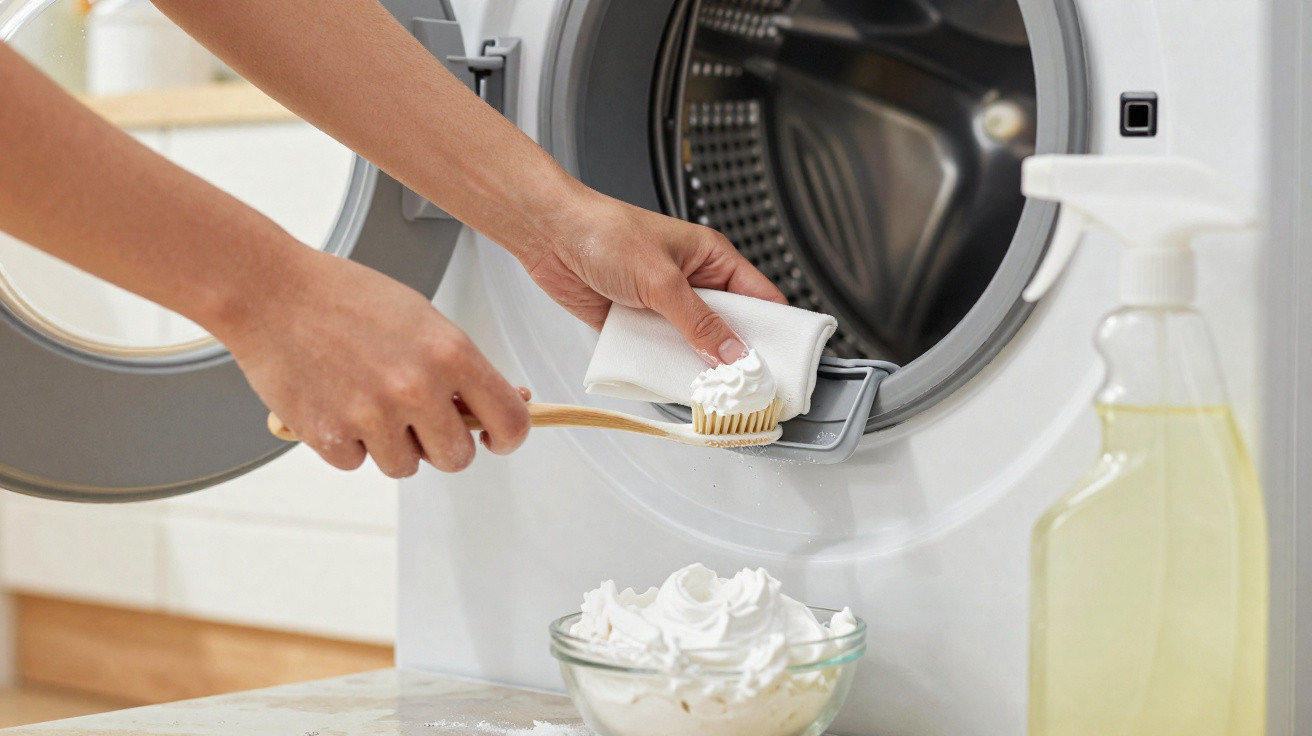
- start an empty 90-degree cycle once a month
- add around one litre of standard household vinegar directly to the drum
“High temperatures are the simplest weapon against bacteria and fungi in the machine – they otherwise barely feature in everyday Eco washing.”
The vinegar removes limescale and soap deposits, while the hot empty cycle thoroughly flushes the hoses and drum. If you enjoy fragrance, you can use a small amount of laundry perfume or pleasantly scented detergent in the next normal wash. Starting with heavily perfumed additives achieves little if germs are still sitting in the rubber seal.
After washing: do not let the machine “suffocate”
One major error remains widespread: closing the door immediately after a wash. Fungi thrive in the remaining moisture. Instead:
- leave the door ajar after every cycle rather than shutting it
- pull the detergent drawer out slightly
- briefly wipe the seal with a cloth if puddles form
This allows vulnerable areas to dry more quickly, making it much harder for biofilm to persist.
How often should bed linen generally go in the washing machine?
Washing bed linen too infrequently adds to the germ load. As a broad rule of thumb:
- wash every two weeks if you sweat normally
- wash weekly if you sweat heavily or pets sleep in the bed
- wash immediately after illnesses such as flu or stomach bugs
For linen, 60 degrees is generally suitable, although the care label provides certainty. Anyone who continues washing at 40 degrees should be all the more consistent about running regular hot empty cycles, so that the washing machine itself remains hygienic.
Common mistakes – and how to stop them immediately
These habits are particularly harmful to both your washing machine and bed linen:
- using only Eco or cold washes
- overfilling the drum, especially with large items
- closing the door and detergent drawer immediately after the cycle
- continually using too much detergent, which also encourages biofilm
Changing these habits saves money in the long term: fewer repairs, no need to replace an appliance because of bearing damage and, above all, no high-quality sheets that look stained and grey after only a few washes.
Finally, there is one aspect that many people underestimate: the lingering smell. A machine that smells faintly of drains or marshland will subtly spread that odour throughout the home while it is running. The source is almost never the drain; it is nearly always inside the washing machine. A single hot, empty cycle with vinegar can make a surprisingly large difference, provided it becomes a regular habit rather than something done only once the bed linen has already been ruined.



Comments
No comments yet. Be the first to comment!
Leave a Comment