
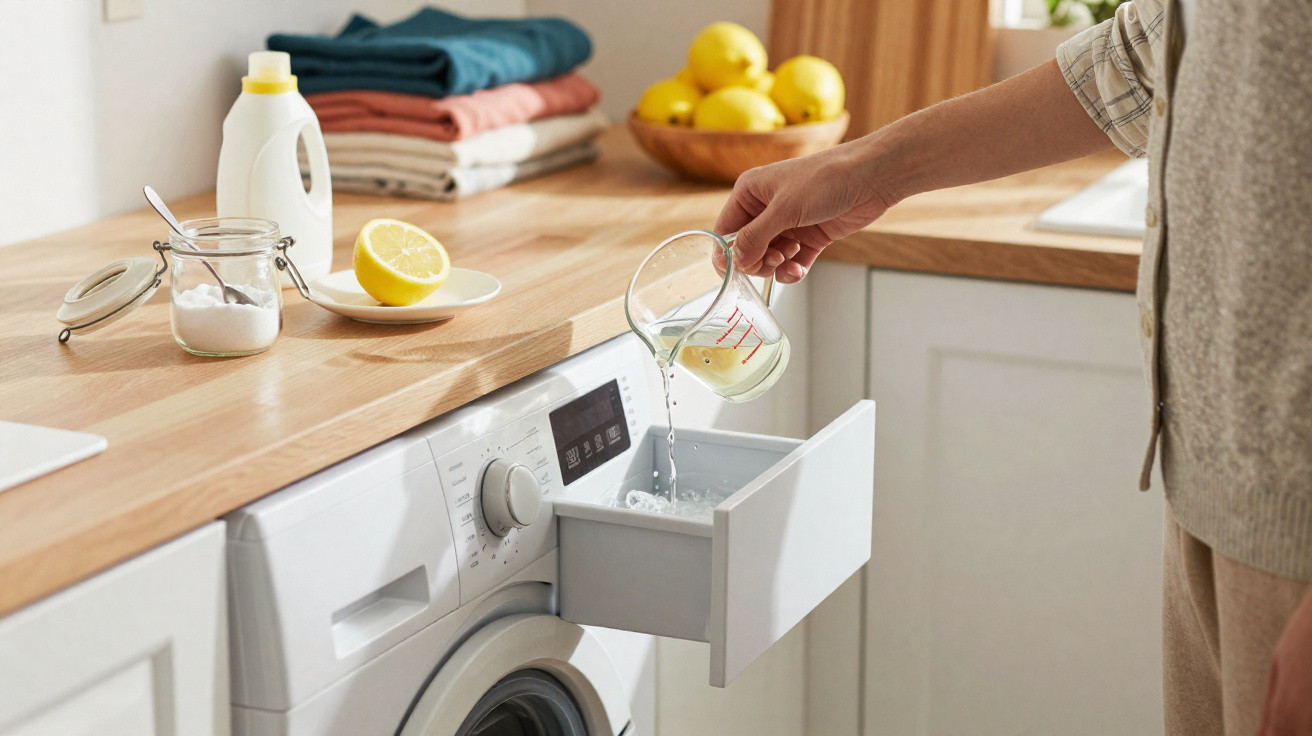
Many people want to use fewer chemicals at home, spend less and look after their clothes. Yet a full dose of detergent often still goes into the washing machine. In some situations, simple kitchen ingredients are enough to make shirts, trousers and towels seem fresh again. Knowing which household remedies work can substantially cut detergent use – and, on occasion, remove the need for it altogether.
Why laundry can be cleaned without conventional detergent
Detergent lifts dirt, captures grease and neutralises odours. Certain natural substances can perform similar jobs, albeit less effectively. Many foods contain acids, fats or enzymes that can loosen grime or break down smells.
Lightly soiled everyday clothing often needs far less help from the washing machine than advertising would have us believe.
How dirty the laundry is makes all the difference. Kitchen-based solutions alone will generally not be sufficient for heavily oily workwear, very dirty children's clothes or hygiene-critical items such as tea towels and cleaning cloths. However, food-based tricks can work surprisingly well for lightly worn shirts, stain-free bed linen or sportswear.
Foods that genuinely help in the washing machine
Vinegar: an odour remover and descaler in one
Household vinegar or clear table vinegar is one of the best-known laundry staples. Its acid content dissolves limescale and may draw unpleasant odours out of fibres.
- Neutralises stale smells, including those from sportswear or prolonged storage
- Has a mild descaling effect on the machine and its pipes
- Can be used instead of fabric conditioner
How to use it: pour a small glass (around 50–100 ml) into the fabric-conditioner compartment, then run the usual wash cycle. For lightly soiled laundry, this is often enough to restore freshness, even without conventional detergent in the drum.
Important: use only colourless vinegar or vinegar essence; heavily coloured varieties such as balsamic vinegar are unsuitable. Avoid using vinegar in the machine for delicate fabrics, including wool and silk, and choose a specialist detergent instead.
Baking powder and bicarbonate of soda: help for greyed whites
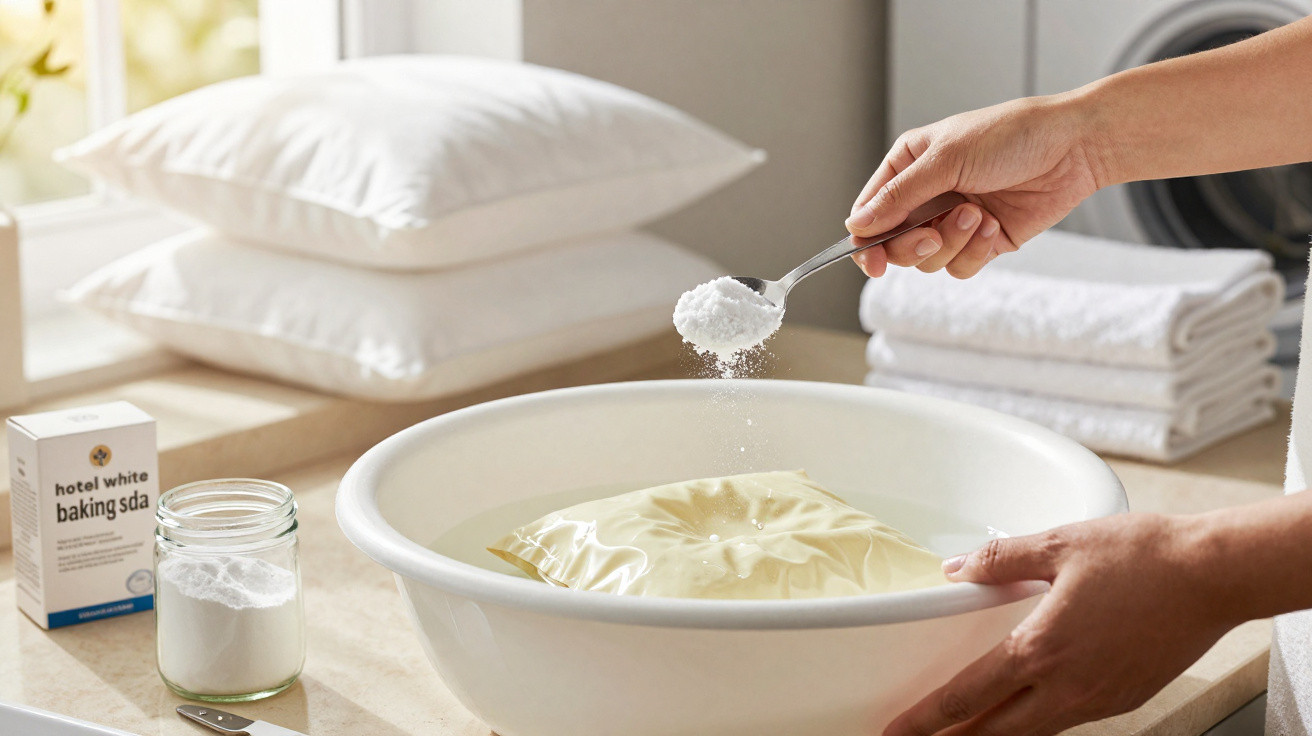
Baking powder and pure bicarbonate of soda are mildly alkaline, so they can brighten laundry that has become grey. They are particularly suited to white or very pale fabrics.
Typical uses include:
- Reducing greying on white T-shirts or towels
- Lessening the smell of perspiration in cotton
- Pre-treating stains as a paste mixed with a little water
Depending on the size of the drum, add one or two tablespoons of bicarbonate of soda or one sachet of baking powder straight into it. With moderately soiled laundry, warm water combined with bicarbonate of soda can be enough to make clothes wearable again.
Baking powder is not a substitute for a full detergent when stains are severe, but it can considerably reduce the amount of detergent needed.
Use only a small amount on coloured laundry, as the brightening effect may gradually fade colours.
Lemon: a fresh boost for pale laundry
Citric acid works in a similar way to vinegar but has a milder smell. It is especially useful for yellowed white fabrics or light discolouration, such as under the arms.
Tips for use:
- Put the juice of one or two lemons, or 1–2 tablespoons of citric-acid powder, into the detergent compartment
- Use it only on white, colourfast pale laundry
- If in doubt, test it first on an inconspicuous area
Lemon will not remove heavy grease stains, but it can noticeably improve the overall appearance of older pale textiles.
Cooking oil for chewing gum and adhesive residue
At first, oil may seem like the opposite of clean. In some cases, though, it creates exactly the conditions needed to release stubborn residue more easily.
For chewing gum or sticky residue, such as that left by labels, on clothing, a drop of neutral cooking oil can help. Rub it into the affected area, leave it for a few minutes, then gently rub or scrape off the residue. Afterwards, wash the garment as normal – this time using detergent again.
This approach is suitable only as a pre-treatment, not as a detergent replacement for an entire load.
Foods that belong in the laundry – and those best kept out
Not everything in the kitchen is suitable for the washing machine. Some widely shared online tricks are more likely to damage clothes or the appliance than help.
| Suitable for laundry | Better avoided |
|---|---|
| Vinegar / vinegar essence, heavily diluted | Olive oil or strongly coloured oils as a laundry additive |
| Bicarbonate of soda / baking powder | Red wine or beer as supposed “stain removers” |
| Lemon or citric acid, for pale laundry | Tomato juice, coffee and tea – these are more likely to create fresh stains |
| Cooking oil applied locally for chewing gum | Highly spiced or strongly coloured sauces |
Many of these bizarre suggestions originate on social media and have never been properly tested. When in doubt, they cause more harm, whether through discolouration or stubborn new stains.
When kitchen ingredients are enough – and when conventional detergent is still needed
A few basic principles can make the choice easier:
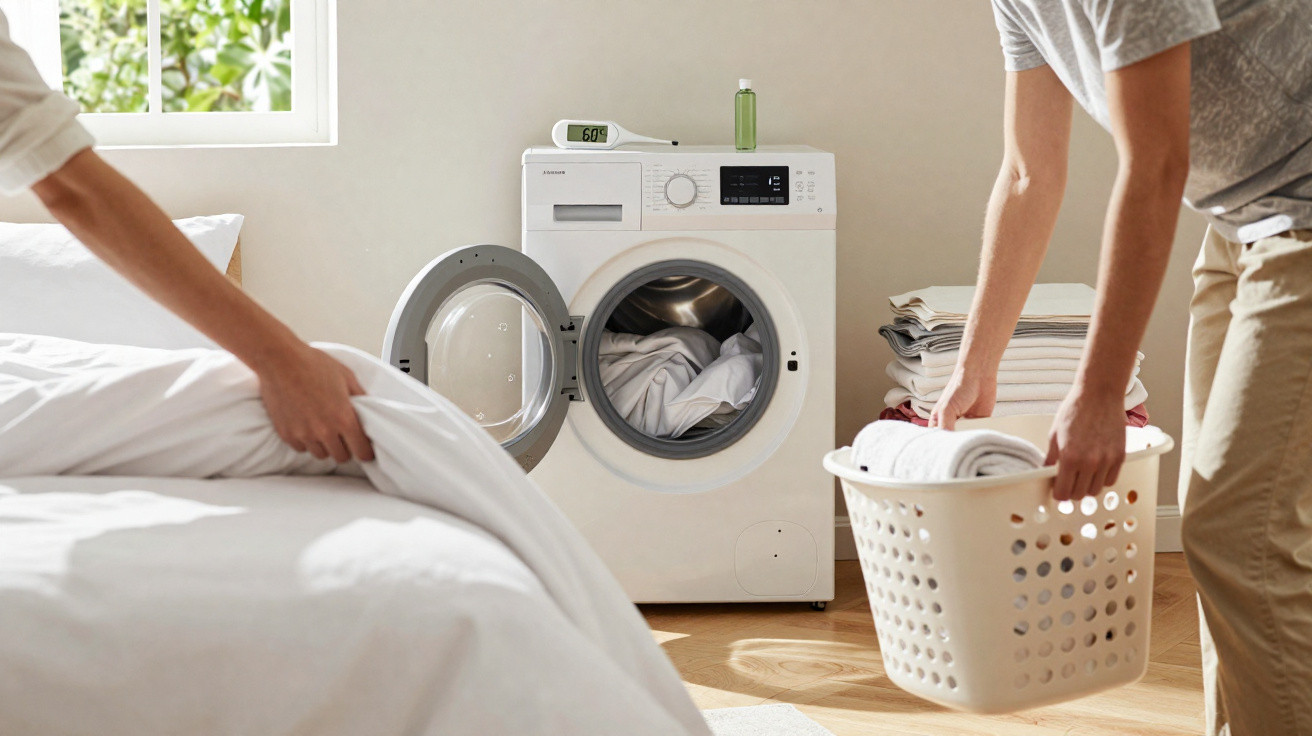
- Lightly soiled everyday laundry: T-shirts worn only briefly, unstained bed linen and towels without a stale smell can often be made pleasantly fresh again with a mix of hot water, vinegar and a little bicarbonate of soda.
- Heavily soiled laundry: Grass stains, engine oil, blood and dried-on sauces require targeted stain removers or full detergent.
- Hygiene cases: For hygiene reasons, wash underwear, socks, tea towels and textiles used by ill people normally with detergent, sometimes at higher temperatures.
Foods in the washing machine are an addition and a replacement for light-duty cases – not an all-purpose solution for every load.
Protecting colour and fibres while using less detergent
Looking after textiles is an important consideration when washing without detergent or with only a small amount. Frequent high-temperature washing with lots of chemicals can lead to faded colours and brittle fibres.
Practical everyday tips:
- Wash favourite jeans and vividly coloured shirts only when they are genuinely dirty
- Airing clothes on the balcony is often enough, rather than immediately starting the washing machine
- Choose shorter cycles and lower temperatures for coloured laundry
- Use vinegar in the fabric-conditioner compartment to reduce limescale deposits in the fibres
Sportswear in particular can often be refreshed with a gentle programme and a little vinegar or bicarbonate of soda. Perspiration odour disappears without placing unnecessary strain on elastic fibres.
Risks and limits of food-based laundry tricks
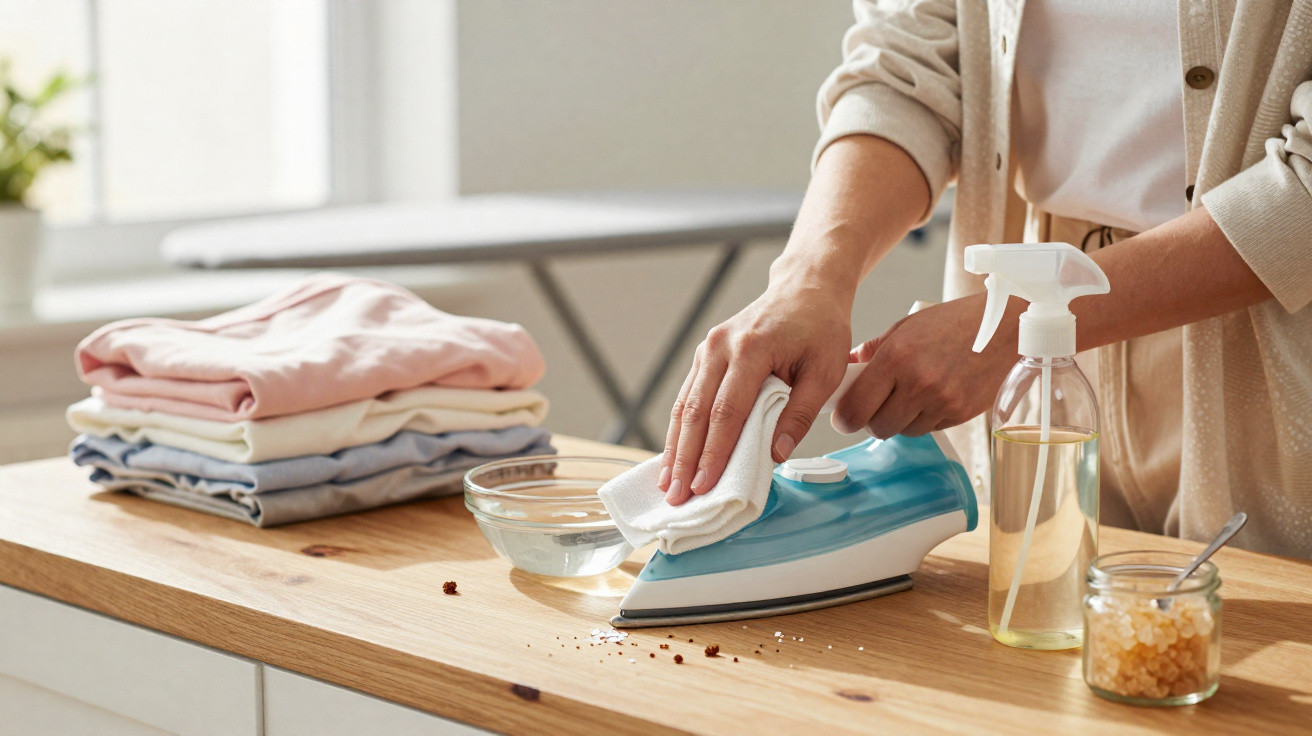
Useful as these kitchen aids can be, they have clear limitations. Too much vinegar or citric acid may attack the machine's rubber seals and metal components. Anyone using them regularly should dose sparingly and run the machine periodically on a normal cycle with detergent.
Over time, bicarbonate of soda and baking powder can bleach dyes in textiles. Use them only occasionally and preferably on white laundry. Delicate materials such as wool, silk and specialist performance fibres are considerably more sensitive, so an appropriate specialist detergent remains the safer option.
There is another issue: food ingredients do not replace the disinfecting effect of dedicated hygiene detergents. In households with allergy sufferers, babies or immunocompromised people, or where infectious illnesses are present, tested products are recommended.
How to sensibly combine the tricks with ordinary detergent
Completely giving up detergent is likely to prove limiting in everyday life. A combination is often more practical: use less detergent while supplementing it with kitchen ingredients. This can substantially reduce both environmental impact and costs without compromising cleanliness.
- Halve the detergent dose according to how dirty the load is, rather than automatically following the pack recommendation
- For odour issues, add a little vinegar to the fabric-conditioner compartment instead of using heavily fragranced fabric conditioners
- Add bicarbonate of soda selectively to greyed laundry, rather than in every wash
- Use lemon specifically for yellowed white fabrics
By taking a gradual approach, it quickly becomes clear which textiles can be handled by kitchen ingredients alone and when the reliable bottle of detergent remains essential. A few straightforward foods can then become a considered system for clean, long-lasting clothes.


Comments
No comments yet. Be the first to comment!
Leave a Comment