
Many households valiantly spray away at smelly sofas, carpets or jackets and then wonder why the odour returns so quickly. The reason sits deep in the fibres - and the most effective weapon is often hiding in plain sight in the kitchen, not the cleaning cupboard.
Why fabric sprays only mask the stench
Fabric sprays mainly work on the surface. They coat the material with a layer of fragrance rather than dealing with the source. Moisture, bacteria and greasy residues remain lodged inside the fibres.
As soon as the alcohol and perfume evaporate, the original smell comes back - sometimes even stronger, because the added scent mixes with the old pong. A strongly scented sofa is not automatically any cleaner.
These are particularly affected, as they rarely go anywhere near a washing machine:
- Sofas and armchairs
- Carpets and runners
- Winter coats and jackets
- Trainers and sneakers
- Net curtains and curtains
They soak up smoke, cooking fumes, sweat and damp air - and then release them for a long time afterwards. If you only rely on a scented spray, you’re tackling the smell in the air, not what’s embedded in the fabric.
"If you really want to get rid of bad smells, you have to tackle moisture, bacteria and residues - not just the fragrance."
The unexpected helper: how the freezer stops smells
A freezer sounds like an odd suggestion at first, but it can work remarkably well against many odours. Low temperatures slow down the microorganisms responsible for that musty smell and can also affect certain odour-active substances trapped in fibres.
Used correctly, the freezer compartment can even help you get lingering moisture in textiles under control - a key driver of stale odours. Many items cope perfectly well with this quick cold treatment:
- Jeans and trousers without delicate coatings
- Knitted jumpers and cardigans
- Scarves, wraps and hats
- Textile sports and leisure shoes
- Lightweight jackets, blazers, wool coats (without delicate leather)
Take care with very sensitive materials, such as thin leather, specialised shoe adhesives, sequins, or glued-on decorative elements. In these cases, test first on an inconspicuous area.
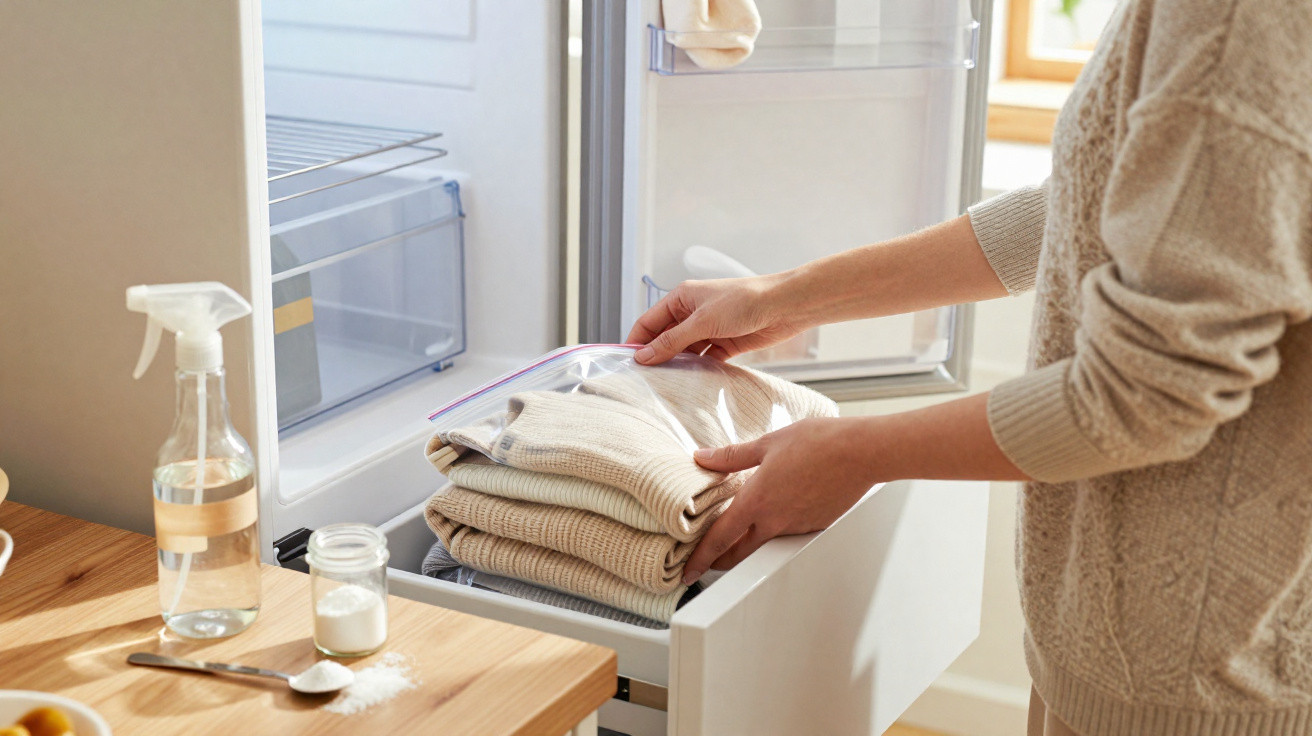
Step by step: how to treat odours in the freezer compartment
- Prepare the textile: Shake out the garment or fabric thoroughly to remove dust and crumbs. It needs to be dry.
- Pack it: Put the item into a clean, airtight bag - ideally a zip freezer bag or a vacuum bag with the air removed.
- Freeze: Place the bag in the freezer. For light smells, 45 minutes to 2 hours is often enough; for strong odours, leaving it in overnight can be worthwhile.
- Let it acclimatise: Once removed, keep the bag closed for a few minutes. This helps condensation form on the outside of the bag rather than directly on the fabric.
- Air it out: Open the bag, hang the item on a hanger, and allow it to dry fully and warm up in a well-ventilated place.
If you follow this routine, you’ll often notice a clear difference after the first go. For exceptionally stubborn smells - such as years of cigarette smoke or deeply absorbed frying fumes - a second round can make sense.
Odour-neutralising bicarbonate of soda spray - when cold isn’t an option
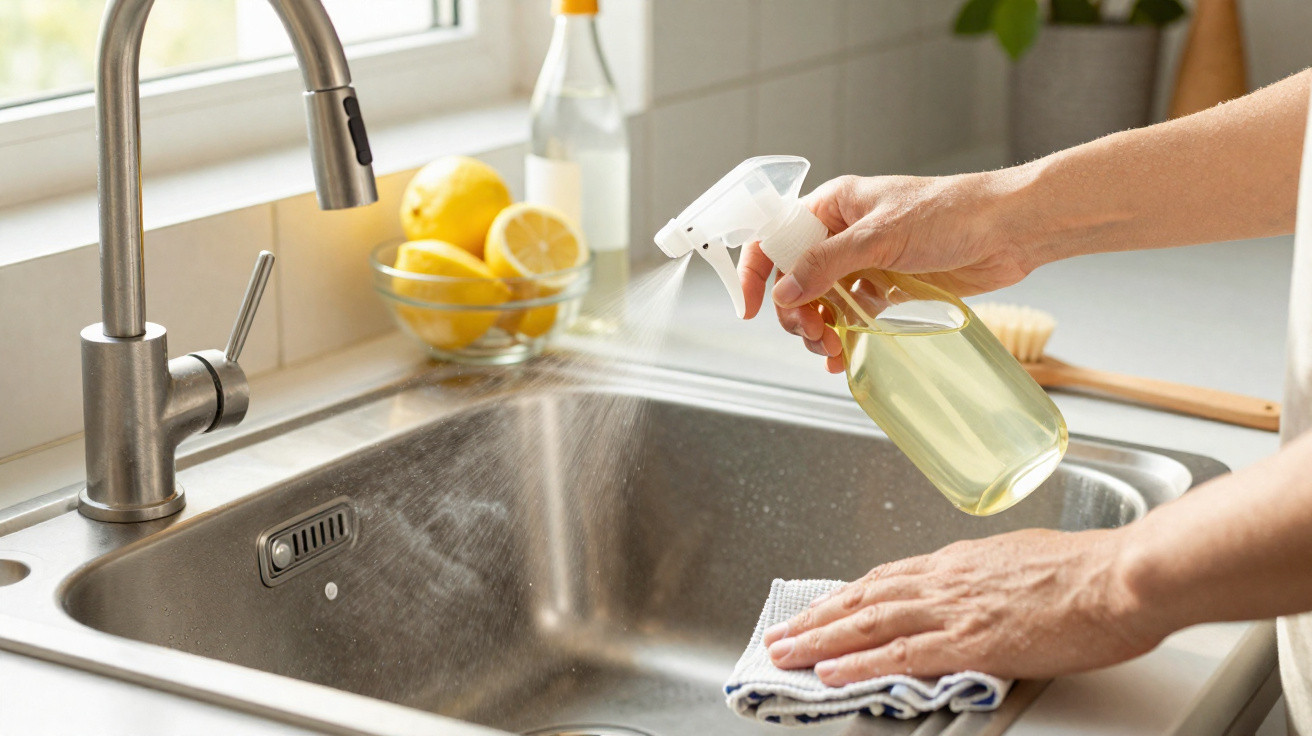
Some textiles are simply too bulky for the freezer, or the smell is limited to certain areas, such as underarms, collars, or the backrest of a sofa. In those cases, a straightforward spray made from water and bicarbonate of soda can help.
"The idea is: don’t cover it up with perfume - neutralise odour-active molecules on purpose."
How to mix the simple bicarbonate of soda mist
| Ingredient | Amount | Note |
|---|---|---|
| Water (preferably distilled) | 250 ml | helps prevent limescale marks and is gentler on sensitive fabrics |
| Bicarbonate of soda (household bicarb, not baking powder) | 1 teaspoon | dissolve completely, otherwise residue can remain |
| Spray bottle | 1 bottle | set to a fine mist, not a heavy jet |
Shake the water and bicarbonate of soda in the spray bottle until the powder has fully dissolved. Then, spray a small hidden patch of the fabric as a test and let it dry. This will show whether any discolouration occurs.
Common mistakes with the bicarbonate of soda method
- Using too much bicarbonate of soda: it can leave white marks and gritty residue.
- Using hard tap water: it may cause spots on dark fabrics.
- Soaking the material: it extends drying time and encourages mustiness to return.
The sweet spot is a very fine mist from 20–30 cm away. Lightly dampen the surface - don’t saturate it. After that, the fabric needs time and airflow.
Without thorough drying, the musty smell remains
Even the best freezer trick or bicarbonate of soda method won’t help much if the textile is left hanging in a damp environment afterwards. Odours thrive on stagnant, humid air.
Outside, sunshine and wind speed things up. UV light, warmth and moving air help kill bacteria and drive out remaining moisture. Indoors, it takes a bit more planning:
- Open windows wide regularly rather than leaving them on the latch
- Don’t hang textiles too close together
- If possible, run a dehumidifier
- Don’t completely block radiators
A typical routine for musty clothes from a damp wardrobe could look like this: first a stint in the freezer compartment, then let the item dry through in a warm, well-ventilated place; if needed, give it a light mist of bicarbonate of soda solution and air it again.
When to use the freezer compartment, when to spray - and when washing is the better choice
The freezer compartment and a bicarbonate of soda solution are strong helpers, but they can’t always replace a proper wash. If an item has fresh sweat, spilled drinks or visible dirt, it belongs in the washing machine or needs professional cleaning.
A practical rule of thumb:
- Smell without visible marks (smoke, fryer fumes, stale air): freezer compartment first, then air out. Add bicarbonate of soda mist if necessary.
- Localised pong (underarms, collars, sofa arm/back): target the area with bicarbonate of soda mist, then dry thoroughly.
- Damp textiles: dry completely before they go into a bag or wardrobe.
- Visible dirt or sweat marks: wash or have it cleaned; cold and bicarb are only an add-on here.
Why moisture is the hidden main culprit
A lot of smell problems at home can be traced back to one factor: excessively high humidity. It creates ideal conditions for bacteria to multiply in fabrics. Curtains, upholstery and clothing then act like sponges for stale odours.
If musty smells are a recurring issue, it’s worth tackling the room air as well as the textiles. Regular air changes (opening windows wide), heating properly, avoiding permanently damp piles of laundry in the living room, and using a dehumidifier when needed often achieve more than the next premium fabric spray.
What’s interesting is that many expensive specialist products rely on similar core effects - they alter pH levels, bind odour molecules, or deprive bacteria of the conditions they need. With a freezer compartment, bicarbonate of soda and good ventilation, you can use those same mechanisms with everyday household basics - without a chemical cocktail and without a constant cloud of fragrance in the living room.

Comments
No comments yet. Be the first to comment!
Leave a Comment