
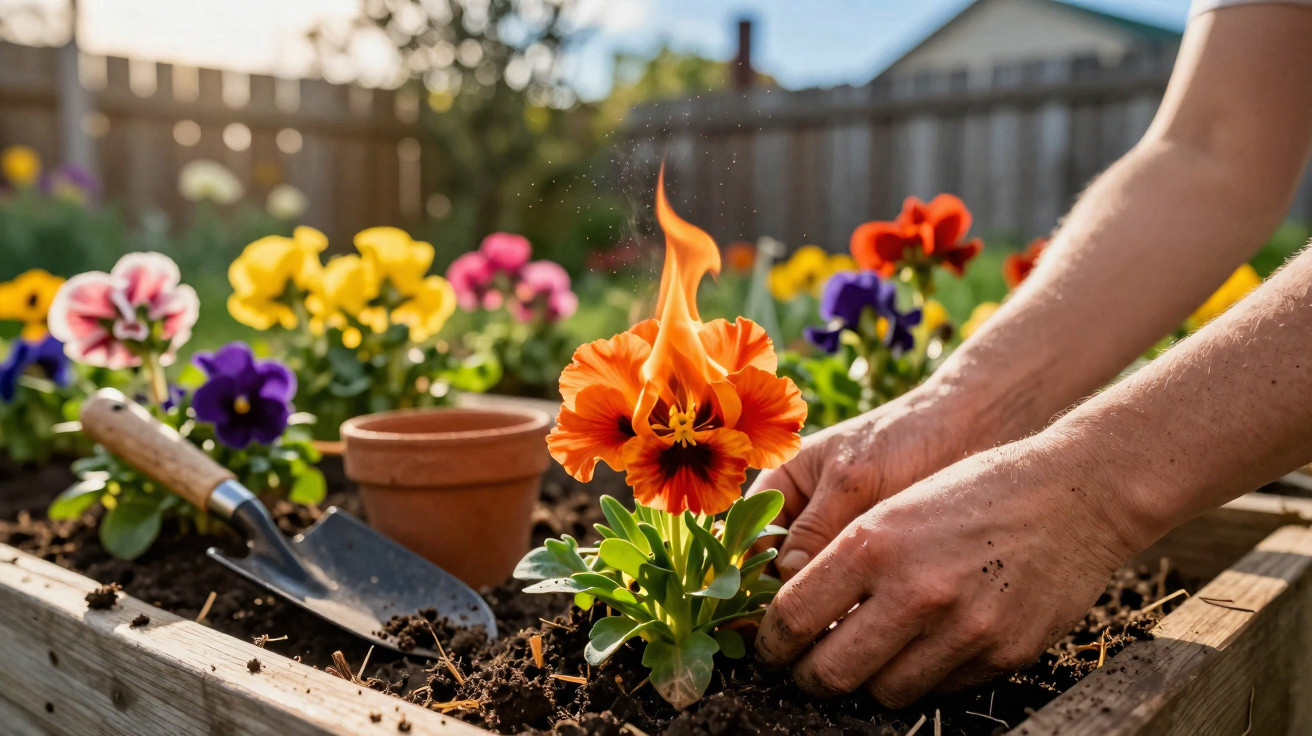
As the days lengthen and the beds begin to thaw, there’s a classic cottage-garden plant that’s perfectly timed for a comeback. Phlox - also known in German as the Flammenblume or “flame flower” - is finding its way back into contemporary borders, delivering vivid colour and rich fragrance that create real summer showstoppers.
Why the flame flower is making a comeback
At first glance, phlox can feel delightfully old-fashioned: dense flower heads, bold shades and a hint of traditional country-garden charm. Yet that blend is exactly why the perennial is fashionable again. It suits wildlife-friendly gardens, smart modern front plots, and even large containers on a balcony or terrace.
"From June well into autumn, phlox beds glow like little islands of flame in the garden - and with surprisingly little effort."
Its name comes from the Greek word for “flame”, which neatly captures the intensity of the colour range. Alongside pure white, you’ll find almost every tone from soft pink through to strong magenta, from salmon-orange to deep red, plus violet and blue-violet shades. Many varieties also offer two-tone blooms with a contrasting eye or delicately striped petals.
Just as appealing is the scent. In the evenings, many types become even more fragrant, drawing butterflies, bees and other pollinators in droves. If you’re planning an insect-friendly garden, this plant is an excellent choice.
March is the starting gun: why the timing works so well
Phlox performs best when it has time to settle and root properly before summer heat arrives. That’s why March is so useful: the soil is usually workable again, while nights are still cool.
"If you plant in March, you’re laying the groundwork for a sea of flowers from early summer right through to September - sometimes even to the first frosts."
At this point in the year, you can either plant perennial forms or sow annual types. Perennial phlox provides long-term structure in the border, while annuals quickly fill gaps and keep flowering with hardly a pause.
The most important phlox types at a glance
Tall perennial phlox for generous, full borders
The best-known option is garden phlox (botanical name Phlox paniculata). It produces sturdy stems roughly 50 cm to about 1.2 m tall, topped with large, fragrant clusters of flowers.
- Flowering period: around June to September
- Best placed towards the back of borders or in front of fences
- Perfect partners: asters, coneflower (Echinacea), black-eyed Susan (Rudbeckia), tall ornamental grasses
Popular varieties commonly found for sale include:
- ‘Tenor’: intense raspberry red - ideal if you want the border to really pop.
- ‘Orange Perfection’: an unusual vermillion-like tone that looks especially striking with blues and purples.
- ‘Blue Paradise’: blue-violet flowers that can shift slightly depending on the light.
- ‘Bright Eyes’: soft pink with a darker eye, creating a very romantic look.
- ‘Fuji Yama’: pure white and late-flowering, visually extending the season into autumn.
Spotted phlox for naturalistic perennial plantings
Spotted phlox (Phlox maculata) has a slimmer habit and looks more refined thanks to its candle-like flower spikes. It typically reaches about 80 cm to 1 m and usually starts a little earlier, flowering around July to August.
- ‘Alpha’: strong pink, sometimes with a slight violet cast, often lasting into September.
- ‘Natascha’: eye-catching white-and-fuchsia striped flowers - a brilliant focal point in the border.
Annual phlox for an extra-long flowering season
If you want maximum colour, annual phlox - most often sold as Phlox drummondii - is the go-to. It stays much shorter at around 20 to 40 cm, but flowers for an exceptionally long time, from late spring until the first frosts.
Its key strengths:
- Colours ranging from white through cream, salmon, pink and bright pink to deep red and blue
- Plenty of bi-colour forms with patterned or edged petals
- Ideal for window boxes, pots, bowls and the front edge of beds
Annual phlox is a particularly good way to add quick colour when perennial borders still look a little bare in spring.
Position, soil, care: how phlox succeeds almost anywhere
To get the best from the flame flower, you don’t need a luxury spot - but a few basics do matter.
- Light: full sun to partial shade; phlox flowers most heavily in sun, while light shade helps keep the soil cooler.
- Soil: fertile and free-draining, but not so dry in summer that it bakes out completely.
- Spacing: allow about 30 to 40 cm so air can move between plants.
- Water: water in thoroughly after planting, then keep it regularly watered during hot spells.
"Loose, compost-rich soil and enough space between plants are the best protection against disease."
Perennial phlox benefits from a thin mulch of compost or well-rotted leaf mould. This keeps the soil cooler in summer and helps moisture last longer.
Common mistakes - and how to avoid them
Phlox is generally tough, but it is sensitive to two things: waterlogged roots and leaves that stay wet for long periods. Both can encourage fungal problems such as powdery mildew.
- Don’t plant too closely, otherwise foliage dries poorly after rain.
- Water at the base where possible, rather than spraying over the leaves.
- Prevent water sitting around the roots by adding sand or grit to the planting hole.
- Deadhead regularly; it encourages further flowering.
If you’ve had perennial phlox in the border for a few years, divide the clumps in autumn or early spring. This rejuvenates the plant and reduces disease pressure.
Where phlox looks best in the garden
Phlox is far more adaptable than many people expect, working equally well in a traditional cottage plot and a modern terrace scheme.
- In mixed perennial borders: paired with asters, coneflowers, delphiniums and ornamental grasses, it creates a lively, natural feel.
- As a border edge or in front of fencing: taller types form a flowering “wall” that helps structure sightlines.
- In pots and window boxes: annual forms, in particular, offer months of colour in small spaces.
- For cutting: perennial phlox lasts surprisingly well in a vase and brings a strong garden mood indoors.
How beginners can use March most effectively
If you’re new to phlox, a simple March plan is to start with a few robust perennials in classic colours, then add a packet of annual varieties. That way, you’ll quickly discover which heights, shades and combinations you like best by the first summer.
A practical approach:
- Plant two to three tall perennial phlox at the back.
- Sow a strip of annual phlox in front.
- Fill gaps with grasses or lower-growing perennials.
If you’re gardening on a balcony or terrace instead, place three to five plants of an annual type into a larger pot and pair them with a low ornamental grass or trailing plants. With minimal planning, you can create a compact, summery mini flower garden.
Why phlox is more than just a colourful flower
Phlox brings together nostalgia and modern garden practicality. It supports insects, mixes well with many other plants, and supplies weeks of colour when other perennials have long since finished. It also holds up well in dry summers, as long as the soil is watered thoroughly and lightly mulched.
Picking up the spade in March doesn’t just set you up for a pretty border - it helps you build a stable, long-term garden framework. That combination of low effort, high impact and real biodiversity is what makes the flame flower one of the most interesting seasonal planting tips.






Comments
No comments yet. Be the first to comment!
Leave a Comment