
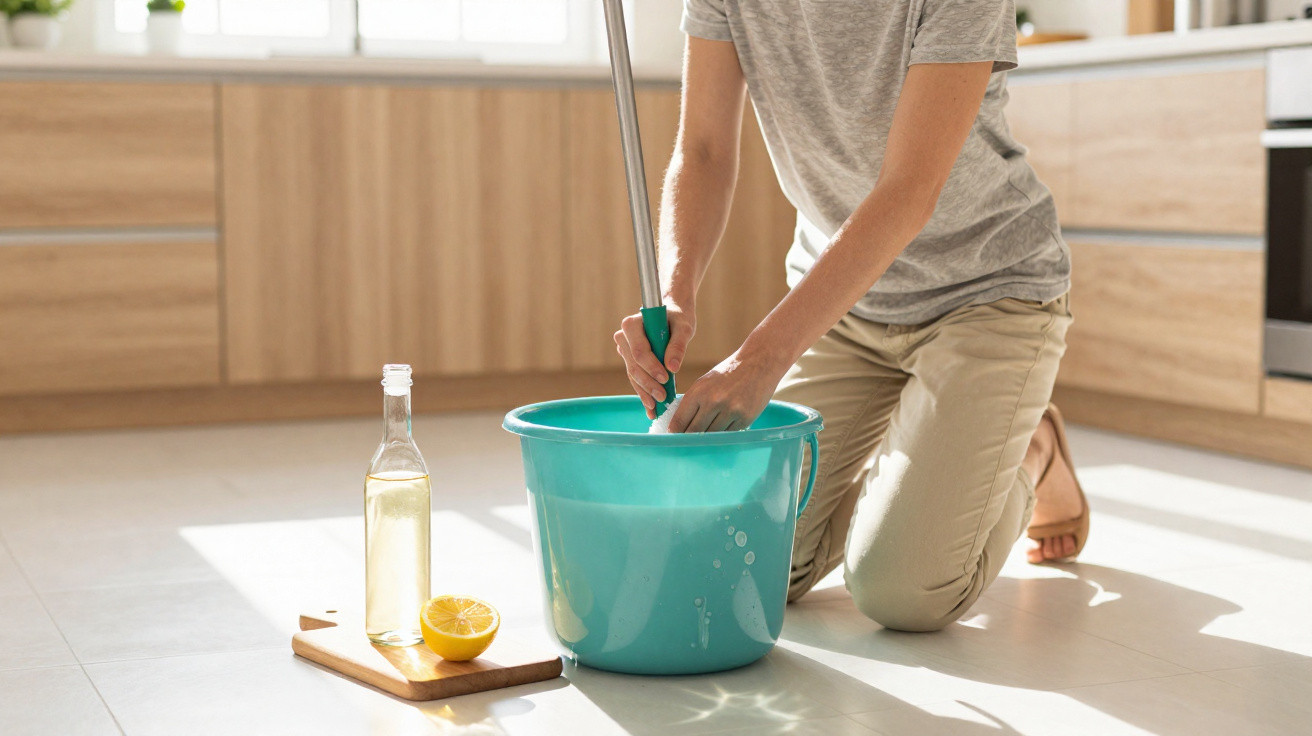
A cupboard staple can tackle grease and lingering smells, keeping your cleaning routine pleasingly straightforward.
You don’t need harsh fumes for a home to feel fresh. A gentle, everyday acid can dissolve dull residue, shift kitchen grime, and leave spaces smelling clean without that sickly, over-perfumed scent.
The ingredient hiding in plain sight
The unsung helper is lemon. Fresh lemon juice contains citric acid - a mild organic acid that softens limescale haze, loosens soap build-up, and cuts through cooking grease that can travel from the kitchen into other rooms. It also helps to neutralise stubborn odours. The fragrance comes across as bright and clean rather than chemical.
Why a mild acid beats more soap on floors
On hard finishes such as glazed tile, porcelain stoneware and vinyl, alkaline kitchen soil mixes with minerals left behind by tap water. Adding extra soap often makes matters worse by leaving a tacky film. A lightly acidic mix shifts the balance, helping to release that cloudy layer and lift greasy touch marks. Lemon is not a hospital-grade disinfectant, which is perfectly acceptable for everyday upkeep. It freshens, reduces odour, and helps you avoid residue.
Warm water + fresh lemon juice. A well-wrung microfiber mop. Steady passes, good airflow. That simple switch leaves floors clean and dry.
How to mix it right
There’s no need for specialist kit. With a bucket, warm water, a couple of lemons and a good microfibre mop, you’re set. Technique makes the difference, because floors tend to streak when the mop is too wet or when the bucket water becomes dirty quickly.
- Remove grit first. Vacuum or sweep well so you don’t create muddy swirls.
- Fill the bucket with 5 litres of warm water (about 1.3 gallons).
- Add the juice of 1 lemon for maintenance, or 2 for heavier use or a greasy kitchen.
- Optional: tip in a small splash of white vinegar to increase degreasing and odour control.
- Soak the mop, then wring it out firmly. You want it damp, not dripping.
- Mop in S-shapes or straight runs, rinsing and wringing frequently.
- Open a window. Moving air speeds drying and helps prevent water marks.
Suggested ratios
| Goal | Mix per 5 L (1.3 gal) | Notes |
|---|---|---|
| Routine clean | Juice of 1 lemon (3–4 tbsp) | Great weekly baseline for low-traffic rooms |
| Greasy kitchen | Juice of 2 lemons + 60–100 ml vinegar (1/4–1/2 cup) | Cut film left by cooking aerosols |
| Odor refresh | Juice of 1 lemon + 30 ml vinegar (2 tbsp) | Neutralizes pet and food odors |
| Grout pass | Routine mix + soft brush | Scrub joints in short sections; wipe as you go |
The low-fuss floor routine people actually stick to
Regularity keeps floors looking light and clean. A quick damp pass every day or every other day in busy areas prevents build-up, so weekend deeper cleans take only a few minutes. A quality microfibre head grabs fine dust and lifts scuffs without scratching. Wash the mop head after each use to stop it developing a smell.
Replace the bucket water as soon as it turns cloudy. Cleaning with dirty water just spreads grime back over the surface. If you’ve got stubborn heel marks or dried splashes, go over the area again with a bit more pressure, or rub the spot with a non-scratch sponge before another damp mop.
What surfaces say yes-and which say no
Lemon is best on non-porous or properly sealed floors. On calcium-based stone and some unsealed materials, it can underperform or cause damage. If you’re unsure, try a lightly diluted mix on an out-of-the-way patch first.
| Surface | Use lemon? | Guidance |
|---|---|---|
| Glazed ceramic tile | Yes | Excellent for haze and light limescale |
| Porcelain stoneware | Yes | Restores clean feel without slippery film |
| Vinyl/LVT | Yes | Use a damp, not wet, mop |
| Sealed cement tiles | Careful | Test first, use mild dilution |
| Unsealed cement tiles | No | Acid can etch or fade |
| Marble, limestone, travertine | No | Acid attacks calcium carbonate |
| Oiled or waxed wood | No | Moisture swells fibers; use wood-specific cleaner |
Do not mix lemon-based solutions with bleach or ammonia. Acids plus chlorine bleach can release dangerous fumes.
If you need sanitisation after contamination or illness, choose an approved disinfectant and follow its stated dwell time. Lemon is for everyday dirt and odour, not medical-grade disinfection.
Quick spot-treatment tricks
For older, set-in marks, a simple paste of baking soda and water can help. Leave it on briefly, wipe away, then mop with the lemon mix. Don’t put baking soda into the bucket - it neutralises the acid and weakens the cleaning effect.
A step-by-step that avoids streaks
- Move chairs and mats; dry-dust or vacuum thoroughly.
- Mix the lemon solution into warm water. Strain out pulp if you notice flecks.
- Dip the mop and wring it hard. Aim for a just-damp head.
- Clean in small sections, overlapping slightly. Rinse and wring often.
- Crack a window. Keep people off the area until it’s dry to prevent footprints.
Practical extras that save time and money
It’s an economical approach. Two medium lemons often cost less than a single-use floor pod. If you’re short on fresh fruit, bottled 100% lemon juice or food-grade citric acid powder can stand in. Begin with 1 teaspoon of citric acid per 5 litres (1.3 gallons) and tweak as needed.
Only mix what you’ll use. Acidic mixes stay effective for a few hours, but fresh juice oxidises and the fragrance fades. For a soft, natural scent, use the peel: rub a strip of zest around the inner rim of the bucket before filling, so the essential oils scent the water without leaving an oily layer on the floor.
If pet or cooking smells hang around, the lemon mix can make a difference immediately. Ventilate after mopping so moisture and odours are carried outside. In kitchens, giving the grout lines a monthly once-over with the same solution and a soft brush helps prevent darkening without aggressive scrubbing.
When lemon isn’t the right choice
- Marble, limestone, travertine, and similar stone surfaces
- Unsealed cement tiles or porous decorative concrete
- Oiled or waxed hardwood floors
- Any surface your installer labeled “no acids”
On those materials, use neutral pH products. Keep the labels from your flooring and sealers - they typically state safe ranges and what could void warranties.
Why people switch from bleach for everyday floors
Many people reach for bleach to chase that “clean” smell and a quick brightening effect. For routine floor care, that strength of chemistry is rarely necessary. Bleach doesn’t break down greasy film on its own; paired with too much detergent, it can even contribute to a slippery feel. Lemon-based cleaning helps lift the film, reduce odours, and dry quickly, which often makes rooms feel cleaner with less effort and less residue.
Helpful add-ons for a better clean
A washable microfibre flat mop covers large areas faster and keeps pressure consistent. Using a second bucket for rinse water keeps the cleaning solution clearer for longer. If you live with pets, placing a small mat at entrances and near food bowls reduces tracked-in grit, meaning fewer passes.
Want the reason it works? Citric acid chelates calcium and magnesium in water, which helps cut down spotting. It also lowers the pH enough to loosen fatty deposits without harming most sealed finishes. That mild acidity is the sweet spot: effective enough to clean, gentle enough to use regularly on suitable surfaces.
Comments
No comments yet. Be the first to comment!
Leave a Comment