

Sleeping comfortably starts with paying proper attention to how you wash your bed linen. Using the right products in the right way makes all the difference to preserving softness, so you can enjoy pleasant nights and fabrics that feel smooth-without any uncomfortable roughness against the skin.
Why is liquid detergent the best choice for pillowcases?
Pillowcases touch your face every night, so they naturally collect impurities and the skin’s oils. Choosing a gentle detergent helps you clean them thoroughly while keeping the delicate feel intact and avoiding damage to the more sensitive threads during washing.
Unlike traditional powder options, a liquid formula dissolves fully in water straight away. That reduces unnecessary friction between items, keeps the fabric protected, and helps the fresh, pleasant feeling last longer.
Which homemade mix can replace conventional fabric conditioner?
An affordable alternative made from simple ingredients can soften your items without harming the fibres of the… Read more
How does the correct dosage protect the fabric fibres?
It’s common to assume that using more detergent will clean better, but too much can actually compromise the final result. The correct amount removes dirt effectively without overloading the weave, helping the material stay flexible and smooth.
When you stick to the recommended dose, the detergent works precisely to lift away unwanted particles. This balanced approach maintains the integrity of the fibres, helps prevent premature wear, and leaves a far more comfortable feel for rest.
Below is a video from the YouTube channel billerbeck – Schlafkultur seit 1921 that goes into more detail on how to care for bed linen:
What is the ideal wash cycle for bed linen?
Choosing the right programme on your washing machine is essential if you want your sleeping items to last much longer. Gentle settings limit harsh agitation, protecting the seams and helping the fabric keep its original structure after each wash.
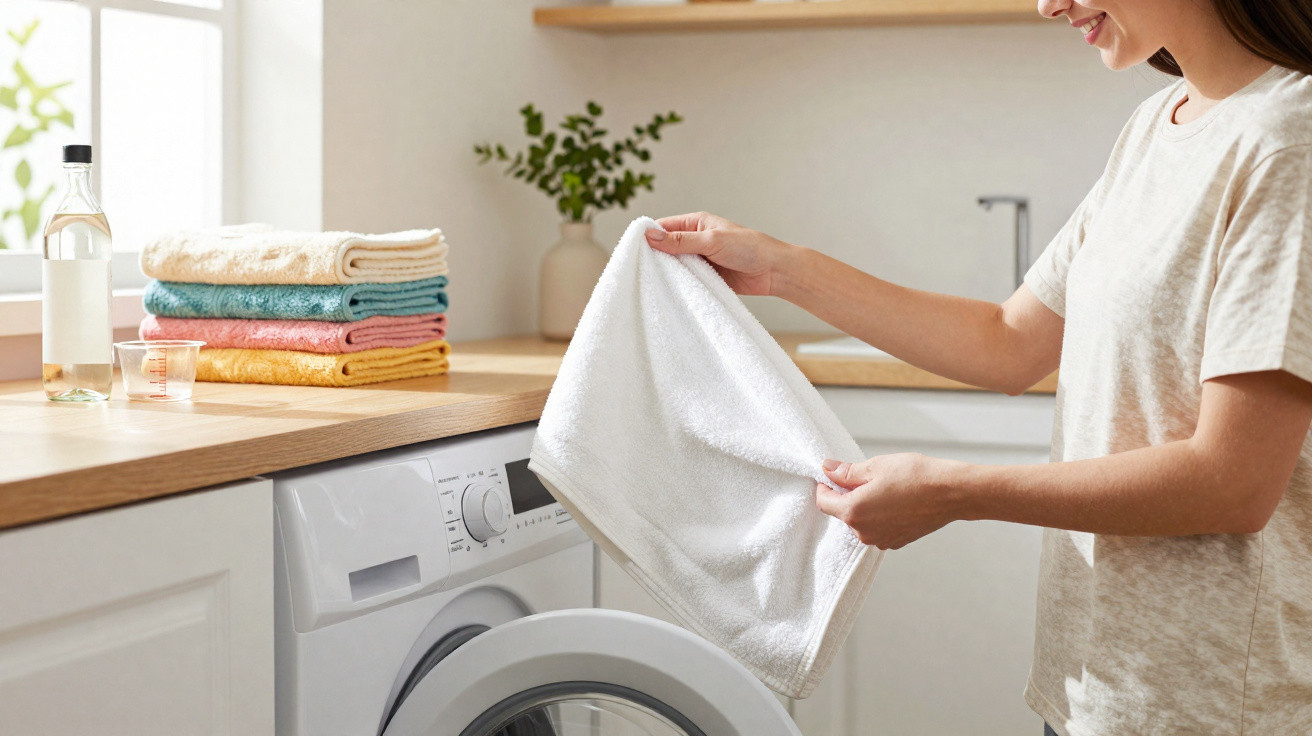
Water temperature also directly affects how well the threads hold up during cleaning. Washing in cold or warm water helps remove impurities without shrinking the item, while preserving the natural shine and natural softness of cotton.
Essential Care Kit
Machine settings - Follow these steps during programme selection to protect the fabric:
- 1
Select a gentle or delicates cycle; - 2
Keep the water temperature on cold or warm settings; - 3
Avoid spinning at excessively high speeds.
How can you prevent residue build-up on items?
Invisible build-up from detergent that hasn’t fully dissolved can gradually stiffen textile fibres. This common issue reduces softness and may irritate the skin, which is why a thorough rinse is vital to remove any leftover chemicals.
Using mild liquid formulas greatly reduces the chance of unwanted deposits between threads. On top of that, setting an extra rinse helps ensure all residue is washed out, leaving your bed linen genuinely clean and ready for use.
Key steps to make sure all detergent residue is removed:
- Add an extra rinse at the end of the programme;
- Avoid using more detergent than the recommended amount;
- Do not overload the washing machine drum so water can circulate properly.
Which care habits help bed linen stay soft for longer?
Proper drying is another crucial step in keeping fibres supple after washing. Hanging items to dry in the shade or in well-ventilated areas protects the fabric from excessive heat, helping maintain that cosy feel for many months.
Storing pillowcases in airy spaces and away from damp helps prevent unpleasant smells from developing. This careful routine improves your sleep experience, delivering calmer nights with more peace of mind, while protecting the investment you’ve made in your bedding set.



Comments
No comments yet. Be the first to comment!
Leave a Comment