
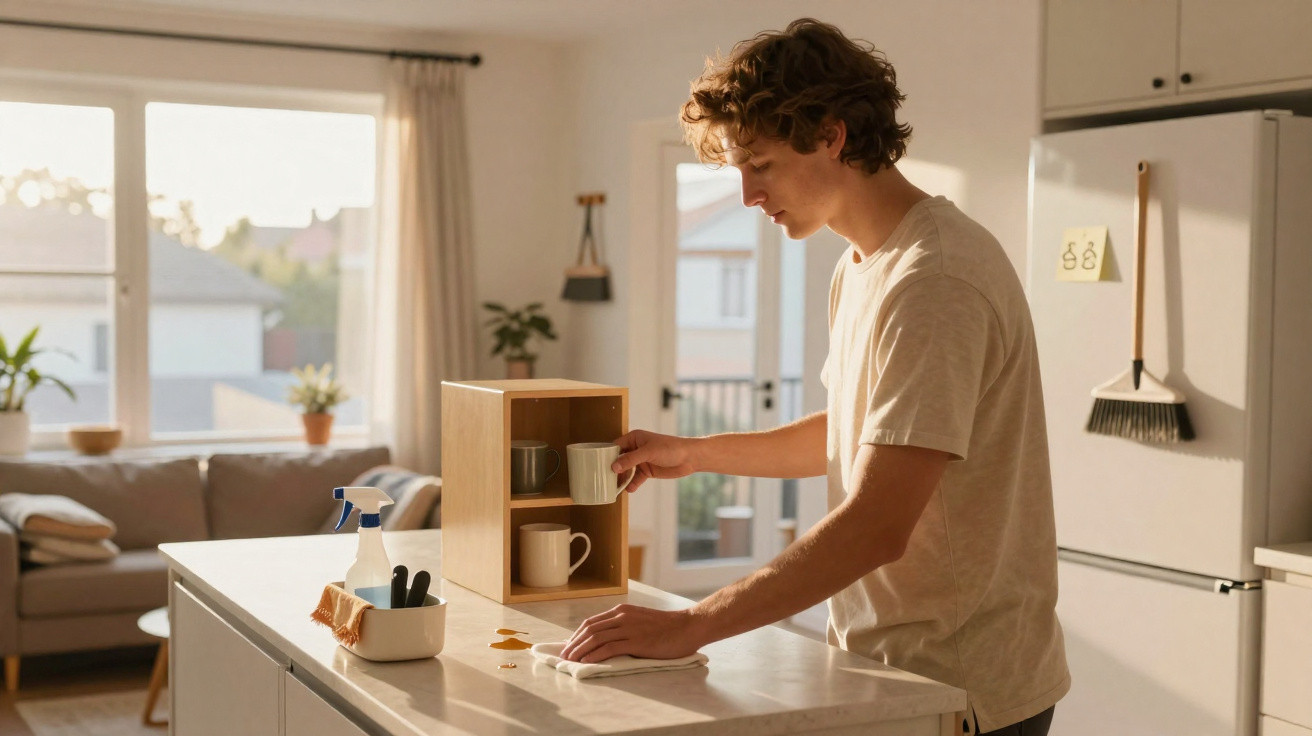
Saturday morning. Sunlight picks out every crumb on the kitchen worktop as though it is personally judging you. There is a sticky mark left by last night’s glass, a pan that has been “soaking” in the sink for three days, and strange grey dust that appears to multiply behind the television.
You set aside two hours to “deep clean” the flat, yet your body already feels heavier than the vacuum cleaner.
You reach for your phone, watch a couple of cleaning reels and get a burst of motivation… before somehow spending 40 minutes rearranging one drawer and deciding that is enough for the day.
The flat looks nearly identical.
There is clearly something wrong with this picture.
Why time spent cleaning doesn’t equal a clean life
We often boast that “I spent all Sunday cleaning” as if it were an achievement. These are the grand sessions when you turn up the music, shift furniture, empty cupboards and collapse onto the sofa in defeat at 6 p.m. The trouble is that the outcome seldom lasts.
Within two days, the sink is overflowing again, laundry is spilling out of the basket, and the bathroom mirror looks as if a shampoo bottle has sneezed all over it.
You put in the hours. Very little truly changed.
Imagine two neighbours living in the same block.
One spends four hours every weekend “catching up” with cleaning, complaining and sweating over heaps of belongings. The other appears never to tackle a major clean. She simply rinses her mug as soon as she finishes her coffee, wipes the sink after brushing her teeth and does a 15-minute reset in the evening.
If you visited their homes on an ordinary Wednesday, you would probably assume the second neighbour was one of those “naturally tidy” people. You might think: “She must have so much free time.” In reality, she devotes less time to cleaning than the weekend warrior next door.
Cleaning time is obvious and noisy.
You remember the hours spent gripping the mop, your aching back and the vacuum cleaner rumbling around the living room. Habits, by contrast, are quiet. They are the small, unexciting actions that are easy to ignore because nobody applauds them.
That is where the genuine difference is.
A home remains liveable not because of what happens once a month, but because of what you do automatically every day, during those 30-second moments when you could just walk away instead.
Micro-habits that secretly run a clean home
Let’s make this practical.
Rather than saying, “I’ll clean the kitchen tonight”, introduce small rules that do not rely on motivation. For instance, plates never sit on the worktop; they move directly from the table to the sink, then into the dishwasher or onto the drying rack. Or try this: whenever you leave a room, do not leave empty-handed - take one item back to where it belongs.
These are not major projects. They are simple settings for your autopilot.
Spend two extra minutes after dinner clearing the table and wiping the surface. Take 15 seconds to hang your coat up rather than dropping it on a chair. Use 30 seconds to shake the bath mat and wipe the sink. Individually, none of these actions seems important. Together, they quietly keep your home running.
We have all had that moment when we step over the same sock in the hallway three times while acting as though it cannot possibly belong to us.
That small choice shapes the condition of your home. It is not the imaginary “big cleaning day” you intend to have… one day. Realistically, nobody manages every single task every day. Some evenings you are exhausted, some mornings you are running late, and sometimes the pizza box really does remain on the coffee table.
Perfection is not the aim. The aim is to make it less common for small messes to get a free pass. Pick up the sock once and the hallway immediately looks different. Rinse your mug straight away and the sink will not become a science experiment by Friday.
There is also a mental-load factor that we seldom discuss.
When you depend on lengthy cleaning sessions, you carry ongoing background guilt: “I need to clean this weekend, I need three hours, I’m so behind.” Your home turns into an intimidating project that is never quite finished.
Habits break that stress into small, manageable actions. You do not have to prepare yourself mentally to bin today’s receipts or put junk post in the recycling. You simply do it because that is what you do when you pass the worktop.
With time, this changes how you see yourself. You stop being “the person who occasionally conquers chaos” and become “the person whose place doesn’t spiral as much in the first place.”
How to build cleaning habits that actually stick
Begin almost embarrassingly small.
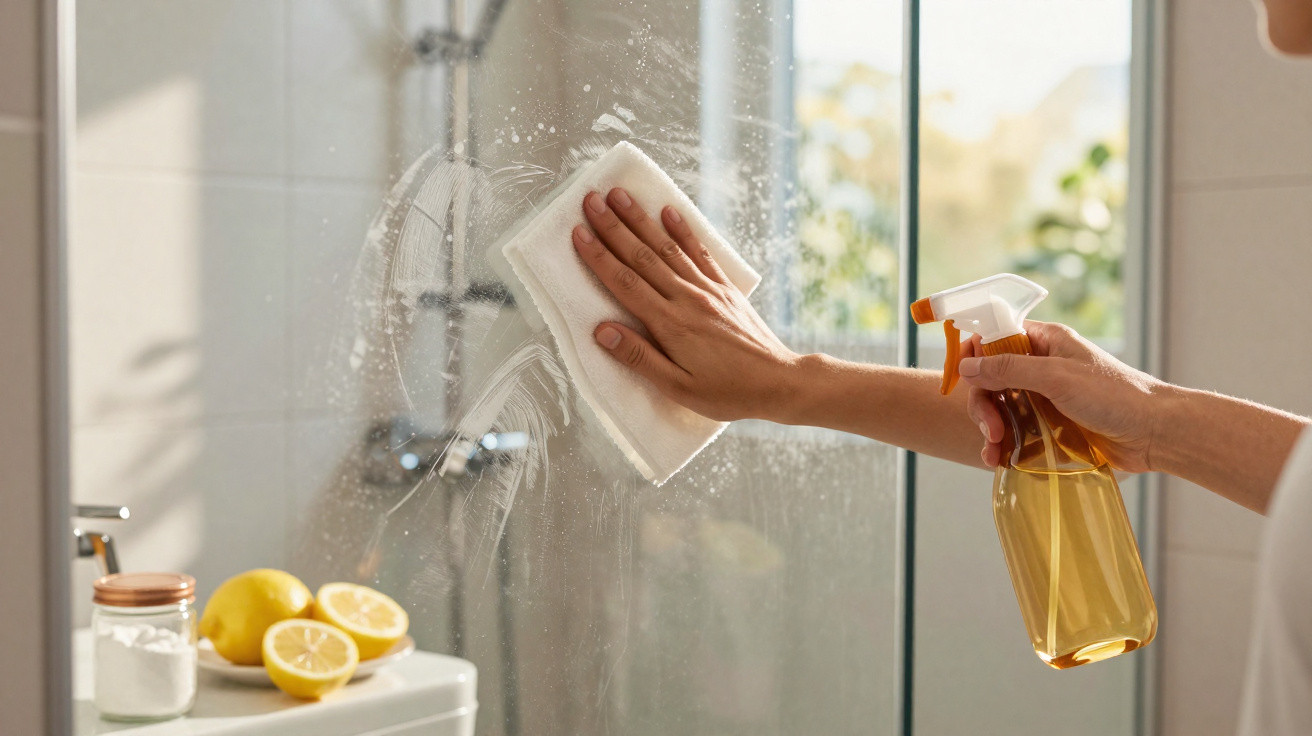
Instead of committing to a 30-minute reset every night, choose one anchor habit and link a micro-cleaning task to it. After your morning coffee, always wipe the kitchen worktop. After showering, always squeegee the glass or wipe the sink. Before bed, always clear only the living-room surfaces.
That is all: one place, one moment.
Once it becomes automatic, introduce a second habit, then a third. Add them to routines already in place - brushing your teeth, making tea or switching off the television. The purpose is not to become an obsessively tidy robot. It is to make cleaning so minor that refusing feels more ridiculous than getting it done.
The mistake most of us make is attempting too much, too soon.
We watch a highly organised YouTuber, feel inspired and decide that from tomorrow we will fold laundry by colour and deep clean as though we are preparing for an estate-agent photoshoot. Then everyday life intervenes: children, deadlines, late trains and flu season. The system falls apart after three days, and we decide that we are “just messy people.”
You are not broken. The system was.
If habits are built around an ideal day, they will fail on a chaotic one. Create habits that hold up through bad moods, headaches and Tuesday nights.
“Cleaning isn’t one big decision,” a professional organizer told me. “It’s hundreds of tiny ones you barely notice. The home is just the scoreboard.”
- One-touch rule: When you pick something up, complete the job in one go: hang the coat, put the keys in the bowl or file the letter rather than making a “to sort” pile.
- Two-minute moves: If something takes under two minutes - wiping the sink, binning receipts or loading dishes - do it immediately instead of leaving it for “later”.
- Visible zones first: Build habits around the areas you see every hour, such as kitchen worktops, the sofa and the entrance hall. The psychological lift is enormous.
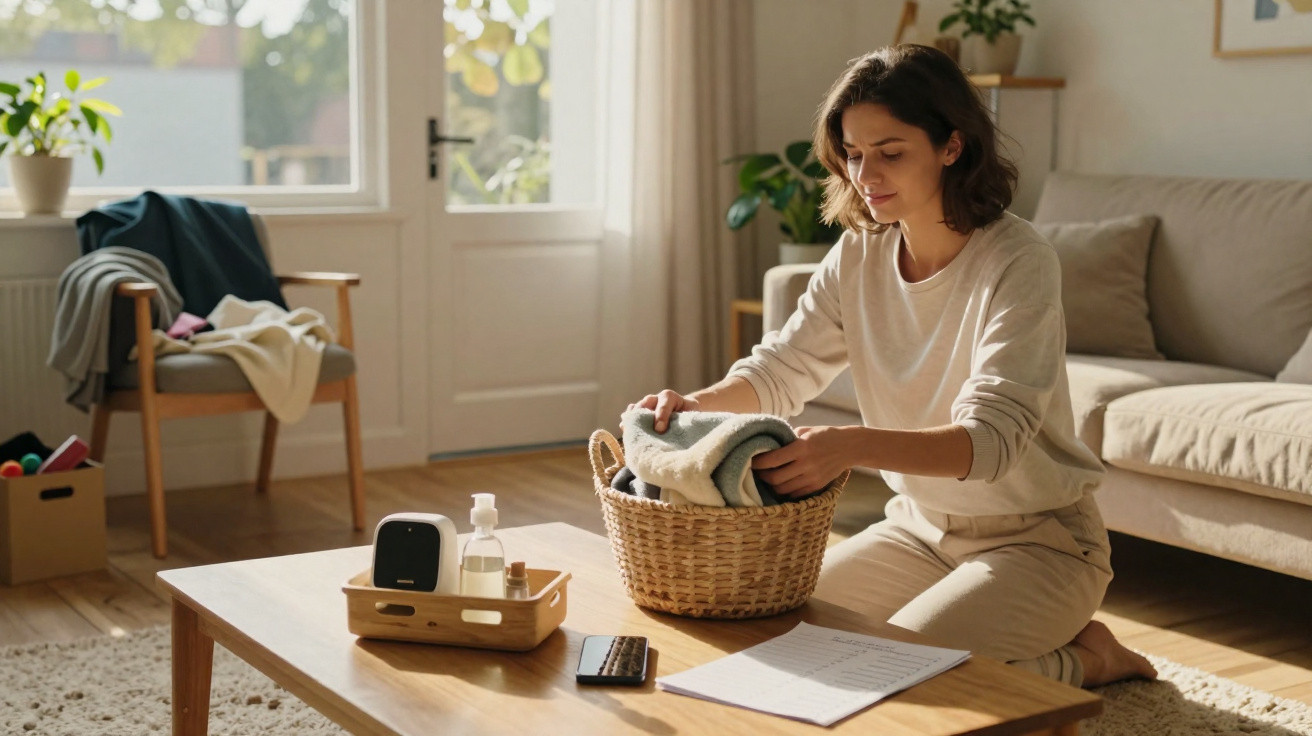
- Daily reset basket: Carry a basket around once a day, gather stray belongings and return them to their proper homes. It may sound silly, but it changes everything.
- Lower the bar: Your bathroom does not need to shine. It only needs to be “not gross”. Aim for liveable rather than magazine-ready.
Rethinking what a “clean person” really looks like
There is a quiet sense of freedom in recognising that you do not need marathon cleaning days to stay on top of your home. What you need is a small collection of nearly invisible rituals that guard against the gradual build-up of chaos. This could mean wiping the hob while pasta water boils, shaking out the doormat when you arrive home or doing a five-item pick-up challenge before unlocking your phone at night.
These actions do not look impressive. Nobody shares a before-and-after photo because “I put my bag on the hook instead of the floor.” But these are the actions that stop your space from becoming overwhelming. They are small enough to continue through tiring evenings, busy weeks and difficult periods.
When friends arrive unexpectedly, you will not be rushing around for an emergency clean; you will simply move a few things aside and answer the door. Perhaps that is the real goal: not a show home, but a place that does not constantly drain your energy.
| Key point | Detail | Value for the reader |
|---|---|---|
| Habits beat marathon sessions | Short, repeated actions prevent mess from accumulating | Less overwhelm and fewer exhausting “catch-up” cleans |
| Start tiny and anchor to routines | Attach micro-cleaning to daily habits such as coffee or bedtime | A greater chance that habits will stick in real life |
| Focus on visible, high-impact zones | Prioritise worktops, the entrance hall and living-room surfaces | Your home feels cleaner quickly, with less time and effort |
FAQ:
- How many minutes a day do I really need to keep a home decent? For most people, 15–25 minutes split into small chunks is enough when habits are consistent. Think of three to five micro-rituals lasting 3–5 minutes, rather than one long block.
- What if I’m starting from a really messy place? Start with a one-off “reset” of one room, or even one corner. Then maintain that space through daily habits. Expand only after the first area remains stable.
- How do I stay motivated when I’m tired after work? Create habits so small that they almost seem too easy: bin rubbish, clear only the coffee table or start the dishwasher. Motivation often arrives once you begin, rather than beforehand.
- What about kids or roommates who don’t help? Give each person a few straightforward, clear tasks linked to particular moments: shoes go in this basket, dishes are rinsed immediately after eating, and there is a five-minute family reset before screens. Consistency works better than nagging.
- Do I still need deep cleans sometimes? Yes, but much less frequently. Habits deal with surface mess, while deep cleans address areas that are rarely touched. When daily routines are solid, those larger sessions are shorter and less unpleasant.
Comments
No comments yet. Be the first to comment!
Leave a Comment