
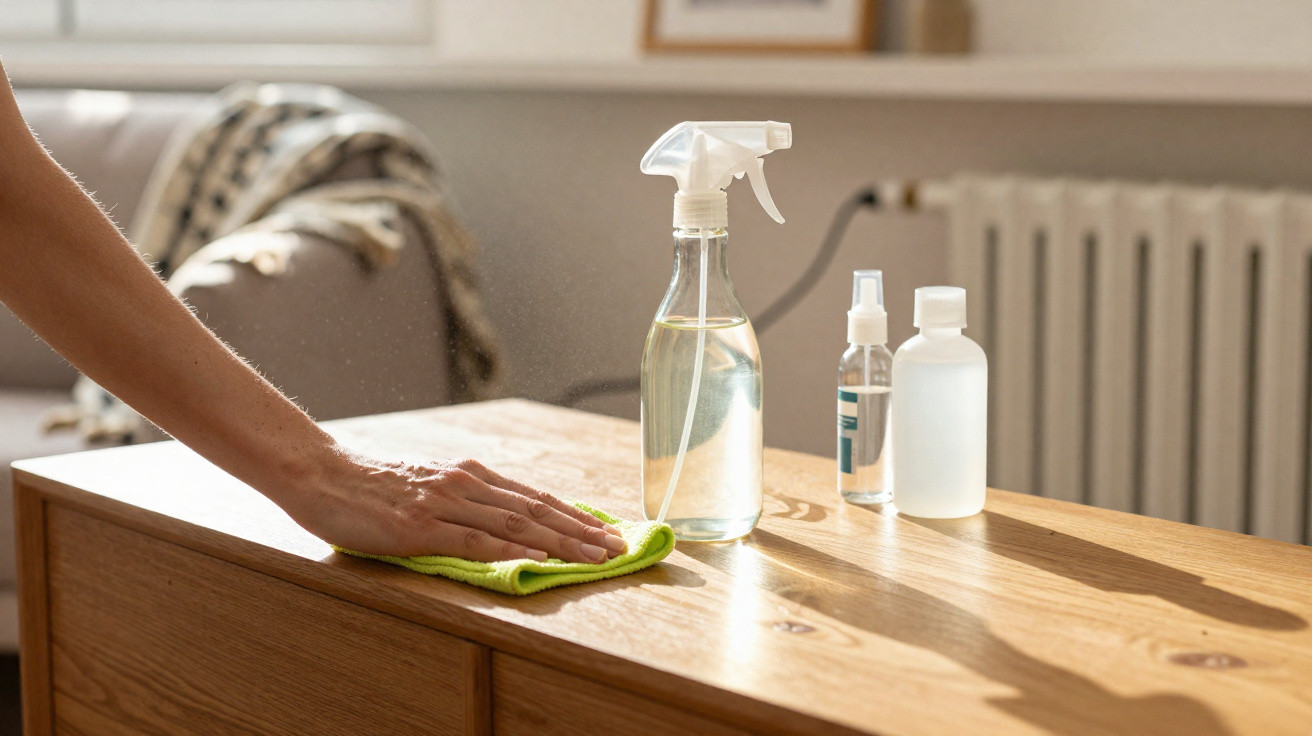
Every surface has been polished, the hoover has gone back into storage… yet, within 48 hours, a flat grey coating has settled over the furniture again.
In plenty of households, this is more than a minor cleaning frustration. Dust reappearing so fast affects the appearance of a room, the sense of air quality and, potentially, how frequently you need allergy medication.
Why dust can reappear so quickly
Domestic dust is far more than simple grime. It is a mixture of clothing and fabric fibres, dead skin cells, pet fur, pollution carried in from outdoors, soot, and minute remnants from cooking.
In centrally heated houses with relatively dry air, these particles can remain airborne for many hours. A closing door, someone walking through the room or any other movement disturbs the air, sending settled particles back into circulation.
That grey film on your sideboard is often the same dust that was on it yesterday, simply resettled somewhere else.
It is easy to blame a dusty road, untidy children or a pet that moults. In many cases, though, the less obvious cause lies in your cleaning method and equipment.
Cleaning tools that turn furniture into a dust magnet
Cotton dusters and old-fashioned feather dusters may seem innocuous, but they are often why dust appears to return so rapidly.
- A dry cloth scrapes over the surface, creates static electricity, sends dust into the air and deposits it elsewhere.
- Inexpensive synthetic dusters can act like miniature launchers, dislodging particles rather than properly capturing them.
- Silicone-based polishes with a glossy finish can leave behind a faintly oily layer that attracts each fresh speck passing through the air.
Although the shine may look pleasing initially, it can leave a tacky coating that holds onto further dust. A number of furniture sprays also give off volatile compounds, which may aggravate sensitive airways, particularly in compact rooms.
Shiny does not always mean clean; some polishes turn your furniture into an electrostatic billboard for dust.
Anti-dust furniture cleaning: damp microfibre, white vinegar and glycerine
The most important adjustment is straightforward: replace the dry duster with a microfibre cloth that is only lightly dampened.
Microfibre consists of exceptionally fine synthetic strands, woven to form vast numbers of tiny gripping points. Rather than throwing particles back into the room, these fibres catch and retain them.
When it is slightly damp, microfibre also reduces static electricity on furniture. As a result, fewer particles are attracted straight back to the area you have just cleaned.
A simple homemade anti-dust spray
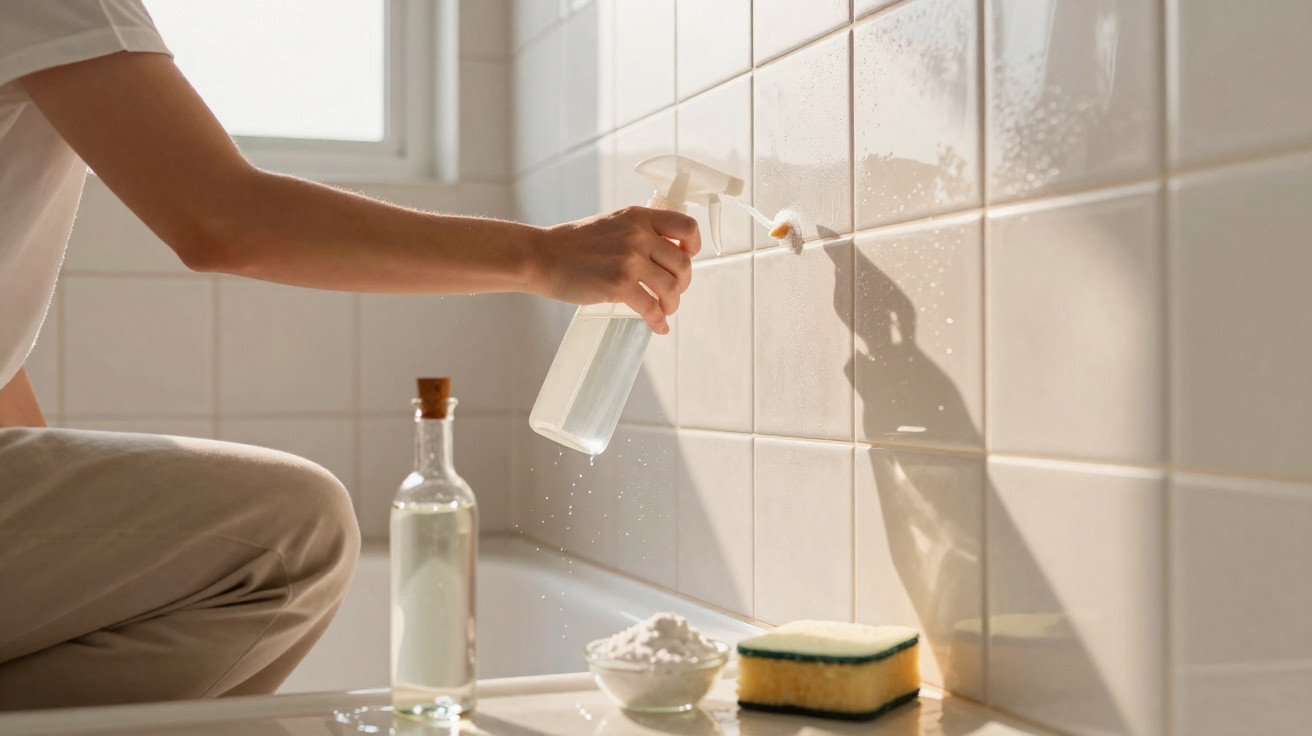
All that is required is ordinary tap water and basic white vinegar. The vinegar helps lift light grease, removes residue from older polish and limits static.
| Ingredient | Proportion |
|---|---|
| Warm water | 4 parts |
| White vinegar | 1 part |
Decant the solution into a spray bottle. Spray a light mist onto the microfibre cloth rather than directly onto the furniture.
Clean from the highest surfaces downwards, turning the cloth over whenever one area becomes grey. This ensures particles stay trapped instead of being transferred onto the following shelf.
The cloth should feel just damp, never dripping; too much liquid can damage wood and leave streaks on gloss finishes.
Glycerine as a subtle barrier against new dust
For protection that lasts longer, many professional cleaners rely on a small amount of vegetable glycerine. When heavily diluted, it leaves an exceptionally fine, near-invisible coating that makes it harder for dust to adhere.
For a home solution, combine:
- 1 litre of water
- 1 tablespoon of vegetable glycerine
Use a clean cloth to apply the mixture sparingly every two to four weeks to sealed wood and laminate surfaces. Do not use it on bare, untreated wood or genuine antique finishes, as moisture of any kind may cause an adverse reaction.
First, test the mixture on a small hidden area at the back of the furniture. Once dry, if the patch is even and does not feel greasy, the rest of the surface can be treated.
Hidden dust sources: radiators, fabrics and insufficient airing
Furniture is not necessarily responsible for most of the problem. Several easily overlooked places steadily add to the dust circulating through your living room.
Radiators and cables: dust distributors
As radiators warm up, they draw air through their fins. This airflow pulls in hair and fluff before pushing them back into the room each time the heating operates.
The tangled cables behind televisions, routers and extension leads also gather the same soft grey fluff that accumulates beneath sofas and beds.
Once or twice each month, after ensuring the radiators are cold:
- Lay a lightly damp cloth or an old towel on the floor beneath the radiator.
- Run a narrow brush or washable anti-static duster between the fins to loosen the dust.
- Wash or discard the dirty towel, ensuring those particles are removed from the room permanently.
For clusters of cables, turn the electricity off at the wall before wiping them with damp microfibre. Doing so lessens static and frees the fluff clinging to the cables.
Textiles: the largest store of household dust
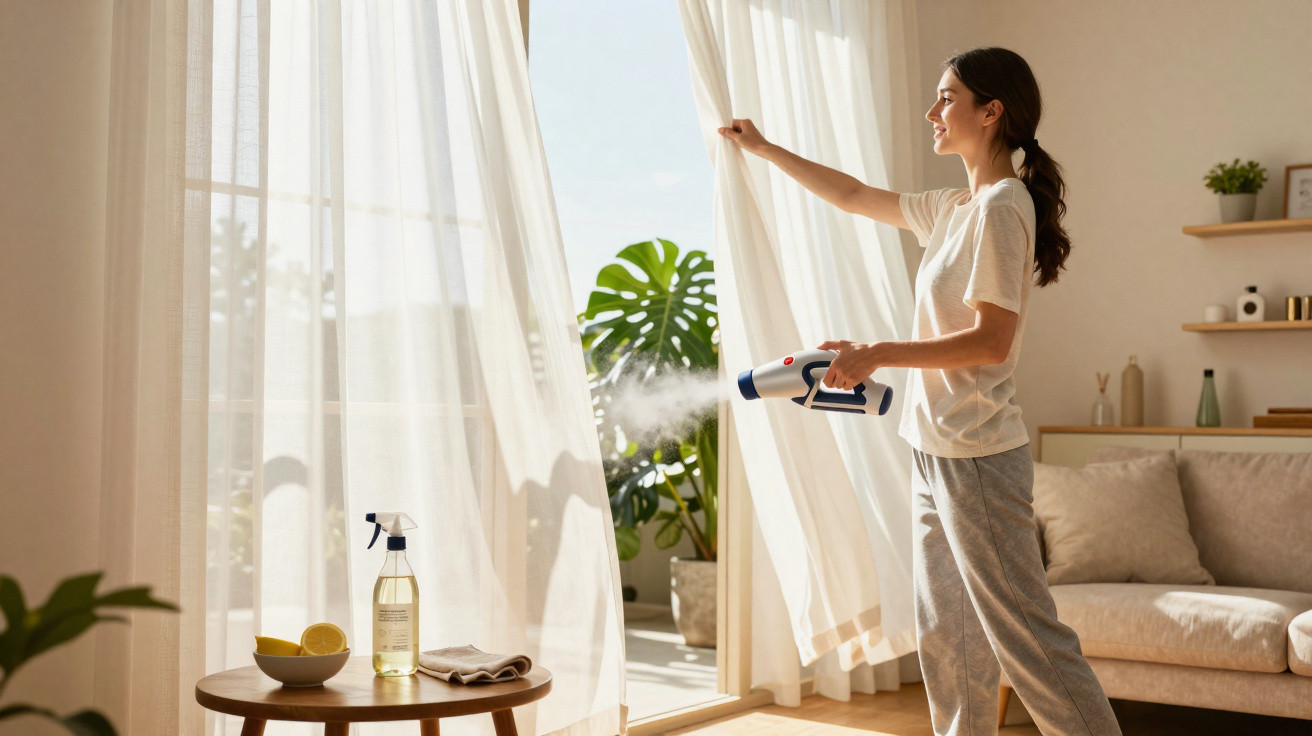
Soft furnishings absorb particles much like sponges. Curtains, cushions, lampshades and upholstered headboards collect dust throughout the day, then release it again whenever they are moved.
Textiles do not just collect dust; they redistribute it every time you brush past or draw the curtains.
Once weekly, use the brush attachment on the vacuum cleaner to clean:
- Curtains and blinds, with special attention to upper pleats where dust remains undisturbed.
- Cushions and throws on both sides.
- Fabric lampshades and upholstered headboards.
Then air the room for roughly ten minutes. Opening the windows fully allows newly disturbed particles to leave instead of settling back indoors.
Cleaning routines that slow the grey film
The sequence in which you clean can make a noticeable difference too. Vacuuming before dusting can send lighter particles upwards, allowing them to land on furniture that has already been wiped.
A better order is:
- Air rooms for 5–10 minutes.
- Wipe high-level areas with damp microfibre, including cupboard tops, shelves and picture frames.
- Clean middle-height surfaces and electronics.
- Complete the job with the floors: vacuum first, then mop where necessary.
Using this sequence means dust that falls during cleaning reaches the floor, where it can be removed by the vacuum cleaner rather than settling on another surface.
Laundry practices matter as well. Excessively tumble-drying clothes, or failing to clean the dryer filter, releases fibre fluff into the home. Emptying filters routinely and, where feasible, drying washing outdoors or in a well-ventilated space greatly reduces this source.
What this can mean for allergies and sensitive airways
For anyone with asthma, hay fever or dust mite allergies, a dust coating that returns after 48 hours is not merely unsightly. Each pale layer may contain allergens capable of causing sneezing, coughing and itchy eyes.
Damp-dusting and tackling concealed dust hotspots removes a greater share of these particles during every cleaning session. This reduces the overall “allergen load” in the home.
A small change in tools can translate into fewer flare-ups for sensitive airways, especially in bedrooms and living areas.
There is a chemical consideration too. Many high-shine furniture sprays release fragrances and solvents into the air. Exchanging these products for a simple water-and-vinegar solution limits exposure to compounds that some people find irritating.
Putting the anti-dust routine into practice
Picture a typical flat: a lounge with a large television, radiators below the windows and a thick rug, alongside a bedroom containing heavy curtains and a fabric headboard. Regardless of how regularly you clean, dust appears again every two days.
During the first week, replace the duster with damp microfibre and the vinegar solution, vacuum the tops of the curtains, clean the radiators and wipe the cable bundles. The amount of weekly work remains unchanged; only the tools and areas of focus differ.
After the second or third week, people commonly find they do not feel the need to dust as often. Furniture can remain visibly clean for four or five days rather than two, while allergy symptoms may improve slightly, particularly on waking.
Dust will still exist - it always will - but fewer particles are able to circulate freely and immediately stick back to surfaces. The home can seem lighter, the air somewhat clearer, and cleaning no longer feels quite so repetitive.
Comments
No comments yet. Be the first to comment!
Leave a Comment