
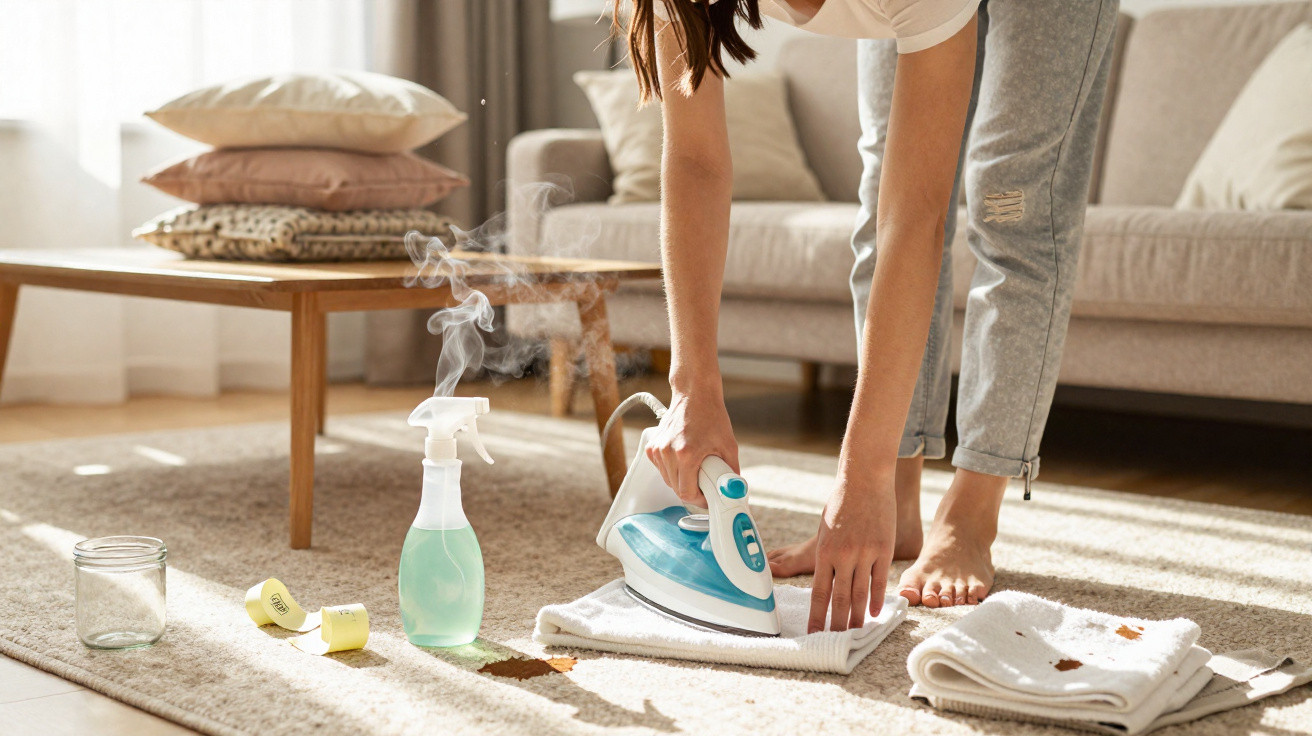
Across the home, water marks, hardened wax and unexplained smells are often tackled with sprays and plenty of elbow grease. Yet a much simpler device is frequently overlooked: the household steam iron. Used with caution, its targeted heat and measured steam can restore wood, fabrics and even wallpaper, with very little scrubbing required.
The household iron: an unexpected cleaning helper
For most people, an iron has one purpose: removing creases before it is put away again. However, a heated soleplate combined with short bursts of steam can create a compact cleaning tool, loosening residue and drawing stains into a cloth rather than consigning an item to the bin.
Heat and steam from an ordinary iron can loosen wax, glue, fibres and odours, so they transfer into a cloth rather than stay stuck to surfaces.
When applied carefully, this technique may help furniture, carpets and soft furnishings last longer while reducing the need for chemical cleaners. Always place a protective layer between the iron and the item, and begin at the lowest temperature.
Wood and hard surfaces: water rings, wax and sticky residue
1. Reducing white water rings on wooden tables
Pale circles left by cold glasses or hot mugs can make a coffee table appear worn out for good. In many cases, they are caused by moisture caught in the finish rather than actual damage to the timber.
Put a thin cotton cloth over the ring, switch off the steam and set the iron to low heat. Move it lightly in small circular motions, lifting the cloth every few seconds to inspect the result. As the finish heats up, the trapped moisture may disperse, making the mark less noticeable or causing it to disappear.
- Apply only gentle pressure.
- Do not place an iron straight onto uncovered wood.
- Stop immediately if the finish becomes darker or tacky.
This is more suitable for lacquered or varnished tables than for untreated timber or oiled surfaces, which may respond unpredictably to heat.
2. Removing candle wax from tablecloths and carpets
A candle-wax spill can look alarming, but there is no need to scrape aggressively at the material. Allow the wax to cool completely first, then carefully lift away the thickest pieces using a spoon or card.
Next, cover the remaining mark with baking paper or a clean tea towel. With the steam off, choose a low-to-medium iron setting and press briefly over the protective layer. The wax will soften and melt, then absorb into the paper or cloth.
Repeated short presses with an iron draw melted wax into a sacrificial cloth, leaving the underlying fabric cleaner and less greasy.
Shift to a clean area of paper and continue until wax no longer transfers. The method can be used on tablecloths, rugs and certain carpets, but extra care is needed with delicate materials, including silk and deep-pile wool.
3. Loosening sticker glue on jars and shelves
Sticky labels can leave dull glue patches that washing-up liquid does not shift. Applying heat transforms the persistent adhesive into residue that is much easier to wipe off.
Cover the sticky patch on a glass, metal object or robust shelf with baking paper. Set the iron to low heat and run it over the paper for a few seconds. The glue below will warm and soften, allowing it to be wiped away with a clean cloth.
Avoid this approach on thin plastic, finishes that are already flaking or anything likely to warp. It is always sensible to test a concealed area first.
4. Making old wallpaper easier to remove
Removing wallpaper can turn a simple weekend task into a frustrating job. As steam softens old paste, an ordinary iron in steam mode can provide an affordable alternative to a professional wallpaper steamer.
Use maximum steam and hold the iron a short distance from the wall without allowing it to touch the paper. Direct the warm vapour at joins and edges for several seconds, then gently raise the loosened section with a scraper and peel it back.
Tackle small areas at a time to keep the adhesive warm. Excess moisture concentrated in one spot can soften the plaster, so moderation is important.
Carpets and textiles: dents, stains and lingering odours
5. Restoring carpet dents caused by heavy furniture
Indentations made by sofa or chair legs can crush carpet fibres and remain long after the furniture has moved. Heat combined with moisture can encourage those fibres to stand up again.
Slightly dampen a clean cloth and lay it across the dent. Set the iron to a medium temperature with light steam, then press it over the cloth for roughly a minute while moving it a little. The warmth and moisture relax the fibres, helping them regain their shape.
Once finished, lift the pile with a soft brush or your fingertips. Use shorter applications on synthetic carpets, as excessive heat can distort them.
6. Drawing rug stains out with a vinegar mixture
Certain carpet stains remain after blotting and conventional cleaning attempts. This iron technique is intended to transfer the stain into a separate cloth instead.
Combine one part white vinegar with three parts water. Moisten a white cloth with the mixture, as coloured cloths may release dye, and position it over the stain. Set the iron to steam at a moderate temperature and press for around 30 seconds.
The goal is to drive the warm cleaning solution through the fibres so the stain migrates upwards into the cloth rather than sinking deeper.
Lift the cloth to look for transferred colour. A paler mark and a darker cloth indicate that the process is working. Continue using fresh sections of cloth until no further stain comes away.
7. Refreshing cushions, throws and curtains between washes
Large items such as lined curtains, thick throws and sofa cushions can be inconvenient to wash. Steam from an iron may reduce surface bacteria and lessen odours between full laundering sessions.
Turn on the steam setting and keep the iron a few centimetres from the textile, rather than pressing it directly against the material. Move slowly over the surface so the vapour can enter the fabric without saturating it.
This light steaming can relax creases, lift minor surface dirt and reduce stale odours left after pets, cooking or a gathering. It is not a substitute for thorough cleaning, but it can lengthen the gap between larger washing jobs.
Essential rules for using an iron as a cleaning tool
These methods are only safe when a few basic precautions are followed. A grimy soleplate may deposit burnt debris or rust onto wood and fabrics, so regular soleplate cleaning is important. Limescale can build up inside an iron when hard tap water is used, which is why many manufacturers advise using filtered or demineralised water.
| Do | Why it matters |
|---|---|
| Test on a hidden area first | Checks how finishes and fibres react to heat and steam |
| Keep the iron moving | Prevents scorching and shiny patches |
| Use a cloth or paper barrier | Stops direct contact with wood, carpet or upholstery |
| Unplug and cool fully after use | Reduces fire risk and keeps children safe |
Some materials should never be treated with an iron. Thin plastics, fragile veneers, wallpaper that is already peeling and glossy piano-style finishes are best cleaned using other methods, however tempting a quick solution may be.
Why heat and steam work on stains and odours
These household techniques rely on straightforward physical effects. Heat softens wax, glue and certain finishes, allowing them to move more readily. Steam introduces moisture, which can expand carpet and textile fibres, ease dents and help release dirt.
Odours commonly adhere to fabrics through oils or organic particles. Warm vapour can weaken these bonds and may kill some microbes, particularly when used alongside cleaning products such as diluted vinegar. This explains why steamed curtains and cushions can smell fresher so quickly.
When another method is safer than an iron
In some situations, caution can prevent a costly repair. Heat may damage antique wooden furniture, leather upholstery, silk rugs and premium wallpapers. A professional cleaner or restorer is a safer choice for these items than an improvised treatment.
Those with respiratory sensitivities should take care when steaming too, because it may send old dust or residues from cleaning chemicals into the air. Keeping the room ventilated and choosing plain water rather than fragranced products makes the process milder.
When used sensibly, these seven alternative uses make a neglected iron a versatile household maintenance tool. They cannot remove every odour or mark, but they provide unexpected options before harsh chemicals are used or an item is thrown away.


Comments
No comments yet. Be the first to comment!
Leave a Comment