

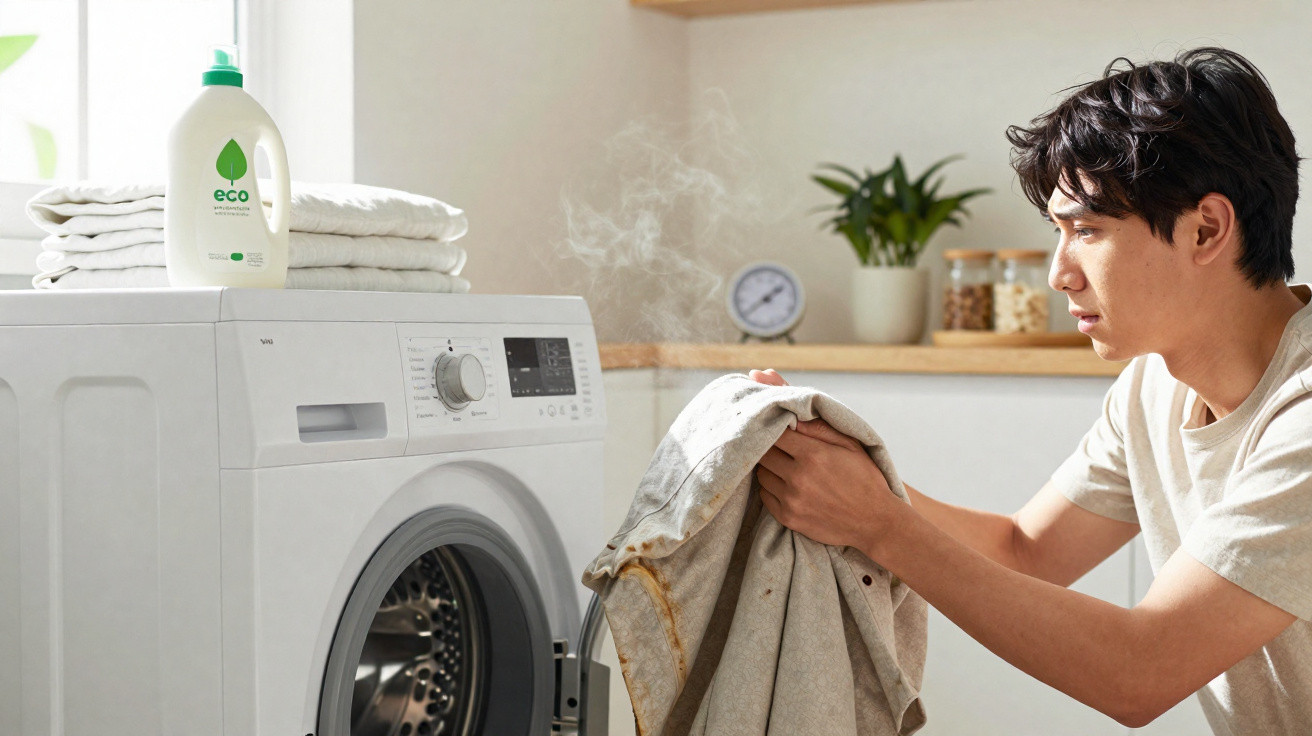
The washing machine buzzed in the background while Emma lifted another faded T-shirt from the drum. Once deep black, it had become a weary grey. Its neckline had stretched, the design was peeling and it appeared far older than it was. Annoyed, she held it up and said, “I only bought this last year.” Then she looked over at the laundry basket, already filling up again: jeans worn once, jumpers that merely “smelled like the closet”, and a towel used twice. The process seemed endless. Every week, clothes went in and came out again, their colour fading well before she was willing to part with them. Between routine, the scent of detergent and the pressure to look “fresh”, something did not feel right.
Perhaps the issue is not our clothes. Perhaps it is how frequently we wash them.
Are we washing our clothes into an early death?
Scroll through any social feed and the message is hard to miss: immaculate wardrobes, carefully colour-matched looks and the unspoken expectation that every item should appear brand new. That expectation easily follows us into the utility room. T-shirts get thrown into the laundry basket after a quick coffee trip, while jeans are washed after only a few hours working at home. Using the washing machine becomes automatic. Yet every additional cycle exposes clothing to more heat, friction and detergent. Fibres begin to fray, colours fade, and elastic loses its resilience. Clothes do not simply grow old; they wear out much earlier than they should.
Denim is a good example. Textile specialists say well-made jeans can last for years when they are washed infrequently. Even so, plenty of us put them in the machine after one wear, as though they were gym shorts. A UK survey found that some garments are washed four times more often than needed, simply through habit or because people worry about smelling “unfresh.” That means many needless spins, rinses and tumbles for fabrics designed to cope with everyday wear. The effects are visible: baggy knees, faded blue denim and a drooping waistband that never properly springs back.
In textile terms, each wash creates a minor storm. Water makes fibres swell, detergent removes oils, the drum causes items to rub against one another, and dryer heat sets the damage further. Natural materials such as cotton and wool gradually lose their form. Stretch fibres become less responsive. Prints split, seams weaken and small holes emerge where the fabric has thinned. Experts are not advising people to abandon washing altogether. Rather, they point out that clothes have a kind of “life budget”, and every unnecessary wash uses part of it without good reason. We are not merely cleaning our laundry; we are gradually wearing it away.
How to wash less without feeling gross or “sloppy”
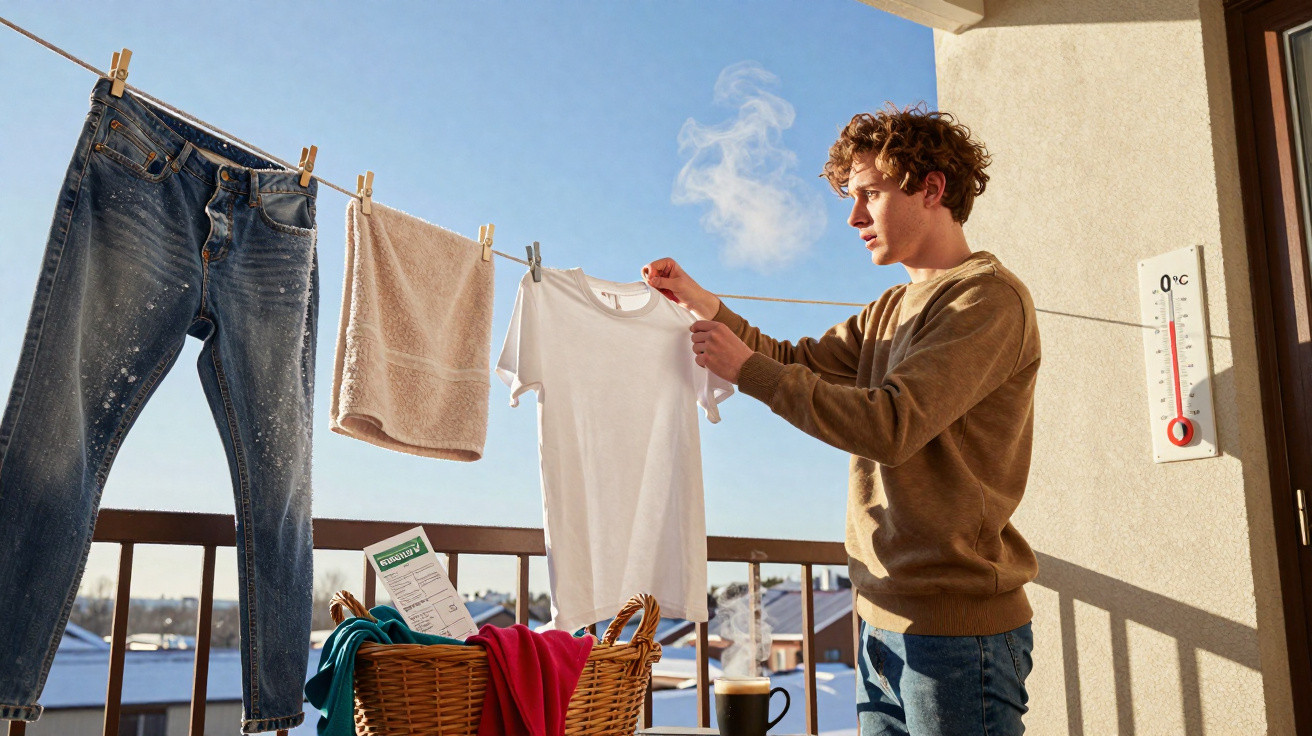
The answer is not to stop washing clothes, but to rethink what actually counts as dirty. Sweat, stains and noticeable odours? Put those items straight in the basket. A top worn for two quiet hours at a desk, however, can often be hung up again. Many stylists rely on the “look, smell, touch” test: if an item looks clean, has a neutral smell and is neither stiff nor damp, it is usually suitable for another wear. Airing garments is especially useful. Leave shirts and dresses by an open window or in a well-ventilated bathroom for several hours. A little steam, or even a brief burst of cool air in the tumble dryer, can revive fabrics with much less harm than a complete wash cycle.
Many people feel uncomfortable leaving clothes in rotation for more than a day. There is an unwritten belief that a “fresh outfit” must be freshly washed. That idea comes from modern marketing, not hygiene. In reality, hardly anyone does this every day. Most dermatologists and textile scientists agree that plenty of garments can be worn several times before they need washing, including jeans, jumpers, jackets and even pyjamas if you shower before bed. The real problem is treating every item as though it were sportswear. Instead, divide your wardrobe mentally into two basic groups: items that “need frequent washing” and those that “can rest and be reworn.” You are not being lazy; you are being strategic.
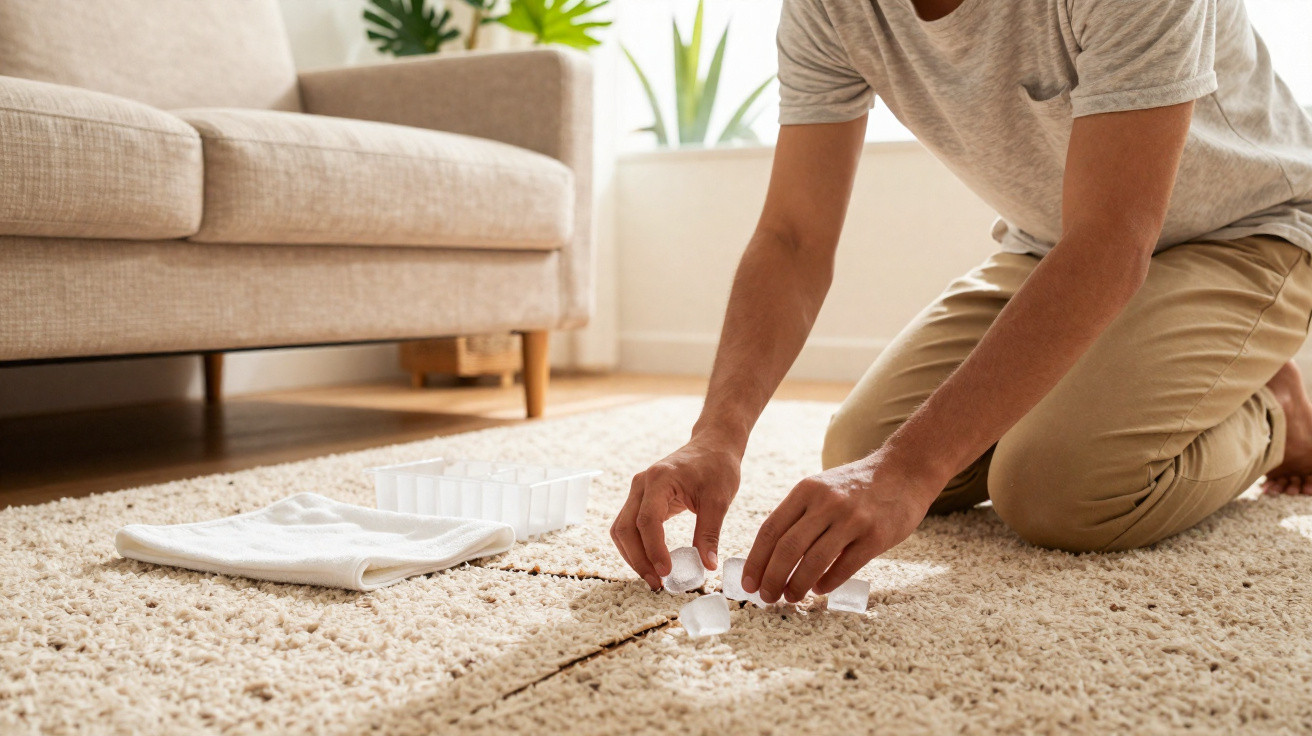
Experts also recommend fabric care that avoids a full wash altogether. Dab a small coffee mark with a damp cloth and a little soap rather than washing the entire top. Use a gentle clothes brush on wool coats and blazers to lift away dust. When odours are the concern, a light fabric spray or a short spell outdoors will often be enough. As textile scientist Dr. Kirsi Laitala puts it:
“Most people wash far more often than necessary. The goal isn’t to have sterile clothing. It’s to keep garments pleasant to wear without destroying them in the process.”
To make the habit easier, many readers place this simple guide near the laundry basket:
- Underwear, socks, sportswear: wash after each wear
- T-shirts, tops, pyjamas: every 2–3 wears, depending on sweat
- Jeans, jumpers, dresses: every 4–6 wears, or when visibly dirty
- Jackets, coats: a few times per season, spot-clean between washes
Rethinking “clean” in a world obsessed with freshness
Once you begin noticing how often clothes are washed “just because”, your view of your wardrobe can shift. A T-shirt that loses its shape within three months tells a different story: too many hot cycles, excess detergent and not enough time between washes. Washing less does not mean accepting lower standards. It means basing those standards on reality rather than detergent advertising. Clothes start to feel like items intended to endure, rather than disposable pieces to replace in the next sale.
There is a subtle sense of freedom in relying less on the washing machine, too. Smaller loads mean fewer weekends spent sorting and folding, along with less pressure to have the “perfect” outfit ready at every moment. Most of us know the feeling of running a full load solely because we want one particular shirt the next day. That pressure eases when you recognise that wearing something again, when it still looks and smells fine, is entirely normal. It is not lazy. It is not dirty. It is simply sensible.
There is a wider benefit as well: every wash you skip saves water and electricity, reduces the microfibres sent down the drain, and lessens wear on the machine itself. You do not need to become a minimalist or own only neutral “capsule wardrobe” pieces to gain from this. Begin with small changes. Wear those jeans again while they still feel good. Air the cardigan instead of washing it. When you do use the machine, choose a cooler programme and avoid the harshest setting. In time, one straightforward but meaningful result becomes clear: your clothes retain their appearance, last longer and feel more like companions than consumables. The laundry basket no longer controls your life. You choose when an item genuinely needs a wash.
| Key point | Detail | Value for the reader |
|---|---|---|
| Wash less, wear longer | Every wash causes slight fibre damage | Clothes retain their shape and colour for more seasons |
| Use the “look, smell, touch” test | Wash only when garments are visibly dirty or genuinely smelly | Fewer loads, less effort and lower bills |
| Choose gentler care | Air, spot-clean and use cool cycles rather than constant full washes | Greater comfort, less stress and a wardrobe that stays new for longer |
FAQ:
- How many times can I wear jeans before washing? Most experts say 4–6 wears is fine, provided they do not smell or look visibly dirty. Some denim enthusiasts wait even longer, relying on spot-cleaning and airing instead.
- Is it unhygienic to rewear clothes? Usually not. For ordinary daily activities, it is considered safe to rewear outer layers such as jeans, jumpers and dresses, particularly if you shower every day and air clothing between wears.
- Should I wash new clothes before wearing them? Yes for garments that sit directly against the skin, because they may contain residues and dyes. For jackets or coats, thorough airing may be enough if you do not have sensitive skin.
- Does washing in cold water help clothes last longer? Yes. Cold water is kinder to fibres and colours, and many modern detergents are formulated to work effectively at lower temperatures.
- What about gym clothes and underwear? These still require regular washing. Sportswear, socks and underwear should be washed after every wear to prevent bacteria and lingering odours.



Comments
No comments yet. Be the first to comment!
Leave a Comment