
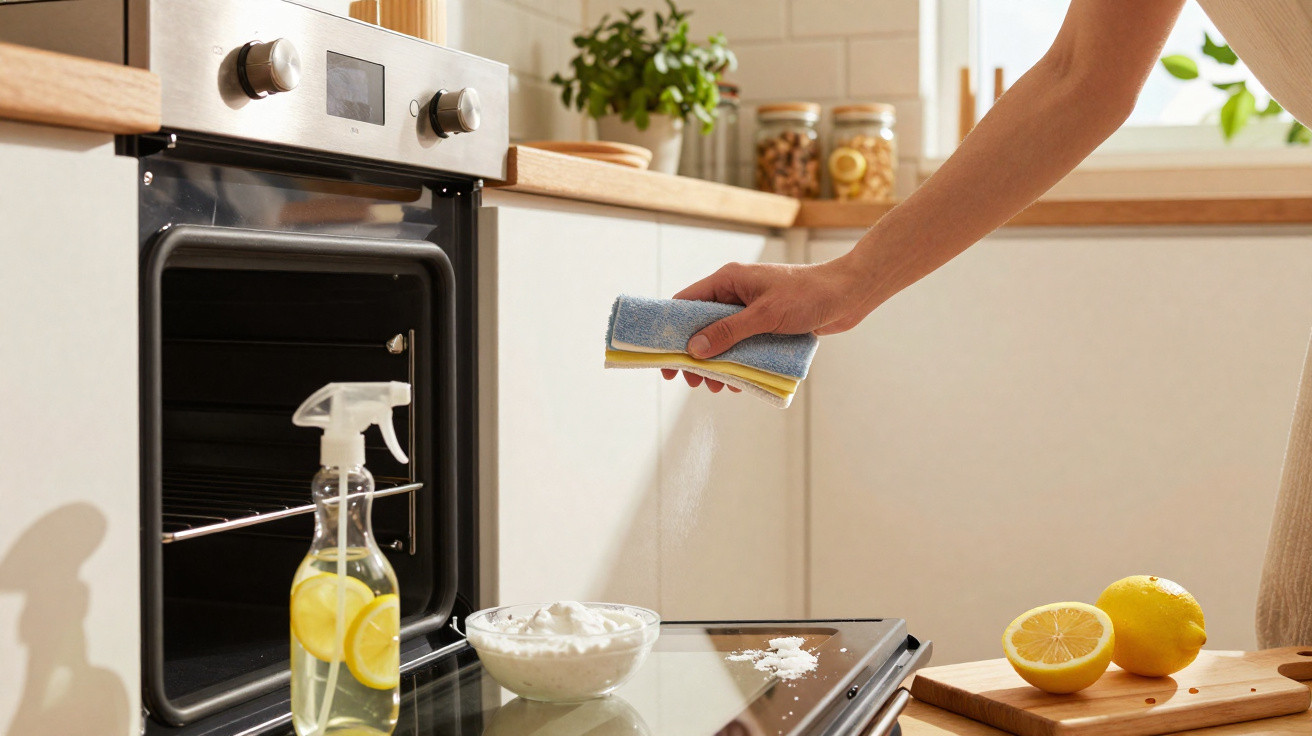
Keeping the oven clean is one of those jobs that is easy to keep putting off, yet it makes a real difference to everyday cooking. As burnt-on grease, food debris and strong smells build up, the oven not only looks unpleasant: they can affect the flavour of what you cook and even its internal airflow. The good news is that you can clean the oven naturally with straightforward items you are likely to have at home, without filling the kitchen with chemicals and while saving money.
Why is it worth cleaning the oven naturally?
Many people are swapping harsh cleaners for natural methods for reasons beyond cost. Cleaning the oven with more gentle ingredients leaves the home free from heavy chemical smells and reduces concerns about residue near the area where food is baked. As a result, the cleaning routine feels simpler and less tiring.
Bicarbonate of soda, vinegar and lemon have become useful kitchen staples not only for cooking, but also for cleaning. They are effective, inexpensive and easy to use, with no complicated technique required. They also help neutralise odours and prevent the oven interior from constantly looking greasy.
How to clean an oven with bicarbonate of soda
For routine cleaning, the bicarbonate of soda method deals with much of the built-up dirt and burnt-on grease. The aim is to make a paste that softens crusted deposits without scratching the oven’s enamel interior or requiring excessive scrubbing.
- Combine bicarbonate of soda with a little water to create a thick paste, similar to a firmer toothpaste.
- Spread the mixture over the inner walls and base of the oven, keeping it away from heating elements and electrical parts.
- Leave it to work for at least 30 minutes; for old crusted-on marks, leave it overnight.
- Wipe it away with a damp cloth or sponge, scrubbing gently and repeating the process if particularly dirty areas remain.
How to boost cleaning with steam, vinegar and lemon
If the oven has a strong smell or more stubborn grease, use the power of steam alongside mild acids. This approach works well for quick upkeep and as a pre-clean before a more thorough bicarbonate of soda clean.
- With vinegar: Place an ovenproof dish containing equal parts white vinegar and water inside, heat the oven to around 100 °C for 10 to 15 minutes, then switch it off. Let it cool slightly before wiping the inside with a damp cloth.
- With lemon: Squeeze several lemons into water, place it in the oven at a low temperature for a few minutes, then clean with a cloth or sponge, making the most of the fragrant steam.
- Extra combination: Once the bicarbonate of soda paste has dried, spray on a little vinegar or lemon juice. Allow it to fizz, then remove it straight away to loosen older residue.
How to care for the glass and keep the oven clean for longer
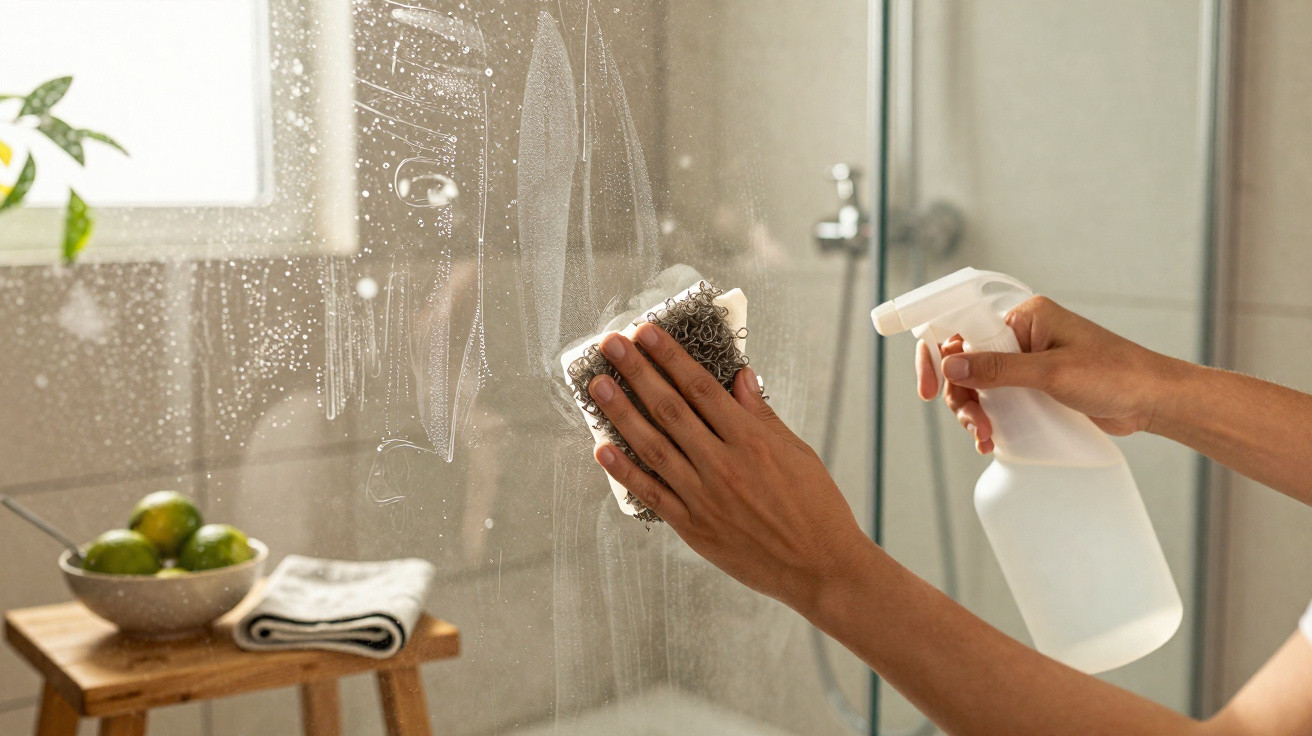
The door glass quickly reveals the mess through stains and a cloudy film that makes it difficult to see inside. The same bicarbonate of soda paste works well here: apply it, leave it for a few minutes, then remove it with a soft damp cloth. For extra shine, finish with a small amount of vinegar and dry thoroughly.
To avoid major cleaning sessions, establish a few simple habits: wipe the oven with a damp cloth while it is still slightly warm after heavier use, choose larger baking trays to prevent splashes, and cover the base with baking parchment, aluminium foil or reusable mats. With light cleaning every week or fortnight, bicarbonate of soda, vinegar and lemon will do the job, keeping the oven ready to use without any fuss.




Comments
No comments yet. Be the first to comment!
Leave a Comment