
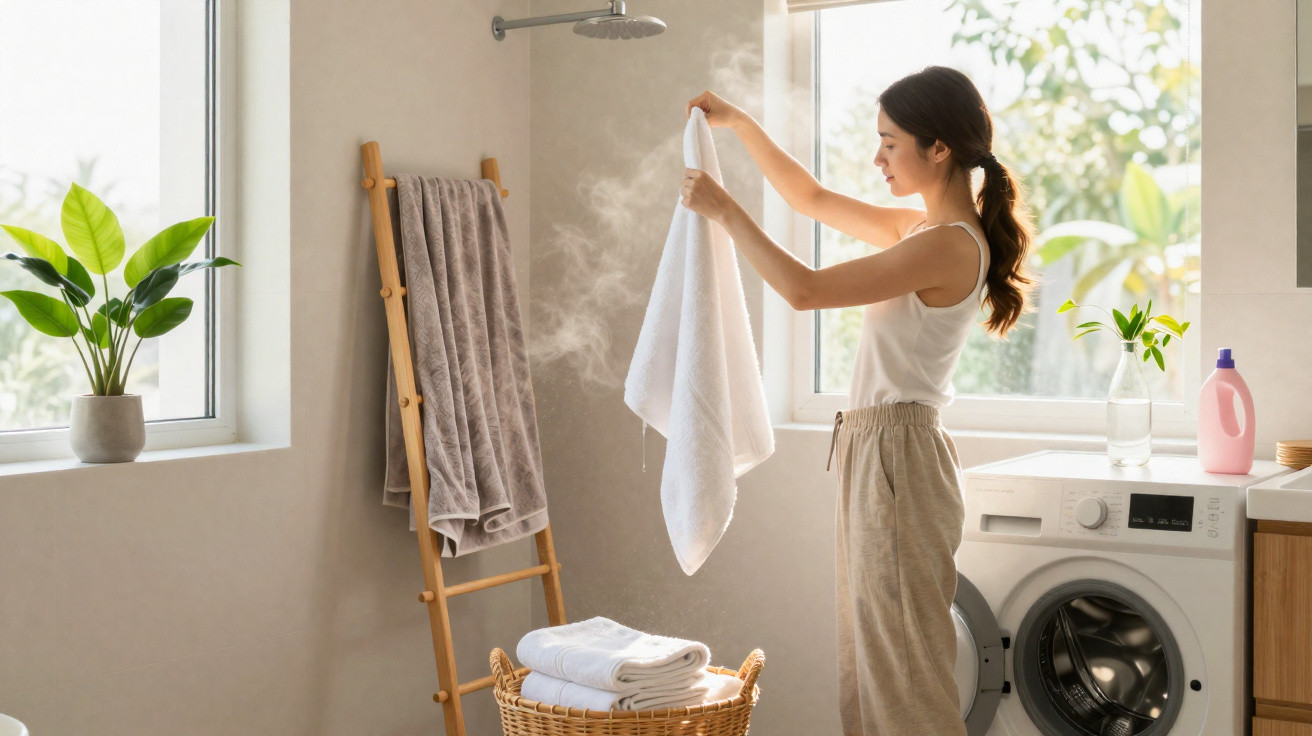
Towels are widely assumed to be clean because they do nothing more than dry the body after a shower. Yet that very assumption means they are often put in the washing machine far too infrequently. Current assessments by microbiologists indicate that anyone who is lax about this makes life remarkably easy for bacteria, fungi and other microbes.
Why towels become unpleasant faster than most people realise
At first glance, a used towel seems harmless. It may still smell fresh, feel dry and be hanging neatly on its hook. Nevertheless, every use leaves a rather unappetising combination of substances within the fabric:
- dead skin cells
- natural skin oils and sweat
- residues of shower gel, shampoo and cream
Together, these create an ideal feast for micro-organisms. Add a warm, damp bathroom and they can multiply rapidly. The effect is even greater if the bathroom is rarely aired or towels are folded tightly on a radiator.
Experts have observed that noticeably more germs are already present in the fabric after just two to three uses – long before a towel looks “dirty”.
Anyone prone to sensitive skin, acne or allergies should be especially careful with towels. Microbes and irritants can aggravate existing conditions, block pores or fuel inflammation.
How often towels should actually be washed
The commonly followed schedule of “once a week” or “every two weeks” is considered far too infrequent by hygiene specialists. Many microbiologists recommend a more rigorous routine for good hygiene.
Guideline: wash bath towels after no more than three to four uses – if you shower daily, this means every two to three days.
The interval should be even shorter depending on the type of towel. Here are the key categories at a glance:
| Type of towel | Recommended washing frequency |
|---|---|
| Bath towels (shower, bath) | after 3–4 uses |
| Hand towels by the washbasin | every 1–2 days |
| Gym and sauna towels | after every use |
| Face towels / flannels | daily |
A still more frequent cycle is worthwhile in warm, humid homes, when several people share a small bathroom, or for those with eczema, acne or a weakened immune system. Germ risks increase more quickly in these situations, while contact with the skin is often more intensive.
The risk in a damp bathroom: what really drives germ growth
Towels rarely dry fully, particularly when they are folded over a radiator or left on a hook that is too cramped. The moisture remaining in the material provides bacteria and fungi with a perfect breeding ground.
Microbiology studies show that bacteria can reproduce on damp textiles within minutes. Laboratory tests found that the number of germs on a wet cloth could double in a short period. Naturally, this does not happen with such precision every minute in day-to-day life, but the trend is unmistakable: dampness means growth.
Young children, older people, those with asthma and anyone with open areas of skin particularly benefit from stricter bathroom hygiene rules. An apparently “fresh” towel may otherwise become an unnoticed carrier of germs.
How to care for towels properly – not just by washing them more often
Washing frequency is only one part of the picture. Handling towels sensibly can substantially slow germ growth between washes.
Drying towels correctly matters almost as much as washing them properly
- Hang them with plenty of space: Rather than stacking towels on top of one another, spread them out so air can circulate around them.
- Air the room well: After showering, air the room briefly or open the window for several minutes to remove moisture.
- Bathroom too damp?: If the bathroom barely dries out, hang towels in the hallway or on the balcony for a while.
The more quickly a towel dries after showering, the fewer opportunities bacteria have to spread extensively.
Choosing a suitable washing temperature
For most towels, a 60 °C wash is a good choice. This significantly reduces the vast majority of germs. Delicate materials may sometimes tolerate only 40 °C; in that case, a hygiene detergent or a longer cycle can help.
Those who are often unwell, have young children at home or simply want added reassurance should consistently wash towels at 60 °C after stomach bugs or skin inflammation, using a heavy-duty detergent containing bleach.
Fabric conditioner, vinegar and more: what do they do?
- Fabric conditioner: Although it makes towels feel soft and cosy, it coats the fibres like a film and reduces absorbency.
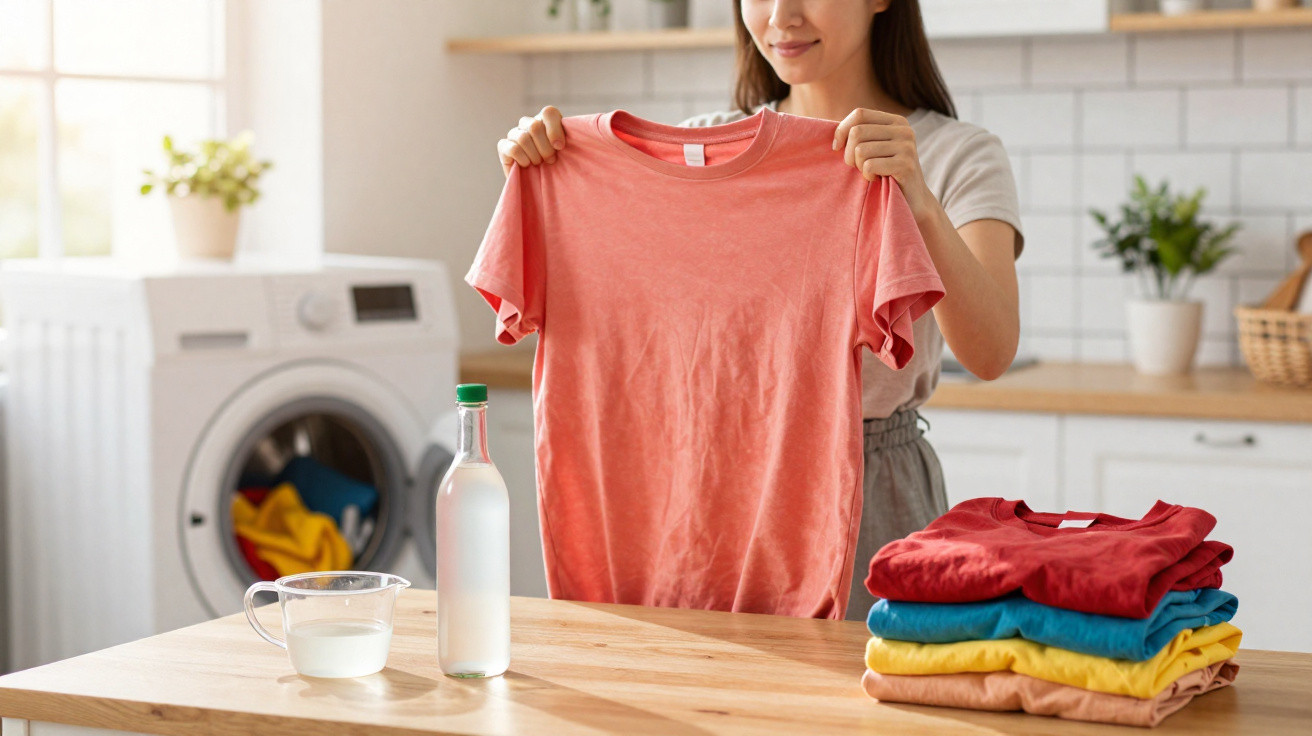
- Household vinegar: A small amount in the fabric-conditioner compartment can loosen detergent residues and reduce odours without impairing absorbency as much.
- Tumble dryer: It can soften towels and reduce germs, but uses considerable energy. Anyone using one should wash the textiles as cleanly as possible beforehand.
How long towels last – and when they need replacing
Even with excellent care, towels do not last forever. Over time, fibres break down, the surface becomes rougher and the fabric absorbs water less effectively. Many hygiene experts advise replacing towels after around two years of intensive use.
Signs that it is time for a replacement include:
- The towel develops a musty smell again shortly after showering.
- It seems to barely dry any more, even though it is clean.
- The fabric looks thin, holey or badly stretched.
Such long-serving towels become harder to clean with every wash because germs and residues settle ever deeper into the weave.
Why face and hand towels need particular care
The face is especially sensitive to bacteria and residues. People prone to blemishes or acne will know that a towel can noticeably worsen the condition of their skin if it is not changed often enough.
A clean face towel every day significantly lowers the risk of new spots – particularly where skin problems already exist.
Many dermatologists recommend using a separate small towel solely for the face and changing it every day without exception. Those who wear make-up regularly should either put it straight into the wash after use or switch to washable microfibre pads and flannels that can be cleaned at 60 °C.
Hand towels by the washbasin, meanwhile, are used throughout the day, often by more than one person. Wet hands, soap residue and germs from door handles all end up on them. They should therefore be changed every one to two days, or daily in larger households.
Separate towels for every person are no minor matter
What remains normal in many families is a hygiene risk: sharing a bath towel. This allows bacteria, fungi or viruses to pass directly from one person to another. It may cause problems where there are small injuries or irritated skin.
- Give each person their own colour or pattern.
- Assign towels clearly and do not hang them up mixed together.
- Keep an additional guest set ready for visitors.
This separation pays off twice over when someone in the household is ill. The same applies to gym towels: after returning home, they should go directly into the wash, rather than spending another two days on a bedroom chair.
Practical examples of an everyday washing schedule
By looking realistically at their routine, households can improve hygiene considerably with a few simple habits without running the washing machine constantly. One possible schedule for a two-person household is:
- Bath towels: put them in the wash on Monday, Wednesday and Saturday.
- Hand towels by the washbasin: change them every other day.
- Face towels: one small towel per person each day.
- Gym towels: wash them immediately after training.
For families with children, it is worth having a fixed “towel day” when all bath towels and hand towels are collected and washed. Combining this with bedding or sportswear makes full use of the machine while still keeping germ levels under control.
Anyone who has underestimated the issue until now need not panic. A slightly more frequent washing cycle, better drying and clear towel allocation substantially reduce the risk – and the skin will usually show its appreciation sooner than expected.
Comments
No comments yet. Be the first to comment!
Leave a Comment