
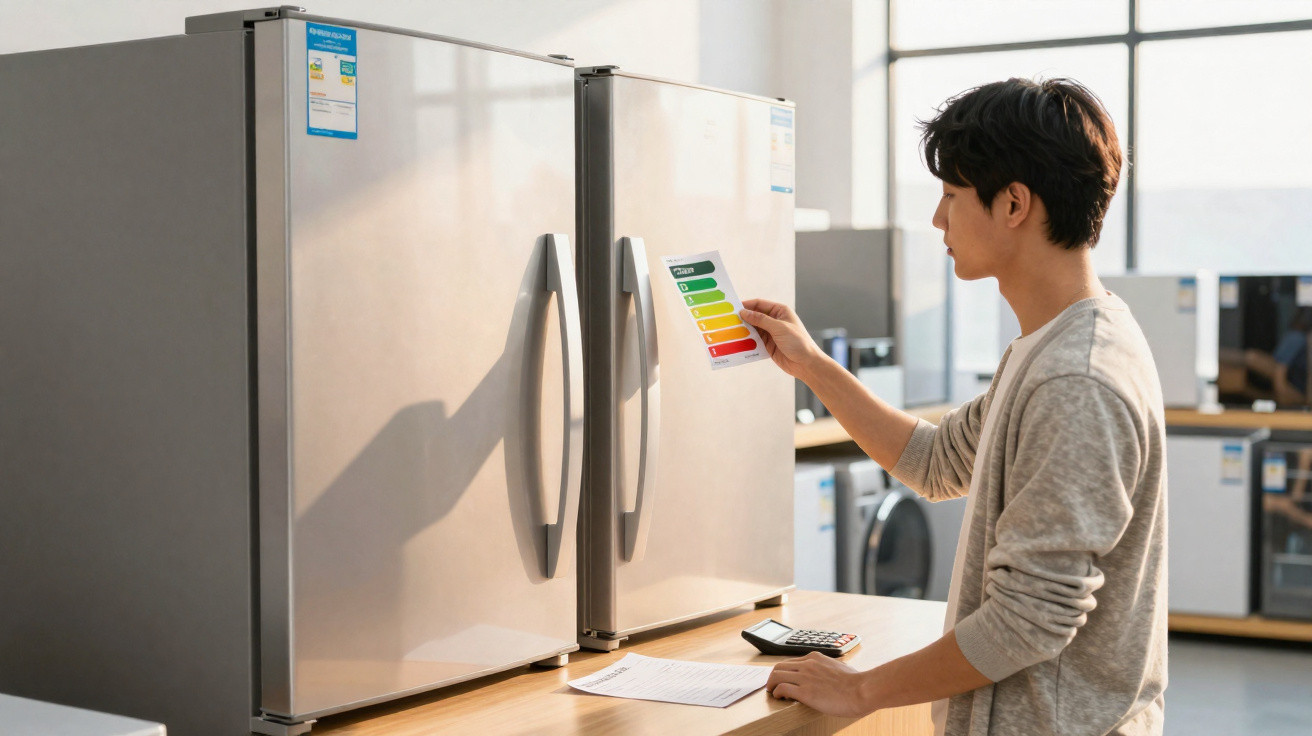
In many Brazilian households, the energy efficiency label is already a familiar part of buying appliances. Even so, questions remain about the meaning of each piece of information and its effect on the electricity bill. The mix of letters, colours and figures shows how much energy an appliance uses, making it possible to compare similar models without relying solely on price or appearance.
How does the energy efficiency label work?
In effect, the label acts as an energy-performance “X-ray” for an appliance. Its colour bands and letters show the consumption level compared with other products in the same category, such as refrigerators or washing machines.
Additional symbols also provide details on noise, capacity, internal volume and, for certain products, specific technologies such as inverter systems in air conditioners. Understanding this information enables consumers to plan their household budget more effectively and avoid unexpected charges on their bill.
Watch a video on the Mundo da Elétrica YouTube channel explaining how to read appliance energy-consumption labels and choose products that can deliver greater savings on the electricity bill:
https://www.youtube.com/watch?v=y3n9E94oI1M
What does the letter on the energy efficiency label indicate?
The prominent letter identifies the product’s consumption class - in other words, whether it uses less or more energy than other appliances in the same group. Classes generally range from A (the most efficient) to G (the least efficient), while some segments may also use categories such as A+, A++ or A+++.
This rating is established through standardised tests that assess energy use under typical operating conditions, allowing, for instance, two similarly sized refrigerators to be compared. It is worth noting that the letter does not represent the product’s overall quality; it only indicates how much electricity is needed to provide the same function.
How does energy efficiency affect the electricity bill in practice?
The link between an efficiency class and the cost of a bill is most clearly shown by the estimated monthly consumption, stated in kWh/month. By multiplying this figure by the local electricity tariff, consumers can estimate how much that appliance may add to their household budget.
Certain habits and usage conditions can increase or reduce this effect, making the label an even more useful starting point for more considered everyday choices:
- Daily operating time: the more hours an appliance is switched on, the greater its contribution to the bill;
- Selected settings: long cycles, extreme temperatures and maximum power increase energy use;
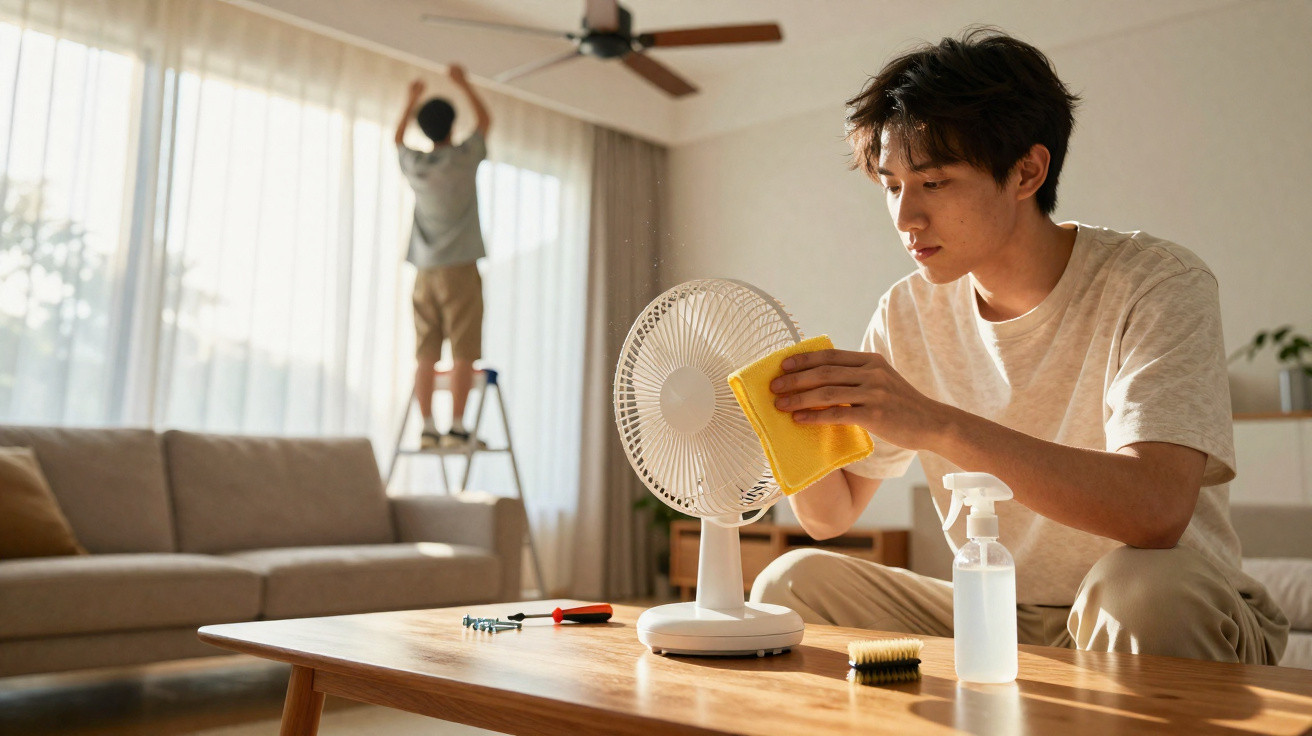
- Up-to-date maintenance: dirty filters and damaged seals lower actual efficiency;
- Correct installation: poorly installed appliances may need more energy to operate.
How can you use the energy efficiency label to make a better choice?
When purchasing a new appliance, it is useful to assess the label step by step, balancing efficiency, size and features. Comparing models within the same category makes it easier to judge whether investing in a more efficient appliance will be worthwhile over time.
Checking the efficiency class, comparing monthly consumption in kWh, confirming the actual capacity and considering the noise level are straightforward steps with practical benefits. The label then becomes more than a minor detail on the packaging: it can help reduce waste, balance comfort with savings and make better use of every appliance in the home.


Comments
No comments yet. Be the first to comment!
Leave a Comment