
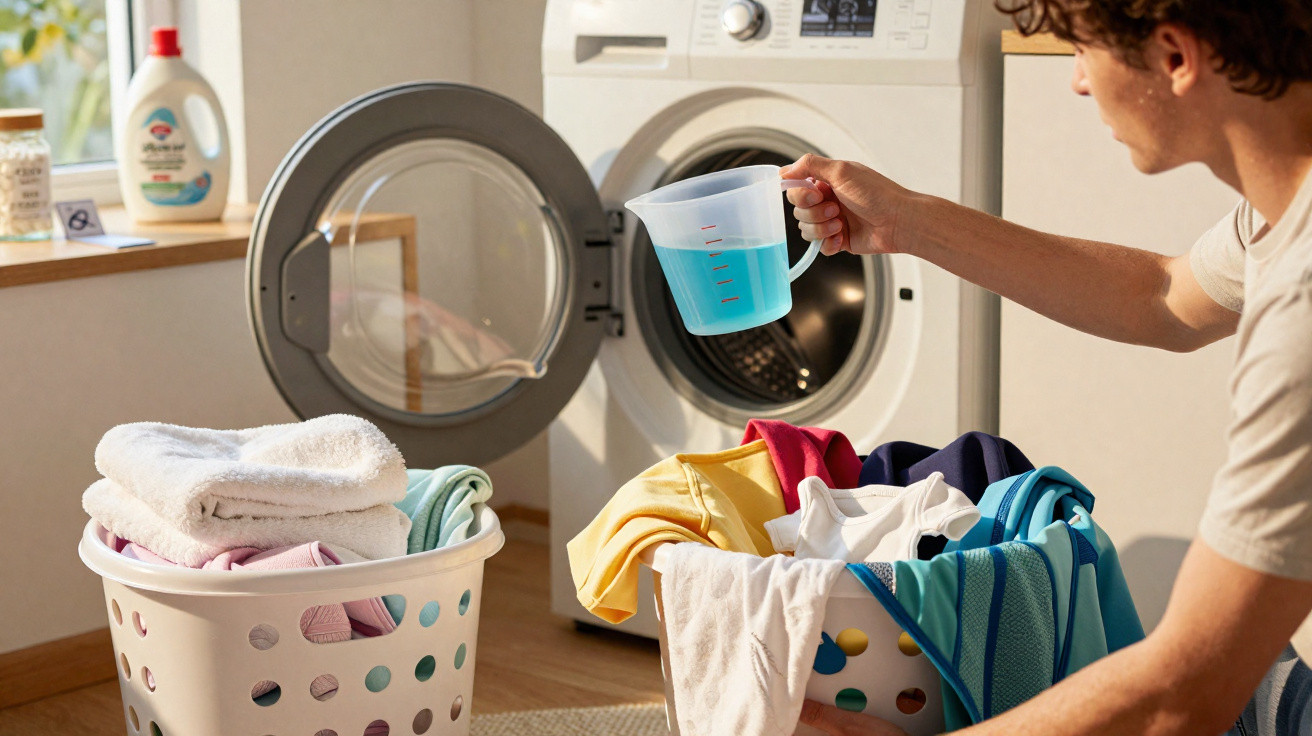
Fabric conditioner can make clothes feel softer and smell fresher, but it does not need to be used in every wash. Applied indiscriminately, it can leave deposits on fibres, reduce absorbency and make the laundry routine less efficient.
Why is fabric conditioner not always necessary?
Fabric conditioner is designed to counteract the roughness caused by machine washing, particularly in natural fibres. It works during the final rinse, giving garments a more pleasant feel; however, repeated use can create a coating on the fabric.
That coating is not always beneficial. For items that need to absorb water, manage perspiration or retain technical performance, the product can cause more problems than benefits. The best approach is therefore to consider the type of garment and its purpose.
Use should be assessed as follows:
- Feel: it can make everyday garments softer.
- Towels: frequent use may reduce their absorbency.
- Sportswear: residue can interfere with sweat management, ventilation and thermal performance.
- Washing machine: too much can build up in the dispensing drawer.
- Dosage: using the stated amount prevents waste and residue.
What does fabric conditioner do to fibres?
Fabric conditioner is used to soften textiles, reduce static electricity and add fragrance. These effects come from ingredients that settle on the surface of fibres, changing their feel and softness.
Problems can arise when this deposit repeatedly builds up on items that need to remain porous. Clothes may smell pleasant, but the fibre becomes coated, rinsing becomes less effective and the original performance of the material is compromised.
Which clothes should not be washed with fabric conditioner?
Bath towels are among the items most affected by excessive fabric conditioner. Over time, the product reduces the fabric's absorbency, leaving the towel scented but less effective at drying the body.
Less product, better performance
Not every fibre needs a fragranced coating.
Absorbent items, sportswear and microfibre rely on their fibres retaining an open structure.
When product builds up, immediate comfort can result in a loss of function.
Sportswear, microfibre, flame-resistant fabrics and jeans also require care. In these cases, fabric conditioner may leave residue, reduce absorbency, affect temperature regulation, alter the drape or impair specific fabric properties over the course of use.
It is best to skip fabric conditioner for the following items:
- Bath, hand and floor towels, which need to absorb water.
- Sportswear designed to manage sweat and temperature.
- Microfibre, cleaning cloths and highly absorbent fabrics.
- Jeans and technical fabrics that may lose their drape or function.
When is fabric conditioner still recommended?
Fabric conditioner can still be useful for ordinary garments, such as cotton T-shirts, bed sheets, pillowcases and items that become rough after air-drying. In these cases, it improves feel and reduces static.
The key lies in the dose and how often it is used. Applying a small amount only when needed prevents overpowering fragrance, build-up in the dispenser and a sticky feel on garments, keeping washing simpler, more economical and functional for the home.
It can be used more safely when an item has these characteristics:
- Standard cotton that becomes rough after drying on a washing line.
- Bed sheets and pillowcases without special absorbency technology.
- Casual clothing that does not need to manage sweat.
- Items whose care label does not advise against it.
How can you use less fabric conditioner without losing comfort?
The principle is similar to considering whether air-conditioner water can be reused: saving works best when correct use and limits are respected. With fabric conditioner, this means measuring the dose, alternating washes and checking the care label on each item.
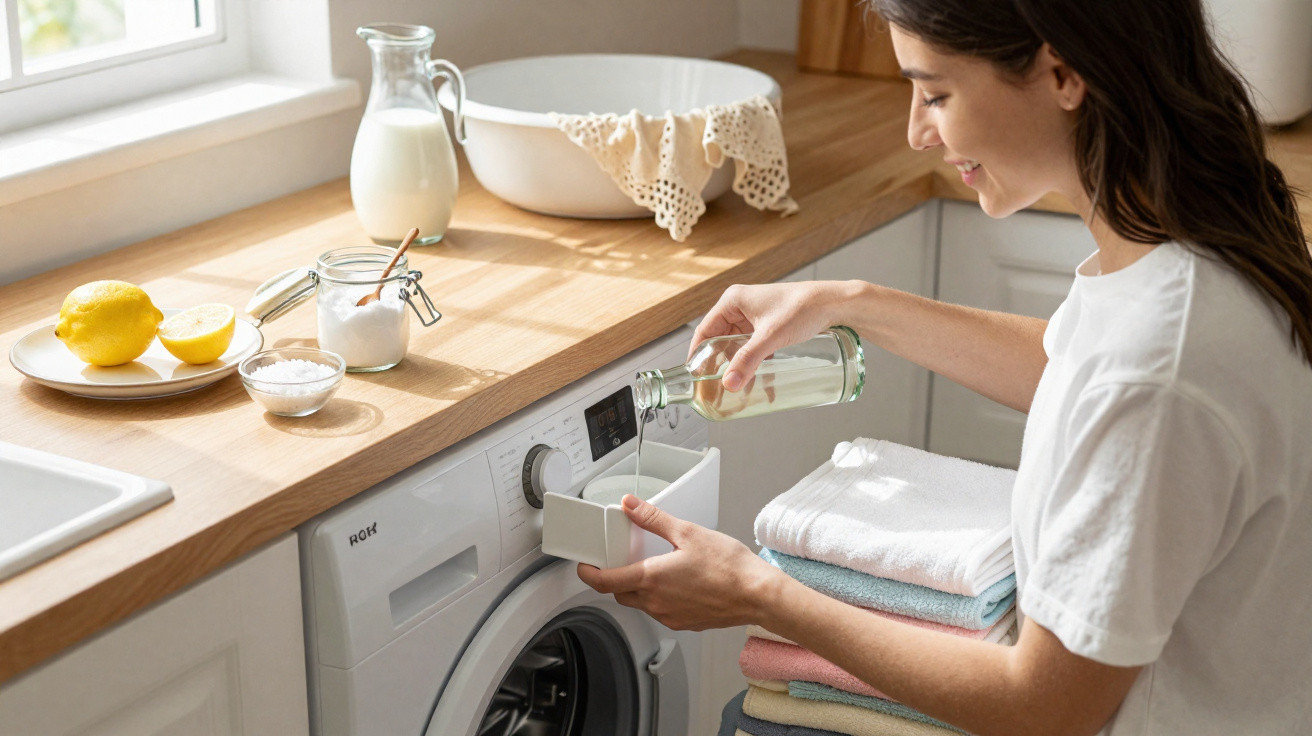
To keep the washing machine in good condition, clean the product compartment, avoid filling beyond the indicated line and do not mix fabric conditioner with concentrated detergent. This keeps clothes comfortable when needed without affecting absorbency, performance or the wash.




Comments
No comments yet. Be the first to comment!
Leave a Comment