
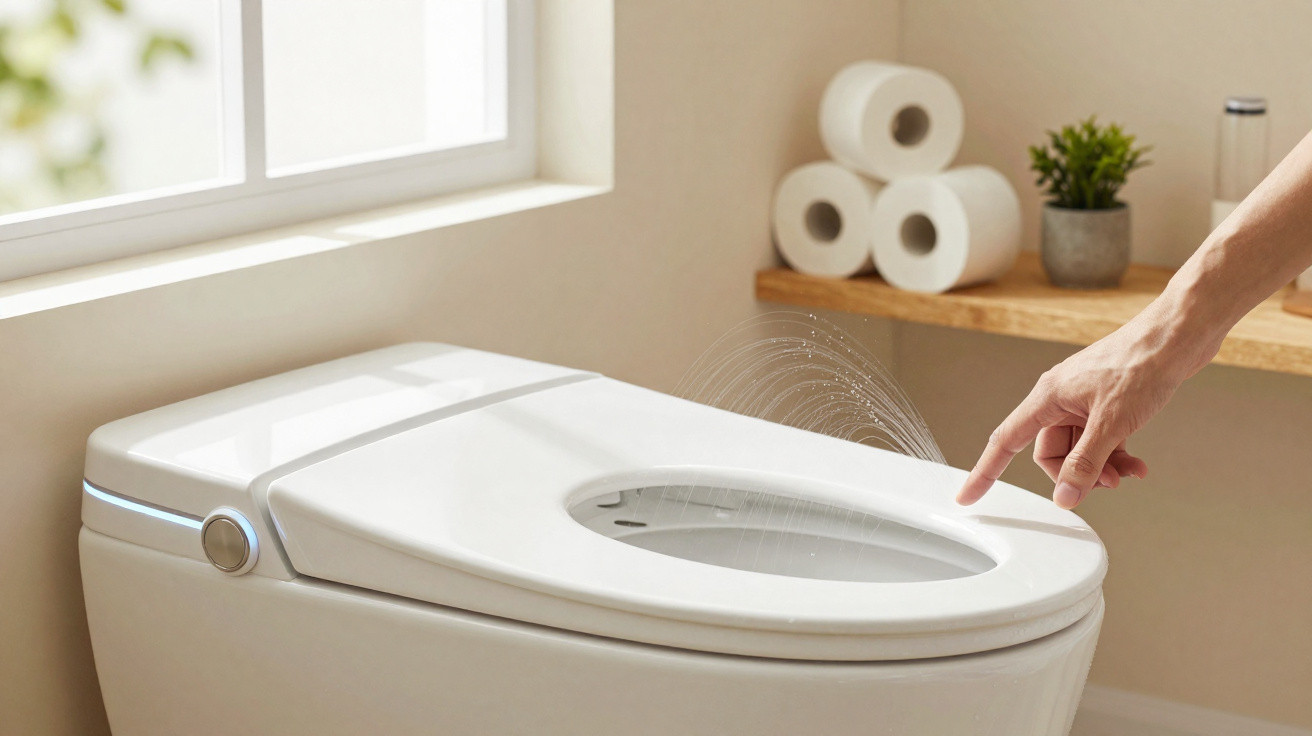
Toilet paper is starting to share bathroom space with smart toilets, attached bidet showers and washlet-style seats - systems that use a jet of water for intimate hygiene. The idea is to cut down on paper use, improve cleanliness and make the bathroom feel more convenient, although switching depends on installation requirements, upfront cost and how easily people adapt.
What is replacing toilet paper in bathrooms?
The shift expected over the next few years is towards water-washing equipment, widely used in Japan and increasingly common across Europe. These options range from a complete smart toilet, to an electronic seat fitted onto an existing pan, to a simpler attached bidet shower.
More advanced models typically include adjustable water pressure, temperature control, warm-air drying, a heated seat and automatic nozzle cleaning. Basic versions focus on the essentials: replacing some toilet paper use with water, with a more affordable and straightforward installation.
Why is cleaning with water seen as more hygienic?
Water clears residue more directly than dry wiping with paper. This can help reduce irritation - particularly for people with sensitive skin, haemorrhoids, post-operative needs or limited mobility.
- A water jet reduces the repeated rubbing that comes with toilet paper.
- Cleaning is usually more thorough when the pressure is properly adjusted.
- Seats with a drying function further reduce reliance on paper.
- Models with a retractable nozzle still need regular cleaning to maintain hygiene.
How can this change be more economical?
Initial costs vary a lot. A full smart toilet costs more than a simple bidet shower or an adaptable seat, but savings can show up over time through reduced toilet paper consumption.
The maths depends on household size, how often the bathroom is used and the price of toilet paper. In larger families, using fewer rolls can affect the budget sooner; in single-person homes, the financial payback is usually slower.
What should you consider before installing one of these systems?
Before swapping paper for water, it is important to check the bathroom’s existing setup. Some models need a nearby water feed, an earthed power socket, enough side clearance around the pan and suitable water pressure.
- Washlet seat: must fit the shape of the pan and, in many cases, requires electricity.
- Attached bidet shower: usually simpler, but depends on safe, properly fitted plumbing.
- Full smart toilet: offers more features, but needs a bigger investment and careful installation.
- Small bathrooms: call for compact solutions so they do not get in the way of movement and cleaning.
The switch makes sense when it combines hygiene, maintenance and real-world use
Toilet paper is unlikely to disappear overnight, but it tends to lose its leading role in bathrooms that adopt water washing. The main strength of smart systems is bringing together comfort, cleanliness and reduced paper use without demanding a dramatic change in routine.
For it to work well, the choice has to suit the bathroom you already have: a safe installation, a nozzle that is easy to keep clean, comfortable water pressure and simple maintenance. The trend feels most convincing when it genuinely improves day-to-day life - not when it becomes an expensive piece of technology in a cloakroom WC.
Comments
No comments yet. Be the first to comment!
Leave a Comment