
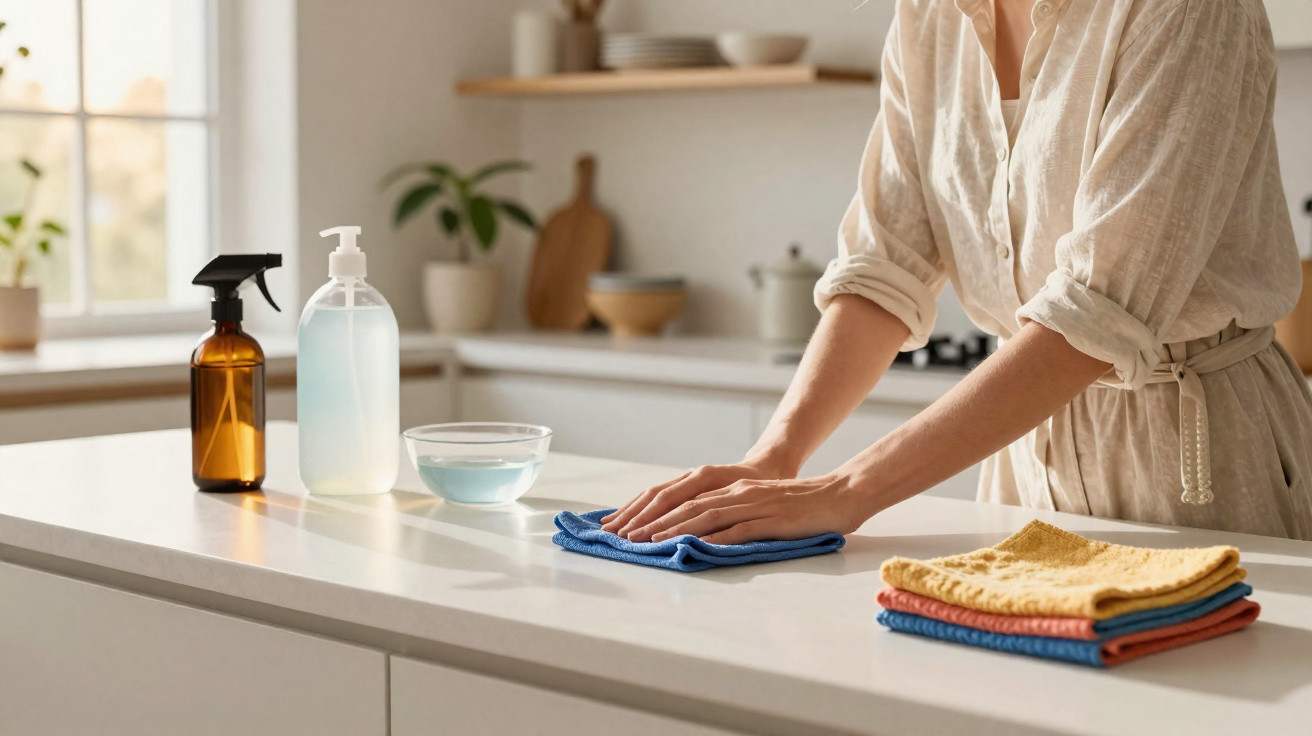
The first thing you notice is the fragrance. Lemon, pine, synthetic orange blossom - an entire “fresh” symphony trying to smother the memory of last night’s pasta and the dog’s damp paws. You rattle the trigger bottle and squeeze again and again, sending a fine mist not only onto the worktop, but also over your hands, your clothes - and even the cat, if he’s daft enough to wander through.
Five minutes later, the surface feels tacky, your throat seems a bit tight, and you can’t honestly tell whether the kitchen is any cleaner. Just glossier.
Most of us know that moment: standing in our own home and suddenly feeling as though we’re running a miniature chemical lab.
There is a calmer way to do this. Oddly, it begins by using less.
The over-cleaning trap most of us walked into
Take a stroll down a supermarket aisle and the message couldn’t be clearer: more foam, more scent, more power. Extra-strong degreaser. Ultra disinfectant. Triple-action bathroom gel that looks as if it could strip paint if it fancied. You reach for the biggest bottle - the one that vows to “kill 99.9%” of something you can’t even see.
Back at home, the reasoning continues: more product, more passes, more elbow grease. The sink gets hit with three different sprays. The floor gets a capful, then another, “just in case”. It feels like the sensible thing to do - the mark of a responsible adult.
Yet the streaks and the headaches suggest something else is going on.
A cleaning coach I spoke with told me about a client who used half a bottle of floor cleaner in a two-room flat. She felt pleased with herself. “It smells like a hotel lobby for days,” she said. The coach glanced at the foggy tiles and that greasy-looking shine, then gently asked how often she found herself cleaning again.
“Every two days,” the woman admitted. “It never feels really clean.”
And she’s far from the only one. Some European consumer tests have found that, on average, people use two to four times the recommended dose of cleaning products. It’s not that they can’t read the label - it’s that, somewhere along the line, we started believing dirt responds to enthusiasm.
Here’s the straightforward reality: dirt couldn’t care less about your enthusiasm. It shifts with contact time, the correct dilution, and a bit of mechanical action. That’s all - not the amount of blue liquid you slosh onto it.
When you drown a surface in product, a few predictable things follow. The cleaner doesn’t rinse away properly, leaving a film that grabs dust and grime more quickly. The air indoors fills with volatile compounds that can irritate lungs and skin. And your money disappears at a rate your bank manager would admire.
What’s odd is that the “more = cleaner” belief feels so normal that we almost never pause to challenge it.
The “less product, more method” way to clean
This is the quiet routine many cleaning pros rely on: dilute properly, apply once, give it time to work, then wipe thoroughly. That’s it.
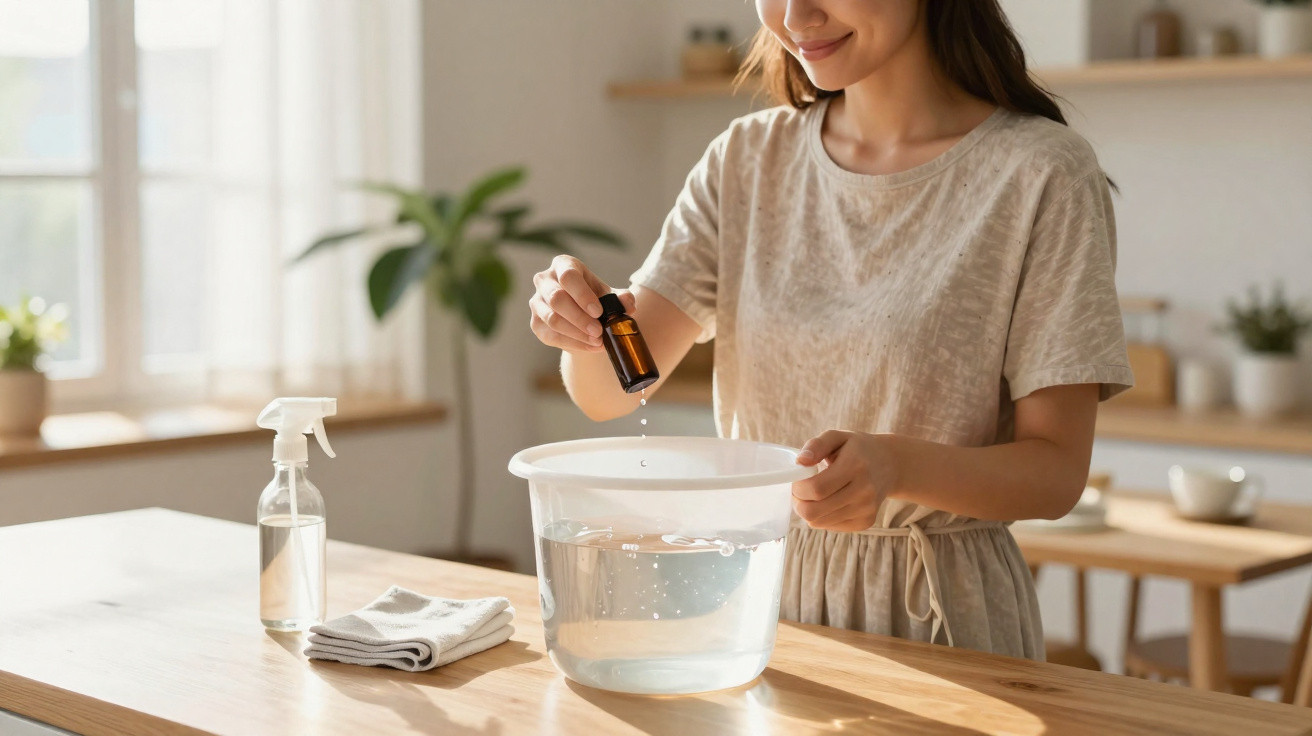
Start with one bucket of warm water and the amount of cleaner the label actually recommends. If it says one capful, use one capful - not three to “be safe”. With sprays, use a light mist so the surface is evenly damp rather than dripping. Then step away for a minute or two and let the chemistry do its job.
Return with a clean microfibre cloth folded into quarters. Wipe in overlapping passes, turning to a fresh section whenever the cloth starts to load up with dirt. Clean side, clean wipe. This one change often improves results more than tripling the product.
At first, this “less, but correct” approach can feel wrong. You may hover over the sink thinking, “There’s no way that tiny squirt can be enough.” You’ll want to add a little more, like you’re salting pasta water.
But most modern cleaners are concentrated and designed to work at a specific dilution. Push past that and you’re not boosting performance - you’re creating a stronger mix the manufacturer never tested. That’s when you get streaks, sticky floors, or shower tiles that look permanently cloudy.
If you’ve been heavy-handed with products for years, the first clean using less can feel like a reset. The glossy coating disappears. The scent becomes faint. Your head feels clearer. And cleaning stops resembling a low-grade chemical hangover.
“Once I cut my product use in half and doubled my rinsing, my bathroom actually stayed cleaner longer,” a reader told me. “Before that, I kept scrubbing the same soap scum that was basically my own cleaning residue.”
- Kitchen counters
Use one light spray per section, spread it with a damp cloth, wait 60 seconds, then buff dry using a clean part of the cloth. - Floors
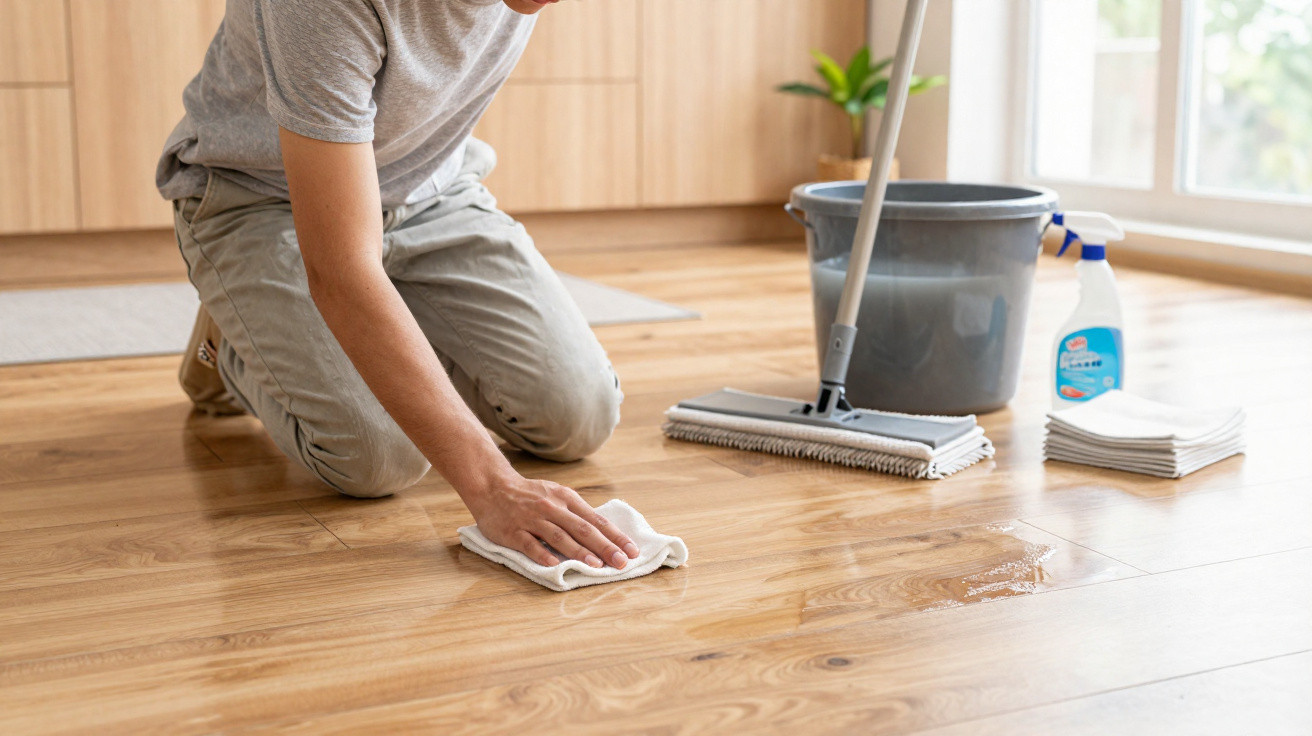
Measure the dose shown on the back of the bottle into a full bucket of warm water. Mop with a well-wrung mop, and every few cleans do one pass with plain water. - Bathroom surfaces
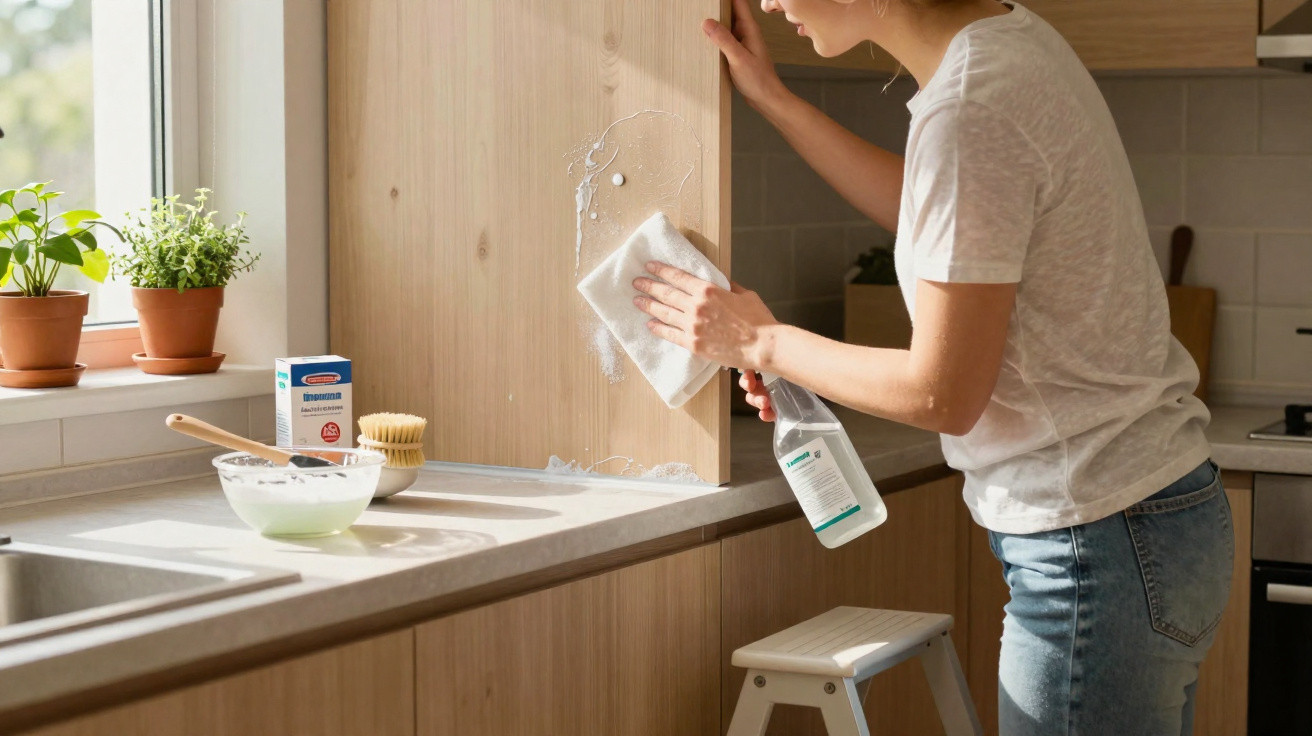
Spray, leave for 2–3 minutes, then wipe with a microfibre cloth. For limescale, repeat the cycle rather than flooding the area with more product. - Glass and mirrors
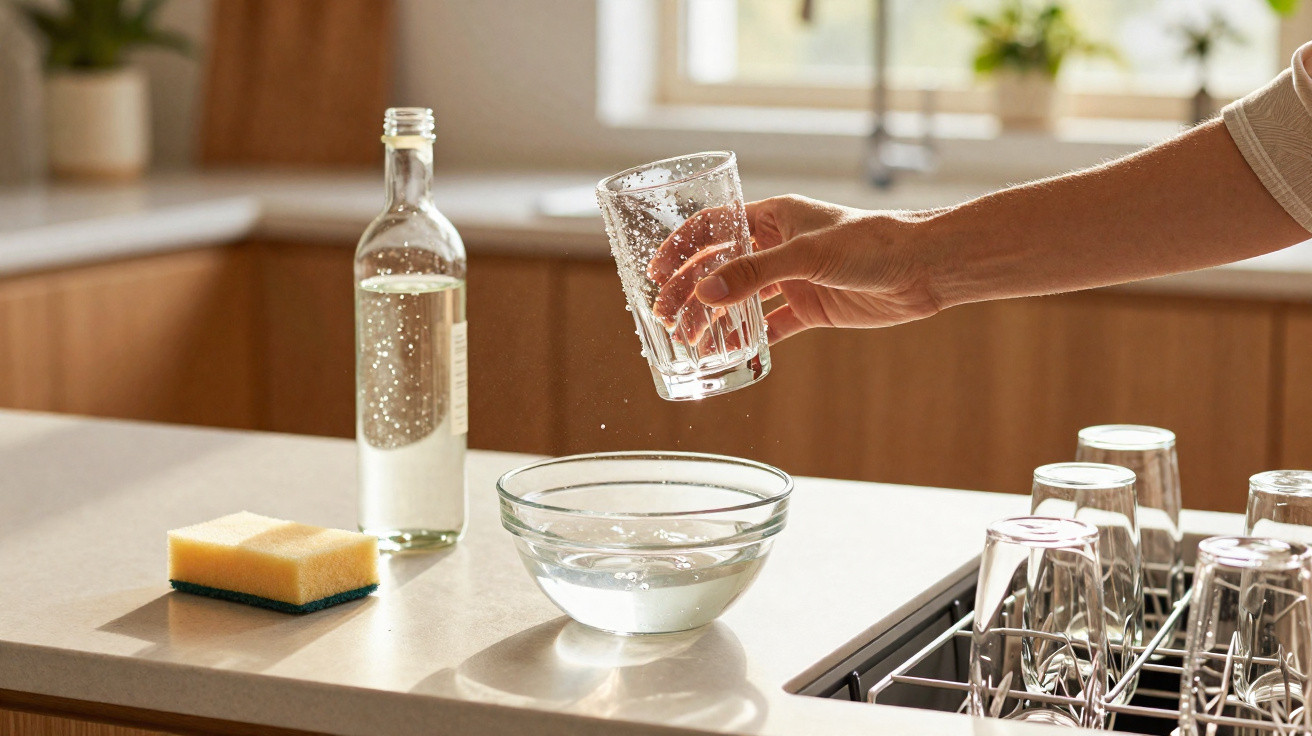
A barely damp cloth followed by a dry one beats half a bottle of glass cleaner. Two passes, small circular movements. - Laundry
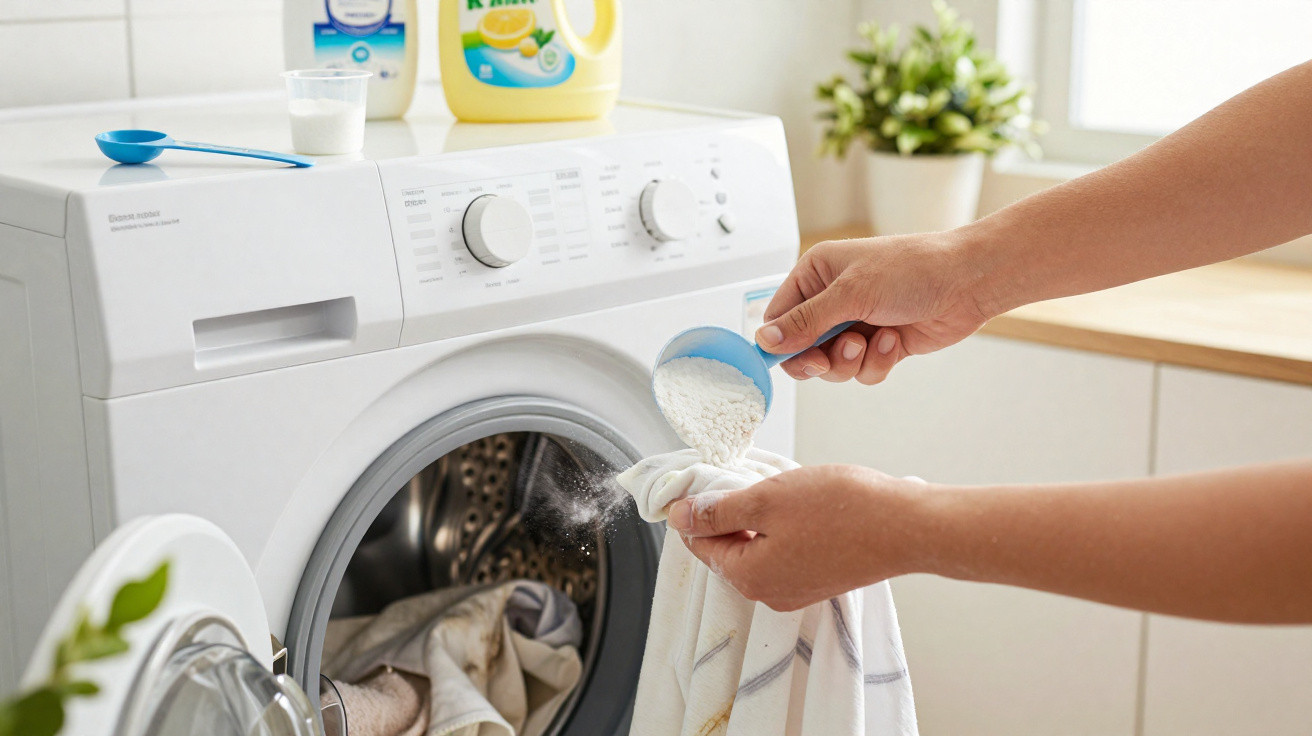
Stick to the lower end of the detergent dosing range unless clothes are genuinely filthy. Modern machines need space and water, not mountains of suds.
Living lighter with “just enough clean”
Once you move towards cleaning “less, but with intention”, something else shifts quietly in the background. Your home stops smelling like a perfume counter and starts smelling like… nothing much. Just air. You get cupboard space back where oversized plastic jugs used to sit. Your shopping list shrinks.
You may find your skin grumbles less after tackling the shower. Perhaps your partner coughs less when you mop. The dog stops sliding over a film of product on the kitchen tiles. Small changes, but together they create a home that feels less harsh and more liveable.
This isn’t about becoming the person who decants everything into glass bottles and makes detergents from scratch. Be realistic: hardly anyone keeps that up every single day. It’s about choosing one part of your routine and asking a simple question: could I use half as much and get twice the result by changing the method instead of the dose?
Often, the answer is yes. And once you notice it on your worktops and floors, you start noticing it elsewhere too - the number of clothes you keep, the apps on your phone, the noise in your head at the end of a long day. Less isn’t a trend; it’s a skill we’ve let slip.
| Key point | Detail | Value for the reader |
|---|---|---|
| Use correct dilution | Use the dose the product recommends rather than adding extra “by eye” | Cleaner surfaces, fewer streaks, and products that last longer |
| Let products sit | Leave sprays for 1–3 minutes of contact time before wiping | Less scrubbing and better hygiene with less product |
| Rinse and wipe properly | Use clean microfibres, rotate to fresh sides, and occasionally rinse with plain water | Removes residue that attracts new dirt and helps indoor air quality |
FAQ:
- Question 1: Am I putting my health at risk if I stop over-disinfecting everything?
- Question 2: How do I know if I’m using too much product on my floors?
- Question 3: Can I mix different cleaning products to “boost” their power?
- Question 4: Is using less product really better for allergies and sensitive skin?
- Question 5: What’s one small change I can try this week to test this method?
Comments
No comments yet. Be the first to comment!
Leave a Comment