

Something that looks harmless can turn into a genuine health hazard.
In many homes it is the same familiar scene: droplets on the windows, misted-up panes, and sometimes even black marks in the corners. This everyday annoyance is more than just a cosmetic issue. If you do not get moisture under control, you invite mould, stale air and, over time, damage to the building fabric. The good news is that a few straightforward rules can cut the problem significantly.
Why water collects on windows
At its heart, this is simply physics. Warm air can hold more water vapour than cold air. Indoors, moisture is produced constantly: from breathing and sweating, cooking and showering, drying laundry, and even from houseplants.
When that warm, moisture-laden indoor air hits a cold surface such as a window pane, it cools rapidly at the glass. The air can no longer retain all the vapour, and droplets form.
"The colder the window surface and the more humid the indoor air, the heavier the condensation – and the greater the risk of mould."
If this water repeatedly sits on frames, seals or window reveals, it soaks into materials. Timber swells, silicone becomes brittle, wallpaper lifts, and mould spores find ideal conditions.
Ventilation and heating done properly: the basis for preventing window condensation
The most important measure is consistent ventilation, especially in the colder months. Many people avoid opening windows because they worry about heating costs, but the opposite often happens: damp air makes rooms feel colder, and heat energy is wasted.
Short, intense airing instead of leaving windows on the latch
- Open windows wide two to three times a day for 10–15 minutes
- Create a through-draught where possible (open windows on opposite sides)
- Use the tilted setting only briefly, not for hours
With short, intensive airing, stale humid air is replaced quickly while walls and furniture barely cool down. That lowers humidity noticeably without chilling the flat.
Do not let the temperature drop too far
Very low room temperatures may sound economical, but they usually worsen moisture issues. When a room cools down substantially, the surface temperature of windows and external walls drops as well, so condensation forms more easily.
As a guide:
| Room | Recommended temperature |
|---|---|
| Living room | 20–21 °C |
| Home office | 19–21 °C |
| Bedroom | 16–18 °C |
| Bathroom | 21–23 °C |
More important than turning the thermostat down by 1 degree is keeping an even, moderate baseline. Constantly turning the heating up and down often allows surfaces to cool, which encourages moisture to settle.
Bedroom: the hidden humidity hotspot
Overnight, two people breathe several litres of water into the air. At the same time, in many homes the bedroom heating is turned very low or off completely. The result is steamed-up panes in the morning.
These measures work particularly well in the sleeping area
- Do not switch the radiator off entirely; set it low but keep it steady
- Air the room for 10–15 minutes with the window wide open straight after getting up
- Avoid pushing beds right against cold external walls; leave a small gap
- Do not dry laundry in the bedroom – it drives humidity up
"Drying laundry in the bedroom can generate as much moisture in a few hours as you would normally produce in a whole day."
If you still notice wet frames or water pooling on the sill despite these steps, it is worth checking the humidity level. A basic hygrometer will show how serious it is. Ideally, relative humidity in living spaces sits between 40 and 60 per cent.
Kitchen: get steam and odours out on purpose
Cooking, boiling water and opening the dishwasher make the kitchen a top moisture source. Without countermeasures, steam hangs in the air and later deposits on cooler surfaces.
How to reduce moisture noticeably while cooking
- Keep lids on pans whenever you can
- Use the extractor hood actively – and clean or replace filters regularly
- Open the window wide during and after cooking
- Shut the kitchen door so steam does not drift into the hall and living room
If you have a recirculating hood, it can reduce grease and smells but does little for humidity. In that case, ventilation becomes even more important. After long cooking sessions (for example with pasta water or a big soup pot), make a point of exchanging the air.
Bathroom: create dry air quickly after showering
Warm water, lots of steam and limited space mean bathrooms react particularly fast. If humidity lingers after a shower, mould tends to appear first in grout lines, behind furniture or on the ceiling.
Tips for a drier bathroom
- Open the window fully straight after showering, not just on the tilt
- If fitted, run the fan until the mirror no longer fogs up
- Close the shower curtain or door properly so steam does not spread everywhere
- Use a squeegee to roughly dry wet tiles and shower screens
- Only open the door again once some moisture has escaped – otherwise it spreads into the hall and bedroom
"If you ventilate briefly but intensively after every shower, you drastically reduce the risk of mould in the bathroom."
If airing is not enough: using dehumidifiers correctly
In older properties with poor insulation, or in ground-floor flats close to basements or soil, humidity can remain high even with good ventilation habits. In those situations, a technical helper often makes the difference: a dehumidifier.
The types available
- Electric dehumidifiers: use a compressor or Peltier technology, collect water in a tank, and are particularly effective in persistently damp rooms.
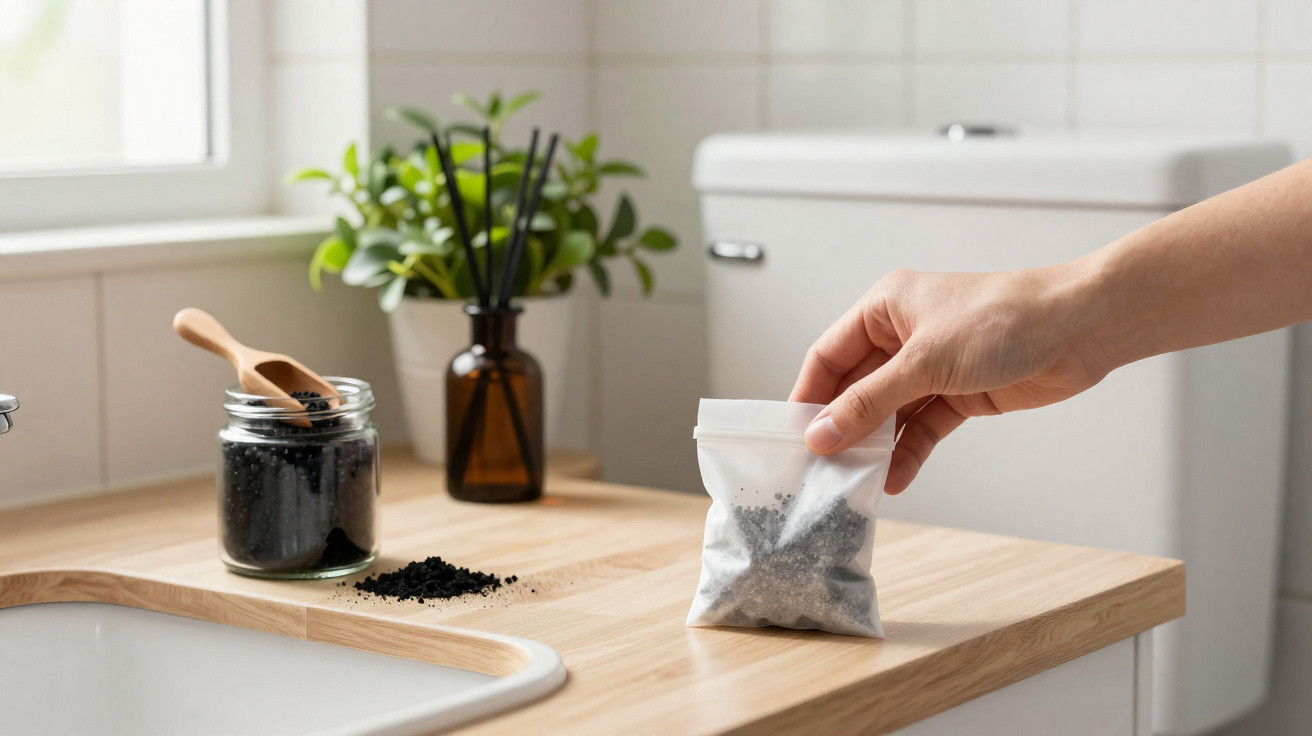
- Moisture absorber granules: small boxes with salt granules, suitable for wardrobes, storage cupboards or rarely used rooms.
Place units where humidity is highest, for instance in a corner near an external wall or close to windows. Checking a hygrometer helps you judge whether it is worthwhile. If the reading settles long term in the ideal range, condensation usually disappears.
Protecting windows: small aids with a big effect
Alongside ventilation, heating and dehumidifying, there are practical add-ons that mainly protect frames and glass.
Protective films and anti-fog products
- Special coated films that stick to the pane and help keep the surface warmer
- Anti-fog sprays that leave a thin film on the glass and reduce droplet formation
- Properly adjusted seals so the pane does not cool unnecessarily
These options do not replace a ventilation routine, but they can ease pressure on problem areas – for example with very old single glazing or on north-facing sides that rarely see sun.
Assessing mould risk: when it becomes critical
Persistently wet frames, a musty smell or the first black spots in corners are warning signs. Mould spores can irritate airways, worsen asthma and trigger allergies. Children, older people and anyone with pre-existing conditions often react particularly strongly.
As soon as you see discolouration, act quickly:
- Wipe up condensation daily with a cloth rather than letting it evaporate
- Clean affected areas and, if needed, treat them with suitable specialist products
- Identify the cause: indoor air too humid, structural cold bridges, failed seals?
Over the longer term, replacing windows may also be worth considering. Modern insulating glazing greatly reduces temperature differences and therefore reduces condensation.
Why humidity and temperature belong together
Many people focus only on the thermostat. Humidity matters just as much. The warmer the air, the more water it can carry invisibly. When that air cools, it releases moisture onto surfaces – which is exactly where the visible problem appears.
A simple device that measures temperature and humidity is inexpensive and provides useful clues. For example, it can reveal that after cooking the living-room reading suddenly jumps because the kitchen door was left open. Or that a lightly heated spare room regularly sits well above 60 per cent humidity.
If you understand this relationship, you can adjust ventilation and heating habits with purpose – and stop misted-up windows from becoming a serious health and building-fabric risk.



Comments
No comments yet. Be the first to comment!
Leave a Comment