
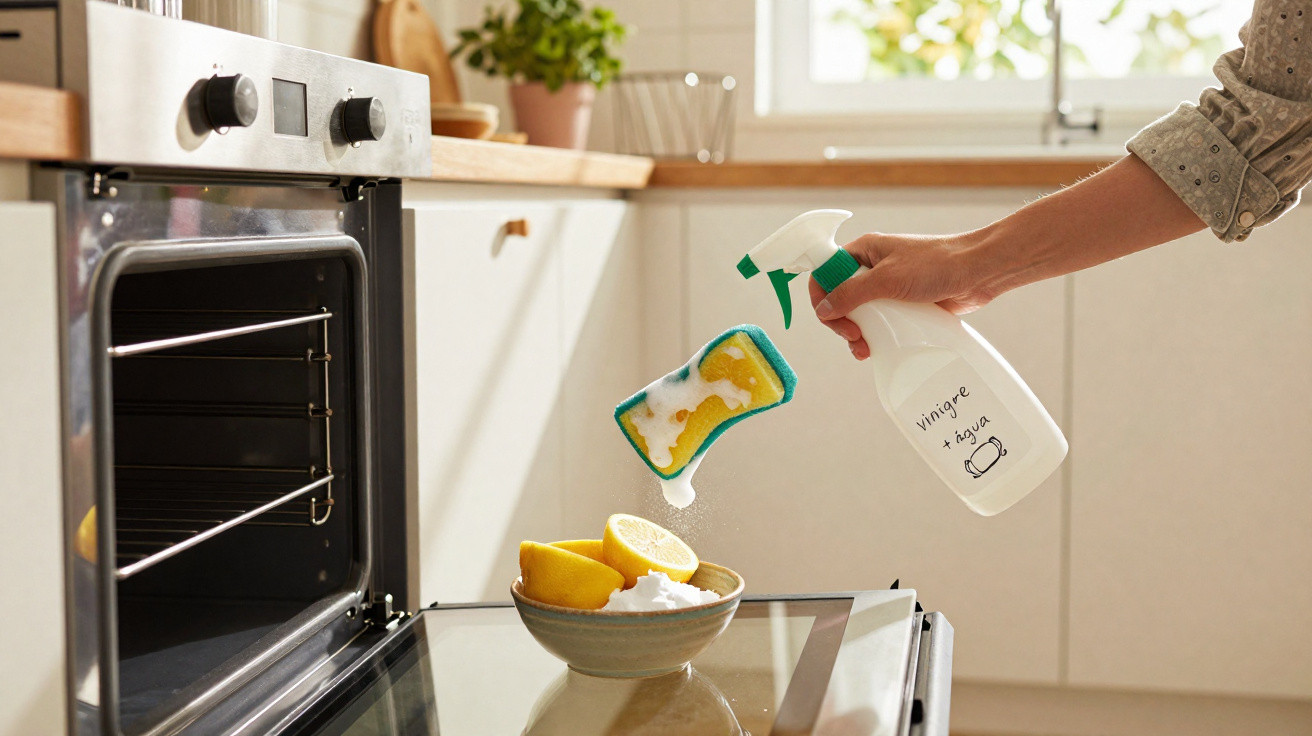
A domestic oven sits at the heart of many kitchens, and that is exactly why it quickly collects grease, food splashes and baked-on stains. Once this build-up is repeatedly exposed to high temperatures, it can produce smoke, affect the aroma of what you are cooking and, over time, even interfere with the appliance’s performance. It may also worsen the kitchen’s air quality, particularly in spaces with limited ventilation.
Why should oven cleaning be done regularly?
Keeping on top of oven cleaning is a preventative measure: grime that accumulates can make cooking more difficult and may shorten the oven’s lifespan. As a rule of thumb, a thorough clean is recommended at least twice a year, with the timing adjusted to match how often the oven is used.
Between these deeper cleans, a few small actions after each roast or bake help stop grease from building up. Wiping the inside while it is still warm, preventing spills from overflowing and choosing suitable baking trays all make the job faster and less tiring, and help avoid hard, stubborn crusts forming.
Watch a video on the Chef Taico YouTube channel about how to correctly clean cookers and metal racks after use, keeping the burners clear and shining:
https://www.youtube.com/watch?v=uK8n_b_2jxE
How to clean the oven using natural methods?
If you prefer gentler products, cleaning the oven with natural ingredients can be an affordable, less harsh alternative. Items such as salt, lemon and bicarbonate of soda can help cut through grease, neutralise odours and loosen hardened residue without relying on stronger chemical cleaners.
A practical approach is to spread a paste made from bicarbonate of soda and water over greasy interior areas, leave it to work for a few hours, then scrub with a damp sponge. Lemon can also be heated in a dish of water inside the oven on a low setting; as it warms, it releases steam that softens grease and reduces lingering smells from strongly scented foods.
- Salt and water: best for recent mess or light marks.
- Lemon: helps lift grease and reduce odours.
- Bicarbonate of soda: effective against tougher, baked-on build-up.
How to clean oven racks and trays in a practical way?
Oven racks and baking trays often require extra patience, as they take the direct splatter from sauces and loose pieces of food. Ideally, remove them from the oven and soak them in warm water with mild washing-up liquid to soften the grease before any heavier scrubbing.
If the pieces are heavily scorched, applying bicarbonate of soda along with hot water over the affected areas and leaving it for a few hours is an effective option. This reduces the effort needed when using a non-abrasive sponge and lowers the chance of damaging the surface-especially on non-stick trays.
- Remove the racks and trays from the oven and clear away any loose debris.
- Soak in warm water with washing-up liquid for at least 30 minutes.
- Apply bicarbonate of soda to burnt areas and leave it to work.
- Scrub with a soft sponge until the dirt lifts away.
- Rinse thoroughly and dry before placing them back in the oven.
What habits help keep the oven clean for longer?
A few straightforward habits can extend the time between deep cleans and make oven care feel like a normal part of home routines. Lining the bottom with a suitable tray to catch drips, and taking dishes out carefully to avoid splashes, both help prevent carbonised mess.
After cooking foods with strong aromas-such as fish or heavily seasoned roasts-you can use the remaining heat by placing a container of water with lemon slices inside the oven. This creates steam and helps neutralise odours. Combined with regular cleaning and natural methods, these habits help keep the oven more efficient, safer and more pleasant to use day to day.



Comments
No comments yet. Be the first to comment!
Leave a Comment