
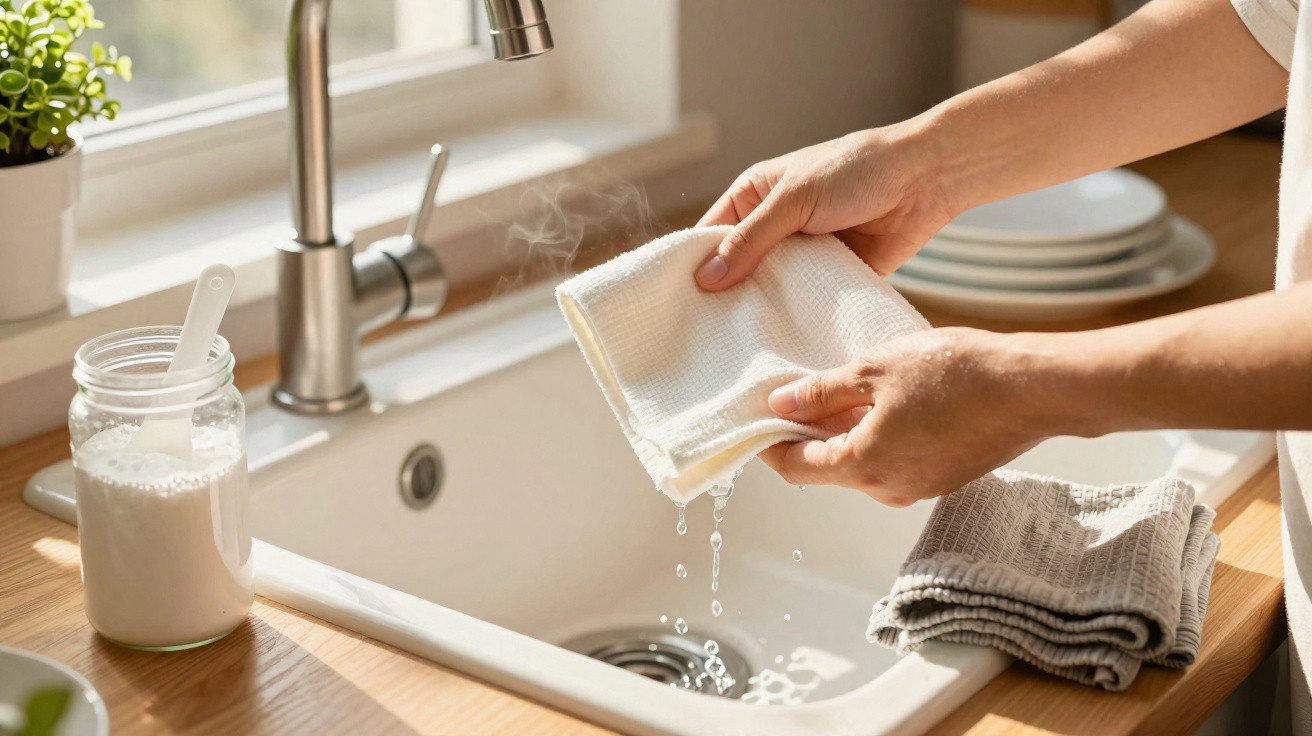
An unremarkable powder from the cleaning cupboard can restore them to a surprisingly brilliant white.
Many households will recognise the problem: after months of constant use, white tea towels look more dirty grey than hygienic. Even with heavy-duty detergent, laundry sanitiser and chlorine bleach, greasy residue, stains and a faint rancid smell can remain. This is where a product that often sits unused in the cupboard comes in – one that proves to be a far smarter everyday helper than conventional bleach.
Why tea towels become grey, stiff and musty
Tea towels are the kitchen's workhorses. They deal with everything that crops up day to day: grease spatters from frying pans, tomato sauce, coffee, tea, red wine and sometimes even the floor beneath the kitchen table. All of these residues can become deeply embedded in the cotton fibres.
At the same time, hard tap water contains limescale, which coats the fibres like a layer. Over time, detergent residue, grease and limescale combine to form a sort of grey film. The towel then feels dull, less absorbent and slightly sticky.
This grey film is not an “ageing problem” of the fabric, but usually a mixture of grease, limescale, colourants and bacterial residue.
Many people turn to two typical quick fixes:
- Wash at even higher temperatures, hoping that 90°C will “boil away” everything.
- Use bleach generously to make the towel appear brighter again.
Both approaches can create a short-term impression of cleanliness, but neither does much to resolve the underlying issue. Extremely high temperatures can effectively bake certain stains into the fabric, much like dyeing it. Bleach may brighten the material, but it also attacks the fibres, makes the fabric stiff and can gradually turn cotton yellowish. It only partly improves the smell because greasy deposits do not disappear completely.
The underrated powder: what washing soda with active oxygen can do
The real game changer for grey tea towels is sodium percarbonate – often simply known as “activated soda” or “oxygen-based bleach”. It looks unremarkable: a white, slightly coarse powder that is frequently mistaken for bicarbonate of soda, although it works differently.
When the powder comes into contact with sufficiently hot water, several chemical processes take place:
- Soda crystals are produced, helping to dissolve grease and loosen dirt.
- Hydrogen peroxide forms at the same time, releasing what is known as active oxygen.
- This oxygen breaks down many organic discolourations, including coffee, tea and wine stains.
The reaction becomes effective at around 40°C and works particularly powerfully at approximately 60°C – precisely the temperature range at which robust cotton or linen towels can generally be washed.
The major benefit: the towels not only look brighter, but become deeply clean and noticeably less odorous – without the typical side effects of bleach, such as yellowing and fibre damage.
Ultimately, the product breaks down into water, oxygen and soda. For this reason, many households prefer it when they want to clean in a way that is as gentle on materials and comparatively environmentally friendly as possible. Important: it is unsuitable for wool, silk and very delicately dyed textiles.
Restoring white tea towels: a step-by-step method
The key to its effectiveness is not adding it straight to the washing machine, but using a prepared soaking bath. This sounds more complicated than it is – after using it two or three times, the process becomes almost automatic.
Preparing the soaking bath correctly
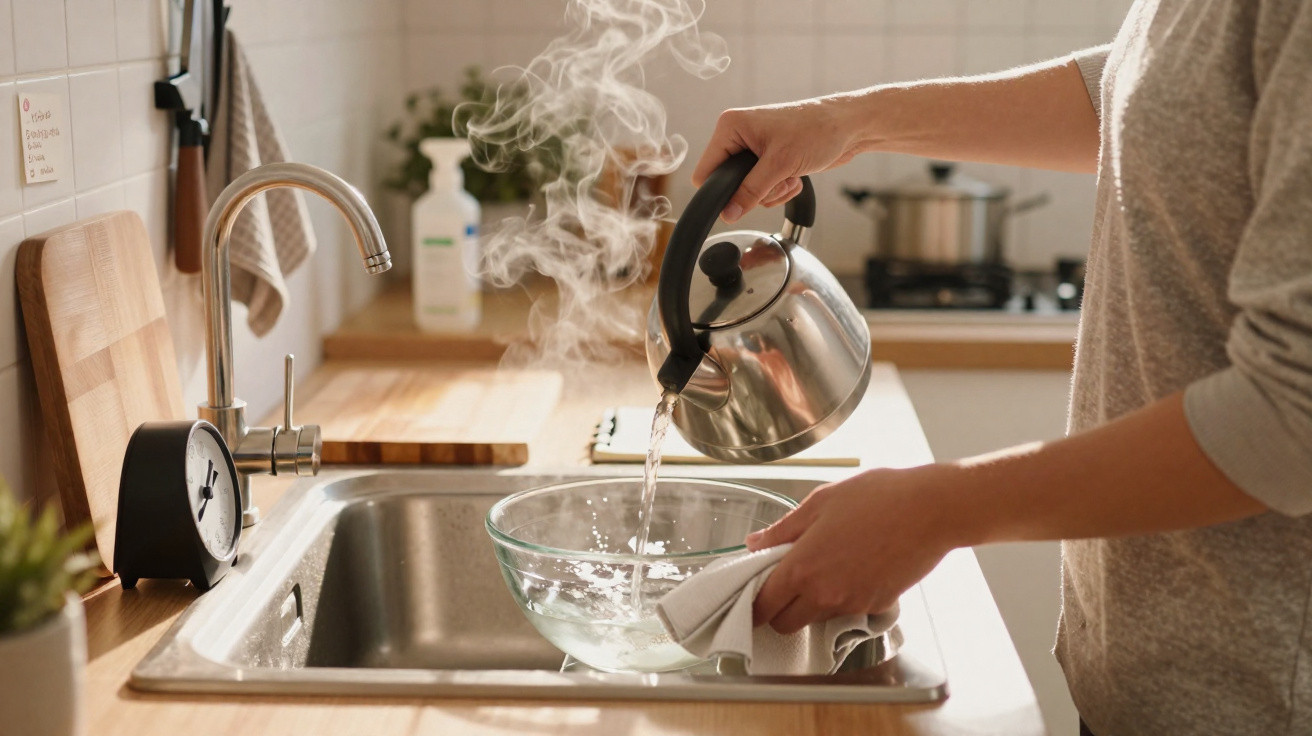
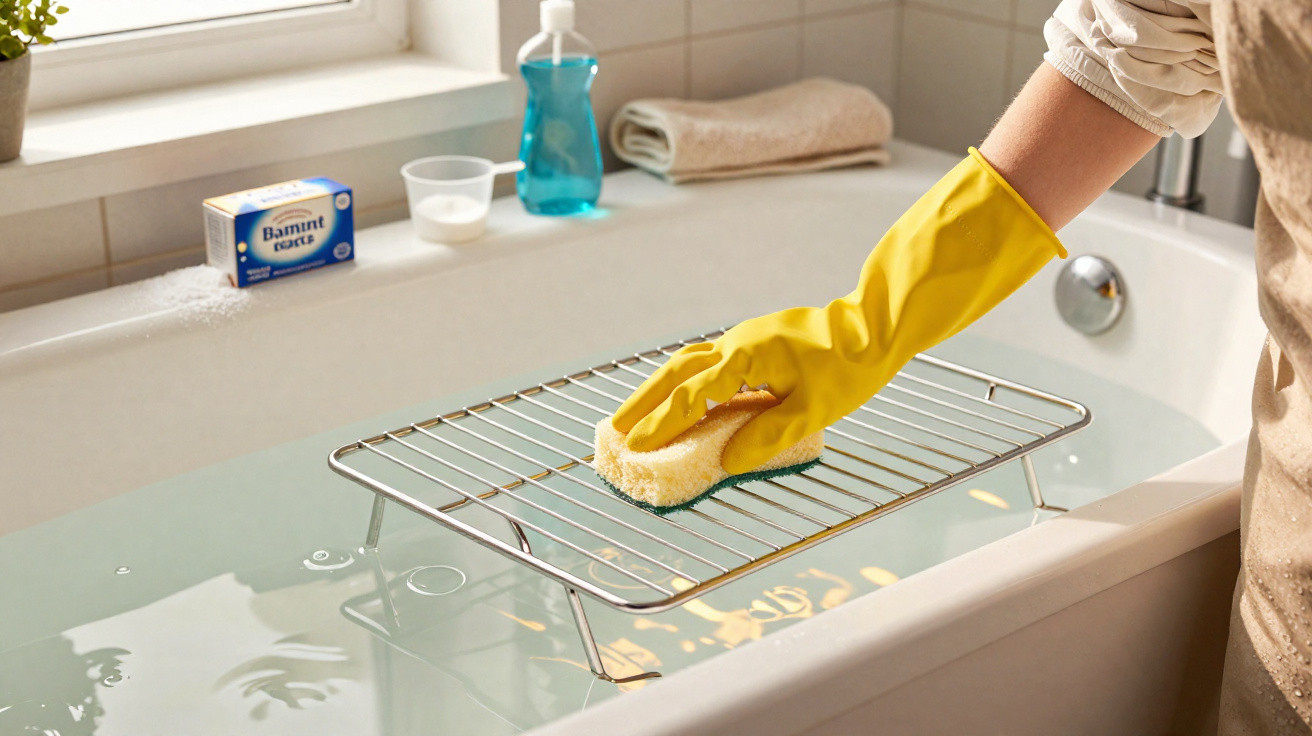
- Fill a heatproof bowl or tub with the hottest water possible – at least 40°C, preferably close to 60°C.
- Stir in around one to two tablespoons of the powder per litre of water until it has dispersed.
- Briefly rub fresh individual stains with traditional soap or ordinary household soap under lukewarm water first.
- Place the tea towels fully into the bath so that no part remains dry.
- Leave them to soak for at least two hours; for heavily greyed towels, up to six hours or overnight is suitable.
When pouring away the water, it often appears grey and cloudy – a clear sign that dirt and grease have been released. The towels can then go into the washing machine as usual, ideally at 40 to 60°C but without fabric conditioner. Fresh air is ideal for drying, particularly in direct sunlight, as UV light supports the brightening effect.
Common mistakes that reduce the effect
To allow the powder to work at full strength, it is worth avoiding these frequent pitfalls:
- Water that is too cold: Below 40°C, the reaction nearly stops, so the powder works only very weakly.
- Incorrect combinations: Do not mix it with vinegar or lemon juice in closed containers, as the reaction produces gas.
- Pouring it directly into the drum: In a short cold or eco programme, the powder rarely dissolves fully; a separate bath is often far more effective.
- No hand protection: The granules can irritate skin and mucous membranes, so thin household gloves are advisable.
How often is a “freshening soak” worthwhile?
In busy kitchens where towels are used every day, it is usually enough to include this intensive bath every few weeks. Anyone mainly drying light, delicate surfaces and allowing towels to dry quickly will need this deep-cleaning treatment less often.
In general, a few simple habits help to keep the grey film away for as long as possible:
- Replace tea towels at least every one to two days.
- Do not leave them permanently scrunched up; hang them up to dry instead.
- Wash at 60°C where possible, provided the care label allows it.
- Avoid fabric conditioner – it coats the fibres and reduces absorbency.
What causes the smell, bacteria and “greasy” feel
The unpleasant smell of many kitchen towels comes from bacteria, which thrive in damp surroundings. Towels pushed wet into a laundry basket or left to dry only halfway for days provide ideal conditions for them.
The combination of residual moisture, grease and food remnants acts as a breeding ground. Even when detergent fragrances mask the odour, it quickly returns as soon as the towel becomes damp again. Oxygen bleach penetrates further into the fibres and reduces these organic deposits more effectively than fragrance-only or hygiene sprays.
Anyone who uses regular active-oxygen soaking baths often notices simply by touch that the towels feel “cleanly grippy” again rather than greasy.
When active oxygen is particularly useful – and when to hold back
Especially in households with lots of cooking, children or pets, stubborn stains quickly build up on textiles. This powder shows its strengths not only on tea towels, but also on:
- white fabric napkins
- cotton oven gloves
- pot holders without delicate coatings
- light-coloured cotton aprons
As soon as wool, silk or delicate viscose textiles are involved, care instructions should be followed strictly and, if in doubt, the product should not be used. Coloured laundry with unstable dyes can also fade if left in this type of bath for too long.
Why using active oxygen pays off in the long term
Those who consistently pre-treat with oxygen bleach rather than regularly using chlorine products often save not only on replacement towels, but also extend the life of those already in use. The fibres remain more supple, tear less quickly and do not yellow as noticeably.
There is also this: the psychological effect of a genuinely white, clean kitchen towel is greater in everyday life than many people realise. In a kitchen where textiles look hygienic, people handle food more comfortably and reach for disposable paper less often. In small ways, this creates a routine that both prevents waste and protects the cleaning budget.
Comments
No comments yet. Be the first to comment!
Leave a Comment