
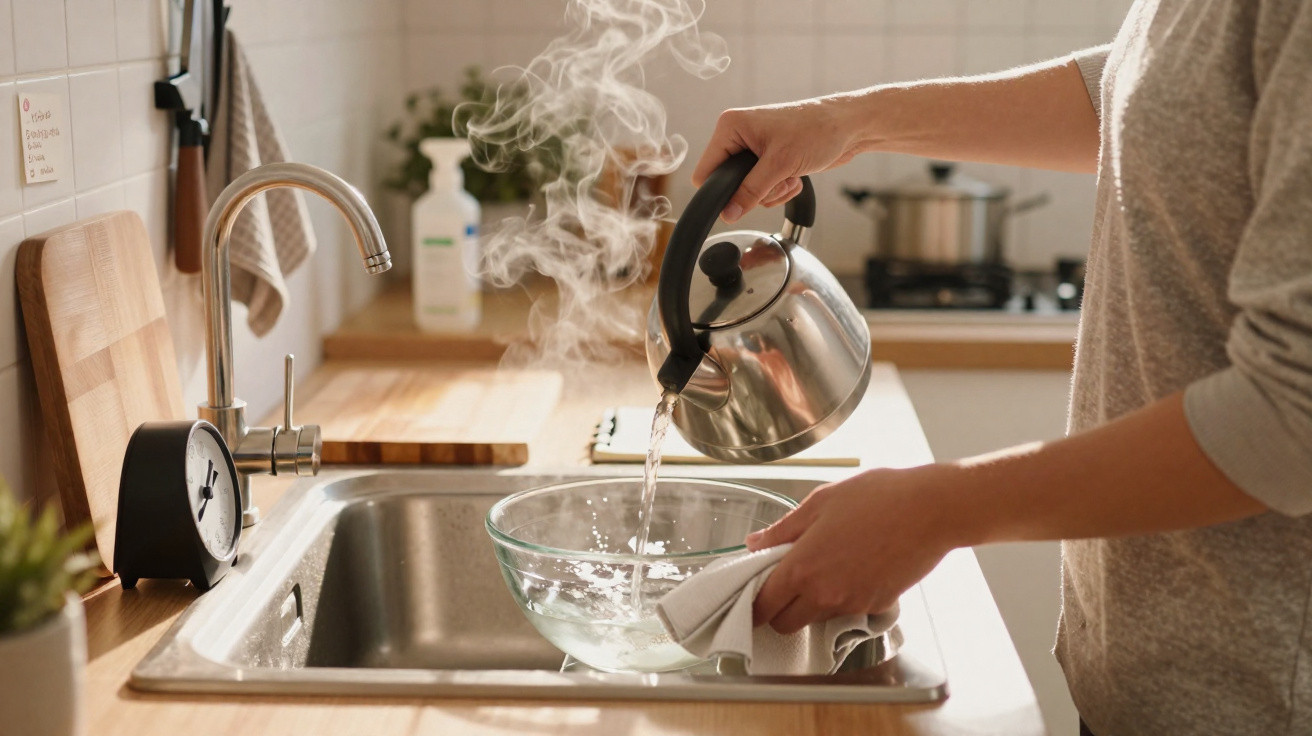
I used to spray, wipe and hunt down invisible bugs with costly bottles, only to stand back afterwards feeling strangely beaten. That was how my mother cleaned, and how her mother had done it too. Then came a winter of split hands, plus a baby who tasted everything within reach of her ankles, and I began eyeing the kettle as though it were a little dragon I could teach. Could clean simply smell of steam, fresh air, hot water and nothing more? Could the answer be a routine rather than a magic mixture? One day, it finally made sense, and I have not gone back. The schedule is plain, almost defiantly ordinary - yet it works so well that it makes you want to throw open a window and read on.
The day I traded bleach for boiling water
I never meant to become a cleaning purist. I had simply had enough of the sharp fumes, sore skin and, honestly, the expense. The kettle hissed, I tipped out the water, and the sink released a cloud of vapour that gave the room the quiet feel of a sauna. With a damp microfibre cloth, I watched yesterday’s grease loosen as though it were ashamed of itself. That small burst of heat made cleaning feel hands-on again - work for people, rather than a laboratory.
During that first week, I treated it as an experiment. Could heat, scrubbing and drying achieve what I had been leaving to bottles? I set myself a few rules: remove visible dirt from surfaces, keep them dry, use hot water regularly, use each cloth once, then wash it on a hot cycle. I attacked the bin with a brush and boiling water until it no longer smelt like a teenager’s trainers. My child continued licking the cupboard door. I did not panic, and she caught nothing except a crumb.
What “sanitised” really means at home
Sanitised does not mean sterile. A kitchen is not an operating theatre, nor should it attempt to become one. What matters is preventing the bacteria that flourish around food and moisture from getting the conditions they want. Heat reduces their numbers, while drying leaves any lingering hangers-on out in the cold. Friction - a proper scrub - lifts grease so germs have nowhere to shelter underneath.
Everyone has looked at a chopping board and wondered, did I just cut chicken on that? The answer is to follow an obvious sequence: clean to dirty, hot to cool, wet to dry. Get to know your kettle and your airing rack. Rotate cloths as you would socks. And here is the honest bit: Dry beats dirty on most days - when a surface is clean and completely dry, you have already won half the fight.
Morning: a five-minute warm start
The sink and cloths
Clear the sink of last night’s scattered teaspoons to give yourself an empty bowl. Put the kettle on while the toast is doing its thing. Tip half the kettle around the plughole and over the sink sides, leave it to steam for twenty seconds, then work it over with a firm brush. Rinse with more hot water until it looks as crisp as a newly ironed shirt. Put yesterday’s cloths in a bowl, cover them with the remaining boiled water and add a splash of cold water so they are safe to squeeze. Then wring them out and hang them on a rail with proper airflow.
There is a modest satisfaction in this, rather like making the bed. The sink is at the centre of the whole operation; once it is clean, you are much less likely to let dishes build up into a Leaning Tower situation. I leave the window slightly open - that faint click of the catch always takes me back to my nan’s house - and allow the steam to escape somewhere useful. It all takes less time than reading the news on your phone.
Worktops and handles
Soak a clean microfibre cloth in hot tap water, wring it until it is damp rather than wet, then wipe the worktops from the cleanest spot outwards. Push crumbs towards the bin instead of over the hob’s edge, where they will burn and gossip about you later. As you go, wipe handles, switches and the fridge door. Finish with another cloth that is dry, leaving everything shiny and, crucially, free from damp.
This is your first small dose of sanitising without sprays: heat and friction, completed with dryness. Touchpoints should feel smooth rather than squeaky, which is the better sort of clean. When the kettle boils again for tea, let a little steam pass over the chopping board and sink once more. It is not a big task. It is merely a warm-up.
After cooking: the 10-minute bounce-back
Hob and splash zone
While the pans are still warm, remove the obvious remains with a spatula, then place a hot, damp cloth over the hob like a compress. Leave it for one minute. Mild heat releases the bits determined to cling on, saving you from having to chip away at them later. Lift the cloth and wipe; if a mark remains, pour boiling water from the kettle onto the cloth - not straight onto the glass if it is still extremely hot - then wipe more slowly in small circles. Heat, patience and light pressure are kinder than painful elbow work every time.
For the tiles and wall behind the hob, use the same cloth after refreshing it in hot water. Dinner splatters lose all their confidence when met with a warm, well-wrung wipe, followed by a dry polish with a tea towel. If the cooker’s metal knobs are sticky, turn them beneath hot running water and dry them immediately. Their shine comes back with a quietly satisfying result that is difficult to purchase.
Boards and knives
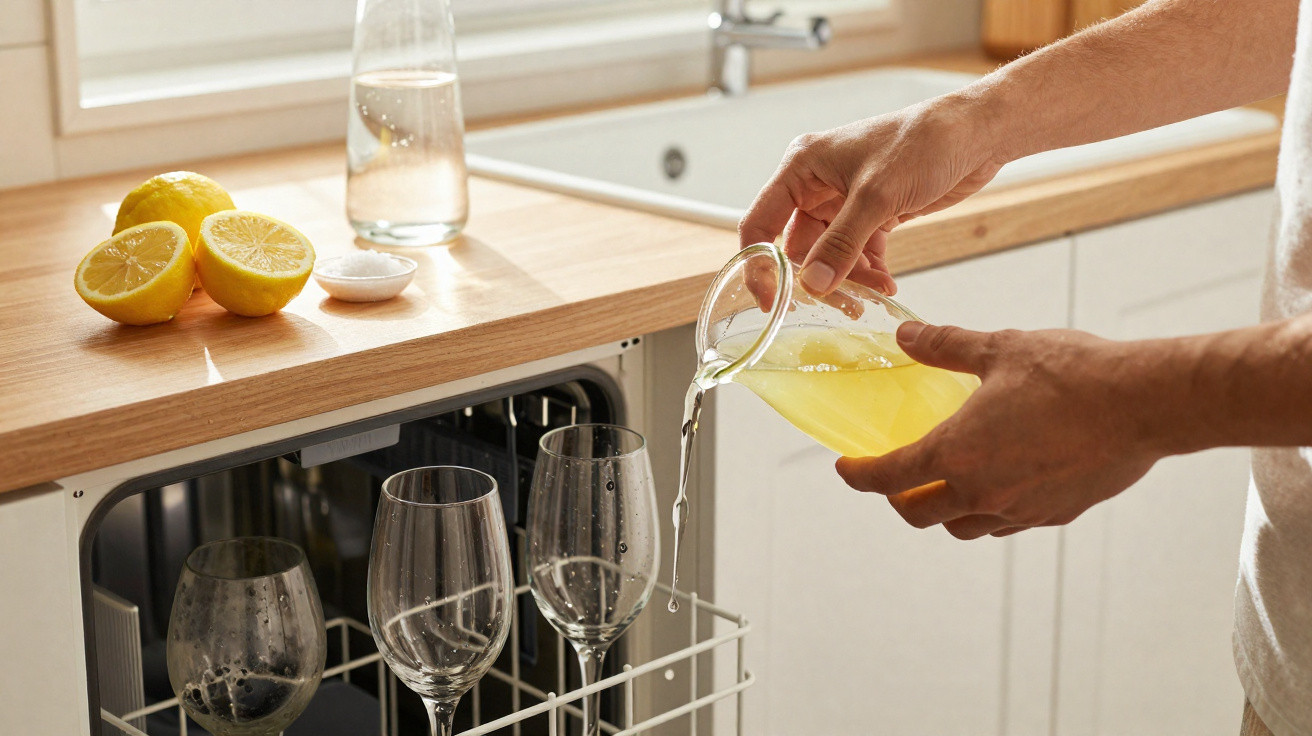
Chopping boards are where anxieties tend to settle. For wooden boards, I rinse them, scatter on coarse salt and rub with half a lemon if there is one to hand. Next comes a slow pour of boiling water, before I stand them upright to dry like books in a breezy library. Plastic boards tolerate heat more readily, so they receive a full kettle pour and a brush scrub, followed by the same upright drying method. Knives are straightforward: hot water, one pass with the soft side of a sponge, rinse, then dry at once. No soaking and no sulking.
My basic rule is that anything which touches raw food should meet heat and air before being put away. That approach reduces risk without turning the process into choreography. I still make sure raw chicken water does not splash around the kitchen - this is not a baptism - and I reserve one board for meat and another for everything else. The division makes my mind feel calmer.
Night reset: dry everything that breathes
Evening is the time to make the kitchen unwelcoming to anything hoping to multiply. That may sound dramatic, but it simply means removing moisture. Once the dishwasher has finished, I leave its door slightly open so the steam does not linger like London fog. Rather than bunching tea towels over a chair, I hang them with gaps between each one. If it has been a busy day of cooking, the sink gets one final kettle-and-brush treatment, then I leave the plug open and the draining rack empty.
This is also when I send a kettleful of boiling water down the drain. Once or twice weekly, I add a small handful of salt beforehand for a little grit and good behaviour, though on most evenings hot water by itself keeps odours at bay. Sponges sit on a rail rather than in the sink’s damp echo. I open the fridge, inspect the top shelf for anything tragic, then close it again. Ten minutes later, the lights go off and the room seems to have taken a deep breath before bed.
The weekly rhythm that prevents chaos
On Saturday mornings, I put on the radio and tackle the more substantial round. Food shelves get wiped with a warm cloth. When the fridge needs cleaning, I remove one shelf at a time rather than creating a plastic skyscraper on the floor. Shelves go beneath the hot tap, while stubborn boards get the kettle treatment, and everything air-dries on a tea towel before going back. On the middle shelf, I keep a “use first” area for dubious leftovers; by Sunday, they are either eaten or asked to leave.
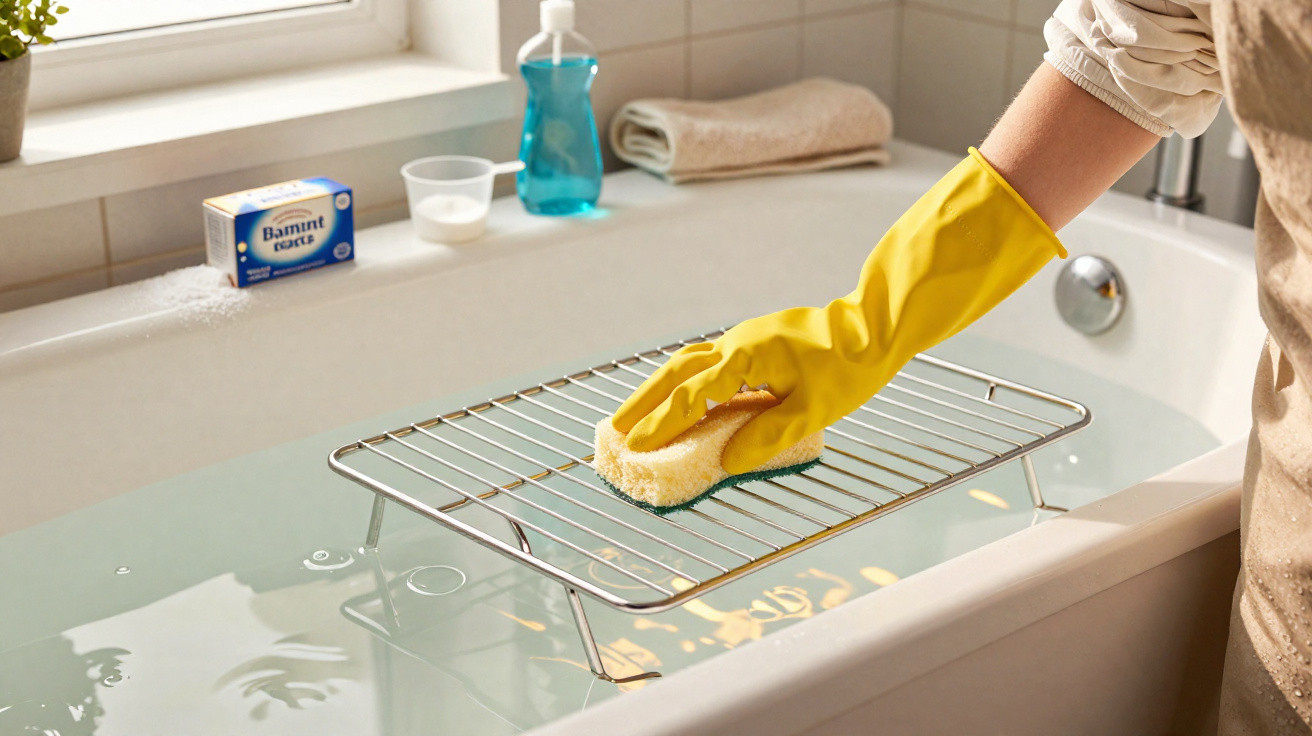
Oven doors do not respond well to drama. I place a heatproof bowl of boiling water in a still-warm oven, close the door, wait ten minutes, then wipe away the softened film with a warm cloth and use a flat scraper for the corners. The racks come out and receive the same hot-water treatment under the tap. Cooker knobs sit in a mug of hot water on the worktop while I clean the sink. The routine gives me an odd sense of competence, much like laying out school uniform on a Sunday once felt like a small victory over Monday.
Monthly without a single bottle of spray
Once each month, I choose a day to focus on the unseen areas that matter more than we tend to admit. The microwave gets a bowl of hot water and lemon ends, heated on high until the interior fogs, followed by a gentle wipe and a dry finish. The extractor cover comes off and soaks in very hot water in the sink while I brush it with a soft paintbrush that has been promoted to kitchen work. Cupboard fronts receive a warm wipe to remove the sheen of fingerprints that gathers like party gossip.
The grout around the splashback responds well to a toothbrush and hot water; work along the lines until they no longer look weary. The bin gets an outdoor wash: pour in boiling water, swish it around, scrub, rinse, then leave it to air in the sun or beside the back door. In any month when this feels excessive, I complete only one of these jobs and count that as enough. Kitchens forgive in layers.
The gear that makes kitchen sanitising easy
My equipment is uncomplicated: a kettle; three microfibre cloths rotated each day, so a clean, dry one is always available; a stiff washing-up brush; and a scraper. Add one good tea towel, or two if you have guests. That is all. Anything further is an optional extra, such as a sink squeegee or a small handheld steam cleaner if gadgets are your thing.
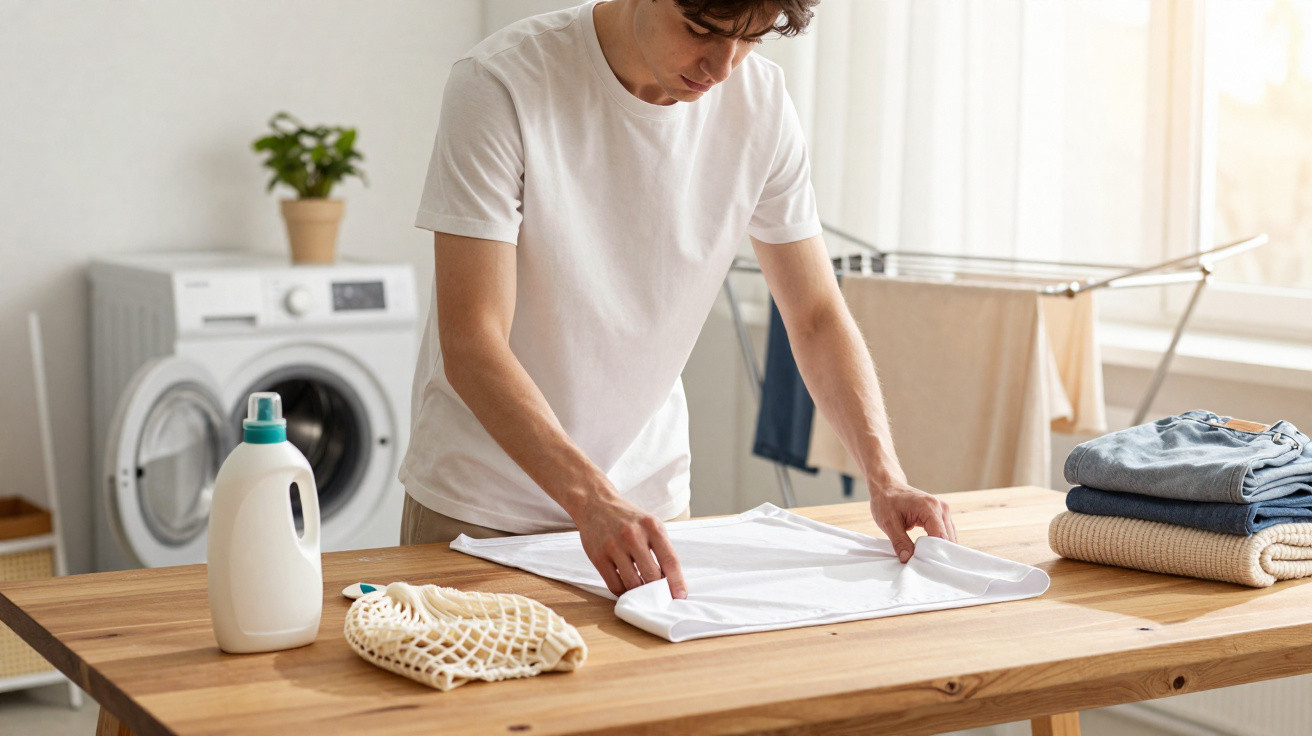
I wash cloths and tea towels at 60°C or above twice each week, along with the rest of the household washing. They are hung where the breeze can be greedy with them. The goal is not to pamper the equipment, but to keep it circulating. When a cloth looks as if it has seen too much, it is downgraded to a floor rag and eventually becomes a duster for the shed. The whole system has a pleasing life cycle, a little like composting for fabric.
Guests and the sniff test: when you want hotel-clean
Some days call for a kitchen that hums with order, even if you have just made something gloriously chaotic. At those times, I concentrate on scent and shine, both possible without chemical theatrics. I steam the microwave with lemon as a miniature diffuser, then clean the sink and hob with a hot cloth and buff them with a dry tea towel until they mirror the window. A kettleful of steam around the sink handles any invisible film.
If last night’s fish was especially chatty, I leave a small bowl of coffee grounds on the worktop for an hour. Handles get a final wipe. I light a candle in the hallway rather than the kitchen, because fragrance travels and subtlety can be more convincing than spray. Visitors come in and say, “It feels fresh in here,” and that is the sort of compliment no bottle can provide.
The schedule written out
Morning means: boil, brush, wipe, dry. That is the order. The first pour goes into the sink. Cloths are scalded and hung up. Worktops get a hot wipe and a dry pass. Handles are dealt with while breakfast is being made. Allow five minutes, or perhaps seven if someone has left porridge fused to a pan.
After cooking, scrape, loosen with heat, wipe and then dry. Stand boards upright to air. Wash and dry knives and utensils straight away. Give the hob a warm compress and a circular wipe. At night, let the drain drink a kettleful, leave the dishwasher door resting open, hang tea towels with room around them, and keep the window ajar for a while even when the air smells of rain. Each week, take one fridge shelf out, tackle one larger oven task, and give the bin a wash if you are feeling heroic. Each month, set aside a peaceful hour for the awkward jobs.
It is not a militant regime. It is a routine that allows for illness and late nights. Honestly, nobody manages it every single day. You will miss a day, then return to it, and the kitchen will not hold it against you. The shape matters, not the scorecard.
Will it actually lower germs without sprays?
The short answer is yes, for ordinary family life, because it relies on the three things microbes dislike: heat, friction and dryness. Boiling water is a blunt but effective tool against most kitchen bacteria, particularly when it reaches a surface where crumbs and grease have already been removed. Microfibre cloths are remarkably capable, as their tiny loops catch the things you cannot see. Ending a hot wipe with a dry finish reduces the moisture that allows bugs to multiply overnight.
For serious contamination - raw meat juices trailing down a cupboard, or somebody unwell with a tummy bug - I use more heat and repeat the process. Boiling water, clean cloths and careful drying deal with most household incidents without bottled disinfectants. If someone in your household is immunocompromised, you will know what level of caution feels right and can adapt accordingly. The important thing is that you have an effective toolkit without any fluorescent liquid. It feels both old-fashioned and quietly radical.
What surprised me most
A different kind of mental space appears when cleaning does not smell like a factory. The kitchen still holds the day’s story - toast crumbs, lemon zest and the oven’s lingering warmth - yet at night it is clean in a way that feels human. I once connected cleanliness with sterile anonymity. Now it feels like a cared-for home.
There is this too: Heat is your disinfectant more often than we realise. The kettle whispers and the sink becomes respectable again. Surfaces dry without catching at your fingertips. I spend less, fret less about residue where we eat, and wash my hands more often, which may be the most honest sanitiser there is. The greatest benefit is emotional: the kitchen has stopped being a battlefield of products and become a room that breathes.
Small and often: the quiet magic
The schedule succeeds because its tasks are small and frequent, rather than enormous crusades that leave you hot, sweaty and fed up. A song on the radio, a kettle, a cloth and several useful habits that require no reminder are enough. When the world feels a little overwhelming, watching steam rise from a freshly rinsed sink can be strangely grounding. It is proof that everyday care can still matter.
If you have ever stood under fluorescent shop lights weighing a bottle’s promise against your bank balance, this is an alternative. Small and often wins. Your kitchen will no longer smell like a perfume counter, either. Instead, it smells of toast, lemon and that swift, clean silence after you flick the window catch and let morning enter. That is the kind of sanitised home I want to live with.

Comments
No comments yet. Be the first to comment!
Leave a Comment