
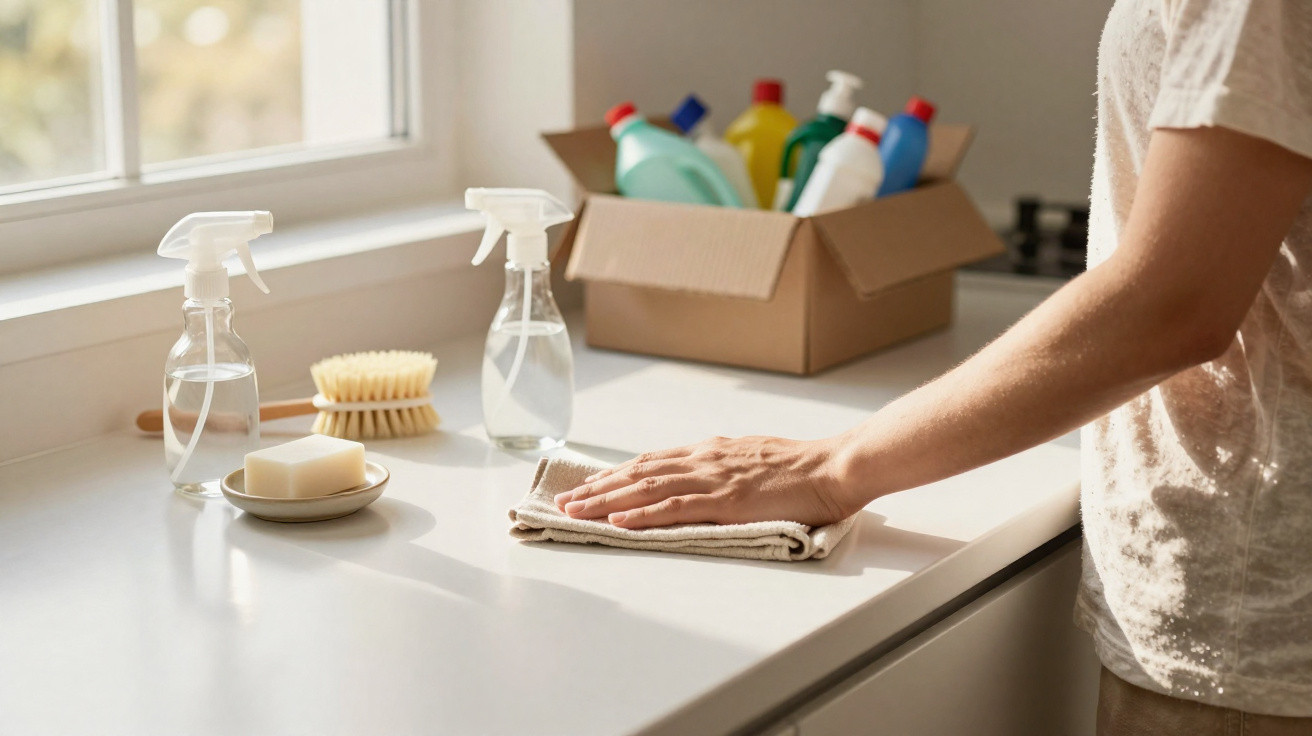
The day I noticed my cleaning cupboard resembled a miniature chemist, I genuinely laughed. I had bottles for windows, floors, bathrooms, grease, limescale, “extra shine” and “deep clean”. Some were sticky, others had passed their expiry dates, and yet I still spent every weekend grumbling that cleaning took far too long.
One Sunday morning, as I looked at that plastic-filled mess, a thought occurred to me: perhaps cleaning was not the problem… perhaps all the products were.
So I did something that felt rather drastic. I boxed up nearly everything, pushed the box into the hallway and left just three products on the counter.
By the following week, cleaning felt entirely different.
Almost suspiciously simple.
The day I got rid of my cleaning products
Initially, it felt completely wrong. As though I were breaking an unspoken rule of adulthood by using the same product on the bathroom mirror that I had used on the kitchen worktop. I had grown up believing each surface required a separate formula, bottle, brush or sponge that was “just for that”.
Yet something unexpected happened almost immediately. Whenever I spotted something that needed cleaning, my mind no longer stalled. One product, one cloth, one action. There was no need to weigh up options, compare labels or make a decision. I simply got on with it.
All at once, the flat started to stay tidy without requiring a heroic effort.
Before this small experiment, my cleaning routine had been a full-scale occasion. I would open the cupboard, pull out every bottle and attempt to recall which spray was “safe” for wood, which smelled like a chemical factory and which left marks on glass.
By the time the bottles were arranged in a row, I was already exhausted. I would clean half the bathroom, ignore the skirting boards and promise myself I would “do the rest later”. Spoiler: later never came.
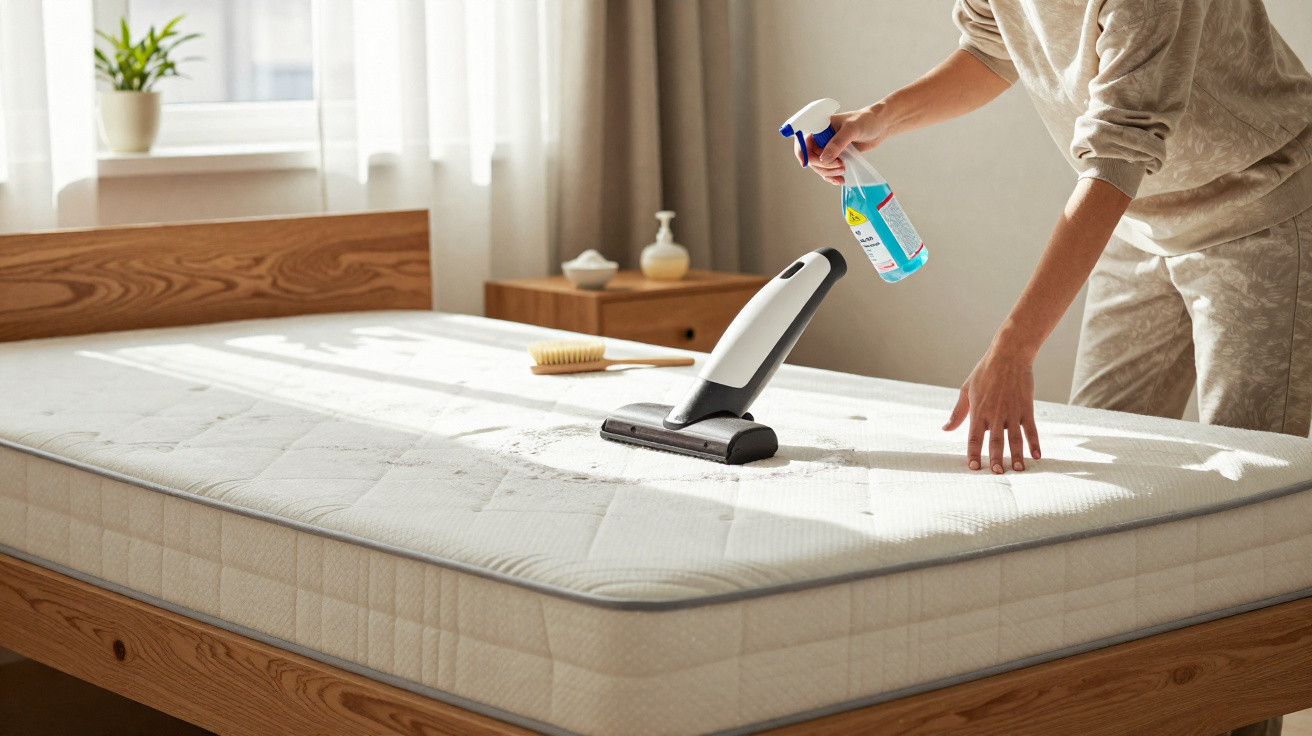
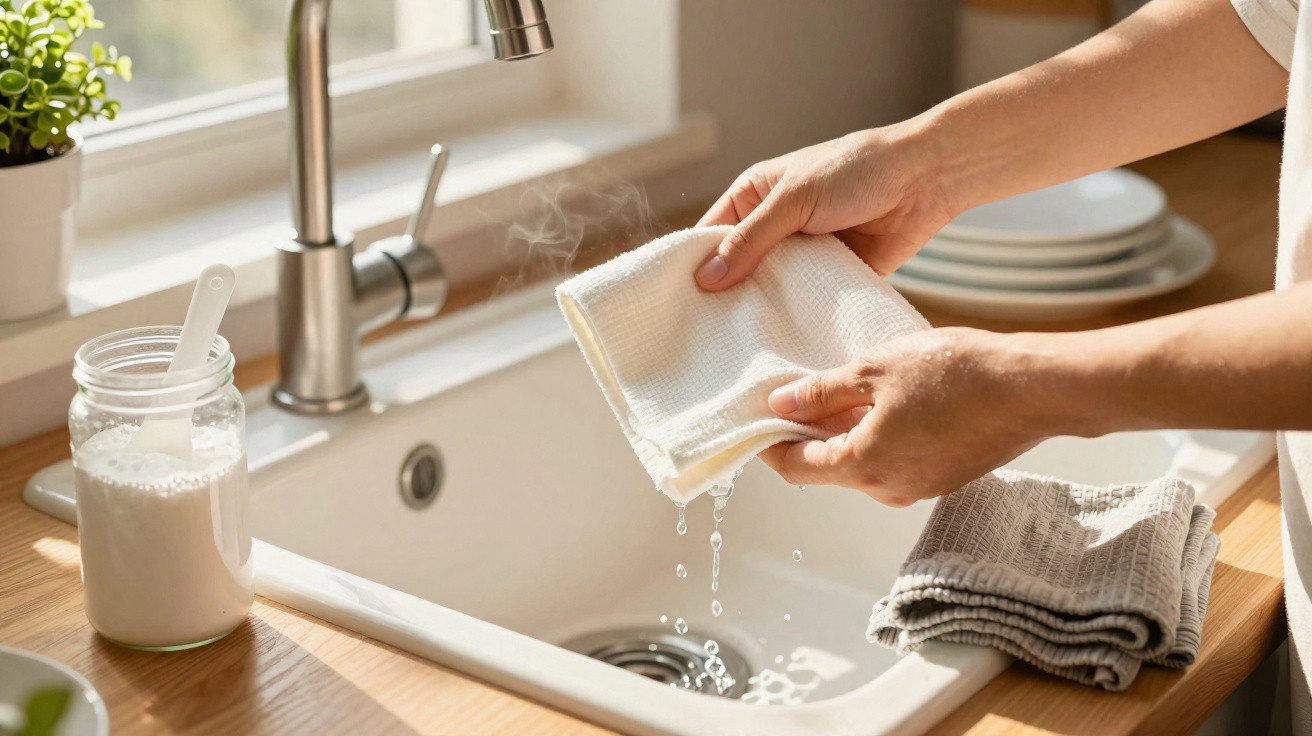
After reducing my supplies to a multi-surface cleaner, a mild scouring cream and a window spray, my approach changed. I stopped making excuses. With nothing to choose between, there was nothing to put off. I could wipe the sink while waiting for pasta water to boil, or clean the mirrors in three minutes before a shower. Cleaning began to fit naturally into the gaps in my day.
The reasoning is brutally straightforward. Each additional product occupies more than cupboard space; it also takes up room in your mind. You need to remember its purpose, its location, when to use it, whether it has run out and whether another one needs buying.
Multiply that by ten or fifteen bottles and you create mental clutter: the sort that makes a small job seem overwhelming. It is why so many of us say we “don’t have the energy” to clean even when, technically, we have the time.
A very small kit lowers the barrier to getting started. It removes choices, the guilt attached to an expensive product you never use, and the disappointment when miracle foam fails to create a hotel-standard bathroom. Ultimately, you clean more… with fewer things.
How to clean almost everything with almost nothing
My cleaning shelf now contains one spray bottle of mild all-purpose cleaner, one cream or paste for stubborn marks, one glass cleaner, several microfibre cloths and a basic brush. That is all.
The process is almost childishly easy. I work from top to bottom, using one product and the same cloth. First I dust or wipe surfaces, then I tackle handles and switches, leaving the floor until last. I do not change bottles five times in each room.
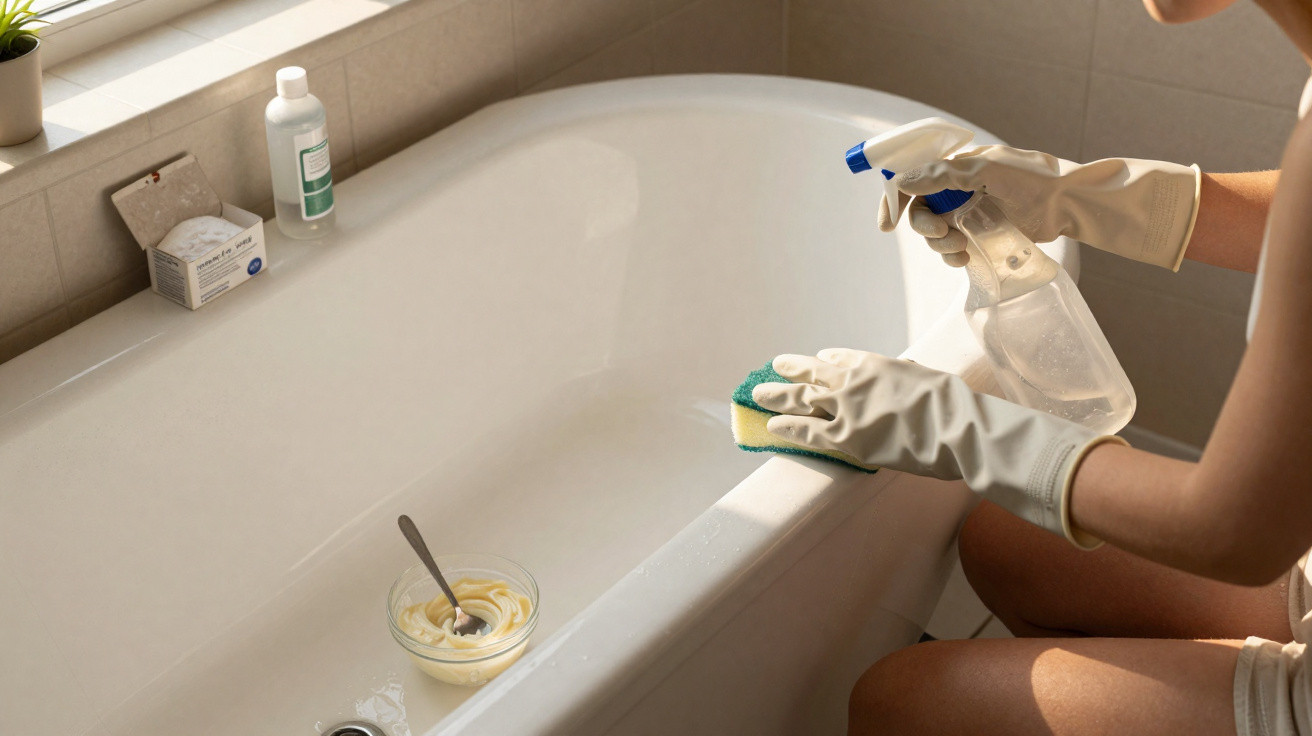
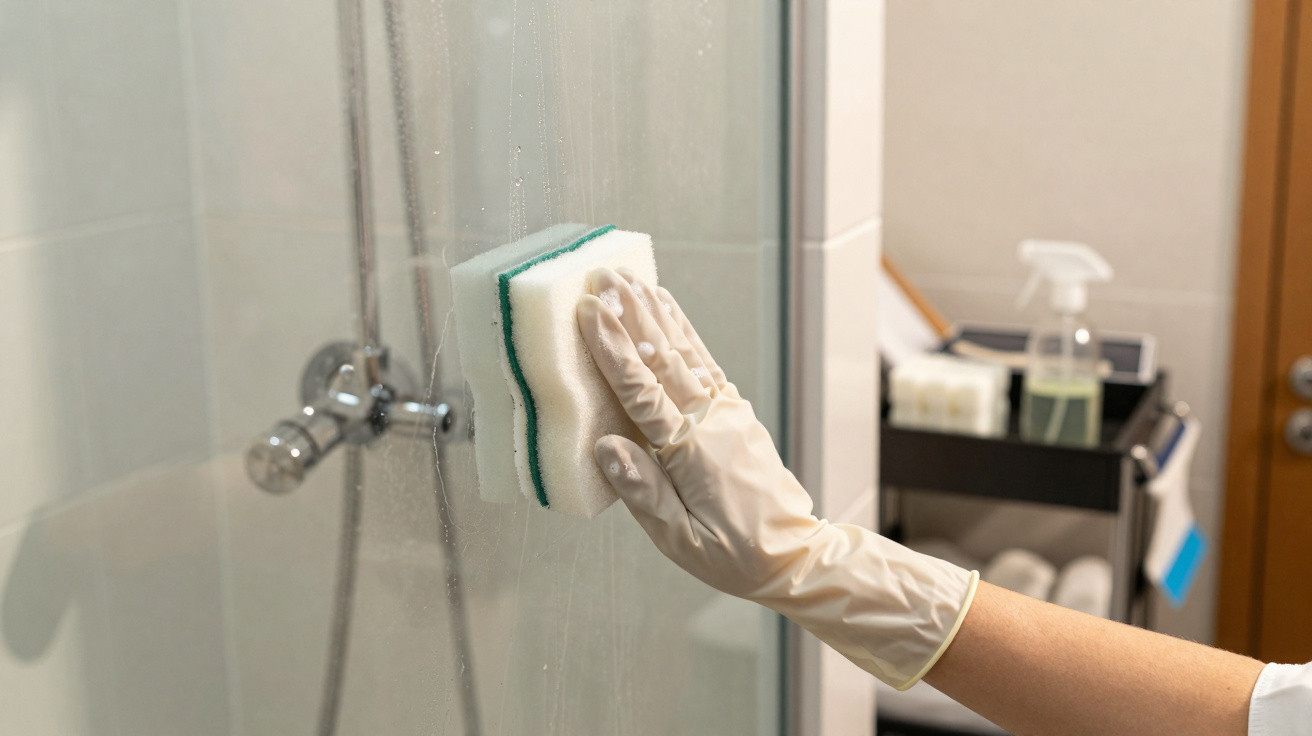
In the bathroom, the same cream cleans the basin, taps and shower tray. In the kitchen, the same spray is used on the table, worktops and fridge door. I have just one “rule”: anything genuinely delicate or unusual, such as untreated wood or natural stone, has its own dedicated product… and is kept elsewhere so it cannot find its way back into the everyday routine.
If you give this a go, cleaning will not be the difficult part. The challenge will be parting with the collection of bottles you have built up. There is an odd reassurance in having a product for every imaginable stain, even when half of them are never used. It makes us feel “equipped”, like responsible adults.
Be kind to yourself, then. Rather than throwing surplus products away, begin by moving them out of sight. Use them on deep-cleaning days if you wish, but keep them away from your everyday cleaning area. Let only the essentials occupy your counter or cleaning caddy.
And honestly, nobody does this without fail every day. During some weeks you will do only the essentials; in others, you will scrub as though you are appearing in an advert. That is simply life. The aim is not to become a minimalist cleaning monk, but to avoid the weighty guilt that hits every time you open the cupboard.
We’ve all been there, that moment when you’re standing in front of ten different cleaners, wondering why your home still doesn’t look like those calm, empty Pinterest apartments. At some point, I had to admit: the bottles weren’t the solution. They were part of the problem.
- Keep one multi-purpose hero: Choose a gentle all-surface cleaner that works across 80% of your home. The aim is broad usefulness, not perfection.
- Add one “muscle” product: Use something mildly abrasive or degreasing for ovens, sinks and tiles. There is no need for five separate “extra power” formulas.
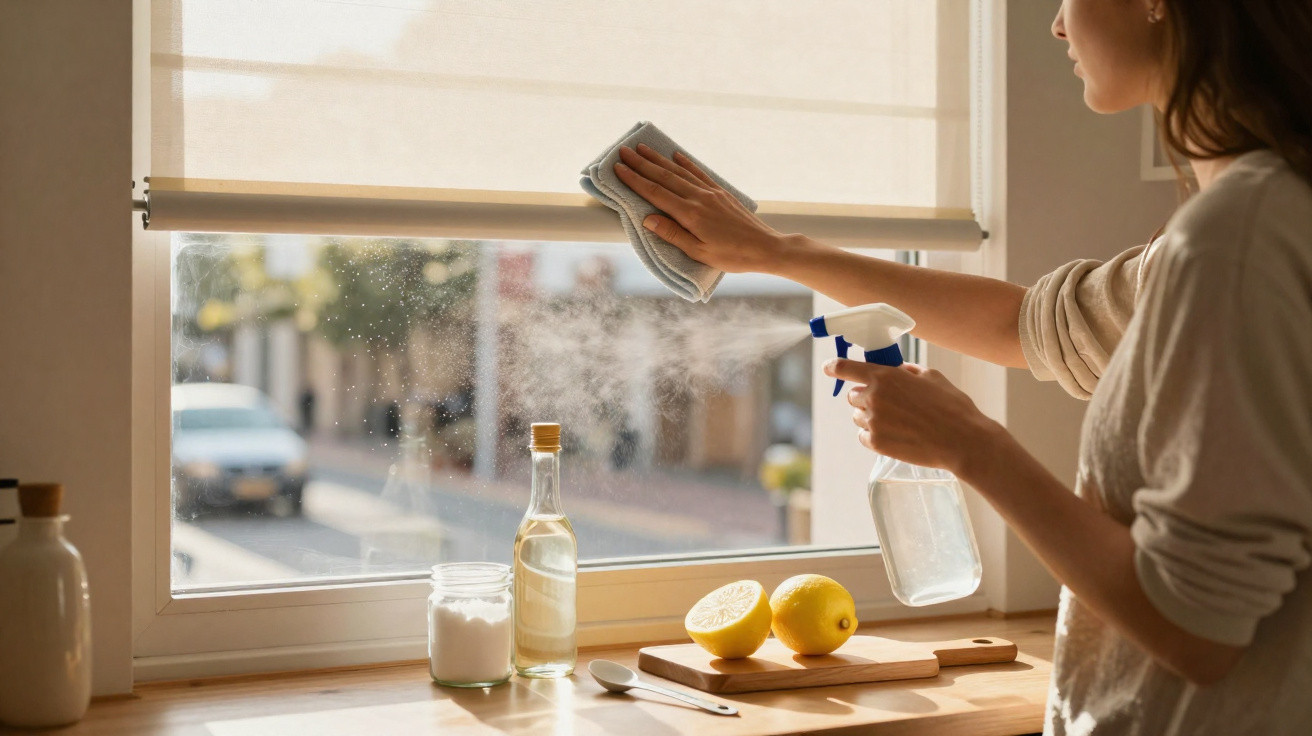
- Choose one glass or mirror product: Pick a straightforward spray or a homemade mixture in a labelled bottle. Clear surfaces, clear mind.
- Limit your tools: Keep 2–3 microfibre cloths, one scrubbing brush and perhaps a sponge. Fewer tools mean less mess around the sink and less washing.
- Buy the next product only when one really fails you, not because a label promises a miracle.
Living with less… and cleaning more easily
What surprised me most was not the time I saved, but how much lighter everything felt. A modest shelf holding three bottles and a pile of cloths suddenly looked peaceful. Whenever I opened the cupboard, I no longer felt confronted by plastic and promises. Cleaning changed from a “project” into a collection of small, almost unnoticed actions carried out during the week.
Something else shifted as well. I stopped criticising myself for falling short of the fantasy of a perfectly organised, perfectly scented home. With fewer tools, my expectations eased slightly. Oddly, the results improved.
Because I was finally keeping up with the basics.
Because I was no longer spending energy selecting the correct potion for every splash on the wall.
Because my routine suited my real life rather than an Instagram reel.
| Key point | Detail | Value for the reader |
|---|---|---|
| Simplify your product kit | Keep 2–3 versatile cleaners instead of a packed cupboard | Reduces mental load and makes starting to clean much easier |
| Separate daily tools from “special” products | Store niche or delicate-surface products away from your main cleaning zone | Prevents decision fatigue and clutter from creeping back in |
| Focus on small, frequent gestures | Use one product, one cloth, top-to-bottom, room by room | Keeps the home consistently cleaner without long cleaning marathons |
FAQ:
- Question 1: Will using fewer products really clean as well as using specialised ones?
- Question 2: Which three basic products should I start with if I want to simplify?
- Question 3: What about germs in the bathroom and kitchen, don’t I need strong disinfectants?
- Question 4: How do I deal with the guilt of throwing away or not using products I already bought?
- Question 5: What if I love buying new cleaning products and trying the latest thing?
Comments
No comments yet. Be the first to comment!
Leave a Comment