
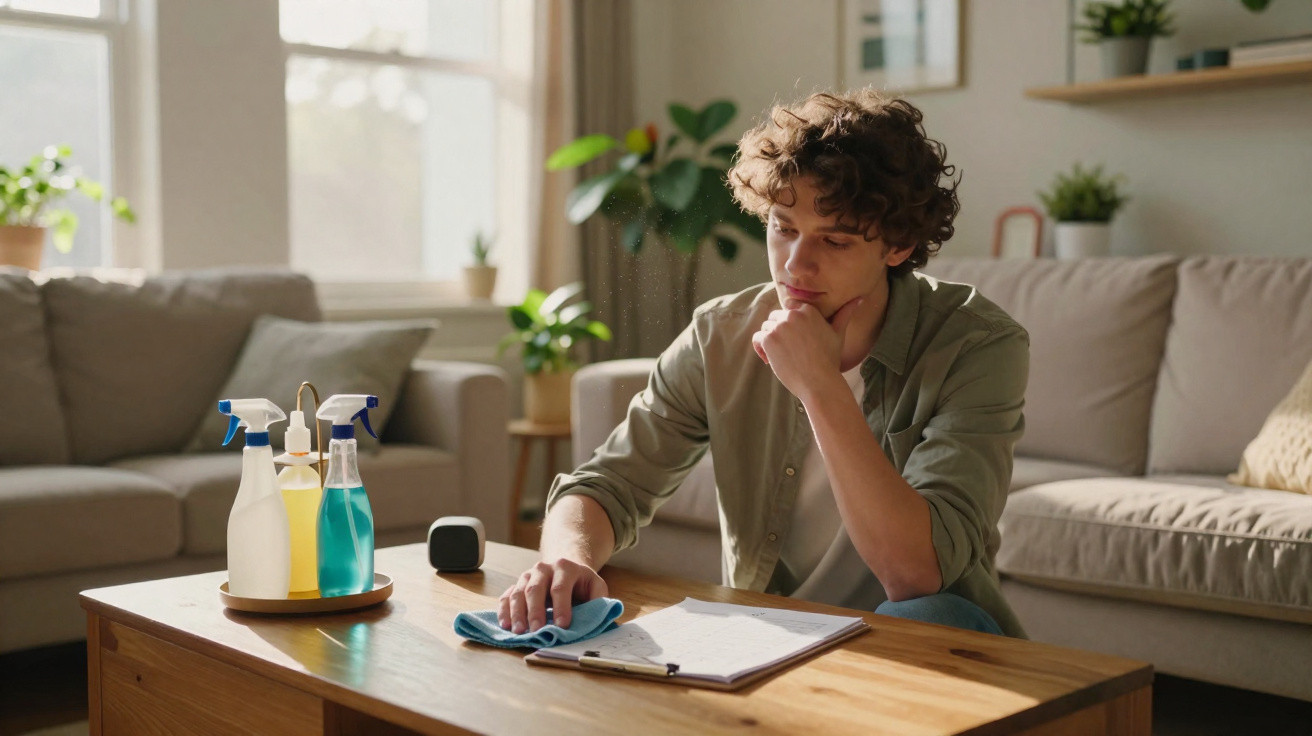
Saturday morning, 9:07 a.m. You reach for the familiar blue cloth and lemon-scented spray, then begin your usual weekly circuit: kitchen worktops, coffee table, bathroom basin. Your body knows this route so well that you can almost complete it without thinking.
Then, one day, you shift a plant “just to see”. Beneath the pot sits a sticky circle, dust fused to the varnish and a small colony of crumbs that has somehow avoided your routine for months.
At first sight, your home appears clean. It smells clean, too. But the more closely you inspect it, the more little neglected areas you find.
Something about this scene is not quite right.
When “clean enough” quietly stops being clean at all
Every household has its own cleaning choreography. You tackle the large surfaces first, wipe away visible dust and vacuum the obvious areas of the carpet. The motions, equipment and sequence remain the same. It feels reassuring, almost ceremonial.
Yet routines become outdated. Your circumstances change, dust gathers differently, humidity varies, possessions are moved, and children or pets may join the household. While your home continues to change, your weekly cleaning routine can remain fixed in the past.
In this gradual, unnoticed way, a once-effective cleaning routine may begin to work against you.
Consider the bathroom shelf holding your skincare products. You regularly clean its front lip, the section reflected in the mirror. Eventually, you remove every bottle. Underneath is a grey coating of product residue, hairs and tiny soap splashes, all of which have created a sticky film over many months.
The hallway offers another example. Each Sunday, you vacuum directly along the centre. At most, the edges by the skirting boards receive a brief pass. Half a year later, those edges look noticeably darker than the middle. They are not alarming levels of dirty. They simply look… dull.
This is how dust takes hold: not through spectacular heaps, but through fine, stubborn layers along the edges of the spaces we use.
At a microscopic scale, repeatedly cleaning precisely the same areas shifts grime somewhere else. Identical mopping motions push dirty water into grout lines. Using the same feather duster sends particles from shelving onto radiators and behind furnishings. Your eyes detect the instant signal of “clean”, your brain switches off, and the gradual accumulation in concealed areas carries on.
There is a psychological pitfall, too. When you have established a routine, you place faith in it. You no longer ask whether your products still suit your surfaces, whether the vacuum filter needs cleaning or whether your habits reflect your present lifestyle. Repetition becomes a comfort blanket that quietly hides reality.
That is how a home may appear “fine” as indoor air quality, allergen levels or mould risks slowly increase.
Small changes that transform your cleaning routine
The easiest way to interrupt this cycle is not to clean more often, but to clean differently. Begin by rotating your attention. One week, spend an additional five minutes on high but overlooked places: the top of the fridge, door tops and lampshades. The following week, focus low and out of sight: beneath sofas, behind bathroom bins and under the washing-machine drawer.
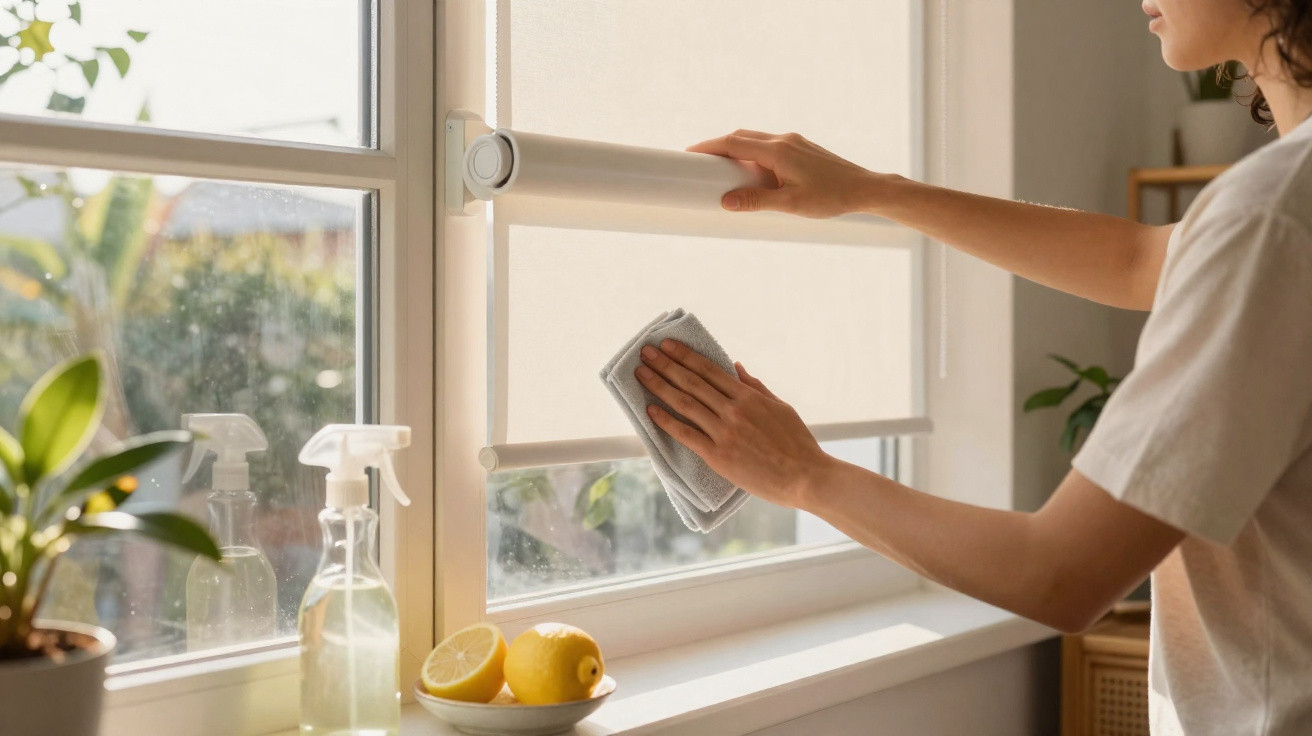
Vary your equipment as well. If an all-purpose spray is your default for everything, choose one area to approach differently: use vinegar and water for glass, a lightly damp microfibre cloth for screens, or a degreaser on kitchen cupboards once a month. Modest adjustments can expose neglected deposits you had ceased to notice.
A practical approach is to introduce a “zone of the week”. This might mean “entrance hall and shoes”, “kitchen cupboards” or “bedroom textiles”. Continue with your standard routine, while adding one rotating task of no longer than 15 minutes. It may seem insignificant, but within a month you will have covered four forgotten areas.
Do not be hard on yourself about the omissions. Perhaps you never clean the lid of your bin, or have never vacuumed your mattress. You are not the only one. Honestly, nobody truly manages these jobs every single day.
The goal is not to create a showroom-perfect home. It is to step out of autopilot for long enough to spot where your existing habits are no longer serving you.
We’ve all been there, that moment when you move a piece of furniture and suddenly feel like you’re uncovering an archaeological layer of your own dust.
- Change your route: Once a month, begin in another room or clean from the opposite side of the same room.
- Change your viewpoint: Use your phone torch to check beneath furniture, or photograph a shelf and zoom in. A camera notices what your eyes tend to filter out.
- Change your schedule: Dedicate one week to “wet” cleaning, such as mopping and wiping, then the next to “dry” tasks, including dusting, vacuuming and shaking out textiles.
- Change your focus: Rather than deciding to “clean the kitchen”, choose “handles and switches” or “door frames and skirting boards”. It is highly specific and very quick.
- Change your tools: Clean or replace cloths and sponges regularly, so that yesterday’s grime is not transferred into today’s corners.
When cleaning becomes a conversation with your home
When you pay close attention, your home responds. There may be a faint odour near the sink that returns three days after scrubbing, dust that appears to settle more rapidly in one room, or a window that steams up after every shower regardless of how frequently you wipe it. These are signs to notice, rather than failures.
Once you stop cleaning automatically and begin observing these patterns, your routine moves from a “fight against dirt” towards a “collaboration with reality”. You’re not just repeating moves, you’re responding to what your space is telling you this week, in this season of your life.
| Key point | Detail | Value for the reader |
|---|---|---|
| Rotate your focus | Weekly zones and varied height levels | Prevents hidden build-up from becoming major cleaning tasks |
| Question your tools | Match products and cloths to surfaces and the age of the grime | Reduces scrubbing, improves results and limits material damage |
| Break autopilot | Vary the order, viewpoint and small weekly tasks | Makes cleaning more effective and less mentally tiring |
FAQ:
- Question 1 How frequently should I alter my cleaning routine to stop it backfiring?
- Answer 1 Every 3–4 months, spend 20 minutes assessing what is effective and what is not. Walk through your home with fresh eyes, look high and low, then change one or two habits: your starting point, the tools you choose or the “zone of the week” you rotate.
- Question 2 Is using the same all-purpose cleaner everywhere a problem?
- Answer 2 Relying on one product for all surfaces can cause residue to build up or materials to become damaged over time. Glass, natural stone, wood and textiles all respond differently. Switching products for at least a few key areas (such as stone worktops or screens) generally delivers improved results and safeguards materials.
- Question 3 Why does my home still seem dusty when I clean every week?
- Answer 3 The problem is often strategy rather than frequency. When you always dust after vacuuming, or use a feather duster that merely sends particles into the air, dust continues to circulate. Vacuum first, then wipe with a slightly damp microfibre cloth, and remember textiles including curtains and cushions.
- Question 4 How do I prevent germs spreading from using one cloth?
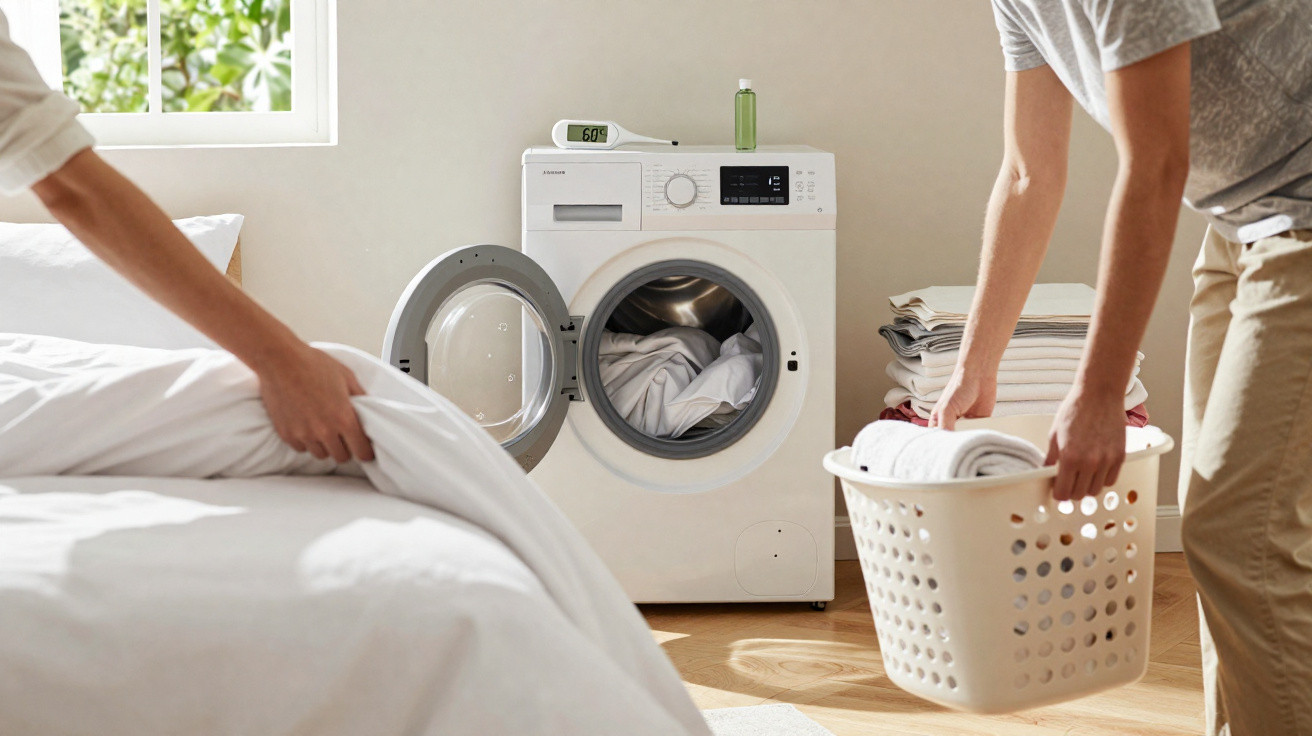
- Answer 4 Assign colour-coded cloths to separate zones, such as the bathroom, kitchen and living areas, and wash them on a hot cycle after one or two uses. Fold each cloth into four, using a clean section on every surface instead of rubbing everything with the same dirty area.
- Question 5 Which small change has the greatest impact?
- Answer 5 Many people notice a substantial improvement when they clean “touch points” every week: door handles, light switches, remote controls, phone screens and appliance buttons. They may not look striking, but they hold considerable invisible grime and bacteria, and cleaning them refreshes the feeling of a home.

Comments
No comments yet. Be the first to comment!
Leave a Comment