
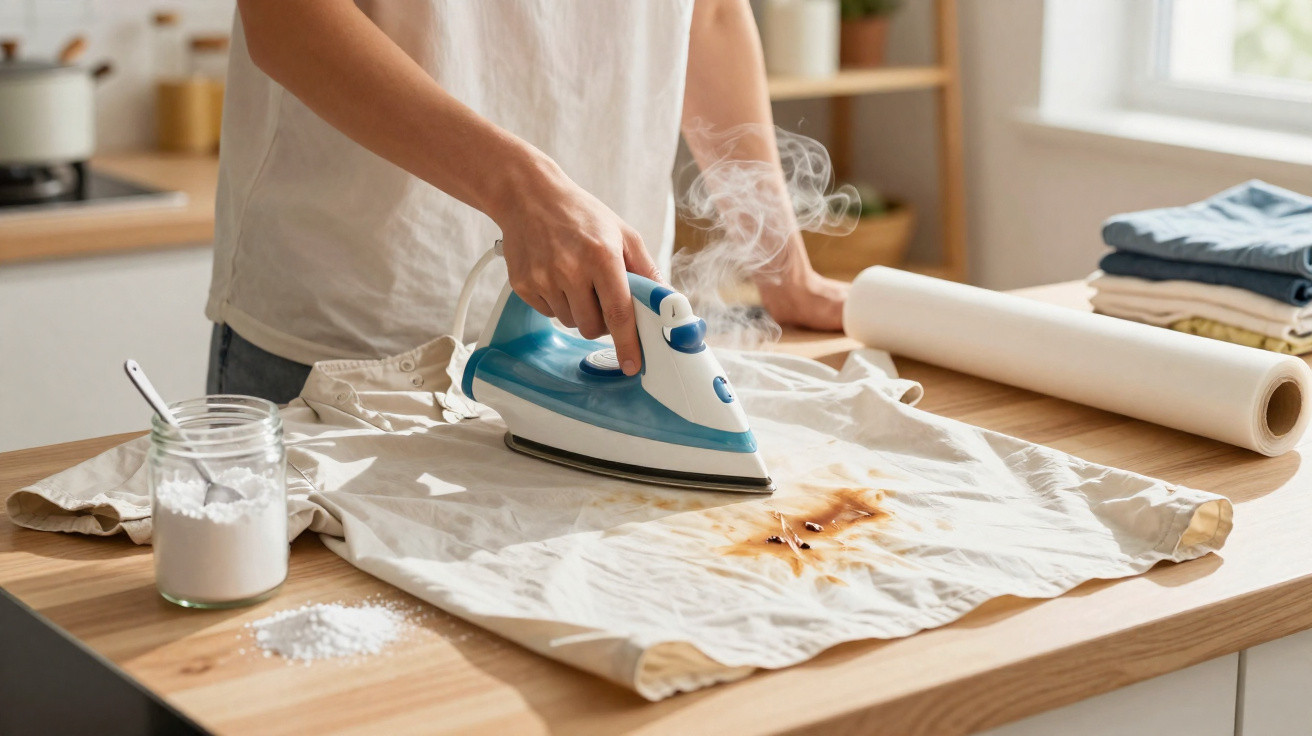
Some stains seem to cling on for ever, but many of them can be lifted with a straightforward household trick. No pricey stain removers, no endless scrubbing - just a clever combination of items found in most kitchens. The key player is a household appliance that’s usually in use at least once a week.
Why old grease stains are so stubborn
Grease marks that have been sitting in fabric for a while don’t behave like fresh splashes. While the grease is still soft, you can often shift a lot of it with kitchen roll and a dab of washing-up liquid. Once it dries, though, the problem changes.
As the grease sets, the molecules work their way deep into the fibres - especially in cotton, denim, or hard-wearing polycotton blends. A normal wash may clean what’s on the surface, but the hardened centre of the stain stays trapped within the fabric. Each time the item is dried, the stain tends to lock in a little more firmly.
“The issue isn’t the detergent - it’s the grease that has settled in and needs to be loosened again.”
If you respond by scrubbing harder or turning the temperature up, you often make things worse: the fabric takes a beating, the mark remains, and the frustration builds.
The unassuming kitchen trio
The fix relies on three basic helpers that many homes already have:
- Baking soda (often sold as bicarbonate of soda)
- Baking paper
- An iron with an adjustable temperature
Together, they use a simple physical effect: gentle warmth makes grease more fluid again so it can release from the fibres. At the same time, the baking soda helps absorb the grease as it comes out, while the baking paper acts like a clean, sturdy absorber.
“Heat gets the grease moving again - baking soda and baking paper catch it at exactly the right moment.”
Which fabrics this method suits
This approach tends to work particularly well on:
- Cotton T-shirts and sweatshirts
- Jeans and sturdy cotton canvas
- Cotton or polycotton tablecloths
- Kitchen towels and tea towels
- Tough synthetic fabrics, for example aprons or workwear
Take extra care with delicate materials:
- Silk
- Wool and cashmere
- Leather and suede
- Fine velvet
- Coated or proofed fabrics
With these, heat can quickly cause shiny patches, alter the texture, or damage coatings. In those cases, choose a cold method or professional cleaning - or at minimum test on a hidden area first.
What you actually need - and what to avoid
For the trick to work reliably, the details of the materials matter.
Baking soda: the powder base
The main tool is plain baking soda powder, whether food-grade or household-grade. What matters is that it stays dry, fine, and unmixed.
- Best: pure baking soda, tightly sealed, with no added fragrance
- Amount: usually one to two teaspoons for a standard stain
- For larger areas such as tablecloths, use more accordingly
Scented powders or blended products can behave unpredictably, leave lingering smells, or reduce how well the powder absorbs.
Baking paper instead of kitchen roll
In this situation, baking paper outperforms kitchen paper by a long way. It doesn’t shed lint, it tolerates the iron’s heat, and it won’t stick to the fabric.
“That small difference matters: baking paper protects both the fabric and the iron’s soleplate while collecting the grease.”
A rectangle folded several times is enough, as long as it comfortably covers the stained area. Cling film is not suitable - it will simply melt under heat. A normal cloth tends to absorb grease unreliably and often spreads it further.
The iron as the turbo
Here, the iron isn’t for smoothing laundry - it’s a controlled heat source. Two settings are crucial:
- A gentle temperature, in the low to mid range
- No steam function: dry heat only
Steam introduces moisture, which can cause grease stains to spread and create rings. Excessive heat can also effectively “bake” grease into the fibres.
The two-minute method, step by step
With a little prep, the whole process can be done in around two minutes.
Prepare a base
Place a clean terry towel or an absorbent piece of cardboard underneath the affected spot. This prevents released grease from transferring to the back of the garment or into the ironing board.Prepare the stain
For fresh marks, gently blot with kitchen paper - don’t rub. For older stains, a light brush with a dry, soft brush can remove loose residue.Sprinkle on baking soda
Dust the stain with a thin but complete layer of baking soda. Avoid thick piles; aim for an even coating like fine powder. Don’t vigorously work it in, otherwise you may push the grease deeper into the fibres.Lay on the baking paper
Place folded baking paper over the powdered area and smooth it lightly without pressure. A flat, calm surface is what you want.Iron with gentle pressure
Set the iron to a low-to-medium heat and switch steam off. Briefly press the iron onto the baking paper for a few seconds at a time. Move slightly and repeat until you’ve covered the full area.Check the result
Lift the baking paper and inspect it: if it turns slightly transparent or shows greasy marks, grease has migrated out. Ideally, the fabric stain will already look lighter or nearly gone.Repeat if needed
If a noticeable mark remains, apply a fresh layer of baking soda, use a clean section of baking paper, and run through the process again.Wash as normal
Finally, wash the garment or tablecloth as usual. Check again before drying - if the stain is still faintly visible after washing, avoid the tumble dryer and repeat the treatment instead.
Common mistakes - and how to avoid them
Many household mishaps happen again and again. Knowing these pitfalls helps you protect your textiles.
| Mistake | Result | Better approach |
|---|---|---|
| Iron set too hot | The stain sets in; fabric may go shiny | Choose a medium setting and work in shorter bursts |
| Using steam | Rings and a larger stained area | Use dry heat only |
| No absorbent layer underneath | The stain transfers to the reverse | Put a towel or cardboard underneath |
| Scrubbing hard | Fibres get damaged; stain spreads | Use gentle handling; let heat do the work |
| Washing then putting it straight in the tumble dryer | The stain becomes permanently fixed | Always pre-treat first, then wash |
How different types of stains respond
Not all grease behaves the same way. Some marks combine fat with colour.
- Butter, pan juices, creamy sauces: Often leave a greasy core plus slight discolouration. The ironing trick removes the grease; afterwards, a piece of solid soap (for example a neutral vegetable-based soap) can help lift remaining colour.
- Cooking oils, deep-frying fat: Usually colourless but extremely persistent. Two rounds with baking soda and baking paper often do the job.
- Oil-based make-up: Pre-treat first with a little soap or mild washing-up liquid before applying heat.
The most common way clothing is ruined is by going straight into the tumble dryer with an untreated grease stain. The heat there acts like a setting process, anchoring the stain into the fibres for good.
Practical household strategy: put together a small stain first-aid box
If you cook often, have children at home, or regularly use oil and sauces, a small ready-to-go kit can save time and stress:
- A jar with around 200 grams of baking soda, tightly sealed
- A roll of baking paper, with a section reserved specifically for stain treatment
- A bar of solid soap for leftover colour
- Two clean microfibre cloths and an older terry towel to use as a base layer
With a mini set like this, everything is within reach when Sunday roast splatters or salad dressing drips onto your jeans. Acting quickly matters, especially with fresh marks: blot first, treat next - don’t just throw it in the wash “later”.
When it’s better to use a dry cleaner
Even the best home tricks have limits. Very delicate fabrics, layered items such as suit jackets, or high-end clothing with linings can react badly to DIY attempts. If grease spreads across a large area - for example from a full oil spill - taking it to a cleaner is often the sensible choice.
If, after several tries, there’s still a prominent ring or the fabric starts to feel different, it’s wiser to stop. Professionals can treat the textile surface in a targeted way without damaging the fibres. For everyday use at home, though, the three-part combo of baking soda, baking paper and an iron is a surprisingly dependable rescue option - especially for the classic kitchen and dining-table mishaps that happen to everyone.

Comments
No comments yet. Be the first to comment!
Leave a Comment