
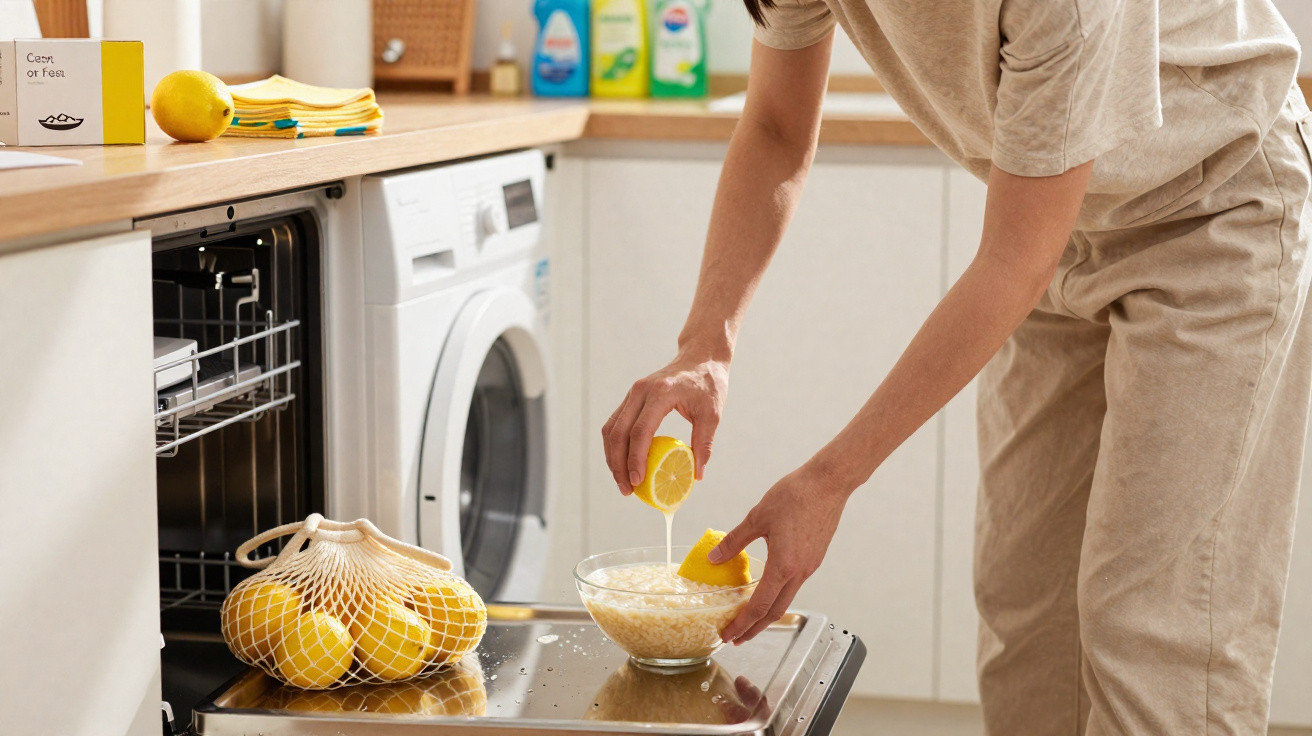
Some people swear this mix slices through limescale and leaves glass gleaming. Others insist it clogs pumps, marks metal and ends with a call-out fee. Between saving money and courting trouble, the margin is thin - and usually quite foamy.
I first came across it in a compact Bristol kitchen, with morning sun catching the streaks on the hob. A friend poured the cloudy water left from rinsing rice the night before into a jam jar, added a squeeze of lemon, and shook it like a cocktail. The air filled with a sharp, optimistic citrus tang. He sprayed the oven door, wiped with a soft cloth, and the grease smudged, then gave way. For a moment, it felt like a slippers-on kind of magic.
His partner stood near the dishwasher, arms folded. ‘Please don’t pour that in there,’ she said, half teasing, half warning. We laughed. Then the cycle kicked in.
The hack that spread faster than you can say “citrus”
Part of the appeal is how everyday it seems. Lemon juice feels familiar and trustworthy, almost like something your gran would reach for. Rice starch is simply the cloudy residue you get from rinsing or boiling grains. Together, they suggest a glossy finish without a single shop-bought spray. It’s the fantasy: yesterday’s leftovers turned into today’s elbow-grease.
Scroll social feeds and you’ll see hobs brought up bright, shower screens cleared, and shirts pressed crisp with “natural starch”, all punctuated by winks and wow reactions. A renter in Hackney showed me her bathroom taps: after one wipe, the limescale ring had noticeably eased. In the comments, people swapped variations - a splash of vinegar here, a pinch of bicarb there - like they were seasoning dinner. The mood was buoyant: clever, frugal, triumphant.
There’s a genuine reason it can appear to work. Lemon contains plenty of citric acid, which helps dissolve mineral build-up and cut through greasy films. As rice starch dries, it can leave a fine coating that fills tiny scratches, making glass and steel look brighter. This is where the lemon-and-starch story gets messy. Inside appliances, that same coating doesn’t just “shine” - it can settle out, expand and adhere. Acid can be harsh too, particularly on softer metals and rubber. In the heat of modern machines, leftover residue can effectively bake on into something glue-like.
How to try it without wrecking your kit
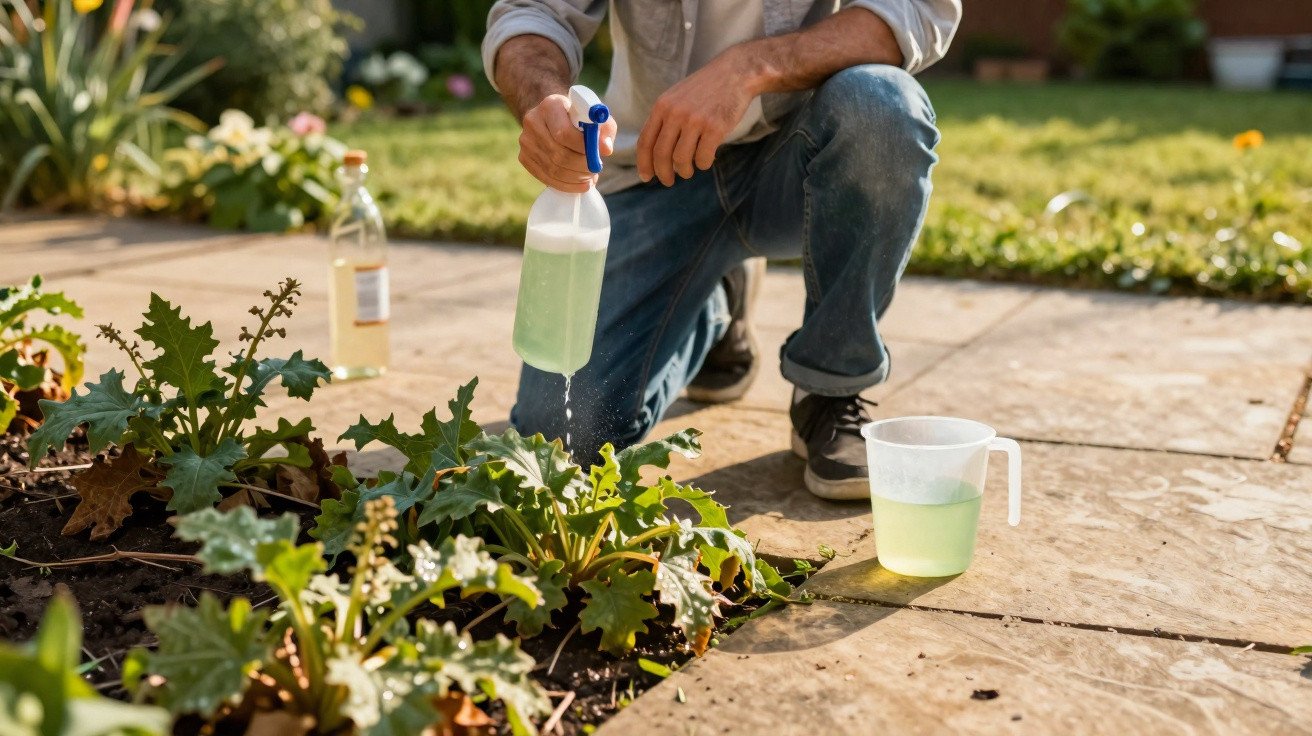
If you want the sparkle without the regret, keep the mixture on surfaces you can fully rinse and dry - not inside machines. For glass, tiles and stainless taps: mix 1 tablespoon of strained rice-starch liquid (from rinsing or boiling rice) with 1–2 teaspoons of fresh lemon juice and 200 ml of warm water in a spray bottle. Lightly mist a small patch, leave for 30 seconds, then wipe with a damp microfibre cloth. Rinse with clean water. Finish by buffing dry with a second cloth. Do it in sections. This is slow, gentle cleaning - not a soak-and-pray approach.
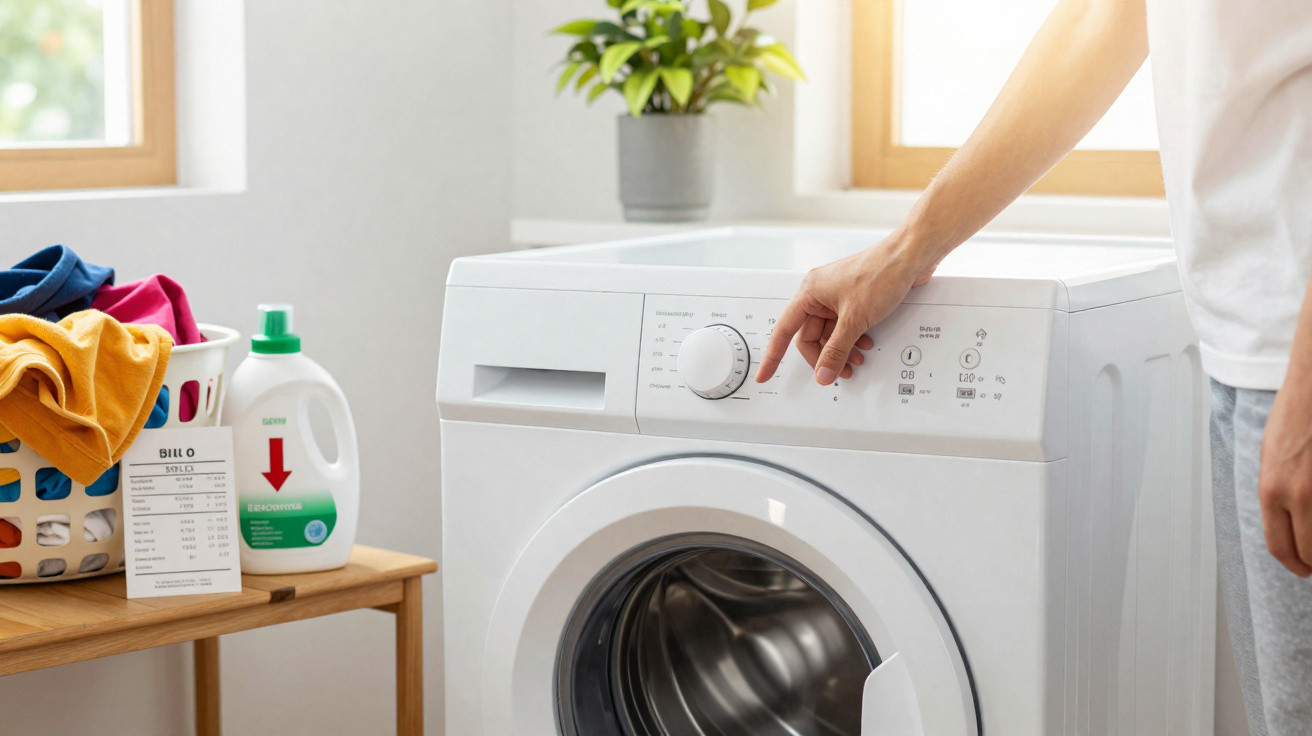
For shirts and napkins, treat it as an ironing spray, not something to add to a wash. Simmer 500 ml of rice water for 5 minutes, strain, let it cool, then stir in 1 teaspoon of lemon juice for fragrance and a bit of de-greasing. Pour into a clean spray bottle, test first on a tea towel, then mist sparingly while you iron. The result is a crisper feel and slightly sharper collars. The rule is simple: never put this mix inside a machine. Not in the detergent drawer, not in the drum, and not in a dishwasher’s salt compartment. Stick to the outside world - the bits you can rinse and dry properly.
Most of us know the temptation of a shortcut that seems too good to ignore. A few boundaries make it safer. Steer clear of marble, limestone and any natural stone, as acid will etch the surface. Avoid aluminium pans, cast iron, lacquered doors and unsealed wood. Don’t keep the mixture for days; starch can ferment and turn sour. In a busy household, label the bottle clearly. Always patch-test an inconspicuous area. And if anything seems wrong - tacky residue, streaking, a strange feel - stop and rinse. Let’s be realistic: hardly anyone keeps up with this daily.
“We’re not anti-DIY,” a North London appliance engineer told me. “But sticky residues and acids are a double hit. Pumps clog, seals harden. What looks ‘natural’ can be a machine’s worst day.”
- Best for: glass hobs, ceramic tiles, chrome taps, exterior fridge doors.
- Never use on: marble, limestone, aluminium, cast iron, inside washers or dishwashers.
- Rinse and dry: always follow with clean water and a dry buff.
- Shelf life: make small batches; use within 24 hours.
The case for caution - and what to do instead
Inside a dishwasher or washing machine, everything changes. Rice starch thickens in warm water and can gelatinise with heat, leaving a coating in pipes, filters and gaskets. Lemon juice pushes the pH down to around 2, which can gradually weaken rubber seals and tarnish softer metals. On open surfaces, those same traits can be useful: brief contact, a thorough rinse, a brighter finish. In a sealed system, they become both build-up and bite.
If you’re aiming to tackle limescale in a kettle or dishwasher, leave the starch out altogether. Use measured citric acid crystals instead: add 1–2 tablespoons to a full kettle, warm it, leave it to soak for 20 minutes, then rinse thoroughly. For dishwashers, run a maintenance wash using a dedicated cleaner, or place a teaspoon of citric acid in a suitable dispenser and run a hot empty cycle. For sinks and greasy trays, hot soapy water will outperform folk chemistry on most days. Savings are real, but so are repairs.
Saving money matters - and so does not worrying about what you’ve done to your appliances. The lemon-and-starch pairing can deliver quick visual wins on the right materials. Used casually on the wrong ones, it can backfire. Maybe the smartest hack is knowing when not to hack. If you enjoy the scent and the little ritual, limit it to mirrors, shower glass and tap spouts. For everything else, stick to the dull routines that rarely let you down: wipe up spills quickly, run hot cycles monthly, and clean filters. Your future self will thank you - and your machines will keep humming.
The bigger picture: thrift, risk and common sense
There’s something undeniably appealing about a homemade fix. It feels inventive, resourceful and mildly rebellious. It’s also a reminder that a kitchen is a workshop, not a laboratory. What looks brilliant in a TikTok clip can turn nasty in a hose or gasket. If it makes you happy, use the mix on open, washable surfaces. Pay attention to how it wipes and how the light changes afterwards. When you’re unsure, choose water, a cloth and a moment’s pause. Use it on open surfaces, not sealed systems.
| Key point | Detail | Why it matters to you |
|---|---|---|
| Where it works | Glass hobs, ceramic tiles, chrome taps, mirrors | Safe shine and quick wins without shop sprays |
| Where it fails | Inside appliances; on marble/limestone; aluminium; cast iron | Helps prevent damage to seals, metals and stone |
| Best practice | Light mist, short dwell time, rinse well, buff dry, small batches | Cleaner finish, fewer streaks, lower risk of residue |
FAQ:
- Will lemon and rice starch whiten laundry? It may freshen fabric when used as a light ironing starch, but it won’t “whiten” set-in stains. Use oxygen bleach to brighten whites, and keep the mix out of the washing machine.
- Is it safe for stainless steel appliances? Yes, on exterior surfaces, as long as you rinse and dry promptly. Don’t let it sit, and never use it inside a dishwasher where residue can accumulate.
- Can I store a big bottle for the month? It’s not recommended. Starch can ferment and become sour or gummy. Make small amounts and use within 24 hours; refrigerate if you must.
- What’s a safer alternative for limescale? Follow the directions for citric acid crystals or a kettle/dishwasher descaler. They break down scale without leaving a starchy film.
- Will it damage stone worktops? Yes, on marble and limestone, because the acid will etch. Use a pH-neutral stone cleaner on those surfaces.

Comments
No comments yet. Be the first to comment!
Leave a Comment