
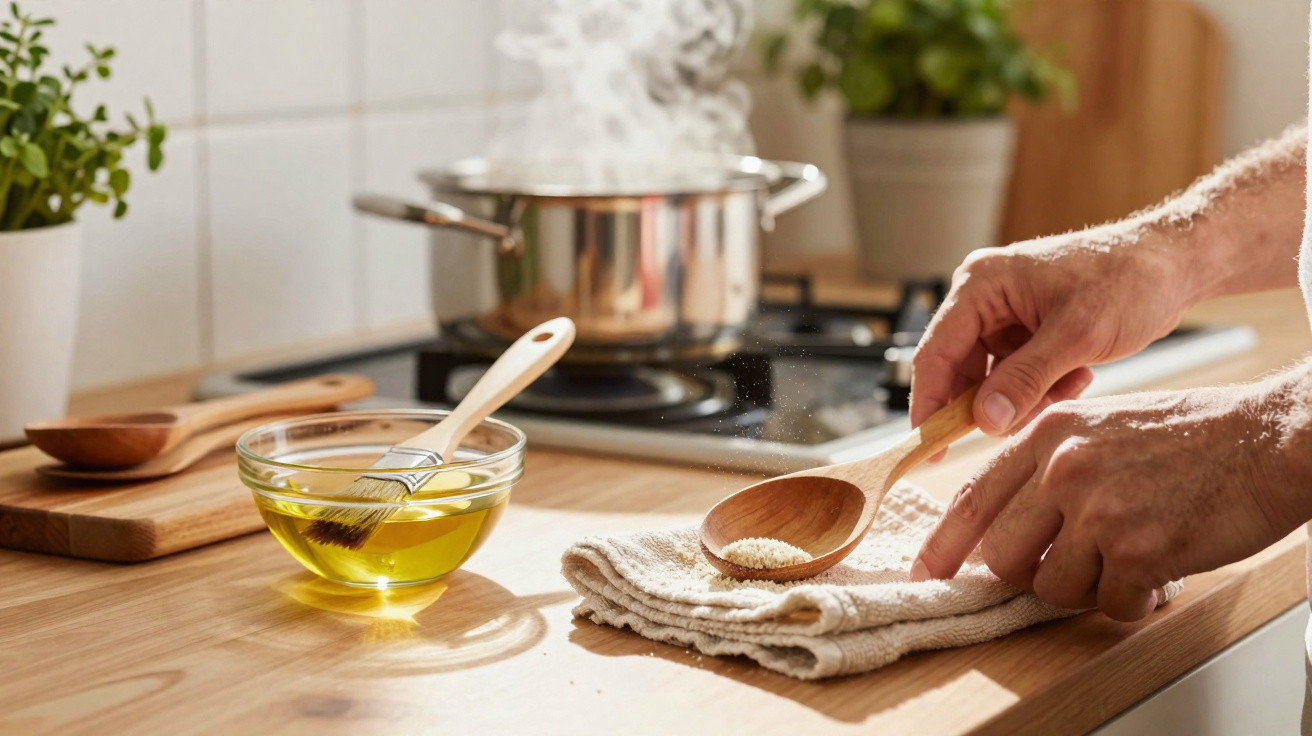
In plenty of homes, wooden spoons, spatulas and breakfast boards are regularly plunged into boiling water to get them “properly clean”. A television expert has now challenged that habit head-on, explaining why this well‑meant reflex actually damages the material - and what a much better, straightforward care routine looks like.
Why boiling wooden kitchen tools is a bad idea
Wood is seen as tough and natural, so many people assume it can cope with anything. When hygiene is the concern, some reach for the most extreme option they can think of: wooden utensils are boiled for several minutes in vigorously bubbling water, sometimes even with washing‑up liquid or vinegar.
A specialist who appeared on a TV breakfast programme strongly disagrees with this approach. When wood is boiled, changes take place inside the fibres that you cannot immediately spot - the drawbacks only become obvious over time.
"When wood is boiled, natural components leach out, the material absorbs water, swells up and permanently loses stability."
The expert says that heating causes the tannins (natural tanning agents) in the wood to seep into the water. This not only turns the liquid brownish; it also alters the wood’s structure. The pores open up, moisture penetrates deeply, and afterwards the utensil can feel soft and spongy - and it is more likely to crack sooner.
With chopping boards and spatulas in particular, which already deal with big temperature changes, this speeds up ageing. Rather than becoming more hygienic, the surface develops splits and indentations where germs can settle very comfortably.
What constant soaking means for hygiene
Damp, swollen wood takes longer to dry. If moisture remains trapped inside, it creates ideal conditions for bacteria and mould spores. From the outside, the board may eventually look blotchy and unattractive, and sometimes it develops a musty smell.
After boiling, wet wooden items often end up straight on the worktop or are hurried into a cupboard. That gives them even less chance to dry completely. Anyone thinking they have just disinfected thoroughly may, in reality, be creating fresh hygiene issues.
- more hairline cracks and grooves on the surface
- longer drying times, often with moisture left inside
- micro-cracks that hide food residue and germs
- higher risk of odours and discolouration
That is exactly why the specialist’s advice is clear: wooden spoons and boards do not belong in a pot of boiling water - and they also do not belong in the dishwasher, where hot water, harsh detergents and abrupt temperature shifts can attack the surface just as aggressively.
The clever alternative: gentle cleaning, fine sandpaper, a little oil
Instead of relying on brute heat, the expert recommends a simple routine that is far kinder to the wood. It boils down to three steps and can be done with everyday household items.
Step 1: Daily cleaning with a mild product
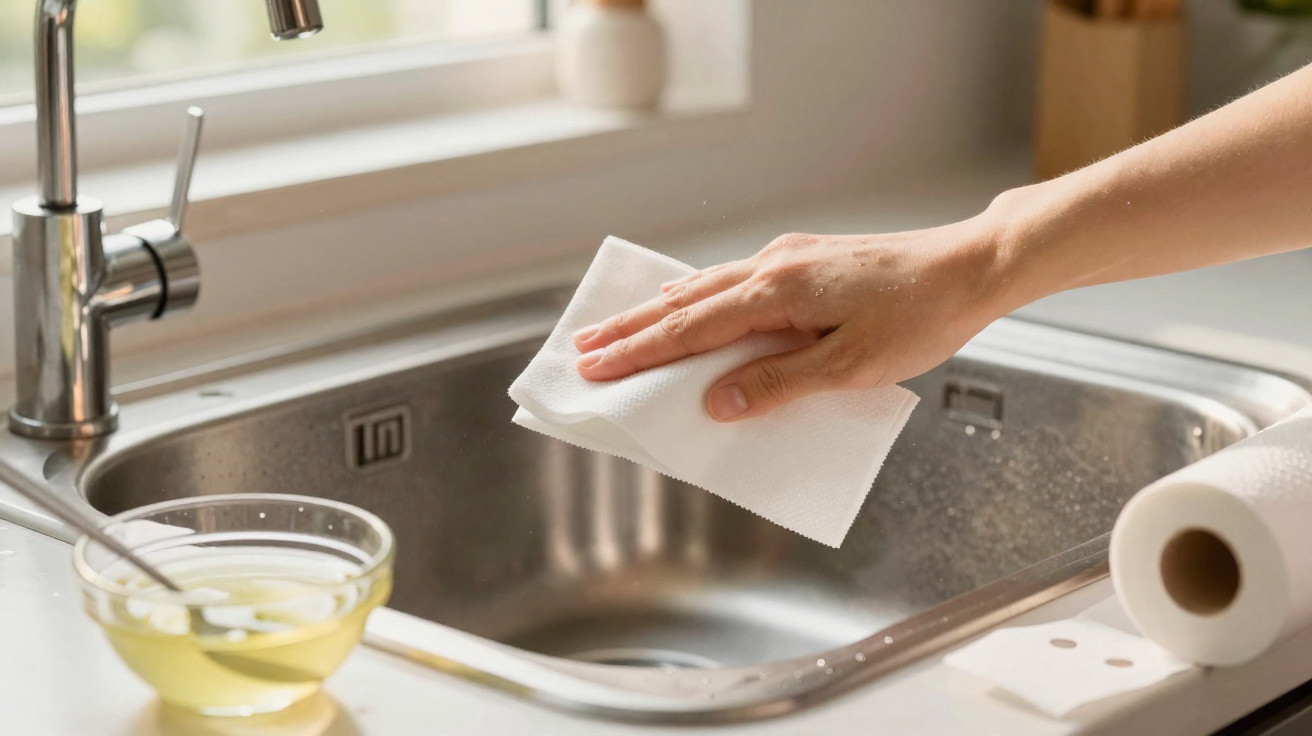
For day-to-day use, lukewarm water with a gentle washing‑up liquid is enough. If you prefer, you can use traditional soap (such as a mild household bar soap). A sponge or soft brush will reliably lift off fresh food residue.
For stronger smells, or after preparing something greasy, the expert suggests adding a splash of household vinegar. It helps cut through grease and is mildly disinfecting. The key point is to rinse the wood well afterwards so that no soap or vinegar remains.
Step 2: Deep care with fine sandpaper
At regular intervals - depending on use, roughly every few weeks or every few months - the expert recommends a kind of “mini restoration”. For this, he uses fine sandpaper, for example 180 grit.
"A quick sand with fine paper removes the top, worn layer - the wood feels smooth and hygienic again."
It is important to sand with the grain. A few strokes are usually enough to remove stains, grey patches or lightly roughened areas. Then wipe away the sanding dust thoroughly with a dry cloth.
Step 3: Protection with food-safe oil
To finish, the spoon or board gets a protective seal. A neutral, low‑odour cooking oil that is suitable for consumption works well, such as:
- refined sunflower oil
- grapeseed oil
- a specialist food‑grade care oil for wooden kitchen tools
Put a few drops on a soft cloth and rub in a thin layer until the surface has an even, slight sheen. After a few minutes, remove any excess with a clean cloth so the finish does not turn sticky. The oil conditions the fibres, improves resistance to moisture and leaves the wood feeling smooth.
Why wooden utensils are still a clear winner despite the upkeep
Many experts now consider wood the better option compared with plastic. The reason is growing concern about plasticisers and other chemical components that may leach out of plastic when heated.
A well-known medical doctor recently issued a stark warning about everyday plastic spoons and spatulas. In his view, certain substances from plastics are suspected of affecting the hormone system. He specifically mentioned:
- an increased risk of malformations in the genital area in boys
- a possible contribution to early puberty in girls
- links with hormone‑dependent cancers such as breast or prostate cancer
His message is unambiguous: plastic should be removed from the kitchen as far as possible, especially wherever it is exposed to high heat - for example in frying pans, pots or the microwave.
"Well-cared-for wooden utensils are gentle on non-stick pans, free from plasticisers and, with proper handling, extremely durable."
Wood also protects the surfaces of pots and pans, does not scratch non‑stick coatings, and feels warm and pleasant in the hand while cooking. If sustainability matters to you, you can choose items made from certified forestry, which often performs far better than many plastic tools.
Practical tips for everyday use with wooden spoons and more
To keep wood hygienic and looking good for a long time, a short kitchen checklist helps:
- Rinse straight after use with lukewarm water so nothing dries on.
- Clean with mild washing‑up liquid and a brush; do not leave to soak for hours.
- Never put it in the dishwasher - heat and detergents damage the wood.
- Stand items up or prop them upright to dry so air can circulate.
- If there is discolouration or a rough surface, refresh with fine sandpaper.
- Oil lightly at regular intervals.
If you have badly damaged or deeply cracked boards, it is best not to keep using them indefinitely. Deep cracks are difficult to keep clean, and replacement is often the sensible option. For everyday cooking, a small basic set of wooden tools works well: a stirring spoon, a spatula, a chopping board for vegetables and another for bread - enough to cover most tasks in many households.
Common myths about wood in the kitchen
Wood is still seen by some as a “germ magnet”, especially compared with glass or stainless steel. Interestingly, various studies indicate that with proper care, wood is not inherently less hygienic. Some types of wood even have natural antimicrobial properties.
Another misconception is: “If the board is really wet, the dirt comes off more easily.” In fact, the opposite applies. Constant moisture encourages mould and odours, while short, thorough cleaning is far more effective. Even the old trick of putting a piece of kitchen roll under a wet board only helps to a limited extent - it may absorb some water, but it also blocks airflow.
If you stick to these simple care principles and avoid boiling, you can use wooden kitchen tools safely for many years. Switching from plastic to wood then becomes not just a matter of style, but a choice for greater safety when cooking - without making everyday life in the kitchen any more complicated.

Comments
No comments yet. Be the first to comment!
Leave a Comment