

The shower tiles seem fine at a glance. There’s a little soap scum on the edges, a slight haze on the mirror-nothing that screams for attention. You swipe a circle with your hand, shrug, and promise yourself you’ll “do a proper clean” at the weekend. The kitchen worktops? Clear enough. The floor? No obvious crumbs, so your mind files it under “later” and you carry on. Life is busy, and cleaning only feels urgent when something genuinely looks nasty.
Then one day you wipe underneath the toaster and the cloth comes away grey. You shift the sofa and uncover what looks like an archaeological layer of dust, hair, and forgotten popcorn. The house never looked that dirty… and yet you’ve been living in it.
That space between what we notice and what’s actually there is where the problems begin.
Why “looks clean” is quietly lying to you
Most people clean in response to what they can see. We tackle what our eyes complain about: the smear on the fridge, the mark on the cushion, the baked-on grime around the hob. If a surface appears fine, the brain gives it a free pass and says, “That’ll do.” The snag is that when something finally looks dirty, it’s usually been building up for quite some time.
Our eyes don’t work like microscopes. Dust, bacteria, pollen, pet dander, and tiny food particles can accumulate long before they register as a visible mess. The result is a home that photographs as spotless, but doesn’t always feel fresh day to day.
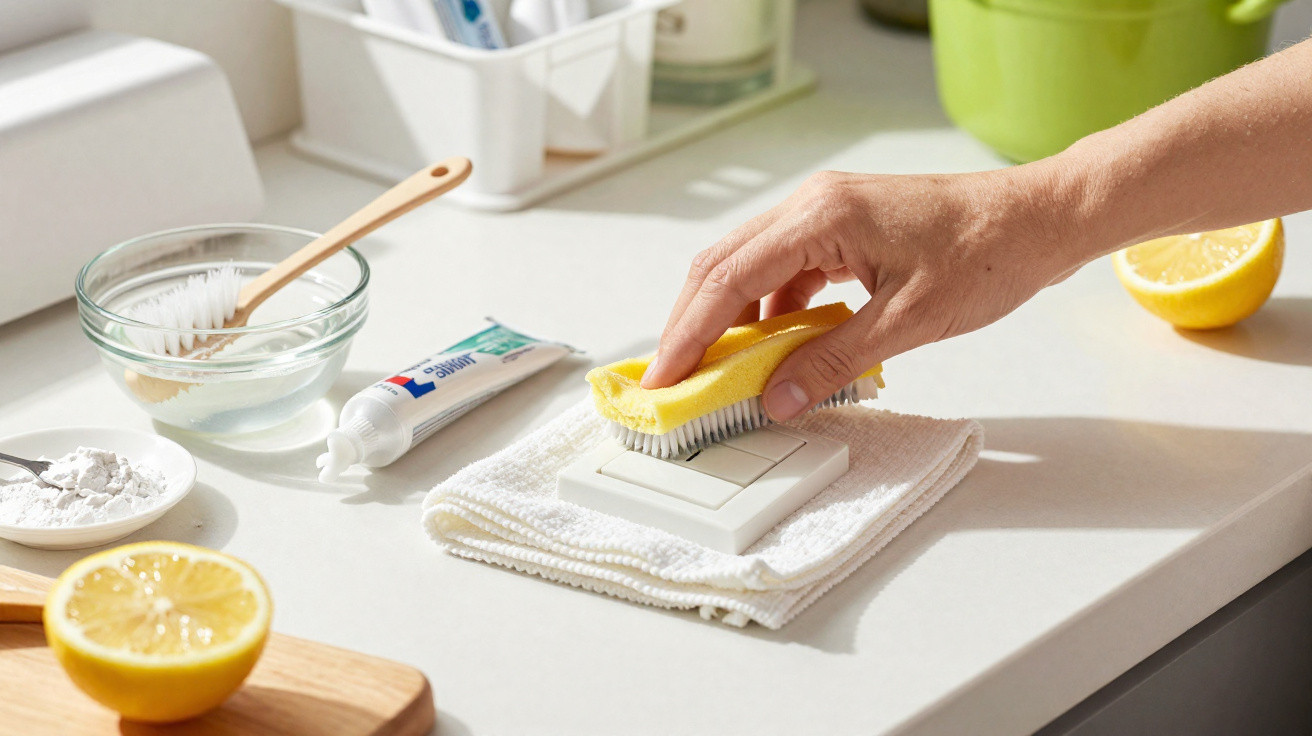
Take the bathroom. You may only clock the grout once it starts to darken, or notice the shower when an orange ring begins creeping up a corner. Yet research into household hygiene often points to the highest germ levels being found on light switches, door handles, and toothbrush holders-places that rarely look dirty. One UK survey found that over 60% of kitchen sponges tested carried dangerous levels of bacteria, even though most appeared normal at first glance.
You’ve probably had the same unpleasant surprise with your phone screen or your keyboard. One quick wipe with a white cloth and the “clean enough” story falls apart.
There’s a straightforward explanation for the mismatch. Our brains are tuned to spot contrast and sudden change, not slow accumulation. Dust doesn’t appear like a switch flicking on-it builds more like a dimmer being turned, little by little. As the days pass, tiny particles settle on the same areas and your eyes adjust, so nothing seems dramatically worse… until you move furniture or catch the light at just the right angle and see the full outline of dust. What you can see is only the very top layer of a long, gradual, mostly hidden build-up that started weeks or even months ago.
If you only clean when something looks bad, you’re always arriving late to the problem.
How to clean before the dirt becomes a problem
The most effective approach isn’t scrubbing harder-it’s dealing with it sooner. Think of cleaning the way you think about brushing your teeth: you don’t wait for a cavity before you pick up the toothbrush. One practical tactic is to divide your home into “zones” (kitchen, bathroom, bedroom, living area, entryway) and assign small, unglamorous jobs to specific days rather than relying on motivation.
For instance, Monday could be “surfaces day” (wiping handles, switches, and worktops), Wednesday for floors, and Friday for quick bathroom touch-ups. Nothing dramatic-just 10–20 minutes of routine upkeep that doesn’t wait for visible grime.
The biggest trap is the “I’ll do it when it’s really dirty” mindset. It sounds sensible and efficient, but it often creates big, exhausting cleaning sessions that swallow your weekend. Most of us know that moment: you finally get the hoover out and realise you’ve got a three-hour job ahead because the last month has quietly settled into every corner.
The longer you put it off, the heavier the task becomes-and the more likely you are to avoid it altogether. That’s when the guilt and low-level stress start creeping in. To be fair, nobody manages this perfectly every single day. Even so, a loose routine beats waiting until the mess starts shouting for your attention.
“Cleaning only when something looks dirty is like going to the dentist only when a tooth falls out. You’re not ‘saving time’, you’re just postponing the moment it hurts.”
- Daily micro-habits
Wipe bathroom surfaces after your shower, rinse the basin after brushing, and give the kitchen worktop a quick once-over after each meal. - Weekly anchors
Choose one “anchor moment”-such as after Sunday breakfast-for hoovering and a quick dust, before crumbs and fluff become obvious. - Monthly deeper focus
Pull the sofa out, clean under large appliances, wash cushions or throws, and tackle the forgotten spots like skirting boards or vents. - Seasonal reset
Once per season, declutter one zone, wash curtains or blinds, and check the hidden dirt traps: under beds, behind doors, on top of wardrobes. - Touch points first
Handles, remotes, switches, taps-these don’t always appear dirty, but cleaning them regularly makes a noticeable difference to how “fresh” your home feels.
Living in the space between “picture-perfect” and “actually clean”
When you stop judging cleanliness solely by what you can see and start leaning on a gentle routine, something changes. Your home may not always look like a magazine spread, but it begins to feel lighter-less sticky, easier to breathe in. That subtle morning freshness, the way your socks stay clean for longer, the lack of that odd smell near the sink-those are the quiet rewards of cleaning earlier rather than scrubbing harder.
You’re not aiming for perfection. You’re simply not letting invisible build-up take over your space in the background.
| Key point | Detail | Value for the reader |
|---|---|---|
| Invisible dirt builds early | Germs, dust and residue accumulate well before they show up | Explains why waiting for a “visible mess” often backfires |
| Routine beats motivation | Small, planned tasks replace big, draining clean-ups | Cuts stress and saves time over weeks and months |
| Focus on touch points | Handles, switches and remotes carry more germs than they reveal | Improves hygiene and comfort without extra effort |
FAQ:
- How often should I clean if my home already looks tidy? Do light maintenance most days (a few minutes), a weekly pass for floors and bathrooms, and a deeper focus once a month. Start small and adjust to your reality.
- Is it bad if I only deep-clean once every few months? Not “bad”, but you’ll likely deal with more dust, allergens and hidden grime. Spreading the work into smaller, regular steps makes life easier.
- What should I clean even if it doesn’t look dirty? Door handles, light switches, remotes, phones, the kitchen sponge area, bathroom taps, and around the toilet. These are high-contact zones.
- How can I avoid spending all weekend cleaning? Break tasks into 10–20 minute chunks across the week. Tie them to existing habits: after dinner, after shower, before bed.
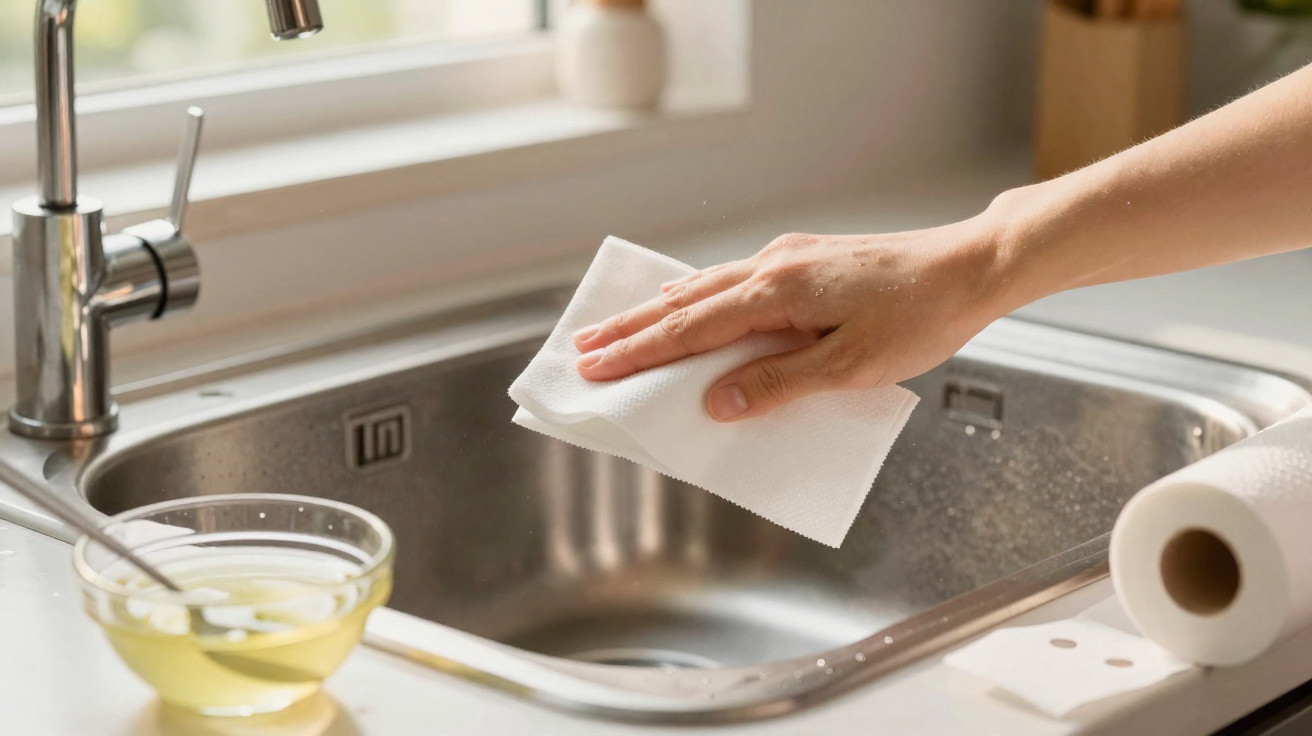
- Do I need special products for invisible dirt? No. A basic multipurpose cleaner, a bathroom cleaner, washing-up liquid, and microfibre cloths are usually enough for regular, proactive cleaning.



Comments
No comments yet. Be the first to comment!
Leave a Comment