
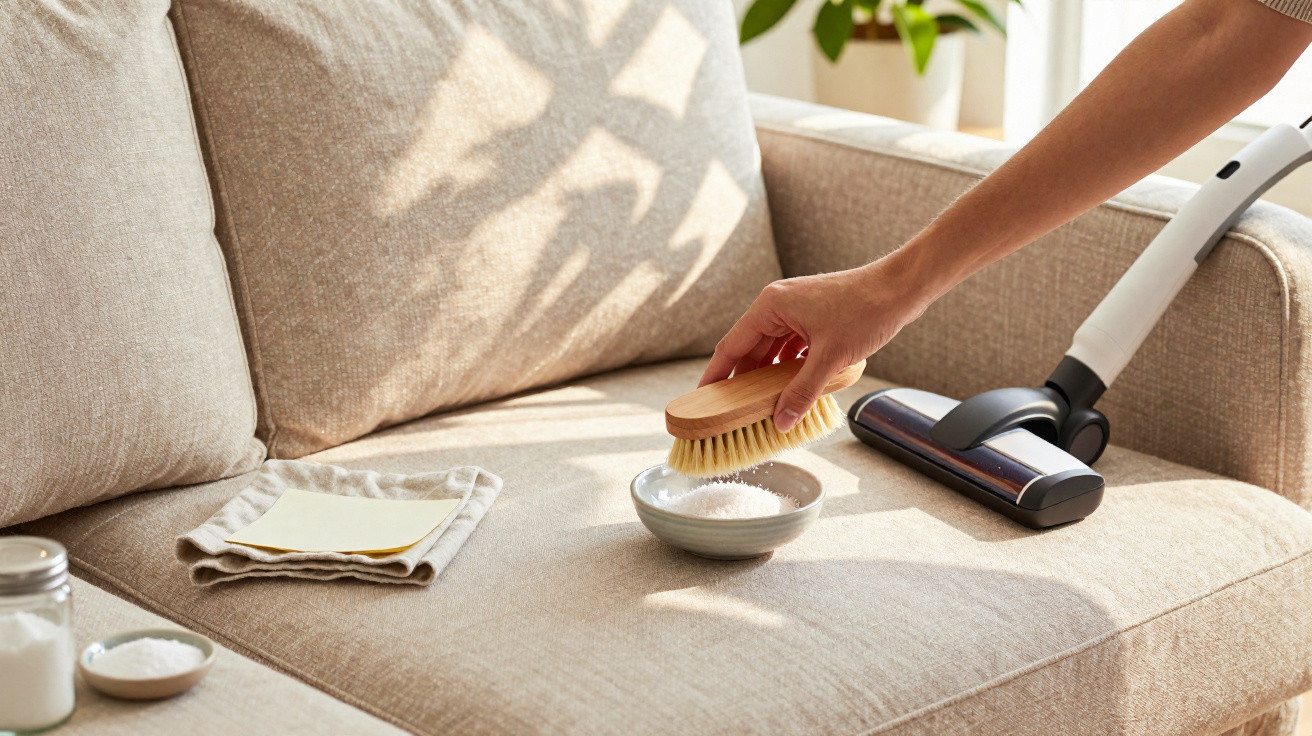
Between streaming binges, children’s snacks and the dog’s preferred nap place, the sofa quietly turns into the most used surface in the house. It can collect dust, damp and lingering smells well before anyone gets round to a proper clean.
The hidden health problem sitting in your living room
European public health bodies caution that upholstered furniture may harbour millions of dust mites in just one square metre of fabric. These tiny organisms live off shed skin and thrive in a sofa’s warm, slightly moist padding.
If you have asthma, eczema or seasonal allergies, the accumulation of mites, pet dander and fine dust may set off symptoms even when the room appears spotless. Smells from food, perspiration and smoke also latch on to fibres and gradually affect the living room’s air quality.
Regular sofa care is less about interior design and more about keeping the air you breathe at home reasonably clean.
Studies have associated indoor soft furnishings with a constant, low-level presence of allergens in the air. Each time someone sits down or plumps a cushion, tiny particles can lift and circulate. When cleaning is left too long, bacteria and mould spores have time to embed themselves deeper into the upholstery.
The household ingredient that quietly refreshes fabric
Rather than immediately buying pricey fabric fresheners, a growing number of cleaning specialists point to a plain kitchen staple: everyday table salt. Although sodium chloride is best known for cooking, its physical characteristics can make it unexpectedly handy on textiles.
Salt crystals naturally pull in moisture from the surrounding air and from slightly damp fibres. Because this hygroscopic action lowers surface humidity, it reduces the conditions that help bacteria and mould spread. The same moisture-drawing effect can also influence odour compounds that get trapped within the weave.
- Salt draws out residual moisture from the upper fibres of the fabric.
- It binds some of the volatile compounds responsible for stale smells.
- A dry, salty micro-environment discourages microbial growth on the surface.
- On pale fabrics, it can slightly brighten dulled areas without harsh bleaching.
Salt does not act like a miracle detergent, but it works like a simple, dry filter that absorbs moisture, smells and light organic residue.
Tests in laboratories using porous materials indicate that fine salt can measurably reduce surface humidity in under an hour. In sofa terms, that often translates into a fresher feel and a less stale scent, particularly in smaller rooms with limited ventilation.
How the “salt sofa reset” works in practice
This approach is deliberately simple and fast, making it easier to stick with. It’s generally suitable for cotton, linen, velvet and most microfibre upholstery, but it is not intended for leather or imitation leather, which require different methods.
The step-by-step routine
| Stage | What to do | Suggested time |
|---|---|---|
| 1. Vacuum | Use a soft brush attachment on seat, back and crevices to remove loose dirt and crumbs. | 10 minutes |
| 2. Sprinkle | Spread 2–3 tablespoons of fine table salt per square metre across the fabric. | 5 minutes |
| 3. Massage | Gently work the grains into the surface with a dry brush or cotton cloth. | 5 minutes |
| 4. Wait | Leave the sofa untouched for 30–40 minutes; up to an hour in damp homes. | 30–60 minutes |
| 5. Remove | Vacuum again to pull out the salt along with absorbed residue. | 10 minutes |
Once you’ve completed the cycle, the upholstery commonly feels less clammy and more dry to the touch, even when there was no obvious stain. Many people also find the familiar “living room smell” fades, particularly when windows stay shut for long stretches during the colder months.
How often to do it
Indoor air professionals often recommend a quick refresh every two to three weeks for households with pets, smokers or small children. In calmer households, doing it monthly is usually enough to keep smells in check. Because it only takes a few spoonfuls each time, the overall cost remains very low.
Short, frequent sessions tend to work better than a rare, heavy clean that never quite fits into a busy week.
Where salt reaches its limit
Salt is useful for tackling mild dampness and light odours, but it won’t cut through grease or lift dark, set-in stains. For those issues, a more specific treatment is best, ideally applied before marks fully dry.
- Oily marks from skin or food: blot gently with kitchen paper straight away, then dab with a small amount of isopropyl alcohol on a cloth, testing first on a hidden area.
- Coloured drinks, tea or wine: treat quickly with a 50:50 mix of white vinegar and water, applied sparingly with a damp cloth.
- Persistent odours such as smoke or urine: apply baking soda dry over the affected area, leave for several hours, then vacuum thoroughly.
- Shiny synthetic fabrics: always test any method on the back or underside to check for marks or dull patches.
In homes where people smoke indoors, nicotine and tar residues can adhere firmly to fibres. Professional cleaners frequently advise occasional steam treatments alongside home methods, as heat can reach layers that dry absorbents such as salt cannot.
Natural partners: building a low-chemical sofa routine
Many families are now trying to reduce their reliance on strong cleaning chemicals for budget, health and environmental reasons. Using a combination of simple cupboard items can help keep upholstery fresh without heavy fragrances or harsh solvents.
- Baking soda: works particularly well on strong odours; a light mix of salt and baking soda boosts moisture and smell absorption in one step.
- White vinegar: loosens light grease and some colourants; better used on a cloth than sprayed directly to avoid overwetting the foam.
- Steam cleaning: a home steam device at around 100 °C can reduce mites and surface mould, as long as the fabric label allows it and the sofa dries completely afterwards.
- Lemon-based freshener: a spray bottle filled with water and a small amount of fresh lemon juice provides a quick, light scent without synthetic perfume, used only on colourfast fabrics.
Households that rely mainly on these basic ingredients often report spending noticeably less on branded cleaning products each year.
European consumer groups have noted a distinct trend: households that adopt a mixed, natural routine-rotating salt, baking soda, vinegar and occasional steam-reduce a meaningful portion of their annual cleaning spend, while also cutting their exposure to volatile organic compounds from sprays and scented products.
Balancing convenience, comfort and indoor air
Although the sofa is central to everyday life, it rarely receives the same routine attention as kitchen worktops or bathroom tiles. That oversight matters because people spend hours each day in close contact with this one item of furniture.
Researchers focusing on indoor air often compare cleaning textiles to opening windows or replacing a filter in a ventilation system. Layers of crumbs and dust left inside the fabric slowly degrade, feeding what specialists describe as the “indoor dust ecosystem”.
Thinking of the sofa as a shared breathing space, not just a seating area, changes how often many people choose to care for it.
Using salt regularly is a practical middle ground between a full deep clean and doing nothing at all. It helps bring down moisture and odour levels without adding extra synthetic chemicals to a home environment that may already be full of them. For busy households, that trade-off-fast enough to keep up, yet still supportive of health-often determines whether the habit sticks after the first try.
Beyond the sofa: where this trick also helps
The same straightforward technique can also be used on other soft furnishings that seldom fit in the washing machine. Mattresses, fabric headboards, upholstered dining chairs and car seats build up comparable combinations of dust, sweat and everyday odours.
A gentler version of the salt approach on these items-using a bit less product and leaving it on for less time-can freshen them between more thorough cleans. For mattresses, sprinkling a fine layer of baking soda with salt and then allowing a long airing period by an open window often makes the bedroom smell noticeably cleaner.
For allergy sufferers, medical guidance still prioritises hot-washing removable covers and using protective encasements. Even so, small and regular maintenance on non-removable parts of furniture can help reduce the overall allergen load indoors. Salt is not a substitute for medical care or professional cleaning when it’s required, but it does provide a simple, accessible tool that most households already keep in the cupboard.

Comments
No comments yet. Be the first to comment!
Leave a Comment