
Finding efficient ways to keep your home cool without using extra electricity can deliver practical, DIY solutions that genuinely change your day-to-day routine… Read more
Getting through sticky, stifling days inside an overheated home calls for ingenuity and a few smart techniques when you do not have cooling appliances. One long-standing approach rooted in European habits can improve indoor comfort by using moisture strategically, helping rooms cool down with speed.
How do Mediterranean communities cope with extreme heat?
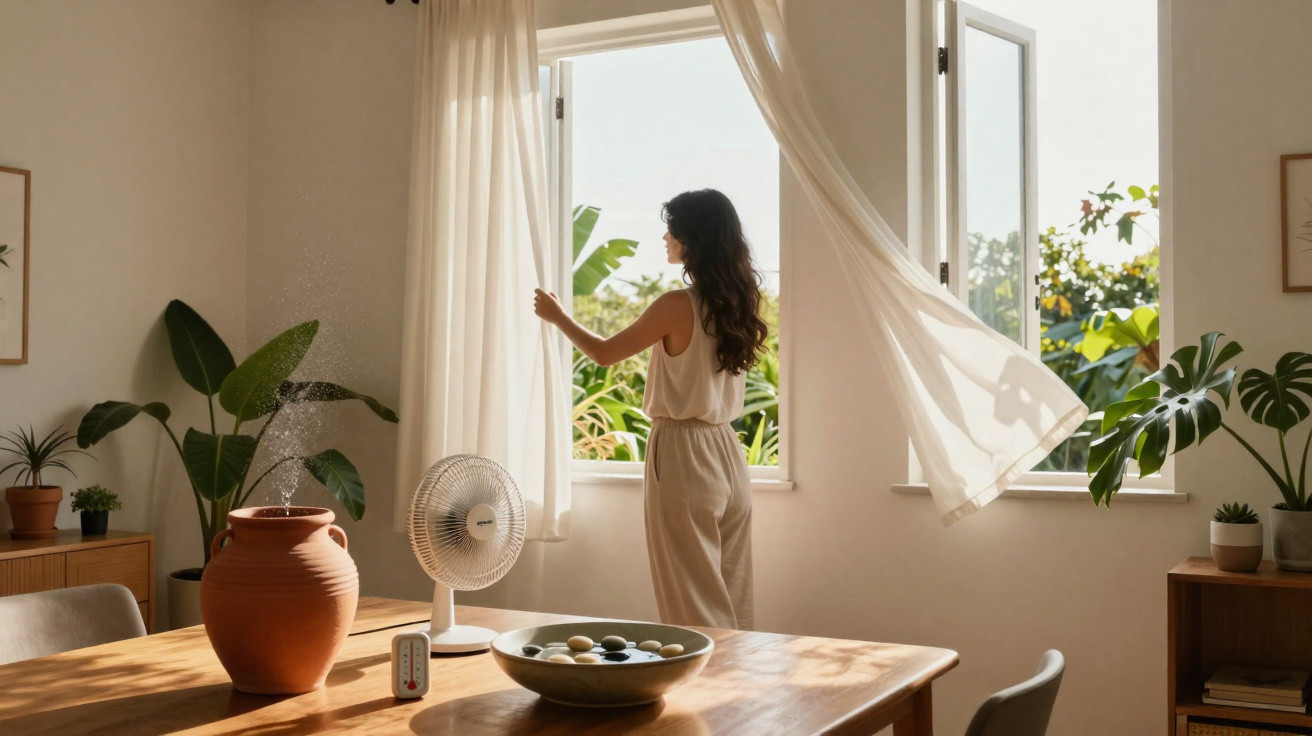
Across Europe’s hotter areas, residents live with harsh weather without relying on complicated structural renovations. A centuries-old custom of placing damp items near household openings takes advantage of natural air movement, creating an ongoing, very pleasant sense of coolness.
In historic places, this traditional practice can ease that close, muggy feeling without drawing large amounts of electrical power. It works by combining water evaporation with cross-breezes, encouraging heat exchange that shifts indoor temperature in a sustainable and completely cost-effective way.
A few essential points help this traditional method work well in any home during the afternoon:
- Correct placement of the cloth in relation to the wind
- Strategic opening of windows on opposite sides of the space
- Choosing fabrics that hold water well
Why does bioclimatic architecture value these methods?
Leading specialists in sustainable buildings note that relying solely on mechanical cooling can overload global energy networks. Learning from vernacular designs makes it possible to create homes that suit the local climate, limiting heat gain and making the most of natural cooling resources.
In various countries, measures such as reflective roof paint and carefully orientated openings deliver strong results for thermal relief. Understanding these atmospheric dynamics prevents hot air from being trapped and helps turn homes into healthier spaces with excellent comfort.
Below is a video produced by the DW Brasil channel on YouTube, explaining the global challenges of climate control and more sustainable alternatives:
Which items improve evaporative cooling at home?
Putting an evaporative method into practice takes only a few everyday household items, yet it can be noticeably effective in stuffy rooms. Using the late-afternoon airflow boosts air exchange, freshening the immediate atmosphere while reducing the discomfort of heat in a thoroughly practical way.
Carefully managing indoor humidity helps stop walls from storing thermal energy built up through continuous solar radiation. People who make these small daily adjustments often find their routine becomes more balanced, with better relief and peace of mind at night.
Thermal Relief Kit
Basic components - what you need to put the tip into action:
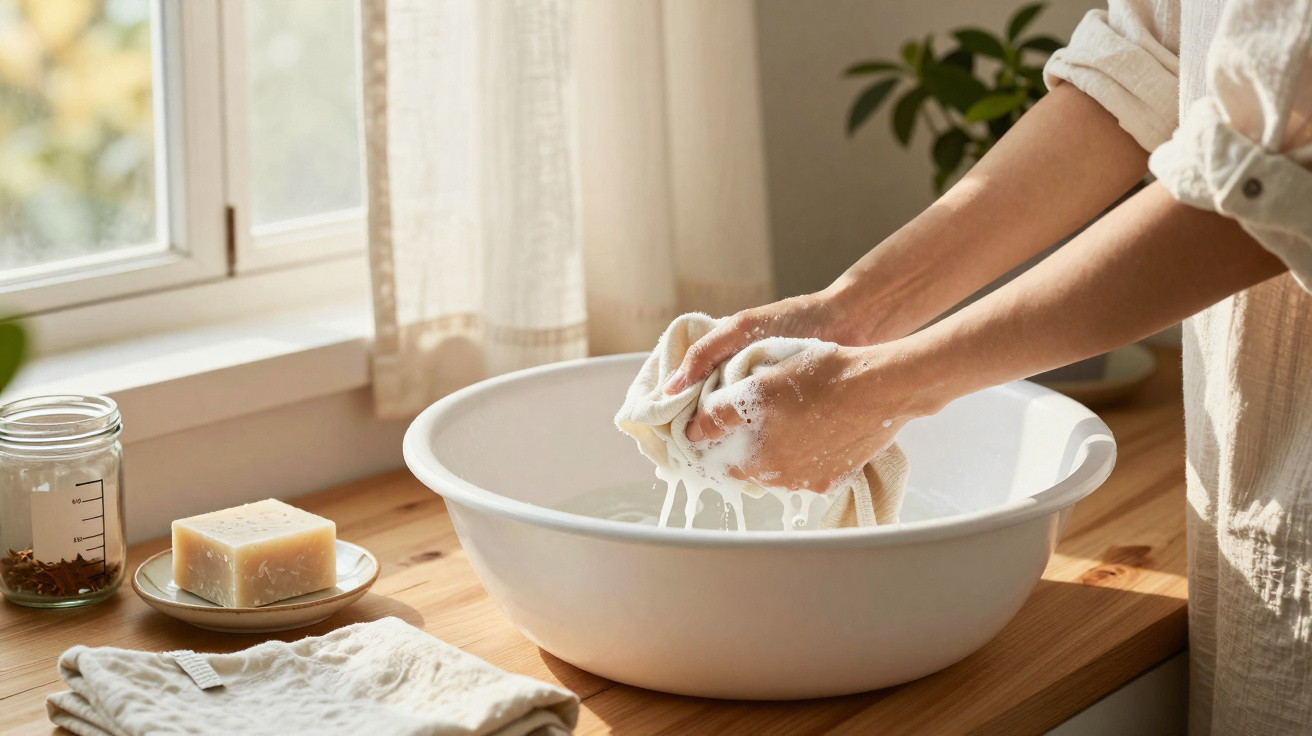
- A clean cotton cloth, thoroughly dampened
- An open window positioned to catch the airflow
- A fan to help maximise indoor circulation
How does cross-ventilation strengthen the cooling effect?
Guiding airflow deliberately speeds up the removal of hot, stagnant air that often gathers near the ceiling. Creating two connected openings allows the outside breeze to push that trapped mass out, providing constant renewal of oxygen and easing heat.
As outdoor air passes the wet barrier, tiny water droplets evaporate immediately, drawing thermal energy from the room. This straightforward physical process helps the indoor temperature drop gradually, creating a far more pleasant and fresh atmosphere.
How well this air renewal works depends directly on a few simple actions throughout the day:
- Keep internal doors open so air can move freely
- Re-wet the fabric again as soon as it dries out completely
- Take advantage of gentler winds towards early evening
What are the benefits of choosing sustainable solutions at home?
Using tactics based on natural resources significantly reduces dependence on appliances that can drive up monthly bills. Opting for these eco-friendly methods lowers the urban carbon footprint and supports meaningful family awareness around preservation.
These small, daily changes show that lasting thermal comfort is possible without excessive spending or major structural work. Finding the right balance by working with the climate brings immediate benefits for your budget and for long-term health.
Comments
No comments yet. Be the first to comment!
Leave a Comment