
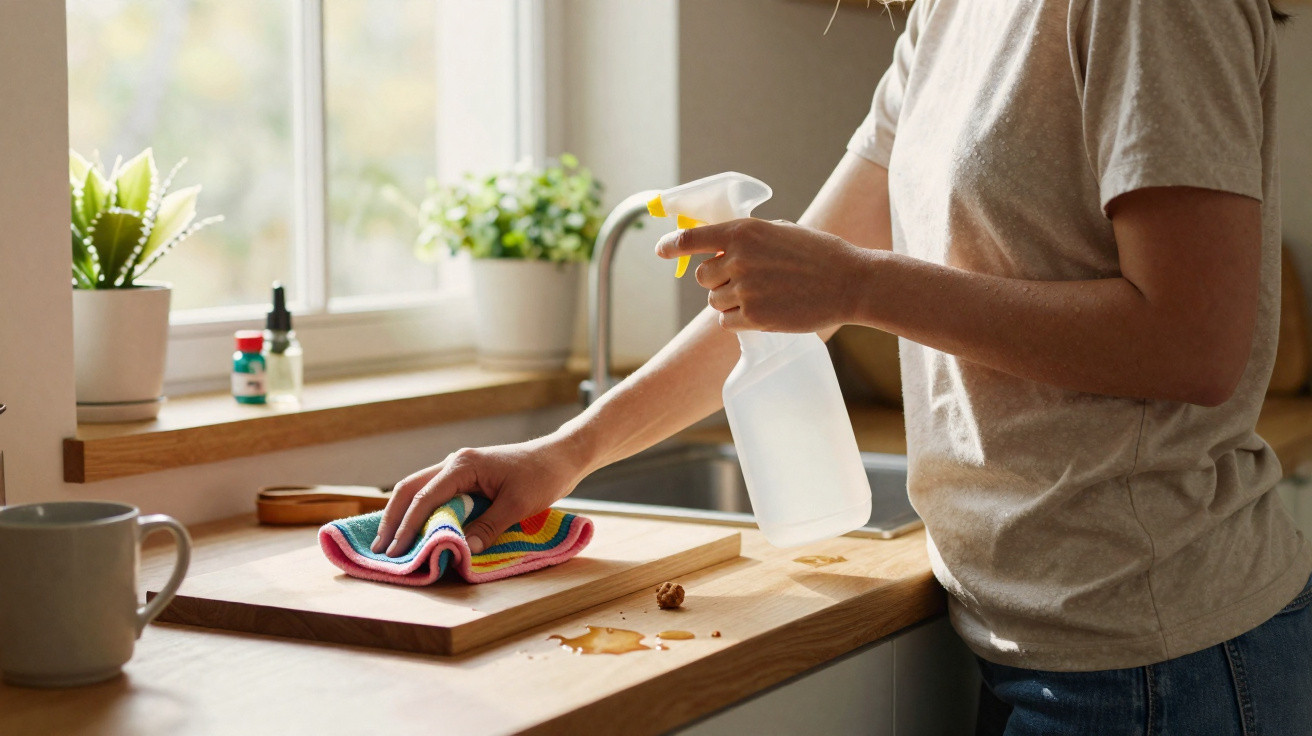
It often begins with the gentle hum of the extractor fan and the pleasing “pschhh” from a spray bottle. You set out merely to wipe the worktop, yet before long you are emptying cupboards, drenching every surface and scrubbing as though you are competing in a cleaning programme no one is recording. Twenty minutes on, the kitchen reeks of a swimming pool, your hands feel parched, and you are surprisingly exhausted for somebody who “just tidied up a bit”.
The ironic thing is that the habit you believe is helping could quietly be damaging your home, your budget and even your allergies.
The household job that many of us overdo without ever questioning it is sitting in plain view on our shelves.
The chore we’ve secretly turned into a sport
That job is cleaning itself.
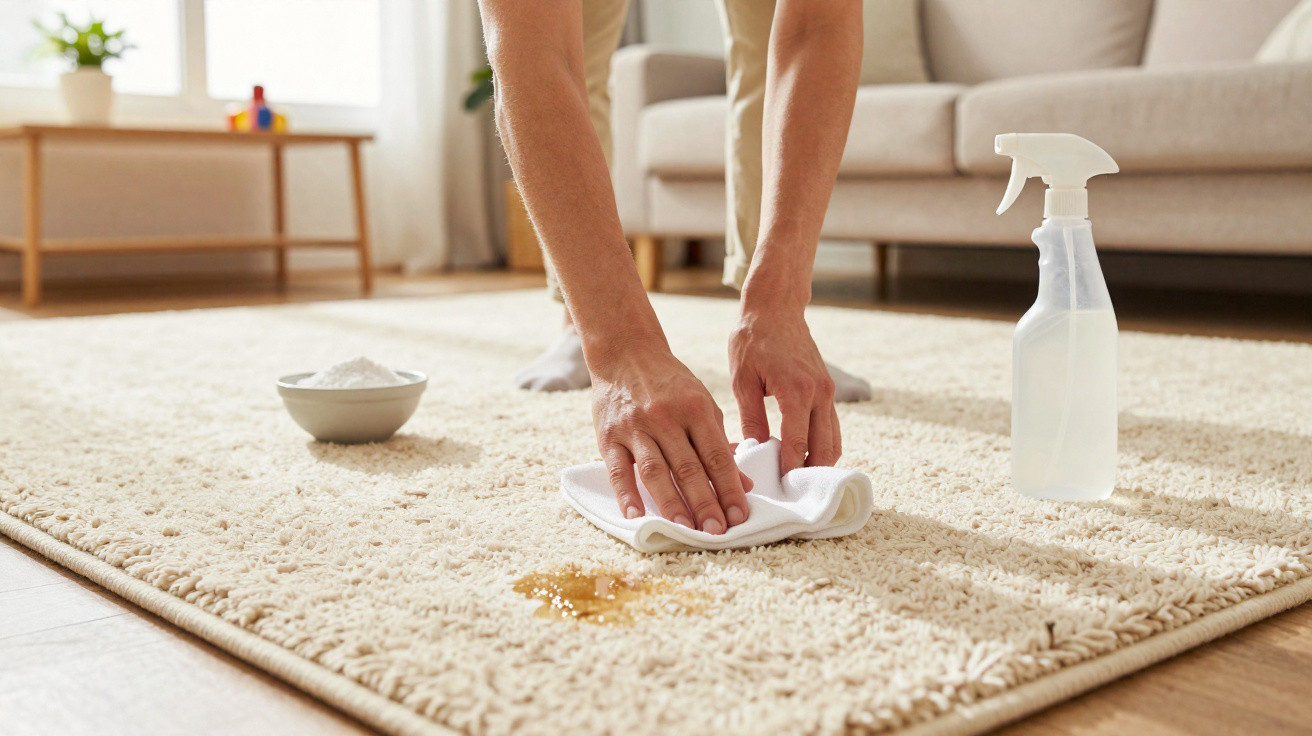
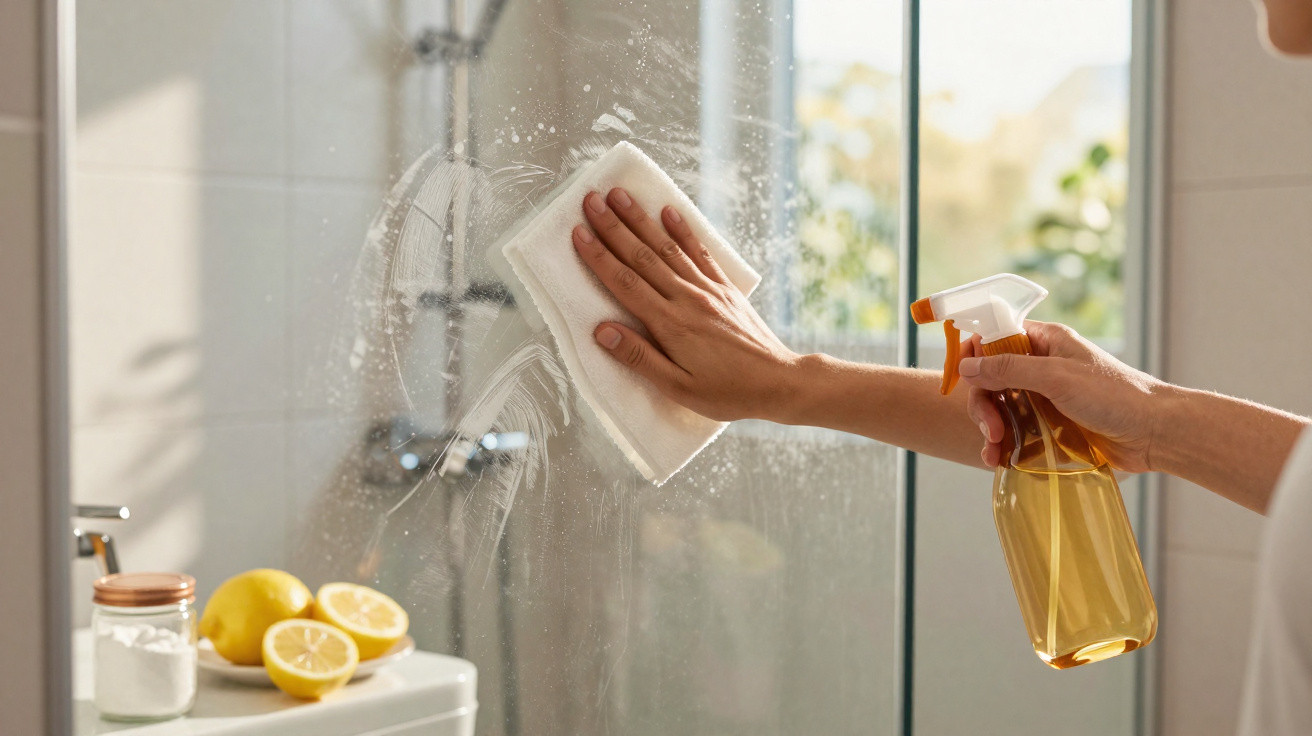
It is not vacuuming or washing clothes. The champion of excess is everyday surface cleaning: worktops, floors, bathrooms, sinks and mirrors, all sprayed, wiped and disinfected much more often than necessary.
We live in an age where a mildly sticky table can feel like a personal failing. So we scrub. The spray bottle turns into a sort of stress reliever. Had a difficult day? Clean the bathroom. Received an odd email? Wipe the fridge door. It offers a little control in a chaotic world. Yet that desire for control can quickly become excessive.
Spend a day alongside any professional housekeeper and you soon notice something. They certainly clean, but not remotely in the way most of us tackle our own homes.
A professional will not drench the same worktop three times in one day using three separate products. They do not mop a lounge floor that is already spotless merely because they want it to feel fresh. They use fewer products, take less time and still leave the space gleaming.
One cleaning company I spoke to believes that many clients could reduce their household product use by almost half without any noticeable fall in cleanliness. Half. That is not a small adjustment; it is a way of life.
Why, then, do we take it so far?
Marketing provides part of the explanation. For twenty years, adverts have implied that “99.9% of bacteria” is the only figure we should accept. They suggest every room requires a dedicated spray, and that a “deep clean” is a weekly duty rather than something done twice yearly.
Add social-media videos of sparkling sinks and refrigerator “restocks”, and even a little dust begins to seem like failure. We mistake sanitised for safe, spotless for “good enough”, and basic upkeep for a moral obligation. We’re not just cleaning the house, we’re cleaning our anxiety.
How to clean less, but better
There is a more sensible approach.
Rather than endlessly repeating tasks, think in layers. Each day, deal with the areas that have genuinely become dirty: crumbs on the worktop, toothpaste in the sink and shoe marks by the door. Once a week, take care of everything else, including floors, bathroom surfaces and dusting. Deep cleaning should be seasonal, not a Saturday punishment.
Set up one brief daily “zone ritual”: the kitchen on Monday, the bathroom on Tuesday and the living room on Wednesday. Keep every ritual focused and short. There is no need for an all-house cleaning marathon because you spotted a single hair on the shower wall. Cleaning becomes a lighter, predictable routine instead of a constant source of panic.
Product use is the other major factor. Many people use far too much spray, combine incompatible products or reach for disinfectant for every task, even where it is unnecessary.
Begin with warm water and a microfibre cloth. Then use one multi-surface cleaner for 80% of tasks. Keep stronger disinfectants for toilets, chopping boards after handling raw meat and clear spills or messes. That is all you need.
Honestly, nobody follows this perfectly every day. During some weeks, you may simply wipe away the previous night’s pasta sauce and consider the job finished. That is still fine. A properly lived-in home does not need to smell like a chlorine-filled hotel lobby.
Your body also deserves consideration.
One woman I interviewed, a 34-year-old nurse, discovered that she experienced chronic headaches only on her days off. Her supposedly relaxing cleaning sessions had effectively become a chemical mist. She would mop and scrub, spray air freshener, burn a scented candle, then open her wardrobe to find a mountain of fragranced fabric softener. That combination of perfumes and residues was lingering in the air and entering her lungs.
As one environmental health specialist told me:
“Most people don’t need to clean more. They need to clean smarter, with fewer products and less frequency, especially in small, poorly ventilated rooms.”
There is also the time involved. Every unnecessary wipe and every “quick disinfect” accumulates. Ask yourself truthfully: how much of your cleaning is about hygiene, and how much is simply habit?
- One all-purpose cleaner will generally cover most surfaces.
- Daily touch-ups are better than weekend cleaning marathons.
- Ventilation is more important than perfumed sprays.
- Your home can be healthy without smelling of chemicals.
- Clean to live, not live to clean.
Living in a home that’s clean enough, not obsessively spotless
There is a subtle sense of relief in realising you can do less while still being a responsible adult.
For most families, wiping the kitchen once daily with soapy water is entirely adequate. A weekly bathroom clean, supported by quick touch-ups, will not suddenly allow it to become a health risk. Children are not made of glass, and neither are adults. Once we let go of the pressure to sanitise constantly, something else emerges: time.
Time to cook without wiping the worktop three times while making a meal. Time to read on the sofa without standing up because you noticed a faint mark on the coffee table. Time to have guests over, even when there are crumbs beneath the toaster.
| Key point | Detail | Value for the reader |
|---|---|---|
| Clean less often | Move from continual wiping to daily spot cleaning, weekly routines and seasonal deep cleans | Creates time and mental space without compromising hygiene |
| Use fewer products | Depend on water, microfibre and one or two essential cleaners | Lowers costs, odours and chemical exposure |
| Focus on real dirt, not imagined guilt | Clean what is genuinely dirty rather than what feels “morally wrong” when imperfect | Builds a calmer relationship with your home and personal standards |
FAQ:
- Question 1 How often do I genuinely need to clean my bathroom?
- Answer 1 For most homes, a thorough weekly clean is sufficient, alongside quick daily checks: rinse the sink, wipe visible splashes and ventilate after showering.
- Question 2 Do my kitchen worktops need disinfectant sprays?
- Answer 2 Not necessarily. Hot water and washing-up liquid, or a mild all-purpose cleaner, are suitable for everyday mess. Use disinfectant after raw meat or if somebody is ill.
- Question 3 Is mixing several cleaning products harmful?
- Answer 3 It can be. Certain combinations, particularly bleach with acids such as vinegar or toilet cleaners, can produce dangerous fumes. Use only one product at a time.
- Question 4 How can I tell whether I am “over-cleaning”?
- Answer 4 You are probably doing too much if you re-clean areas that are already clean each day, use numerous different products or clean because of stress rather than visible dirt.
- Question 5 What is one change I could make this week?
- Answer 5 Pick one multi-surface cleaner and use only that, along with water and a cloth, for seven days. Pay attention to how much less effort and time you truly require.
Comments
No comments yet. Be the first to comment!
Leave a Comment