
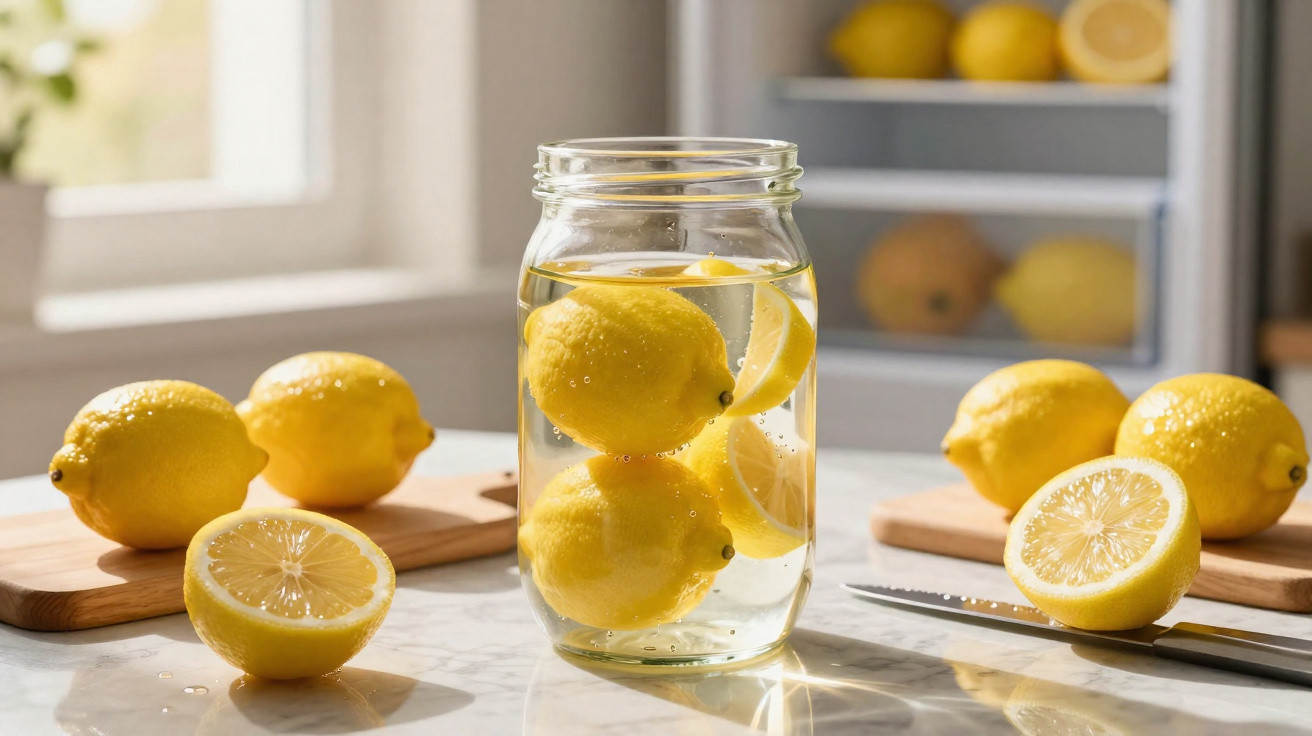
Many households buy lemons online or in bulk packs, only to find brown spots and the first signs of mould appearing after just a few days. A technique currently doing the rounds on social media claims to make lemons last far longer and stay juicy for weeks - using something you already have in the kitchen.
Why lemons go off so quickly in the fridge
Lemons look hardy, but only up to a point. While the peel offers some protection from germs, the fruit steadily loses water over time. As the skin dries out it becomes wrinkled, and that dry surface can turn into an ideal landing place for mould spores.
Keeping lemons in the fridge slows things down, but it doesn’t stop them. Air movement gradually draws moisture out of the fruit. Minor bruises, scuffs from transport, or traces of soil and pesticide residues can also speed up rot. If you simply leave lemons loose in the vegetable drawer, you lose a lot of potential shelf life.
"The combination of moisture loss, exposure to air and leftover dirt makes lemons typical throwaway products - even though a simple method can keep them fresh for weeks."
The water method: bathing lemons instead of letting them dry out
On TikTok, user Kate Lewis has attracted attention with a straightforward trick: she fully submerges whole lemons in water and puts the container in the fridge. It may sound odd at first, but the idea is simple.
A lemon’s peel acts like a breathable outer layer. In the fridge, moisture slowly evaporates from the fruit, the skin dries out and tiny cracks can develop. In water, the opposite happens: the peel stays continuously hydrated, and outward moisture loss drops dramatically.
At the same time, the water forms a protective barrier. Air - and with it mould spores - can barely reach the skin. That helps to slow down spoilage noticeably, without needing any additives.
How the method works, step by step
- Choose a clean glass container with a tight-fitting lid.



Comments
No comments yet. Be the first to comment!
Leave a Comment