
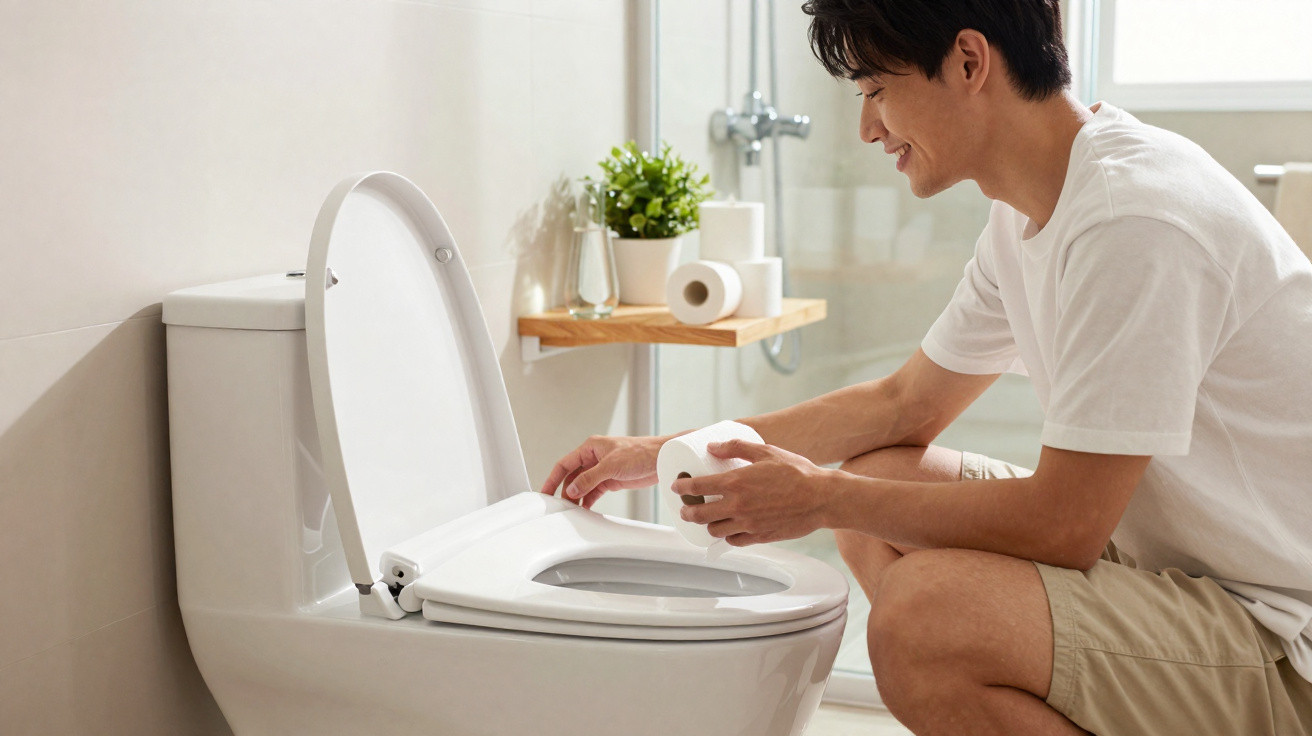
More and more bathrooms are gaining a helper that, in the UK, was long seen as a bit of an oddity: the bidet, or a WC attachment with a water jet. What has been everyday practice in Japan for years is now spreading across Europe - and changing how people clean themselves after using the toilet. The simple reason is that water outperforms dry paper on almost every measure.
Why water cleaning is clearly superior to toilet paper
If we are being honest, dry wiping with paper quickly feels like a stopgap. It tends to smear rather than properly remove what is there. Residue can remain even when the paper looks clean. Those microscopic traces can later lead to itching, odour and irritation.
“Water removes what paper only spreads - and many people notice that from the first few uses.”
Dermatologists regularly point out that symptoms such as burning, redness or persistent itching around the anal area are often linked to inadequate cleaning. When you wipe dry, you are rubbing the skin without truly getting it clean. A gentle water jet rinses residue away - without scrubbing and without pressure.
Particular relief for sensitive or damaged skin
Anyone with haemorrhoids, anal fissures or recovering after surgery knows how painful normal toilet paper can be. Each wipe can feel like sandpaper on already inflamed skin. Water cleaning takes the pain out of the process: no rubbing, no reopening of wounds, and noticeably less inflammation.
Many users say long-running issues ease or disappear once they switch to a bidet or a WC attachment with a shower function. This is not limited to people with medical conditions; it can also help children, pregnant women and older people, whose skin often reacts more sensitively.
Fewer germs, less touching, better hygiene
A point that is often overlooked: with modern bidets and shower toilets, your hand barely needs to touch a sensitive area at all. The water jet does the actual cleaning. That lowers the risk of transferring bacteria and viruses from the toilet to your hands, door handles or other surfaces.
This matters particularly during waves of colds or stomach bugs. Less contact with contaminated areas means a lower chance of passing pathogens around the household.
Modern bidets: the features behind the new bathroom standard
The classic, separate ceramic bidet familiar from southern Europe is no longer the only option. Much more common now are WC attachments and fully integrated shower toilets that look like a normal loo - just with far more technology built in.
- Infinitely adjustable water pressure for gentle or stronger cleaning
- Temperature control for pleasantly warm water
- Warm-air drying, making toilet paper completely unnecessary
- Self-cleaning nozzles for consistent hygiene
- Eco and energy-saving modes for everyday use
At first glance, this can sound like spa-style luxury for the bathroom. In reality, it is mainly about practicality: older people have to twist and strain less, children manage more easily on their own, and everyone benefits from consistently thorough cleaning.
The underestimated environmental damage of toilet paper
Toilet paper seems harmless: soft, light, and gone in seconds. Behind the scenes, however, it creates a substantial burden on the environment and the climate.
“Millions of trees are cut down every year for global toilet paper production, alongside chemicals, water use and transport emissions.”
Deforestation, water use and a chemical cocktail
Huge areas of forest are cleared for the pulp used in paper. This destroys habitats, worsens the climate, and allows soils to dry out more quickly. Even recycled options only reduce the problem to a limited extent.
On top of that, manufacturing and bleaching rolls require vast amounts of water and energy. Ironically, the life cycle of toilet paper uses significantly more water than a bidet used daily. A modern shower-toilet attachment works with a comparatively small jet of water per use, whereas each roll has already consumed many litres during production.
Bleaching produces substances that pollute rivers and lakes and can build up in ecosystems. Switching to water-based cleaning largely removes you from this chemical chain.
Transport, plastic and mountains of waste
Then there is logistics. Toilet paper is bulky and lightweight, and it takes up a lot of space. Lorries move pallets of rolls from factories to distribution centres and supermarkets. Each pack is shrink-wrapped in plastic and often also boxed in cardboard. All of that ends up as rubbish shortly after.
A bidet attachment or a shower toilet is installed once and, ideally, lasts for many years. No constant repurchasing, no packaging, no ongoing supply chain. For households looking to reduce their environmental footprint, that arithmetic adds up.
Japan as a model: how technology reinvented the bathroom
Anyone who has visited Japan often remembers the toilets first. Few countries have modernised the loo so radically. Shower toilets - often called “Washlet” there - are standard in many homes, much like a dishwasher is in the UK.
“In Japan, the dull everyday object ‘toilet’ became a high-tech device that combines cleanliness, comfort and sustainability.”
Manufacturers paired precise water jets with individual temperature settings, warm-air dryers and, often, heated seats. The result is that toilet paper plays only a minor role in many Japanese households - or disappears altogether.
That trend is now reaching Europe. In new builds, architects increasingly plan for shower toilets from the outset. In existing homes, people opt for retrofit solutions that mount directly onto the current toilet.
Installation: often easier than expected
Many people are put off by the idea of major building work. In reality, simple attachments usually only need a T-piece on the isolation valve, a flexible hose and a bit of DIY confidence. Electricity is only required for models with seat heating or a warm-air dryer.
If you have ever changed a tap or swapped a shower head, you can generally fit a bidet attachment too. And if you are unsure, you can have a plumber do it once and then enjoy years of hassle-free use.
The cost question: does the switch actually pay off?
Perhaps the key question is whether it makes financial sense. The short version: in many cases, yes - and sooner than people expect.
- Simple, non-electric attachments: often available at two-digit prices
- Comfort models with warm water produced by the unit: mid-range pricing
- Full shower toilets with drying and seat heating: higher upfront cost, but designed for long-term use
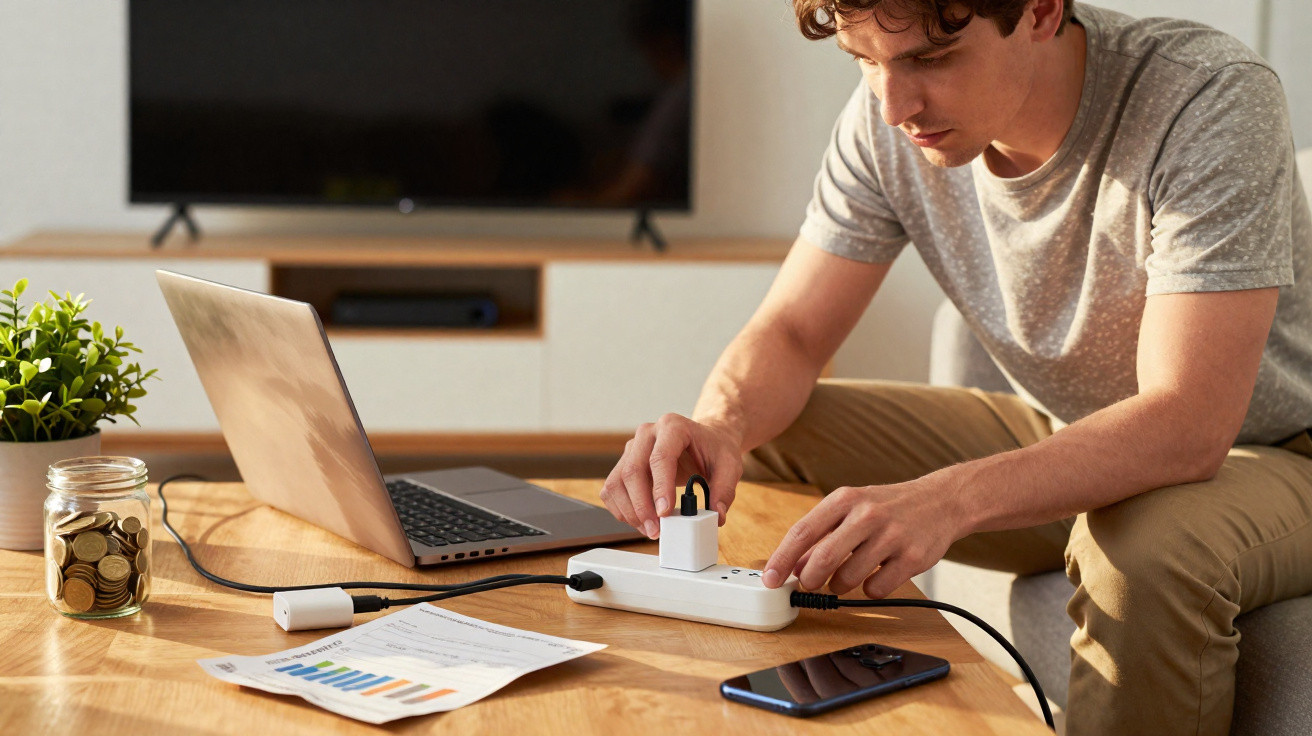
An average household gets through a surprising amount of toilet paper each year. Once you add multiple people and rising prices, the total over a few years can easily cover a good WC attachment. Many users report that the device pays for itself within one to two years through reduced paper purchases.
The real sticking point: mindset rather than technology
The biggest barrier is rarely installation - it is habit. From childhood, the routine in the UK is simple: after using the toilet, you reach for the roll. Water cleaning can feel unfamiliar or even odd at first.
What is striking is how quickly that tends to change in homes that make the switch. After a few days, the water jet feels normal; after a week or two, many describe going back to paper alone as “unthinkable” or “unhygienic”.
Practical tips for beginners
If you want to make the change at home, a pragmatic approach works best:
- Try a small, inexpensive cold-water attachment first - ideal for a downstairs loo or guest bathroom.
- Set the water jet gently at the start and increase it gradually.
- Use toilet paper at first only for patting dry.
- Optionally move to a model with warm-air drying if you want to eliminate paper completely.
- Introduce family members to the controls calmly, ideally with a quick explanation.
Water cleaning can be particularly suitable for children, because they intuitively grasp that “rinsing” is cleaner than “wiping”. Older people or those with limited mobility benefit because they need less twisting and awkward movement.
Common questions: hygiene, health and everyday practicality
Many concerns focus on germs and water quality. The nozzles on modern devices rinse themselves automatically before and after use. In most models, they are also shielded within the housing when not in use. The mains water delivered through the spray has the same quality as the water used for handwashing or brushing your teeth.
From a medical perspective, there are strong arguments for water-based cleaning: less friction, fewer micro-tears, and a lower burden when you already have conditions affecting the anal area. For people with chronic bowel issues or frequent diarrhoea, it can bring noticeable relief.
If you currently use moist toilet tissue, a bidet can save money while also reducing the risk of fragrance allergies and drainage problems. Wet wipes clog pipes and sewage treatment systems, even when marketed as “flushable”.
Bathroom of the future: water instead of paper as the new standard
In some countries, the combination of a toilet and water cleaning has long been the norm; in the UK, that shift is only just beginning. Yet the case keeps strengthening: fewer irritations, a better sense of cleanliness, a markedly lower environmental impact and, over time, often lower costs.
If you are renovating your bathroom anyway, it is worth at least planning for a shower-toilet connection: power near the toilet, an easy-to-reach isolation valve, and potentially a seat area that can be adapted. Even if the high-tech loo does not arrive immediately, the option remains open.
Whether you choose a simple attachment or a fully integrated system, more households are gradually moving away from the roll as the main actor in the bathroom. Water takes over - quieter, more thorough, and often more convincing than you expected before the first try.
Comments
No comments yet. Be the first to comment!
Leave a Comment