
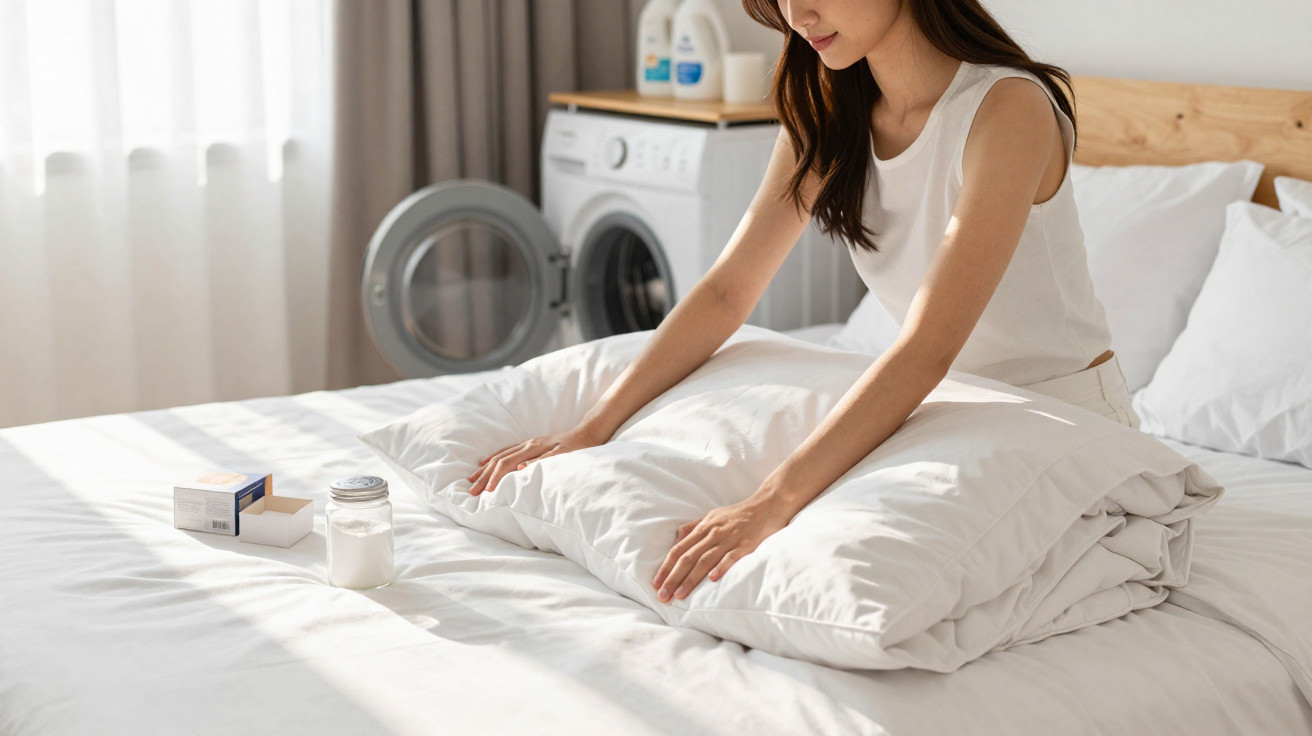
Many people assume you need professional machines, pricey specialist products and a dedicated laundry team to get that result. That’s only partly true. A large part of the “five-star feeling” is easy to recreate at home with simple routines-if you understand what genuinely matters when washing, drying and caring for bed linen.
Why hotel bed linen feels so different
In good hotels, sheets don’t just look clean-they feel different too: smooth and cool without being stiff, and, above all, consistently white even after dozens of washes. There’s no magic behind it, just a combination of three things:
- choosing the right detergents
- sticking to consistent washing and drying routines
- treating the fibres gently
"If you treat your bed linen like a hotel does, you extend its lifespan and save money-and stress-in the long run."
Instead of constantly replacing sheets, it’s worth borrowing a few proven tricks from professional laundries and adapting them to a standard home washing machine.
The right detergent: gentle, yet effective
When washing whites, many people automatically reach for especially “powerful” products. These often rely on optical brighteners and harsh surfactants. The immediate effect can look impressive, but over time they can wear down the fibres.
What hotels look for in detergents
Professional textile care typically uses concentrated products that are carefully balanced. At home, it’s enough to focus on a few practical points:
- Choose a mild detergent for whites, ideally one that mentions bed linen or delicate cotton.
- Avoid strong dyes or heavy perfumes that can lodge in the fabric and gradually make whites look grey.
- Take dosage seriously: too much detergent leaves residues that make fabric feel dull.
A tip taken straight from hotel practice: wash bed linen only with other white items. Adding bright towels or dark T-shirts in the same cycle can undo all your effort.
Water temperature: clean without stressing the fibres
Hygienic cleanliness is often linked to very high temperatures. In reality, modern detergents clean effectively at lower settings. Hotels commonly use carefully chosen temperature programmes to balance hygiene, energy use and fabric care.
The best temperature for washing bed linen
- 40°C: usually plenty for normally soiled bed linen in most households.
- 60°C: useful when someone is unwell at home, for allergy sufferers, or when small children sleep in the bed.
- 30°C: only if the care label indicates very delicate fabrics, such as fine blended weaves.
Washing too hot can make cotton feel rougher, taking away that smooth, soft handle. Professionals avoid this by washing only as hot as necessary and relying instead on good detergents and soaking time.
Fabric conditioner-friend or foe of bright white sheets?
Fabric conditioner can make laundry feel cosy right after washing. Over time, however, its residues build up on the fibres. That causes two issues: bed linen absorbs less moisture, and the white shade can start to look flat and dingy.
Why many hotels avoid traditional fabric conditioner
Professional operations tend to rely on mechanical smoothing (through careful folding or pressing) rather than perfumed additives. At home, a simple alternative works well:
"A splash of clear white vinegar in the conditioner drawer helps dissolve detergent residues, neutralises odours and leaves laundry noticeably fresher-without a cloud of fragrance."
Any vinegar smell disappears as the linen dries. If you like a scent, place a few drops of essential oil on a cloth and store it in the cupboard, rather than loading the fibres with fragrance.
Secret helper: bicarbonate of soda for stubborn greying
Another classic from hotel routines is bicarbonate of soda. The powder acts as a mild booster for your detergent and helps lift grey haze and light yellowing.
How to use bicarbonate of soda correctly
- Add roughly half a cup of bicarbonate of soda directly into the drum with the bed linen.
- Dose your usual detergent as normal.
- For long-standing yellowing, plan several washes rather than trying to “attack” it in one aggressive cycle.
Bicarbonate of soda is generally gentle on fibres, yet it helps against odours, body oils and residues from skin creams-common causes of yellowed pillowcases and sheets.
Important: don’t overload the machine
Hotels don’t cram industrial washers to the brim, even if it might seem efficient. The reason is straightforward: laundry needs room to move so water can reach every fibre.
| Drum fill level | Effect on bed linen |
|---|---|
| Too full | Creasing, grey haze, poor rinsing, harsh feel |
| Very empty | Unnecessary water and energy use, but good cleaning |
| Correctly filled | Clean, well rinsed, evenly white and pleasantly soft |
A simple rule of thumb for home machines: leave about a hand’s width of space between the top of the laundry and the drum rim. That allows water and detergent to circulate properly.
Drying like a hotel: air, not heat
How you dry bed linen has a huge impact on how it feels against the skin. Many hotels use large dryers, but they keep temperatures moderate and cycles short. Running a home tumble dryer at full heat can quickly damage fine cotton fibres.
How to keep bed linen smooth and soft
- Shake bed linen out firmly after washing before putting it in the dryer or on the line.
- If using a tumble dryer, select a gentle programme with a medium temperature.
- Remove sheets as soon as the cycle ends, smooth them and fold them-don’t leave them sitting in the dryer for hours.
- If line drying, hang sheets as flat as possible and use fewer pegs to avoid pressure marks.
Getting close to hotel quality at home is less about raw machine power and more about timing and care. Folding instead of scrunching, airing instead of stuffing-those habits matter more than many people expect.
How often should bed linen be washed?
Your washing schedule matters too. Linen that’s heavily soiled or left on the bed for a long time is much harder to brighten than linen that’s cared for regularly.
Many specialists recommend:
- changing all bed linen every one to two weeks
- weekly changes in summer or if you sweat heavily
- for house dust mite allergies, shorter intervals and 60°C washes
If you wash sheets more often, you can use gentler programmes because dirt and body oils don’t get the chance to settle deep into the fabric.
Common mistakes that ruin white laundry
Most problems-greying, dullness or stiffness-come down to a few familiar habits:
- mixing washes with dark or brightly coloured textiles
- using too much detergent or fabric conditioner
- relying on very high temperatures all the time
- overfilling the washing machine
- washing bed linen for years without helpers such as bicarbonate of soda or clear white vinegar
Correct these points one by one and you’ll often notice a clear improvement after just two or three washes-even with the bed linen you already own.
When replacing bed linen makes sense
Some sheets eventually reach the end of their life. If the fabric becomes thin, threads start to tear, or a grey cast won’t shift despite careful care, replacement is the only real answer. When you do buy new, it pays to focus on quality:
- pure cotton or high-quality blends
- a comfortable weight (not woven too thin)
- easy-care labelling and the right size for your mattress and duvet
Good bed linen doesn’t have to be a luxury brand, but it can pay off over the years-especially when you look after it using methods proven in hotels.
Practical extras for the hotel effect at home
If you want to get even closer to the real hotel experience, a few small tweaks can help: add a second pillow for comfort, use a smooth fitted sheet without wrinkles, and air the bedroom intentionally before getting into bed. Details like these intensify the sense of freshness that perfectly cared-for white bed linen creates.
It also helps to quickly review your own laundry habits. A small note on the washing machine with your “hotel rules”-the right temperature, space in the drum, a little bicarbonate of soda, and no excessive fabric conditioner-is often enough to get the whole household to follow the new routine. That’s how a one-off holiday memory gradually becomes the standard in your own bedroom.



Comments
No comments yet. Be the first to comment!
Leave a Comment