
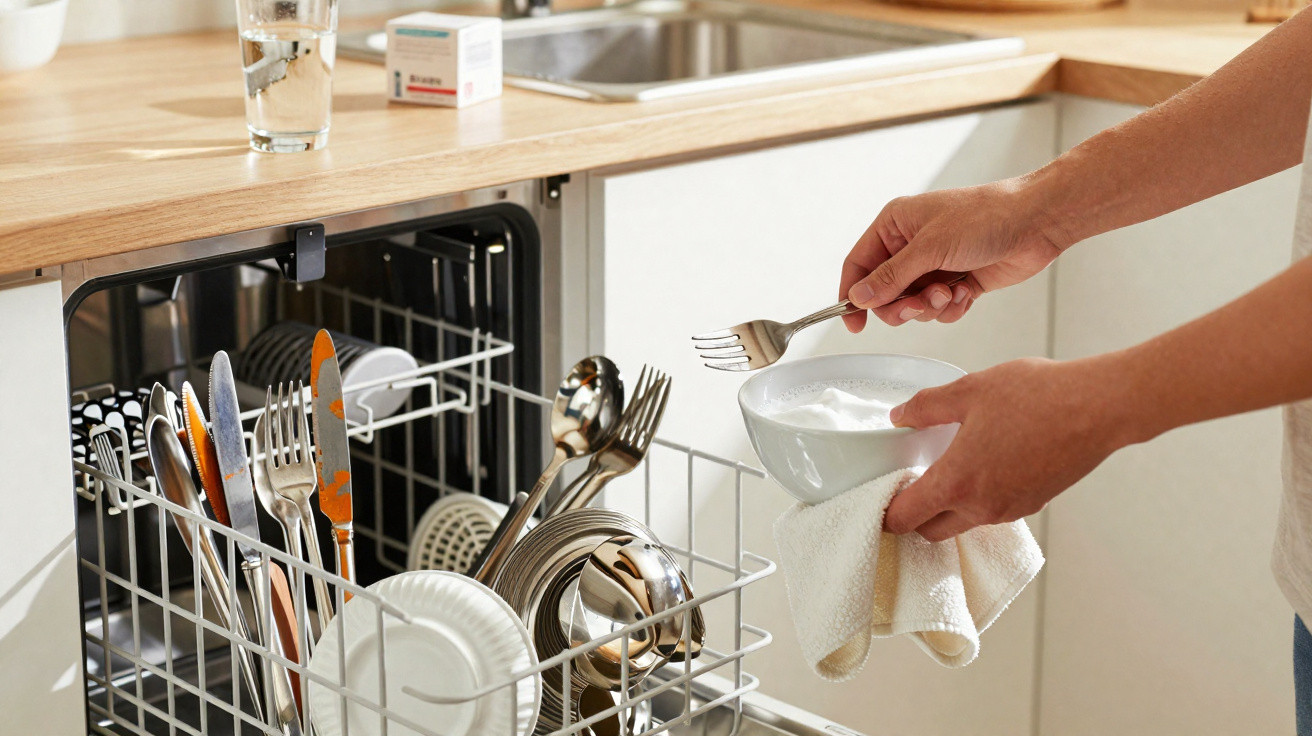
Most of the time, there’s a surprisingly simple reason behind it.
Plenty of households know the annoying sight: knives dotted with brown specks, forks with a dark film, while the glasses come out sparkling. It’s easy to blame the dishwasher or supposedly “poor” stainless steel. In reality, what’s happening inside the machine is a mix of metallurgy, water chemistry and everyday user habits - and those are exactly the levers you can adjust with far less effort than you might think.
Why stainless steel cutlery can rust in the dishwasher at all
The biggest misconception is that stainless steel is indestructible. Many people assume “rustproof” means rust can never form under any circumstances. That isn’t quite true.
Most modern cutlery sets are made from different grades of stainless steel. Forks and spoons are often produced from higher-grade stainless steel containing nickel and chromium, whereas knife blades are commonly made from a different steel that sharpens better. The trade-off is simple: more carbon helps create a sharp edge - but it reduces corrosion resistance. That’s why knives, of all items, are so often the first to show rust marks.
“Rustproof” means highly resistant to rust, not completely immune. Under the wrong conditions, even stainless steel gives in.
On top of that, the protective chromium oxide layer on the surface can be attacked by harsh detergents, prolonged moisture and improper storage. Once that protective film is weakened, surface rust can take hold very easily.
Silver cutlery in the dishwasher: an expensive mistake
Genuine silver has a different issue. It doesn’t rust; instead it turns black. The cause is sulphur compounds in the air reacting with the silver. Visually it can resemble rust, but chemically it’s something else.
Even so, silver doesn’t belong in a dishwasher. Most tablets contain ingredients that can attack silver. Chlorine compounds and strong bleaching agents can permanently damage the metal, leaving it dull and even causing pitting.
Genuine silver cutlery belongs in the sink as a rule, not in the dishwasher.
If you have inherited or high-value silver pieces, it’s best to wash them by hand every time using mild washing-up liquid and a soft cloth.
The invisible players: water, salt and moisture
Whether cutlery rusts depends heavily on the conditions inside the dishwasher. Three factors matter most:
- Moisture after the programme ends: if the door stays shut, warm humid air is trapped.
- Regenerating salt: incorrect dosing or the wrong water-hardness setting puts unnecessary stress on metals.
- Galvanic (contact) corrosion: different metals touching each other can accelerate corrosion.
If the machine is dealing with hard water but too little salt, more minerals remain in circulation. These can stick as deposits and, in turn, encourage corrosion processes. On the other hand, an overly high salt concentration can attack seals and metal parts. Strong detergent tablets, high temperatures and stagnant dampness amplify the effect.
Another common source is already-damaged components inside the machine. Rusting racks or holders shed tiny rust particles. Those particles settle on otherwise intact cutlery - classic surface rust that is often misread as “stainless steel rusting”.
Everyday habits that damage cutlery unnecessarily
Leaving cutlery in the closed dishwasher for hours
A very common mistake looks like this: the cycle finishes, but nobody unloads. The door stays shut - sometimes overnight.
The longer cutlery sits in a warm, humid dishwasher, the higher the risk of rust spots.
Inside, you effectively create a mini tropical climate. Water doesn’t fully evaporate; instead it condenses on metal surfaces. Sensitive knife blades, in particular, can quickly develop small brown dots.
Mixing metals and loading them the wrong way
In many homes, everything that looks shiny ends up in the same basket: stainless steel, silver, coated knives, maybe even an unusual metal pan handle.
That’s exactly what promotes galvanic corrosion. When two different metals are pressed close together in a damp environment, a small electrochemical system forms - and one of the metals is attacked more strongly. The result shows up as discolouration, spots or tiny pits.
How to prevent rust on cutlery in daily use
A few straightforward routines can spare you a lot of hassle. The key measures are:
- Open the door soon after the programme ends: open it as soon as it beeps so steam can escape.
- Unload quickly: store cutlery dry and with airflow, ideally while it’s still warm.
- Separate metals: never place silver and stainless steel directly next to each other; slot delicate knives in individually.
- Check the salt setting: confirm your mains water hardness and set the machine accordingly.
- Deal with rusty rack spots: repair damaged areas on the rack or replace the rack.
If you regularly use very sharp knives, hand-washing is worth considering. It’s kinder to the edge and also cuts the rust risk significantly.
Cutlery already affected? How to remove rust spots again
If the damage is only on the surface, a lot can be salvaged. For lightly rusted stainless steel, simple household chemistry often works surprisingly well.
Bicarbonate and vinegar as first aid
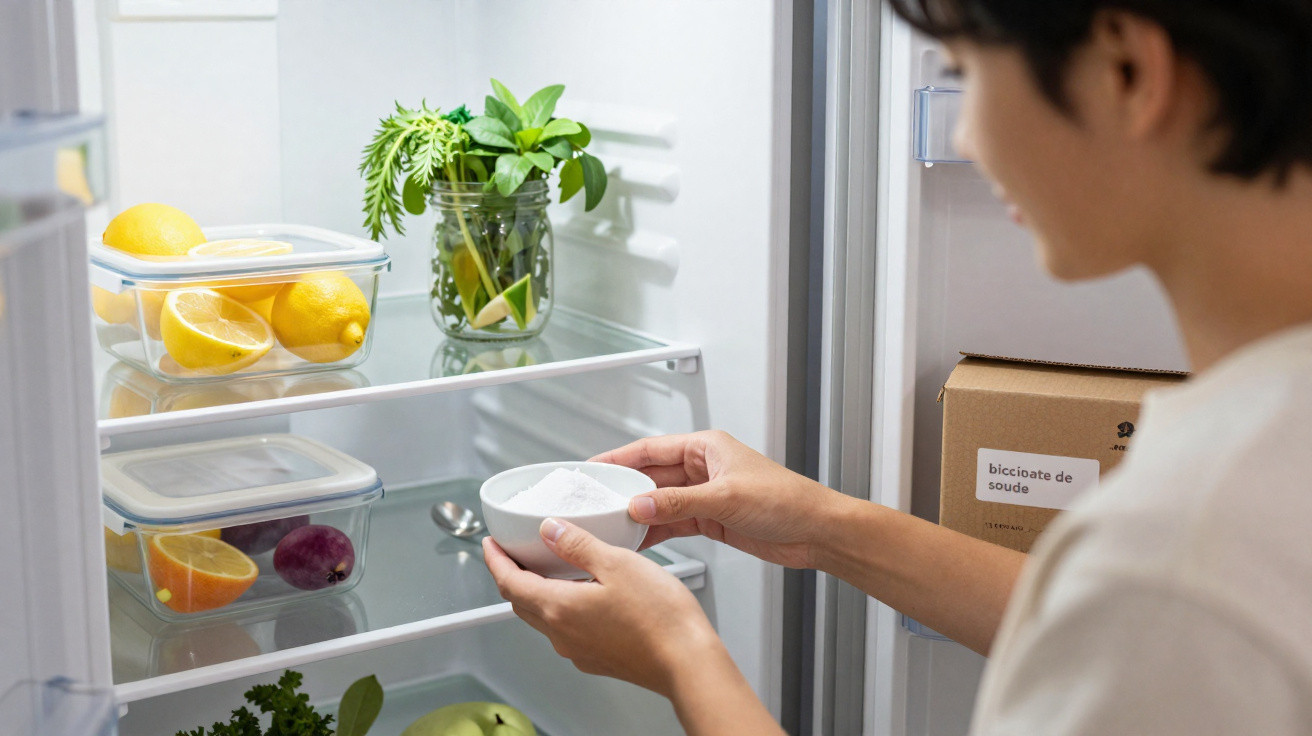
For fine rust dots, a paste made from bicarbonate of soda (or plain baking powder with no additives) and a little water is often enough. Apply it, rub gently with a soft cloth, rinse thoroughly and dry immediately.
Clear household vinegar essence can also help. Let it act briefly, then rinse well and dry. Important: don’t leave cutlery soaking in vinegar for hours, as that can attack the surface.
After any home-treatment, the rule is: rinse immediately, dry thoroughly, and don’t leave it wet.
Making blackened silver shine again
For tarnished silver, a small chemical trick using aluminium foil can help:
- Fill a bowl with hot water
- Place a piece of aluminium foil on the bottom
- Add one to two tablespoons of bicarbonate of soda
- Put the silver cutlery in and wait a few minutes
During the reaction, sulphur transfers from the silver to the foil, and the silver becomes brighter again. Afterwards, rinse thoroughly and dry with a soft cloth.
When rust becomes a real structural problem
If the same areas keep rusting repeatedly, it points to deeper damage. Tiny “craters” in the surface - known as pitting corrosion - are difficult to reverse fully. In that case, you’ll usually need to remove rust regularly and clean the affected pieces by hand going forward.
Heavily attacked knives don’t just look worse over time; they can also feel blunter. Anyone who cooks a lot notices it quickly. In situations like this, replacing the set with a higher-quality one can make sense - paired with gentler treatment.
Why water hardness and detergent matter more than many people think
The hardness of your mains water determines how many minerals are dissolved in it. Hard water is more prone to leaving deposits on cutlery and inside the machine. The built-in softener and regenerating salt are designed to balance this. If they’re set incorrectly, the system shifts - to the detriment of the metals.
The detergent itself also plays a part. Heavily dosed tablets with lots of additives can irritate sensitive surfaces more than necessary. If you repeatedly see rust or spots, it can be worth switching to powder as a test and reducing the dose slightly. Combined with correctly set salt and rinse aid, that often produces a much better outcome.
What a look at the cutlery reveals about quality
If you’re buying new, it’s worth taking a moment to check the markings. Higher-quality stainless steel is often labelled with codes such as “18/10”. These figures indicate specific proportions of chromium and nickel, which make the steel more resilient against corrosion.
If an inexpensive set shows clear rust traces after only a few washes, it isn’t always the dishwasher’s fault. In those cases, the best results usually come from a combination of careful loading and choosing better quality - especially for knives, which take the most punishment.


Comments
No comments yet. Be the first to comment!
Leave a Comment