
Rosemary ends up in most homes in the roasting tin or on a tray with potatoes. But this Mediterranean herb can do far more than simply lift a few cubes of lamb. Used the right way, it can freshen indoor air, deter pests, and support skin and hair care - without fiddly recipes or pricey specialist products. Three straightforward methods are enough to make it a regular part of everyday life.
Rosemary in the oven: a natural room fragrance and cleaning helper
The first idea starts exactly where rosemary often goes anyway: the oven. This time, though, it is not about dinner - it is about the air in your home.
How the oven aroma boost works
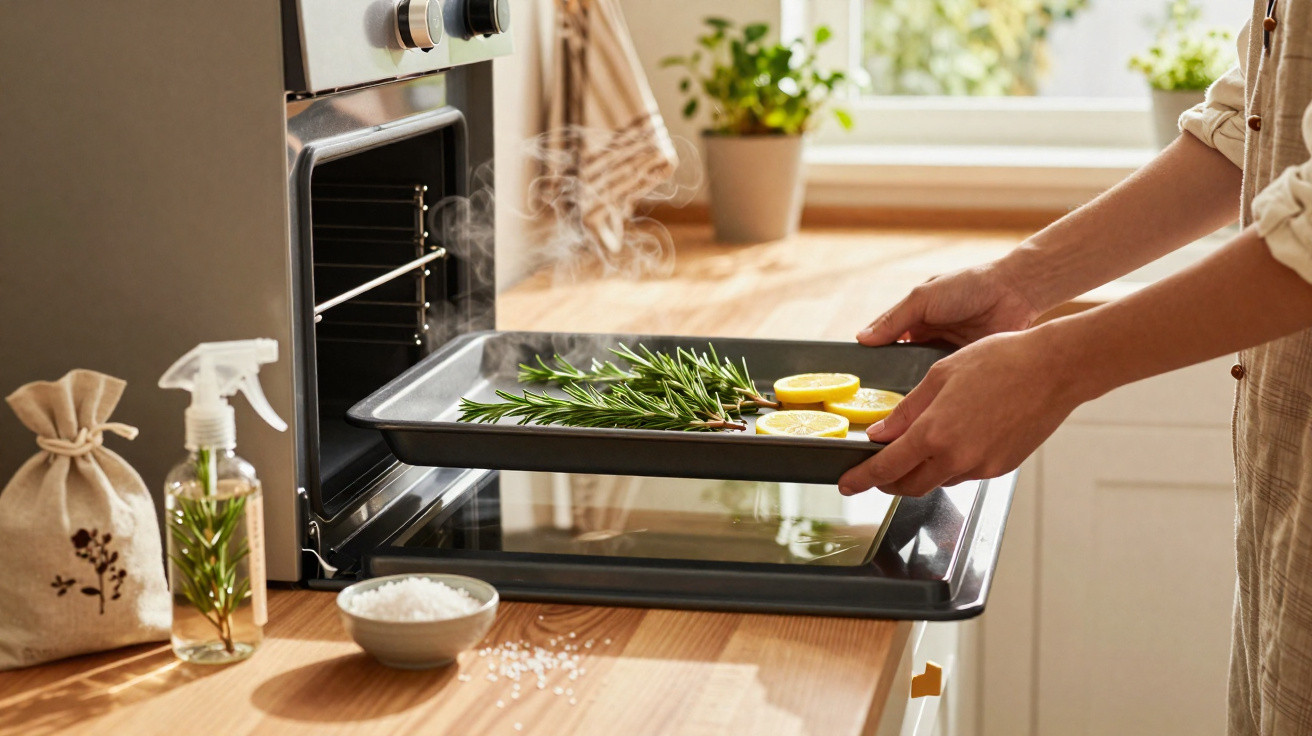
Preheat the oven to around 180°C. Place a few fresh rosemary sprigs on a baking tray or directly on the rack. Slide them in for roughly ten minutes, then switch the oven off. The heat releases the herb’s essential oils, which evaporate and drift through the room as a light, herbal scent.
"The result feels like a blend of woodland air and Mediterranean cooking - warm, clean and unexpectedly fresh rather than artificially sweet."
Unlike many shop-bought air fresheners, rosemary does not merely mask odours. Its compounds have antibacterial properties and can genuinely reduce smell molecules. The air can feel less stale afterwards, and many people find the atmosphere more alert yet also calmer.
Double benefit: fragrance treatment and oven cleaning in one
This oven method comes with a second, very practical advantage: the warm vapour helps soften old grease splashes and baked-on residue. Once the oven has cooled, a wipe with a damp cloth often shows that the grime lifts away more easily.
It gets even more interesting when you combine herbs. Two popular pairings are:
- Rosemary + lavender: more soothing, ideal in the evening or after a stressful day
- Rosemary + thyme: a stronger, “cleaner” aroma, useful during cold season or after cooking
To keep the fragrance from becoming overpowering, a few sprigs are enough. If you have pets, do not shut them into the fragranced room - let them choose whether to stay or move elsewhere.
Keeping pests away: rosemary as a natural insect deterrent
The second use is for dealing with unwelcome visitors. Moths, ants, some beetles and even mosquitoes tend to dislike the distinctive smell of rosemary. People usually find it pleasant, but to small pests it can be irritating.
Scent sachets for wardrobes and drawers
Moths often treat wool jumpers, scarves and coats as prime real estate. Instead of putting toxic mothballs in with your clothes, you can use rosemary. Small cotton or linen sachets work well - or, in a pinch, a cut piece of fabric tied up securely.
Many households do it like this:
- Dry rosemary (hang small bunches upside down, or dry in the oven at a very low temperature).
- Strip the dried needles from the stems.
- Fill the sachets and place them in drawers and wardrobes, or hang them between clothes hangers.
Clothing takes on a subtle, fresh herbal note, while moths are kept at bay. Refresh or replace the sachets every few months, as the scent fades over time.
Homemade rosemary spray for ants and more
A spray is handy for the kitchen, pantry or bathroom. Simmer a handful of fresh sprigs in 1 litre of water for about twenty minutes. Let the mixture cool, strain it, and pour it into a spray bottle.
Use this infusion on areas such as:
- Skirting boards, especially near balcony doors
- Window sills and door frames
- Corners behind bins or food-storage cupboards
Applied regularly, it creates a kind of scented barrier. For children and pets, this solution is far less concerning than many chemical insecticides. The key is to reapply every ten to fifteen days, because the aromatic compounds gradually evaporate.
"Rosemary won’t replace heavy-duty pesticide in a serious infestation, but it often stops things from getting that far in the first place."
Rosemary care oil: a hair booster and relaxation aid
The third method is for anyone who wants simple, home-based ways to support their body. Rosemary has long been used in herbal practice - for example, for tired muscles or to encourage circulation.
How to make your own rosemary oil infusion
To prepare a care oil, you only need three things: fresh rosemary, a plant oil, and a sealable jar. Olive oil or coconut oil are good options because they keep well.
Basic method:
- Wash a few fresh sprigs, dry them thoroughly, and lightly crush them between your fingers.
- Put them into a clean jar and cover completely with oil.
- Seal the jar and leave it in a warm, bright place for five to ten days, shaking occasionally.
- Then filter through a cloth or fine sieve and decant into a dark bottle.
This produces an oil that holds rosemary’s active compounds in a more concentrated form and stays usable for several months, as long as it is stored in a cool place away from light.
Using it on scalp, muscles and very dry skin
Many people use rosemary oil mainly for hair care. Massaged into the scalp, it may stimulate blood flow. Those dealing with thinning hair or seasonal hair shedding often try this before turning to stronger options. Important: use sparingly, and if your scalp is sensitive, patch-test on a small area first.
Some people also find it soothing around the neck or at the temples. Gently massaged in, the scent can feel energising and clearing - something many appreciate after long screen-heavy days or when tension headaches loom.
On very dry patches of skin - such as elbows or heels - the oil leaves a protective, conditioning layer. Applied before bed and covered with cotton socks or a soft cloth, it can support the skin as it recovers over several hours.
"A jar of rosemary oil in the bathroom can replace several specialist products - from hair serum to foot cream."
Why rosemary is so versatile in everyday life
Behind these varied uses is a whole bundle of plant compounds. Rosemary contains, among other things, essential oils, bitter substances and flavonoids. This mix explains its signature aroma, and also the effects on bacteria, circulation and digestion described in herbal literature.
At the same time, it is a hardy plant: it likes sunshine and copes well with little water. A pot on the balcony or a kitchen windowsill can provide a steady supply throughout the year. Regular picking can even encourage the shrub to put out fresh growth.
| Use | Main benefit | Effort |
|---|---|---|
| Rosemary in the oven | Room fragrance, fresher air, easier oven cleaning | Very low |
| Sachets / spray | Protection from moths and insects, without toxins | Low to medium |
| Homemade rosemary oil | Hair and skin care, relaxation | Medium (one-off preparation) |
What to watch out for - and what combines well
As adaptable as rosemary is, it does have limits. Anyone with very sensitive skin or known allergies should test new uses on a small patch first. If you are highly sensitive to blood pressure changes, it is sensible to speak to a doctor before using highly concentrated preparations frequently.
In many applications, rosemary pairs well with other herbs. Lavender adds a gentler, calming note, while thyme pushes the fragrance in a more “medicinal” direction. In the kitchen, rosemary works beautifully with garlic, lemon and coarse salt - turning simple oven-roasted vegetables into a full, aromatic experience that also complements the scent from the oven.
Especially at a time when household and skincare products are getting more expensive, it can be worth taking a fresh look at traditional plants. A small potted rosemary shrub often costs little more than a room spray, yet can support daily life for years - as a fragrance source, an insect deterrent and a simple care aid in one.






Comments
No comments yet. Be the first to comment!
Leave a Comment