
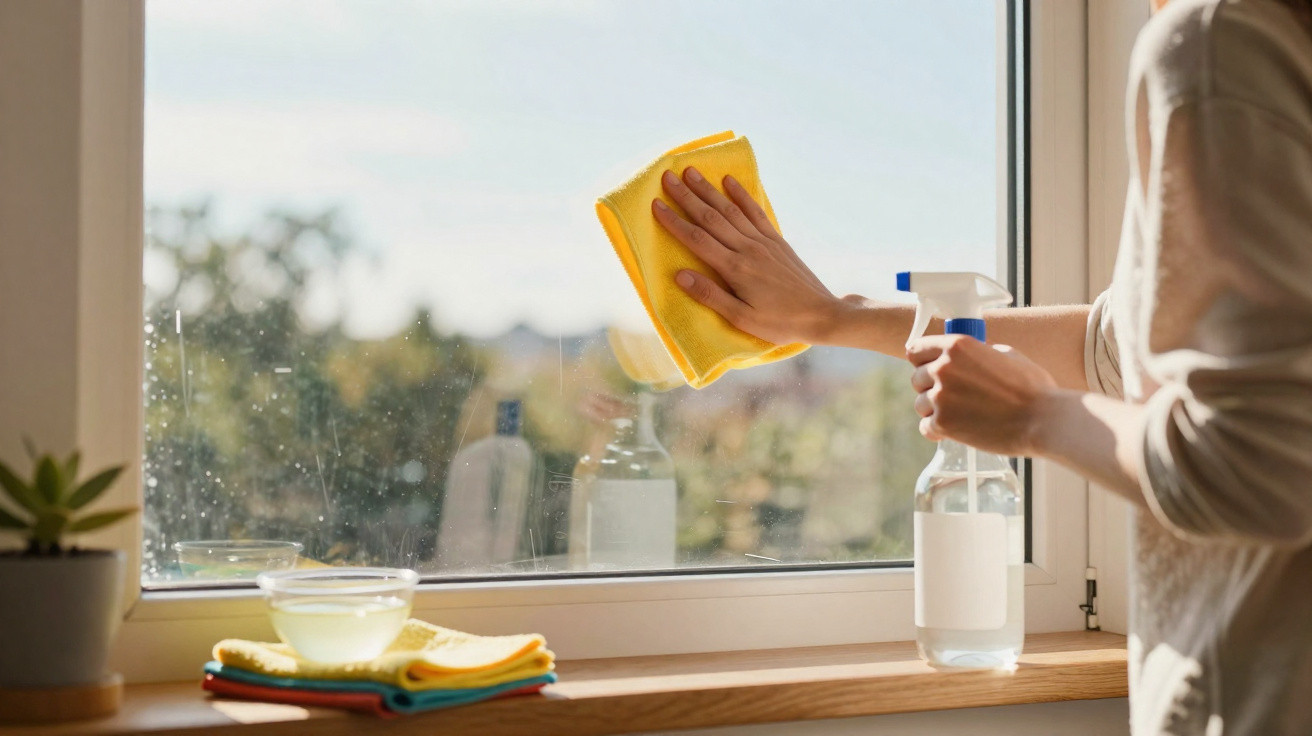
I’d had enough of the spray–wipe–wipe again routine, only to end up staring at streaks. So I tried something so basic it felt almost defiant: a microfibre cloth and vinegar.
It began on a Saturday when the weather finally remembered it was spring. The living room felt a bit gloomy, as though the day had been dulled with a grey filter. I reached for a weary bottle of glass cleaner, then stopped. Under the sink sat a scrunched-up microfibre cloth and a bottle of white vinegar I normally use to descale the kettle. I poured warm water into a jug, added vinegar, twisted the cloth until it was just damp and cool, and started on the top pane.
One pass, then another. Instead of smearing, the glass lifted into clarity. I moved in a relaxed S pattern, turning the cloth over as soon as it began to feel weighted. For once, sunlight didn’t show up to mock my effort-no rainbow sheen, no lint, just a crisp, clear view of the street, wheelie bins included. I stepped back and squinted, waiting for the inevitable catch. It didn’t come.
Why microfibre and vinegar just work
Microfibre holds on to grime the way a gripping story holds your attention: by catching the tiny bits you’d otherwise miss. The fibres are split into microscopic hooks, so they lift grease and dust rather than skating it around. Vinegar then does its part by loosening mineral spots and tacky fingerprints, and the cloth captures whatever the liquid releases. Watching a pane sharpen is strangely satisfying-like the window takes a breath.
To see if it was a fluke, I tried it on the worst one: an old sash window, freckled with water marks and decorated with a child’s fingerprints at toddler height. After three passes, the haze backed off-streak by streak. A neighbour walked by, looked twice, and asked what spray I’d discovered. No spray, I told them: just vinegar and a cloth. Fun fact: microfibre strands can be thinner than a human hair by a factor of 100, which is why they cling to particles we can’t even see.
There’s straightforward chemistry behind it. Vinegar is acetic acid, so it helps dissolve alkaline deposits left by hard water and loosens the hold of everyday oils. Many shop-bought glass cleaners include fragrance and surfactants, which can leave a residue when you use too much. Paper towels drop lint and build static, which then attracts dust right back. Microfibre cuts down static and gives a close, even wipe. If you follow with a second, dry cloth, you remove the last trace of moisture before it has a chance to dry into a line. It isn’t fancy science-just practical physics and a touch of patience.
The simple method I won’t unlearn
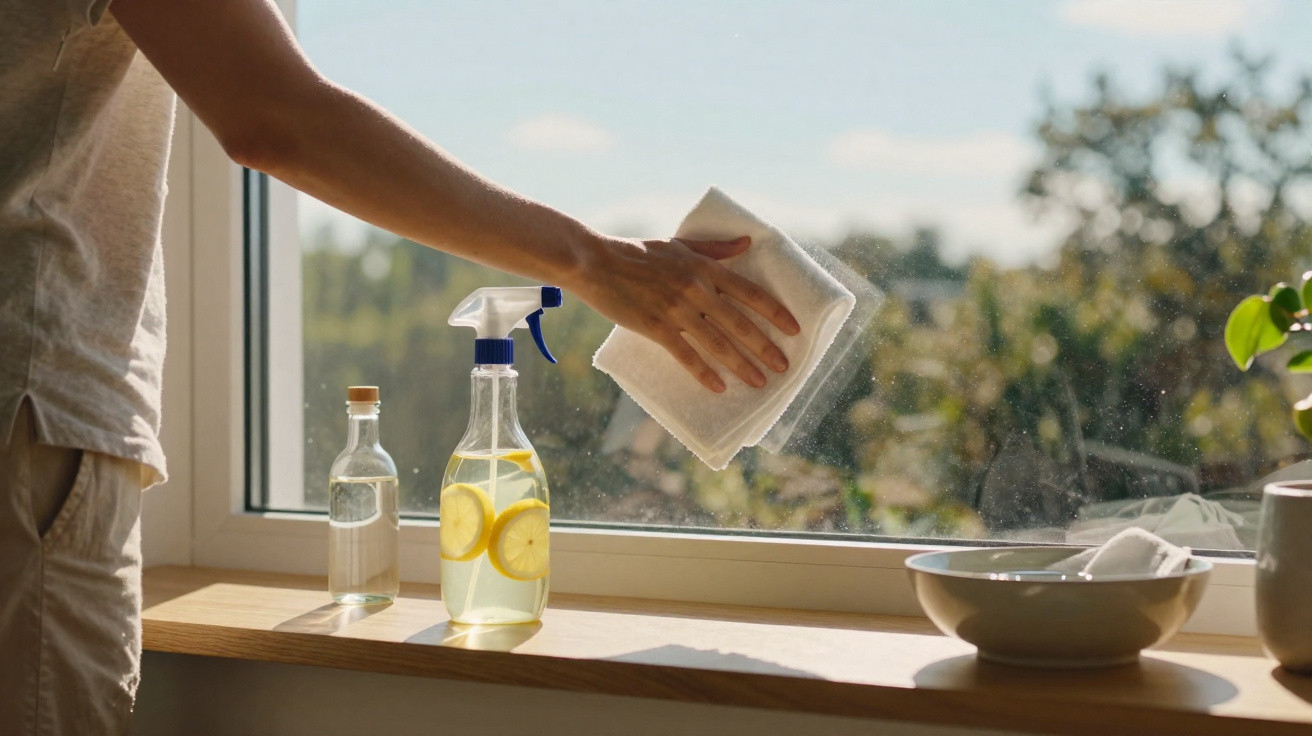
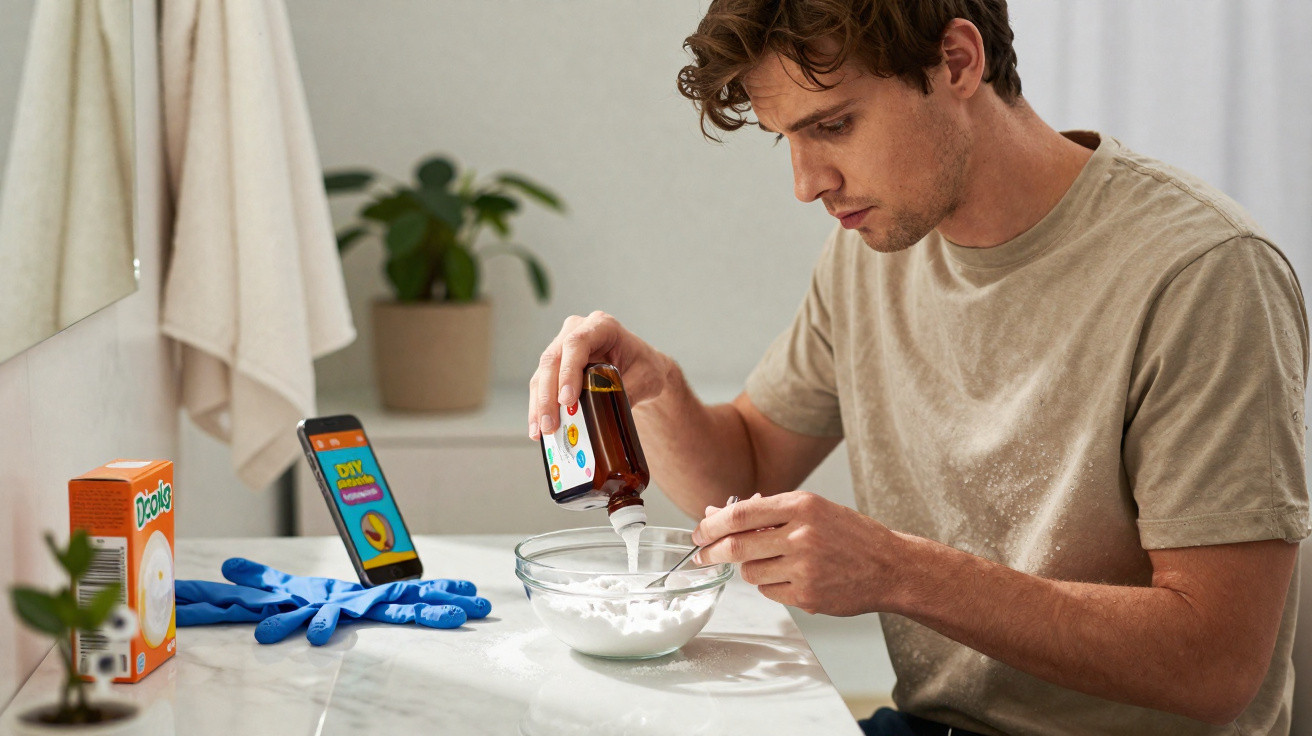
This is the routine that finally made it click. Combine one part white vinegar with one part warm water in a bowl or a spray bottle. If the glass is greasy, add a tiny drop of washing-up liquid-then leave it out next time. Use two microfibre cloths: one damp for cleaning and one dry for polishing. Begin in the top corner, work down the pane in an S pattern, then buff straight away with the dry cloth. Finish by running along the edges-those little seams are where streaks like to form.
Most of the usual snags are easy to avoid. Don’t soak the glass; a lightly damp cloth beats anything dripping. Steer clear of direct sun or very warm panes, because the mixture can flash-dry before you’ve finished wiping. If your tap water is extremely hard, swap to distilled water for the mix and you’ll see the spotting disappear. We all know the moment: you step back, pleased, and the sunlight reveals a faint ghost line. Take a breath, flip to a clean section of the dry cloth, and feather it out. And honestly-no one does this every day.
It’s amazing how people perk up when a simple fix actually delivers. Two cloths, a bowl, and five unhurried minutes can change the feel of a room. I genuinely think the place looked brighter.
“Dry the borders like you’re drawing a picture frame. That’s where streaks are born,” said a pro cleaner I once shadowed on a rainy Tuesday.
- Mix: 1:1 white vinegar to warm water (2:1 water for light dust).
- Use two cloths: one damp to clean, one dry to buff.
- Work in an S pattern from top to bottom. Flip the cloth as soon as it starts to drag.
- Feather the edges and corners at the end.
- Hard water? Use distilled water and get the sparkle back.
- Wash microfibres without fabric softener. Air dry.
What this changes at home
Windows set the tone. When they look flat, the whole room seems worn out. After trying this, I stopped stockpiling half-used sprays. With a bottle of vinegar and a small stack of microfibres, it’s sorted. The smell disappears within minutes, the view snaps into focus, and evening light looks a little gentler.
It’s not about chasing perfection-it’s about reclaiming time. The fewer products I have to juggle, the more likely I am to clean the glass before guests turn up. And there’s a quiet satisfaction in using something that costs pennies and outperforms premium labels. Do one window first-pick the worst-and see whether the view changes your day. The trick isn’t brute force. It’s the rhythm, the cloth, the mix, and the moment you stop scrubbing and start gliding. No streaks isn’t magic; it’s a repeatable method you can do on autopilot.
| Key point | Detail | Benefit for the reader |
|---|---|---|
| Microfibre + vinegar combo | 1:1 mix, two-cloth routine, S pattern | Predictable, repeatable, streak-free finish |
| Beat hard water marks | Use distilled water; vinegar dissolves mineral film | Clear panes without white spotting or haze |
| Common mistakes to avoid | Don’t over-wet, avoid hot glass/sun, buff edges | Faster clean, fewer do-overs, better shine |
FAQ:
- What’s the best vinegar-to-water ratio? Go 1:1 for everyday grime. For light dust, use 2 parts water to 1 part vinegar. Add a tiny drop of washing-up liquid only if the glass is oily.
- Will vinegar damage window seals or tinted film? On standard glass and modern seals, white vinegar is fine. For aftermarket tints or special coatings, check the manufacturer’s care guide and test a small corner first.
- Can I use any vinegar, like malt or apple cider? Stick with clear white distilled vinegar. Dark or flavoured vinegars can leave residue and a lingering smell. White vinegar gives the cleanest finish.
- How do I wash microfibre cloths? Wash cool, use mild detergent, and skip fabric softener. Air dry or tumble dry on low. Keep them away from cotton loads so they don’t pick up lint.
- What about filthy outdoor panes? Loosen dirt with a bucket of warm soapy water and a soft brush, rinse, then finish with the vinegar mix and a dry cloth or squeegee. Work in the shade where you can.

Comments
No comments yet. Be the first to comment!
Leave a Comment