

Using vinegar on windows has stopped being a little “granny secret” and has become a favourite trick in plenty of homes. With a simple, inexpensive product that most people already keep in the kitchen, you can leave the glass sparkling, keep the tracks in good order, cut down on odours, and avoid the small issues that show up when maintenance gets neglected.
Why do so many people use vinegar on windows?
White spirit vinegar has become widely used because it does the job, it’s affordable, and it’s straightforward to apply. Its acidity helps loosen grease, embedded dust, soap residue, rain marks and fingerprints-without leaving the cloudy, whitish film that some cleaners can leave on the glass.
It’s also versatile: the same bottle can be used on the panes, in the tracks, on aluminium or uPVC frames, and even on the sealing rubbers-provided the manufacturer allows it. Many people also choose vinegar to avoid strong smells and harsh formulas, especially in homes with children, allergy sufferers, or pets.
How to apply vinegar on windows safely and effectively?
For a vinegar-based glass cleaner to work properly, it needs to be used the right way. The best option is white spirit vinegar diluted with water, which helps reduce the smell and lowers the risk of marks on more delicate surfaces.
A simple mix usually covers most everyday situations:
- 1 part white spirit vinegar
- 1 part clean water
- Optional: a few drops of mild washing-up liquid for very greasy windows
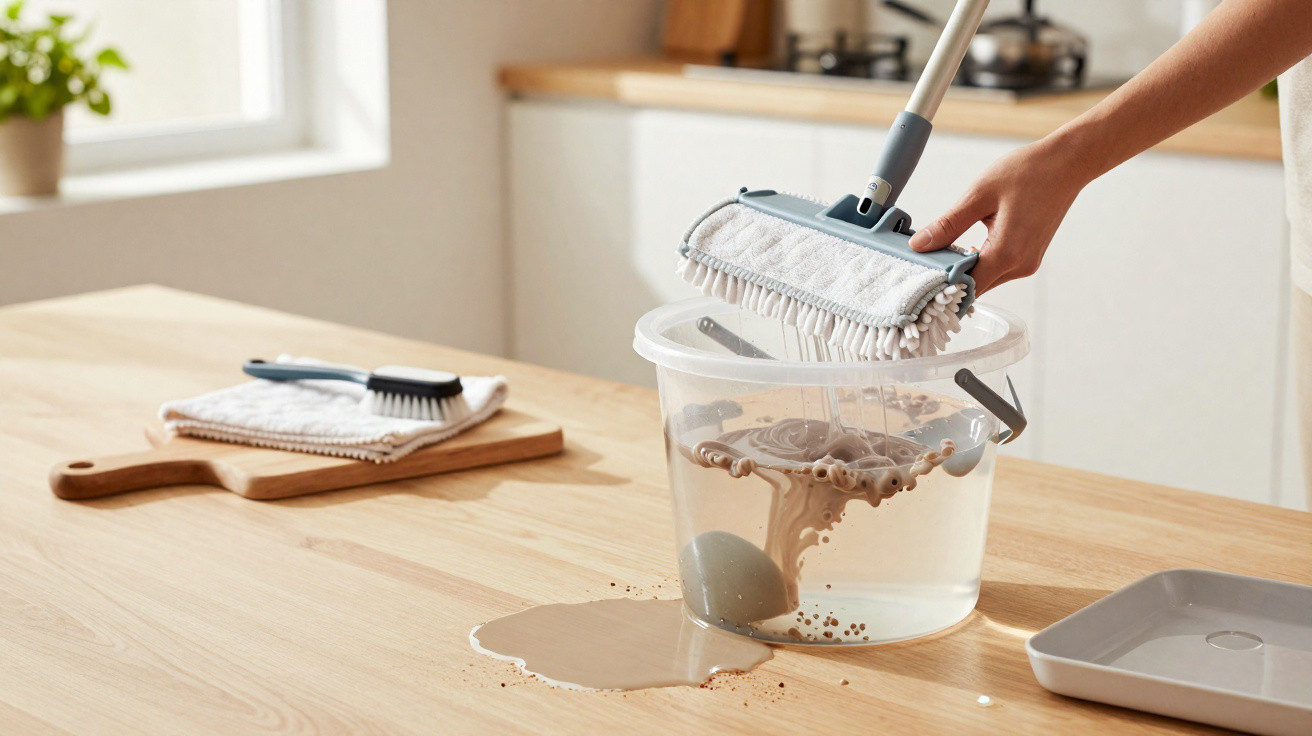
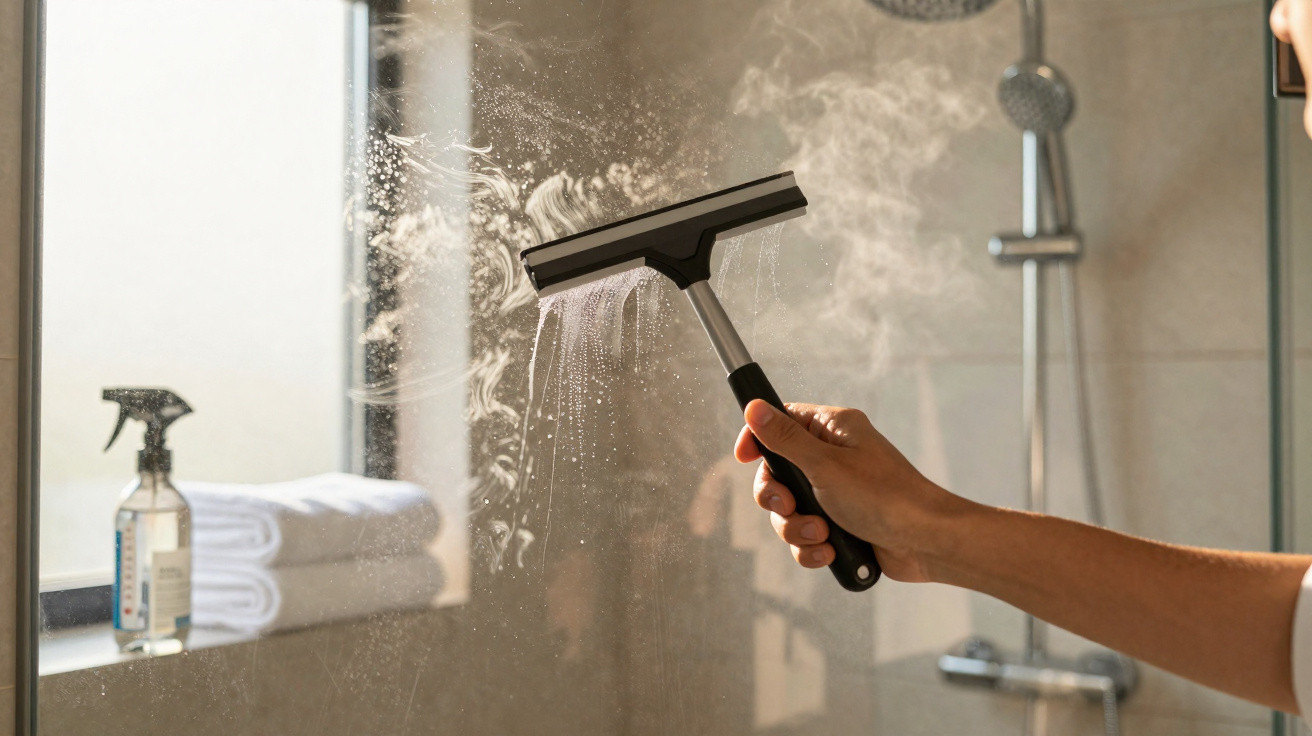
Pour the solution into a spray bottle and start by removing any loose dust with a soft cloth or a duster. Then spray the glass, wipe with a microfibre cloth using top-to-bottom strokes, and finish with a dry cloth. For the tracks, use a small brush or a soft-bristled toothbrush to reach into corners, then wipe away what’s loosened with a damp cloth.
How often should you use vinegar to clean windows?
The ideal schedule depends on factors such as local pollution, how close you are to main roads or unpaved streets, and how exposed the area is. In busy urban areas, grime builds up more quickly; in quieter spots, you can leave longer between cleans.
In general, it’s worth using the solution every fortnight or once a month for light upkeep, with a more thorough clean every 1 or 2 months. In kitchens, it’s often a weekly job to tackle grease and steam, and in coastal areas it may need doing more often to remove salt before it starts attacking the frames.
What problems can regular vinegar use on windows help prevent?
Using vinegar routinely does more than improve appearances. It helps prevent dirt building up in the tracks, which can make the window feel heavy, harder to open, and prone to squeaking-and it also reduces that almost invisible greasy film that commonly forms on kitchen windows.
When the tracks are cleaner, the window opens and closes with less effort, which encourages better ventilation and improves thermal comfort indoors. Regular cleaning also helps minimise rain spotting, hard-water splashes and marks that, over time, can make windows look prematurely worn, keeping maintenance simpler and quicker.




Comments
No comments yet. Be the first to comment!
Leave a Comment