
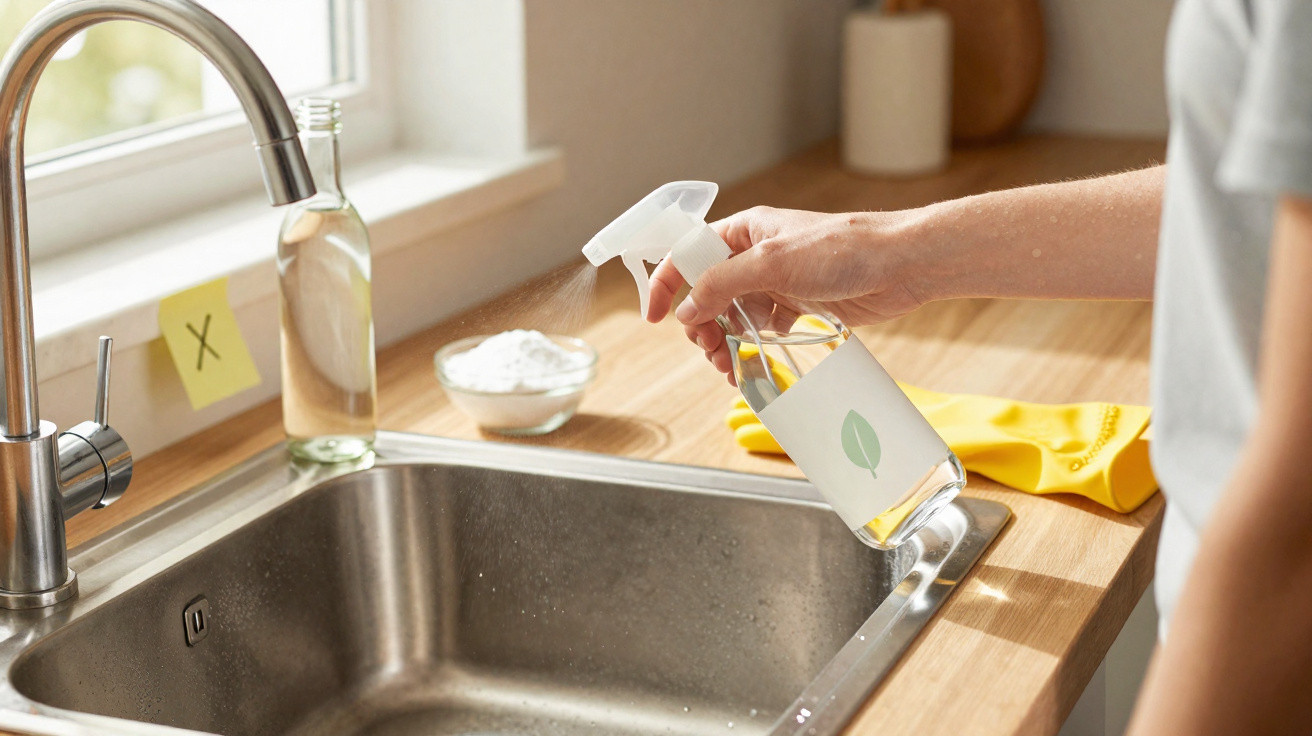
Vinegar has become a familiar feature in many household cleaning routines as a straightforward, low-cost option for looking after different areas of the home. Kept in spray bottles, mixed with water or applied neat, it turns up in homemade mixtures that claim to cut through grease, remove smells and lift stains. However, when used in the wrong way, vinegar can wear down surfaces and shorten the lifespan of floors, worktops and appliances.
How does vinegar work in household cleaning?
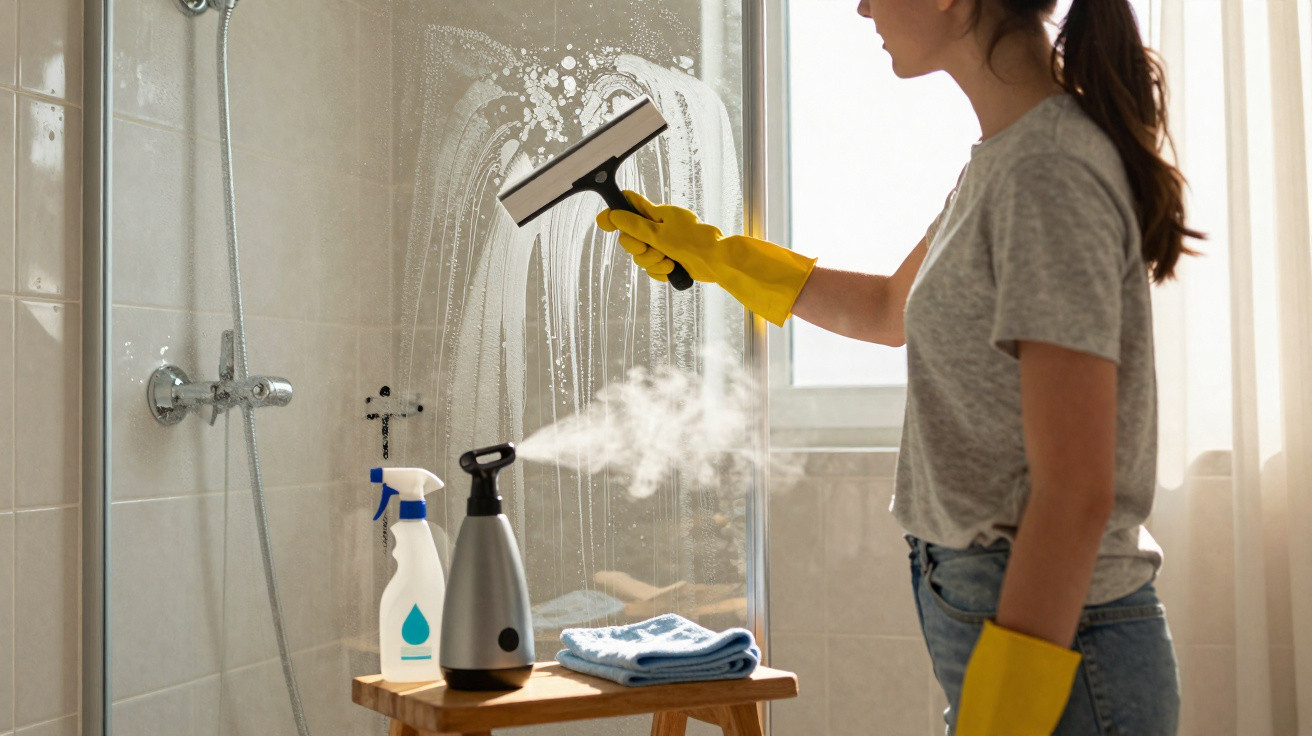
White vinegar sold for domestic use contains acetic acid at a moderate strength. This helps to dissolve mineral deposits, such as limescale water marks, and can also assist with breaking down light grease. It is also useful for neutralising unpleasant odours, which is why it is commonly used for jobs like cleaning windows, shower screens and containers that retain strong smells.
On smooth, hard-wearing surfaces-such as certain glass, glazed ceramic tiles and compatible chrome-plated metals-vinegar can be used in a diluted form. Apply it with a soft cloth or a spray bottle and then wipe it away afterwards. Using it occasionally in this way lowers the chance of damage while still working well on water marks, soap residue and lingering odours.
Where is vinegar suitable, and where should it be avoided?
On natural stone-such as marble, travertine, limestone, quartzite and some types of granite without adequate protection-the repeated use of acetic acid tends to erode the outer layer. Over time, this can lead to a loss of shine, dull patches and a rough feel to the touch, often requiring professional polishing to restore the finish.
Surfaces with more delicate finishes can also suffer, including waxed floors, furniture with wax layers, sealants or specific varnishes. With metals such as aluminium and cast iron, frequent use without proper rinsing can gradually alter the appearance and create small points of corrosion.
What precautions should you take when using vinegar at home?
Before making vinegar your go-to product for every task, it is wise to check appliance manuals, flooring specifications and the guidance provided by worktop manufacturers. If there is no clear advice, testing on a discreet area can help you spot any changes in colour, shine or texture after application.
To make everyday use of vinegar safer, a few simple habits can help reduce risk and protect surfaces:
- Check manuals and labels before using it on delicate materials.
- Avoid frequent use on natural stone and waxed floors.
- Do not mix vinegar with chlorine-based products, to prevent chemical reactions.
- Always rinse or remove any residue with a damp cloth after cleaning.
- Test on a small hidden patch before treating the whole surface.
When is it worth swapping vinegar for other products?
In spaces with natural-stone worktops, high-quality wood flooring, sensitive polished porcelain tiles or furniture with specialist finishes, it is usually safer to choose neutral cleaners or products designed for the specific material. Mild washing-up liquid, manufacturer-recommended professional cleaners and pH-neutral solutions typically do a better job of preserving shine and keeping the original appearance intact.
Keeping cleaning products organised by surface type helps prevent last-minute improvisation and the kind of gradual damage that can build up over the years. By understanding how vinegar works, which materials tolerate it well and when it is better replaced, it becomes easier to balance cost, effectiveness and long-term care-keeping the home clean without unnecessarily reducing the lifespan of floors, worktops and appliances.


Comments
No comments yet. Be the first to comment!
Leave a Comment