
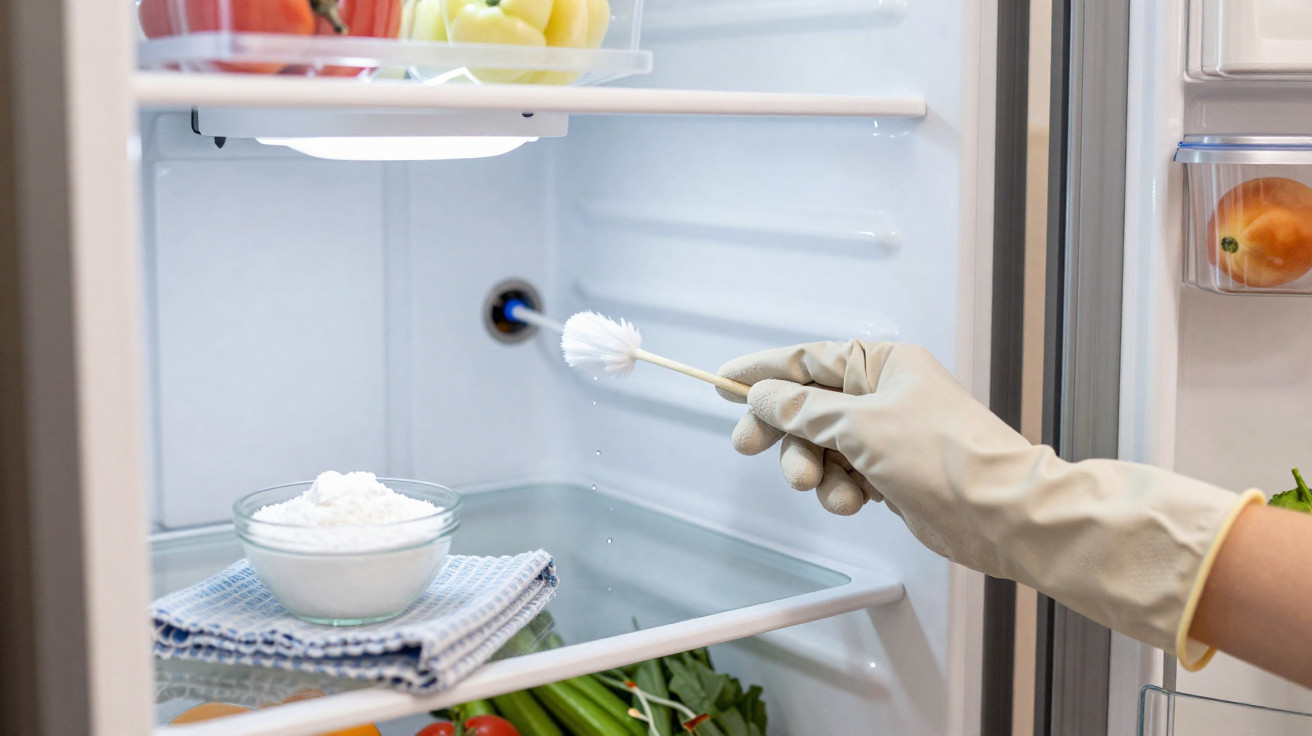
Most of us will scour the shelves, wipe out the drawers and throw away anything past its use-by date - but there’s one small area inside the fridge that often gets ignored, despite being a strong contender for the filthiest spot in the whole kitchen.
The forgotten hole at the back of your fridge
On the rear wall of many modern fridges, just above the vegetable drawers, you’ll usually find a slim channel that runs into a small drainage hole. The purpose is straightforward: it gathers condensation and routes it to a tray at the back of the appliance, where the water is left to evaporate.
Because it’s tiny and tucked away, that opening is easy to overlook. Dust, crumbs, splashes of sauce, stray bits of salad and even mould can build up there. As the grime accumulates, the drain can clog, the water can no longer run away properly, and you may end up with a thin puddle forming inside the fridge.
This one-centimetre hole can quietly turn into a warm, damp breeding ground for bacteria and mould spores.
Sitting in a shaded, humid little pocket, it provides exactly the conditions many micro-organisms prefer. If you add the possibility of drips or spills from raw meat, dairy products or vegetables, it becomes an ideal mix for contamination you won’t necessarily notice.
Why this little drain can make your fridge dirtier than you think
Condensation is part of normal fridge operation. Whenever the door opens, warmer air gets in and then cools down once the door is shut again. Moisture from that air collects on the back wall and, in a properly working system, runs down into the drain.
If the drain is blocked, the moisture can’t escape. It can sit along the rear panel or pool at the bottom of the fridge. That barely visible film of standing water may look insignificant, but it changes the environment inside the appliance.
- Moisture leaves surfaces damp for hours.
- Damp plastic combined with food residue provides bacteria with nourishment.
- Mould spores, usually present in tiny quantities, can suddenly flourish.
Whenever you open the door, shifts in temperature and air pressure can help move those spores about.
Moisture from a blocked drain doesn’t just stay put – it can spread spores onto uncovered food and packaging.
Fresh herbs, cheese, cooked leftovers left to cool without lids, and even fruit sitting on uncovered plates all become more vulnerable. You might not spot mould straight away, but contamination can begin well before anything looks obviously wrong.
The one-minute cleaning trick that actually works
The upside is that clearing the fridge drain is one of the quickest cleaning tasks you can do. In many cases it takes less time than giving a shelf a quick wipe.
Step-by-step: how to clean the fridge drain safely
- Unplug the fridge if you need to pull it out or you’re planning a more thorough clean.
- Remove items from the bottom shelf or take out the vegetable drawers so the back wall is fully visible.
- Find the narrow groove and the small hole at the rear, just above the drawers.
- With a thin brush, cotton bud, or the little cleaning tool some fridges include, carefully loosen any debris.
- Mix a small cup of warm water with a few drops of washing-up liquid or white vinegar.
- Pour a little of the mixture into the groove and check whether it runs away freely.
- If it doesn’t drain, brush again and gently work through the blockage.
Most blockages shift with a simple mix of warm water, a bit of detergent and a thin brush or cotton bud.
Appliance manufacturers often advise against poking the drain with metal skewers or sharp objects, as you could damage internal components. A flexible plastic straw or a pipe-cleaner-style brush is a safer option and is usually all you need.
Don’t forget the hidden tray at the back
The drain hole feeds into a shallow plastic tray (or pan) at the rear of the fridge, commonly positioned on top of the compressor. This is where the condensate water from inside the fridge collects.
In plenty of homes, that tray is never checked from the day the fridge is installed. Over time, dust, grease carried in cooking vapours, and tiny traces of food can settle in the water and then dry around the edges.
How to check the water tray
- Carefully pull the fridge away from the wall so you can reach behind it.
- Find the shallow plastic tray sitting on or near the compressor.
- If the design allows, slide it out or tilt it out (consult your user manual if you’re unsure).
- Tip any dirty water into the sink.
- Clean the tray with hot water and washing-up liquid, then rinse and dry it before returning it.
A neglected drain tray can contribute to that mysterious “fridge smell” even when the inside looks spotless.
If the fridge gives off a sour or musty smell whenever you open the door, the drain hole and the rear tray are two of the first places worth inspecting.
How often should you clean this tiny but crucial spot?
In most households, a quick clean of the drain every one to three months is sufficient. If you store lots of fresh produce, have children constantly opening the fridge, or deal with frequent spills, it’s wise to check it more often.
| Household situation | Suggested drain cleaning frequency |
|---|---|
| Single or couple, light fridge use | Every 3 months |
| Family with children | Every 4–6 weeks |
| Shared house with heavy fridge traffic | Monthly |
| After major spills or leaks | Immediately |
To make it easier to remember, link the drain clean to a task you already do - such as checking use-by dates or wiping down the door shelves. Building it into your routine makes it feel quick and manageable.
Health, odours and food waste: what’s really at stake
A grimy drain hole is unlikely to cause dramatic food poisoning by itself, but it does contribute to an overall rise in contamination inside the fridge. That can reduce how long fresh food keeps and can lead to quicker mould growth on bread, cheese and fruit.
Persistently damp, dirty areas can also create lingering smells. Many people blame pungent foods, when the true culprit is a mouldy groove hidden behind them.
Keeping the drain clear supports the fridge in doing what it does best: slowing down bacterial growth on your food.
There’s an energy factor too. If pooled water freezes on the back wall or interferes with air circulation, the fridge may need to work harder to maintain a steady temperature - and that can gradually push up your electricity bill.
Why mould and bacteria love fridges more than you’d think
Although fridges are cold, they aren’t frozen. Most are set between 3°C and 5°C (37–41°F). At these temperatures, many bacteria slow down rather than stopping altogether. Mould can cope even more effectively, particularly in humid corners.
Condensation, spills from raw meat juices or vegetable wash water, and forgotten leftovers all provide microscopic sources of nourishment. When those traces end up in the drain channel, they can help colonies develop long before you can see anything.
That’s why these habits work best together: covering food, cleaning up spills immediately, and keeping the drain clear. Each one reduces the conditions that allow micro-organisms to multiply.
Turning a tiny task into a long-term habit
Think about your next major fridge clean: shelves come out, old jars get binned, drawers are scrubbed. Adding the fridge drain hole to that routine takes roughly one extra minute, yet it deals with one of the most persistent sources of moisture and grime in the appliance.
For anyone with allergies or asthma, this small task can be even more important. Mould spores inside a fridge can add to the overall level of airborne irritants in the home, particularly in smaller kitchens with limited ventilation.
Looked at that way, it’s not only about keeping things tidy. It’s a simple, low-cost habit that supports better hygiene, fewer unpleasant smells and food that stays fresh a little longer - all because of a tiny hole most people never notice.





Comments
No comments yet. Be the first to comment!
Leave a Comment