
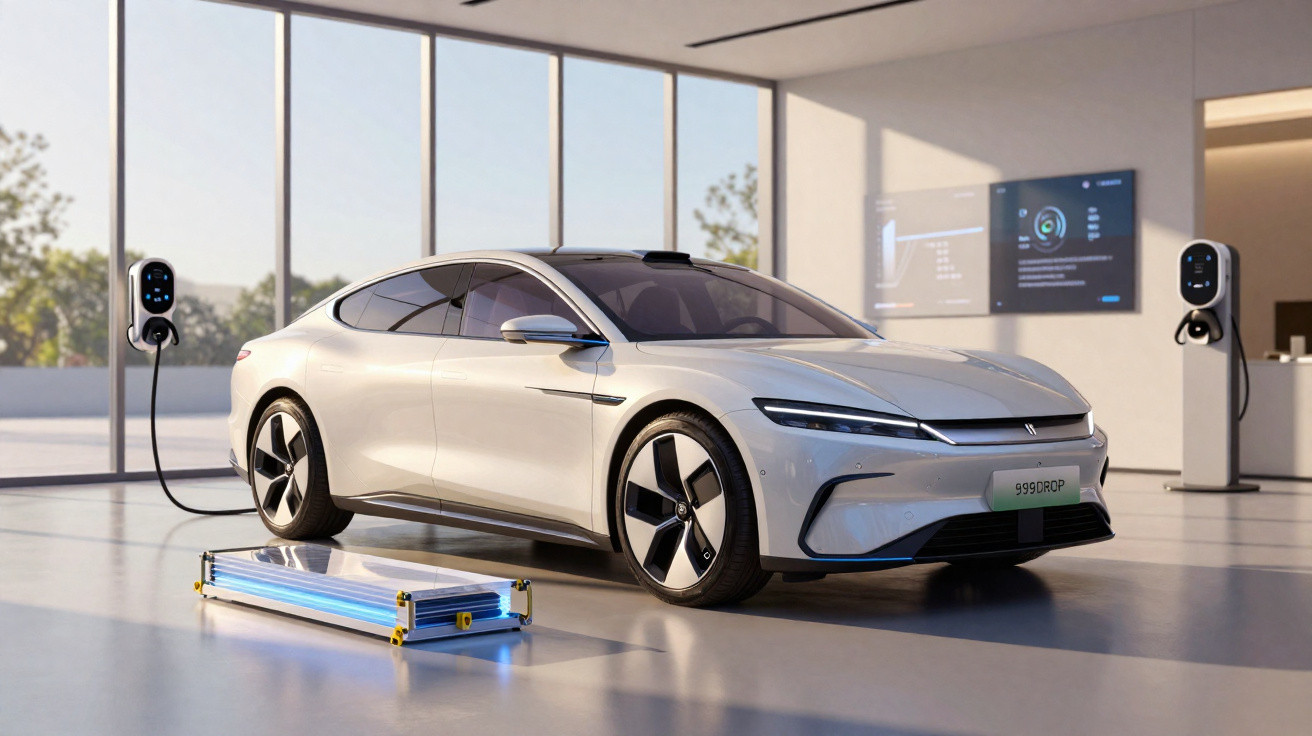
Based on data from Rupert Way, Ziegler and Trancik, Bloomberg and Avicenne Energy
Battery prices have fallen by 99% across the last three decades, according to datasets compiled by Rupert Way, Ziegler and Trancik, Bloomberg and Avicenne Energy.
Electric vehicles in 2025: the price point that became possible
In 2025, more than 20 million electric vehicles were sold worldwide, with some models priced as low as $10,000. Two decades ago, that would have been out of reach.
Battery costs from 1991 to 2024
A big reason is that batteries are now far cheaper than they used to be. In 1991, lithium-ion battery cells cost about $9200 per kilowatt-hour. By 2024, the figure had dropped to $78 - a reduction of more than 99%.
To put that into perspective, the battery cells in a typical electric car now come to roughly $5000. Back in 1991, those same cells would have cost almost $600,000. From 1998 onwards, each time cumulative global battery production doubled, the price fell by around 19%.
What drove the improvements: scale, electronics and energy density
Early gains were powered by consumer electronics - smartphones and laptops - before the technology matured enough for cars, buses and larger-scale energy storage systems. Energy density has also risen by more than three times since the 1990s, meaning today’s batteries can store far more energy for the same volume.
"A $500,000 battery could never have transformed the transport system. A $5,000 battery can."
OurWorldInData






Comments
No comments yet. Be the first to comment!
Leave a Comment