
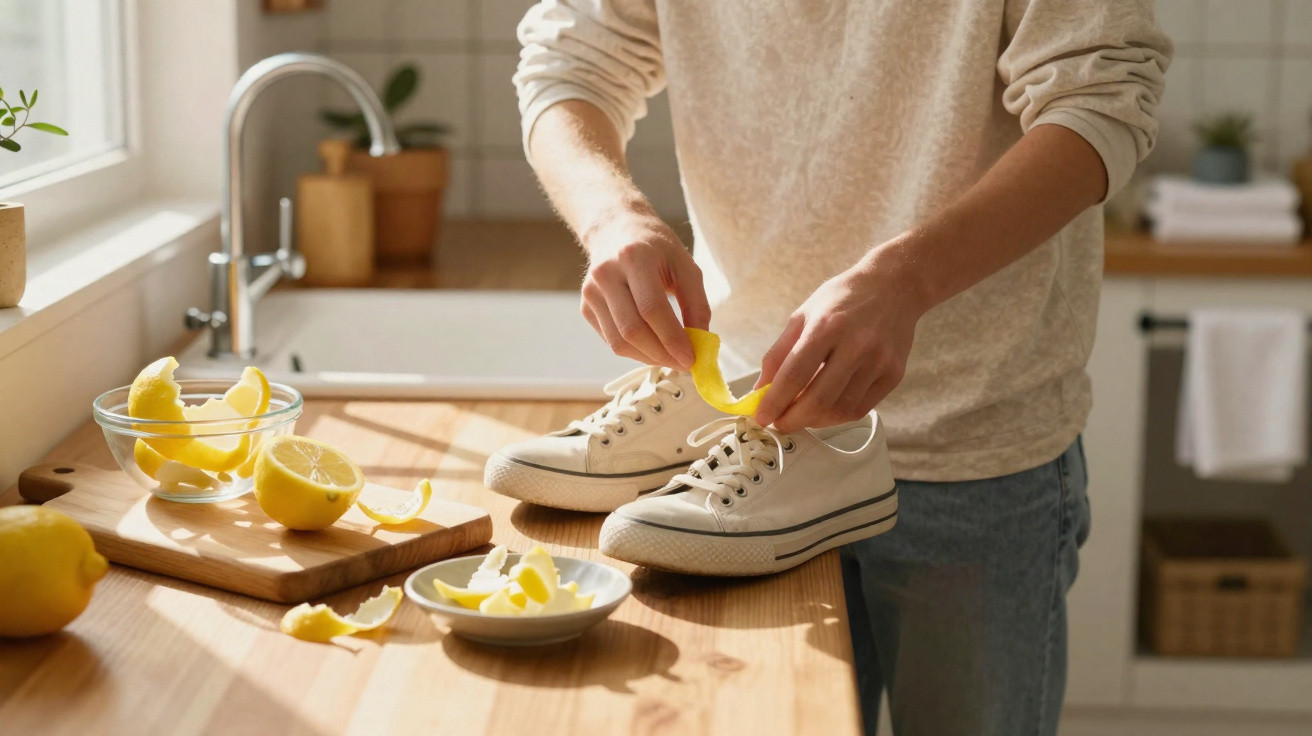
It started with that faint, nagging sense in the kitchen that something was off - a hint of wheelie bin, mixed with last night. The window was ajar, the dishwasher was running, the worktop was spotless - and yet the air felt stale, as if a grey film had settled over the room. A friend popped in for a spontaneous coffee, paused for the briefest second and slightly furrowed her brow. She didn’t say a word, but I noticed it: that micro-hesitation, the moment you suddenly see your own home through someone else’s eyes. In the end, the fix wasn’t a new cleaning product at all, but a leftover most of us toss away without thinking. And it smells like summer.
Why lemon peels can do so much
Everyone knows that moment when you open the kitchen door and think: “Right - nobody’s cooked in here; a smell has been cultivated.” You air the room, you wipe surfaces, you spray something floral into the air… and ten minutes later it’s back. That endless loop of cleaning and masking comes with a low-level annoyance that builds over time. And then there’s a lemon on the chopping board - half squeezed, the peel still a glossy yellow, almost too good for the food waste.
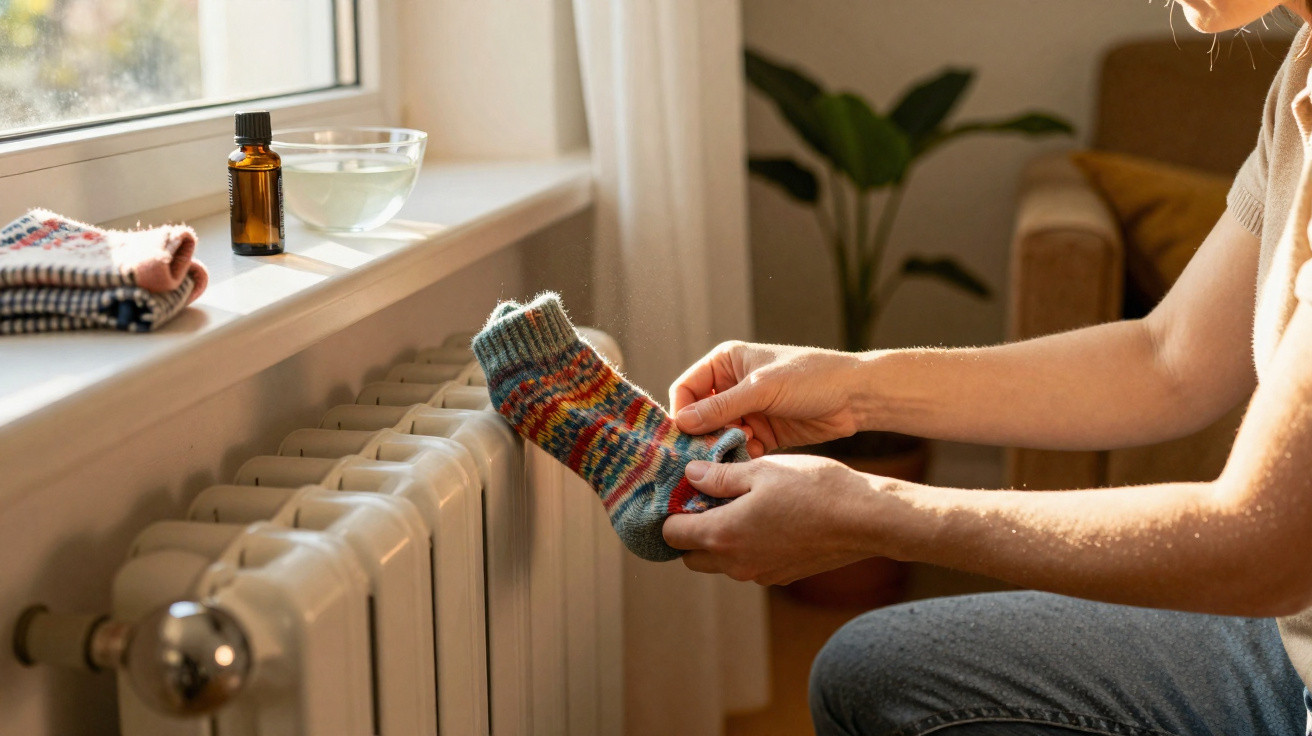
A neighbour on the third floor mentioned in passing in the stairwell that he never throws away lemon peels anymore. He dries them on the radiator, slices them into strips, and puts them in little dishes around the flat. “Smells better than any air freshener and costs nothing,” he said, laughing. A few days later he messaged me: his daughter had stuffed her sports shoes with lemon peels, “and for the first time in years those things smell like something you could actually call air”. No study, no big campaign - just a quiet tip that travels from one kitchen to the next.
There’s more behind this seemingly simple idea than “a natural fragrance”. Lemon peel contains essential oils - especially limonene - which don’t just smell strong, but can actively overwhelm and break down other odours. For many people, that clean citrus note works like a reset button for the nose. A room can feel brighter, cleaner, more awake - even though it’s only the air that’s changed. And honestly, hardly anyone scrubs the bin every day or replaces the sponge constantly. It’s exactly in those in-between moments - where real life is more realistic than any cleaning advert - that lemon peels show their quiet strength.
The simple lemon peel trick for the kitchen, bathroom and even shoes
At the heart of it is almost absurdly straightforward: don’t throw lemon peels away - place them with intention. After squeezing, cut the peel into smaller pieces. Then put them where smells tend to develop: in a small dish next to the bin, on a saucer inside the fridge, in a mesh bag for the shoe cupboard. If you like, let the peels dry slightly first - they’re less likely to go mouldy, but they’ll still release fragrance. In warm spots, such as a windowsill above a radiator, they work particularly well.
Lots of people make the same mistake at the start: they set one tiny dish on the kitchen table and expect it to defeat three days of food-waste pong, a fish frying pan and an onion board. It won’t. Lemon peels are powerful, but they aren’t a magic wand. You’ll need several small “scent islands” around the room. And you do have to replace the peels regularly, otherwise they eventually lose their punch. A practical rhythm helps: put out fresh peels whenever you’re using a lemon anyway. No extra job - just a small new habit.
Some people now treat lemon peels like a little behind-the-scenes home remedy toolkit.
“Since I started parking lemon peels in empty jam jars in the fridge, that typical ‘leftovers from the day before yesterday’ smell has stopped jumping at me when I open the door,” a reader from Cologne told me.
- In the bin: Tuck a few fresh lemon peels under the bin liner, not on top - they last longer there and don’t come into direct contact with scraps.
- In the fridge: Put peels in an open jar or bowl. They tone down mixed smells without becoming overpowering.
- In shoes and cupboards: Fill small cotton bags with dried peel and pop them into shoes overnight, or place them between clothes.
What’s behind the “miracle effect” - and why it fits everyday life so well
Anyone who’s tried a few household hacks knows the pattern: plenty sound brilliant, but only work under ideal conditions. The lemon peel trick fits real life for a different reason - it piggybacks on something you’re already doing. Most of us have lemons at home now and then: for tea, for water, for salad, for pasta. There’s nothing new to buy, no product, no brand. Just a slight shift in thinking - from throwing away to using again. And that feels surprisingly satisfying.
There’s also a plain, practical truth to keep in mind. Lemon peels don’t replace airing a room or cleaning. They’re not a free pass to think, “Fine, I’ll just leave the food-waste caddy another week.” If that’s what you’re hoping for, you’ll be disappointed. The trick works best as a final, subtle layer on top of a fairly normal routine: you do a quick tidy, you empty the bin - and the peel helps stop that lingering, permanent mustiness from taking hold. You notice that difference when you walk into the kitchen the next morning and your first thought isn’t fish.
Maybe that’s the quiet luxury we can afford in a busy life: things that work in the background without demanding attention. Lemon peels simply sit there, gently scenting the air, while reminding you that not every good effect needs to come from a bottle with a glittery label. Once you’ve seen a musty fridge turn neutral - almost fresh - just because a few yellow peels are doing their job, you start looking twice before something ends up in the bin. And sometimes change really does begin with a leftover on the chopping board.
| Key point | Detail | Benefit for the reader |
|---|---|---|
| Use lemon peels instead of throwing them away | Cut peels into pieces after squeezing, let them dry, and distribute them strategically around the home | A free, everyday alternative to room sprays and plug-in air fresheners |
| Targeted use against typical odour sources | Place “scent islands” by the bin, in the fridge, in the shoe cupboard and in small rooms | A noticeably quicker improvement in the air with very little extra effort |
| Realistic expectations of the trick | Lemon peels complement airing and cleaning; they don’t replace them | A more honest approach to home remedies, less frustration, more sustainable use |
FAQ:
- How often should I replace the lemon peels? After three to five days at the latest, depending on temperature and humidity. Replace them as soon as the peels are dry, brownish or have lost their scent.
- Can lemon peels go mouldy? Yes - especially in very damp corners or directly inside the bin. To reduce the risk, dry the peels a little first on the radiator or on a plate, and use several small portions rather than one large pile.
- Does the trick also work with orange or lime peels? Yes. Citrus fruits generally contain essential oils that help cover odours. Lemons tend to smell the freshest, oranges a bit sweeter, and limes more sharp. Many people also mix the peels.
- Does it really help with strong smells like fish or onions? Lemon peels can noticeably reduce these smells, particularly in the fridge or kitchen. For very strong sources, it’s worth combining airing and cleaning, then using lemon peels as the “finishing touch”.
- Can I use the dried peels for something else later? Many people use them to flavour tea, as a natural scent in the vacuum cleaner bag, or crushed in homemade cleaning products. As long as they’ve been dried cleanly, they’re quite versatile.

Comments
No comments yet. Be the first to comment!
Leave a Comment