
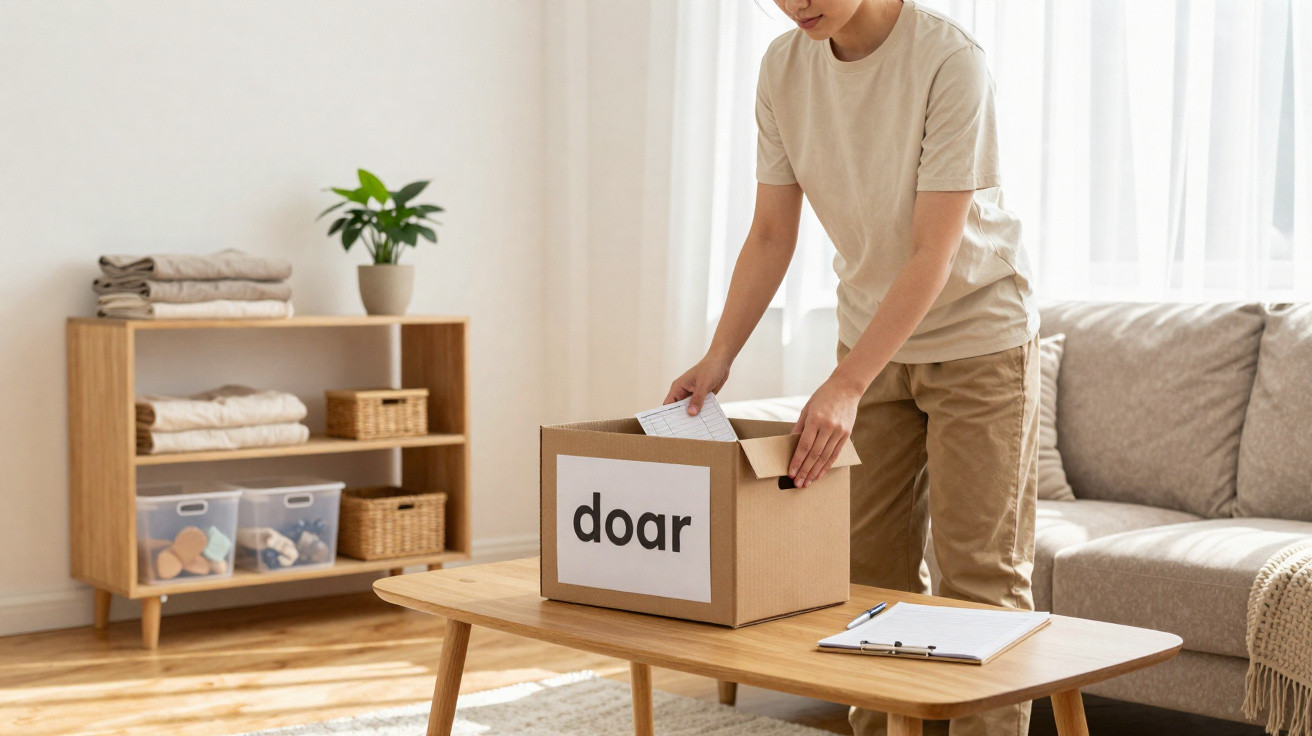
Keeping a home organised can feel difficult once belongings build up over the years. Gifts, impulse buys, souvenirs and things you hardly ever use start to take over cupboards and surfaces, making cleaning slower and more tiring. Organisation specialists say that cutting down the amount you own is one of the most effective ways to create more practical spaces, ease stress and make everyday life run more smoothly.
What does it mean to minimise your home, and why does it improve your routine?
Minimising your home is not about living with as little as possible or getting rid of everything you enjoy. The idea is to keep what genuinely fits your day-to-day life and remove the excess that takes up room and makes staying organised harder.
According to organisation experts, having fewer items around makes rooms quicker to clean and reduces the amount of upkeep they demand. It can also lessen that nagging feeling of mental overload. With fewer things to sort and put away each day, you free up time to enjoy your home and focus on other activities.
Which habits help you minimise your home little by little?
A common recommendation is to organise in short, regular bursts rather than trying to tackle the entire house in one go. Setting aside around 20 to 30 minutes to go through a wardrobe, drawer or shelf is usually enough to keep momentum going without leaving you exhausted.
Another useful habit is pausing before you bring anything new into the house. Thinking through whether you will truly use an item helps prevent unnecessary build-up and cuts down on future organising.
- Set aside a small slot each week to tidy and sort
- Donate or dispose of items you no longer use
- Avoid impulse purchases
- Decline freebies and items with no real purpose
- Assign a specific place for every item in the home
How can you stop new items from taking over every space again?
Specialists point out that minimising is not only about removing things-it also depends on managing what comes into your home. Gifts, promotions and keepsakes may seem harmless on their own, but over the months they can gradually fill up your available space.
Another approach that works well is choosing experiences over physical possessions whenever you can. For present lists, for instance, it can be worth suggesting event tickets, a special meal out, or other moments that do not create more items you have to store.
- Think carefully before every purchase
- Choose gifts that are experiences
- Avoid keeping items “just in case I use it one day”
- Check wardrobes and cupboards from time to time
- Keep a box ready for future donations
How do you turn organisation into a lasting habit?
A more organised home depends far more on consistency than on occasional deep cleans. When quick reviews are built into your routine, clutter is less likely to pile up, and each area stays functional for longer.
It also helps to remember that minimising is gradual. There is no need to empty every room in a single day. Small changes, repeated regularly, tend to deliver results that last longer and feel much less stressful.
Comments
No comments yet. Be the first to comment!
Leave a Comment