
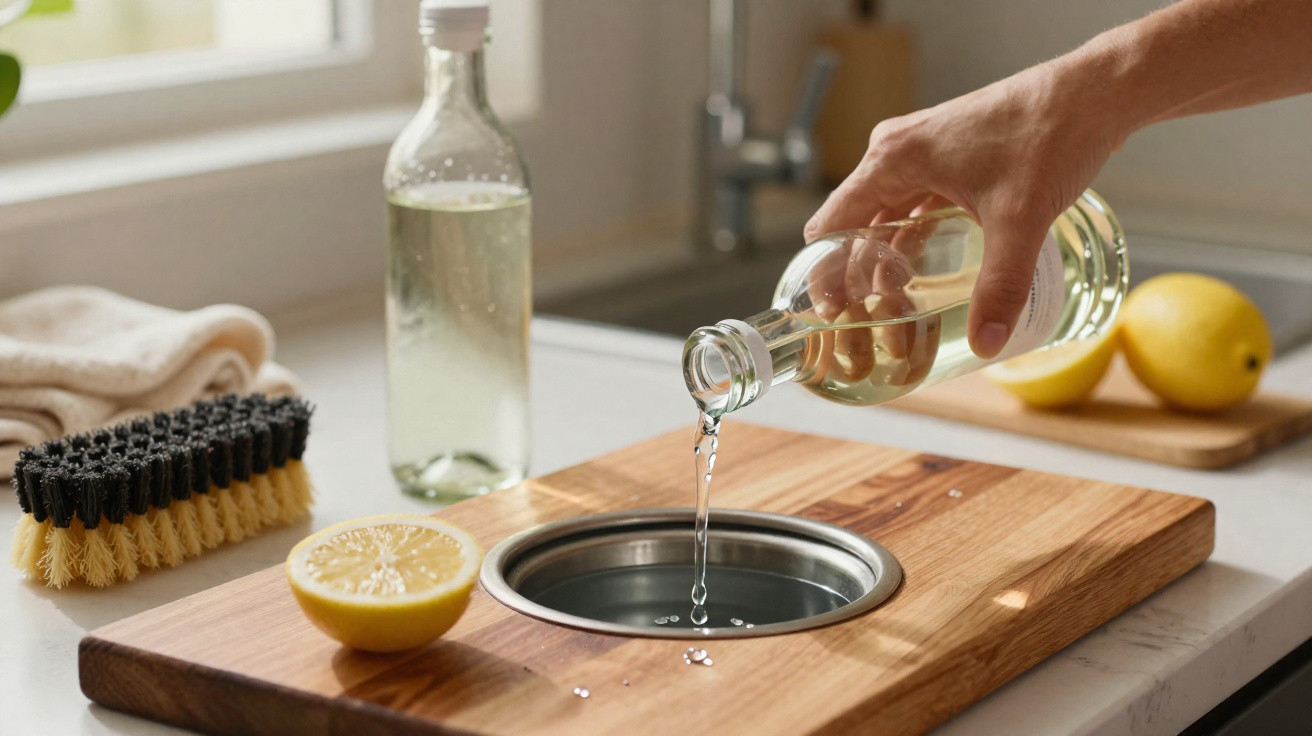
White vinegar has returned to favour as an unassuming staple for household cleaning, particularly in the parts of the home nobody shows off.
Whether it’s shower drains or kitchen extractor areas, the metal grates most people overlook can gradually become breeding grounds for bacteria, mould and unpleasant smells. Cleaning professionals say that a straightforward pour of white vinegar can make a noticeable, practical difference to day-to-day upkeep.
Why white vinegar works so well on grates
The cleaning effect of white vinegar comes from acetic acid. Although it’s a mild acid, it’s still strong enough to interfere with many common microbes found around the home. Research in environmental health and food safety has repeatedly indicated that acetic acid can lower levels of typical household bacteria - including E. coli and Salmonella - on non‑porous surfaces, particularly when it’s left in place long enough to work.
On grates and in drains, it’s a simple chain of events. Soap residue, limescale, body oils and food remnants collect between the bars and just under the surface. This greasy, sticky layer gives bacteria and fungi something to live on, and they then give off volatile compounds that can smell like sewage or a damp cloth. Vinegar helps by dealing with mineral build‑up as well as the organic film.
White vinegar does three jobs at once on grates: it softens limescale, thins grease and shifts the balance of microbes that cause odours.
Because vinegar is water‑based and relatively runny, it can slip through tight gaps and travel into the first bends of pipework, where dirt commonly settles. That hidden reach is often the point: odours typically don’t come from the clean-looking metal you can see, but from the sludge just beyond view.
Main benefits for household grates
- Odour control: cuts down the bacteria and moulds responsible for musty or sewer‑type smells.
- Limescale removal: helps loosen mineral deposits in bathrooms and kitchens.
- Mould prevention: acidic conditions make damp areas less welcoming for fungal spores.
- Less reliance on harsh chemicals: reduces the need for chlorinated products or heavy-duty degreasers.
- Budget friendly: standard distilled white vinegar usually costs far less than many specialist cleaners.
How often should you pour vinegar down your grates?
Professionals generally position vinegar as a maintenance habit, not a magic fix. How often you use it depends on the amount of moisture and organic waste going through each grate.
| Type of grate | Typical problems | Suggested vinegar routine |
|---|---|---|
| Shower or bath drain | Hair, soap scum, limescale, mildew odour | Once a week |
| Kitchen sink or floor drain | Grease, food particles, sour smells | Once a week |
| Laundry room drain | Detergent residue, fabric fibres, damp smell | Every 10–15 days |
| Ventilation or air‑brick grates | Dust, surface grime, occasional mould spots | Once a month, mainly as a wipe‑down |
Regular, small doses of vinegar keep problems manageable; waiting for a serious blockage usually calls for mechanical cleaning or a plumber.
Step‑by‑step: cleaning grates with white vinegar
You don’t need a complex method or a cupboard full of products. A container for pouring, a brush and a little patience are usually enough.
Basic method for drains and floor grates
- Slowly pour about 250 ml of white vinegar over and through the grate.
- Leave it for 15 to 30 minutes so the acid has time to loosen build‑up.
- Brush the accessible areas using an old toothbrush or a small scrubbing brush.
- Rinse with hot water to wash the loosened residue down the pipe.
- Wipe and dry the area around the grate with a clean cloth to make mould less likely to return.
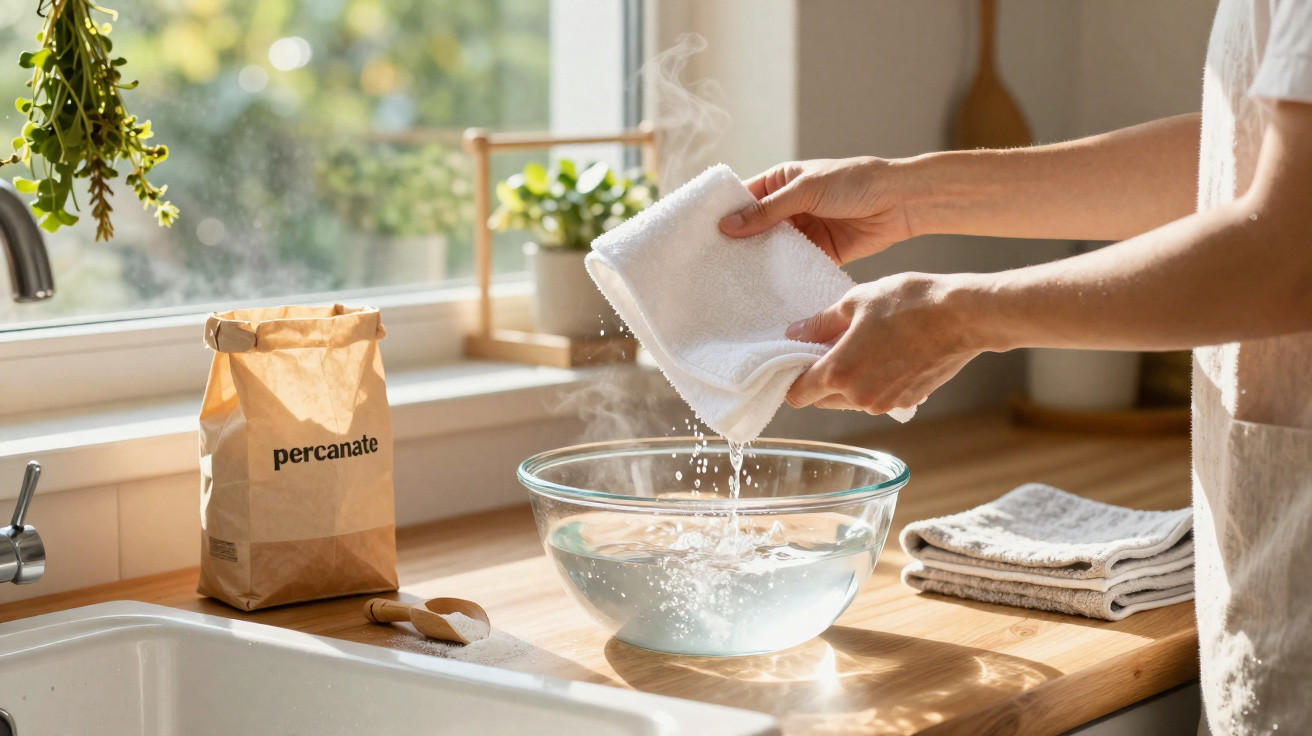
If the grate can be lifted out - as with some shower and floor covers - you can clean more thoroughly. Remove it, then soak it in a bowl of warm water mixed with vinegar for around 30 minutes, followed by scrubbing and rinsing. While it soaks, pour a little extra vinegar into the exposed drain opening and brush the sides you can reach.
Kitchen specifics: dealing with grease
Kitchen grates and sink strainers have to cope with fats, starches and proteins. Vinegar can help, but by itself it can struggle against thick, cooled grease. Many cleaning specialists suggest a simple two‑stage approach.
- Start by flushing the grate with hot water plus a small amount of washing‑up liquid to break through the fatty layer.
- Then pour in vinegar, allow it to sit, and rinse again with hot water.
In that order, the surfactants in the washing‑up liquid help lift oils, while vinegar targets minerals and the films that hold odours. Used together, they lower the chances of tacky build‑up that traps food scraps and accelerates blockages.
Where vinegar falls short
White vinegar isn’t a cure‑all. If limescale is very heavy, or a drain has been ignored long enough to develop thick sludge, vinegar may only loosen the outer layer. At that point you may need mechanical options - such as a drain snake or hair-catching tool - or a professional clean.
It’s also not suitable for every surface. Repeated contact with natural stone (including marble or limestone) can cause etching because of the acid. Where grates sit within those materials, tradespeople often recommend applying vinegar with a cloth or a targeted squeeze bottle, taking care to keep it off the surrounding stone.
Vinegar supports a maintenance routine; it does not replace proper plumbing work when pipes are already narrowed or damaged.
Is vinegar safe to mix with other products?
This is the area where you need to be particularly careful. Vinegar must never be mixed with bleach or any cleaner containing chlorine. Combining them can produce chlorine gas, which can irritate eyes and lungs and may be dangerous in small, poorly ventilated rooms. Many all‑purpose bathroom sprays include bleach, so it’s important to read labels before using products together.
- Do not mix vinegar with bleach-based cleaners.
- Don’t combine it directly with strong ammonia products.
- If you’re changing from one cleaner to another, rinse thoroughly with plenty of water first.
When used alone, distilled white vinegar is generally one of the lower‑risk liquids for routine cleaning, especially compared with caustic drain openers designed to dissolve organic material.
Why public interest in “low‑tech” cleaning hacks is rising
Search trends in both the UK and the US show ongoing interest in household tips that rely on simple cupboard ingredients rather than branded chemical products. Vinegar, bicarbonate of soda and lemon juice sit at the centre of this shift, influenced by cost‑of‑living pressure and by growing awareness of indoor air quality.
Indoors, air already contains a mixture of volatile organic compounds from sources such as paint, furnishings, candles and heating systems. Frequent use of strongly fragranced cleaning products can add to that load. Vinegar has a sharp scent, but it tends to fade fairly quickly and doesn’t introduce synthetic perfumes - something that can be problematic for people with asthma or allergies.
Extra tips for keeping grates cleaner for longer
Vinegar is most effective when it’s part of a wider routine. A handful of habits can reduce how quickly grates become a problem.
- Fit hair catchers in showers to stop strands going down the drain.
- Scrape plates into the bin before rinsing to reduce food debris.
- Ventilate bathrooms (open windows or use extractor fans) to cut humidity around floor grates.
- Dust or vacuum ventilation grates regularly so grime doesn’t cling to damp patches.
For households that want a more planned routine, some plumbers suggest rotating vinegar flushes with plain hot-water flushes over the month. This can help keep fatty residues softer and easier to move before they set into stubborn rings inside the pipe.
Away from grates, the same bottle of white vinegar can be used for a surprisingly wide range of smaller tasks: descaling kettles, wiping tiled splashbacks, freshening fridge interiors and removing soap marks from glass shower screens. The underlying idea stays the same, with contact time and dilution adjusted to suit the job. With sensible use, it’s less a folk trick and more a dependable part of modern home maintenance.




Comments
No comments yet. Be the first to comment!
Leave a Comment