
Leaving a hotel shower, the air often feels clean and almost unnoticeable: no buzzing plug-in diffuser, no heavy-handed fragrance. That low-drama freshness comes from routines that prioritise moisture control, microbes and the right materials rather than scent-and many of the same ideas work just as well in a normal home.
Why hotel bathrooms don’t actually “smell of anything”
Ask a hotel housekeeper what they’re aiming for and you’ll often hear a similar line: the bathroom should smell like nothing at all. That lack of smell is the signal that damp, stale water notes and body odours have been removed, not masked with perfume.
"Neutral air, not a strong perfume, is the real signature of a well‑kept bathroom."
In practice, hotels concentrate on three basics: get wet textiles out quickly, stop biofilm building up on surfaces and in drains, and bring humidity down fast after every shower. Perfume, if used, is usually an afterthought and kept very light.
The textile rule: why towels are public enemy number one
In many households, the toilet isn’t the main cause of bathroom odour. More often, it’s the laundry left to sit in the room.
Towels, bath mats and robes soak up water and hold it in the fibres. Add warm, steamy shower air and you create ideal conditions for bacteria. Those microbes then produce airborne compounds that we recognise as “damp” or “musty”.
"A single damp towel can act like a slow‑release diffuser for bad smells in a small bathroom."
Hotels deal with this decisively: used towels are removed promptly, and replacements come back dry, fluffy and properly aired thanks to high-temperature washes and powerful dryers. Housekeepers also avoid leaving half-dry fabric tucked behind doors or draped over radiators.
How to copy the hotel approach at home
- Hang used towels outside the bathroom, on a heated rail or in a well-ventilated hallway.
- Swap thick cotton bath mats for quicker-drying alternatives and launder them on hot cycles.
- Replace family towels more often than you think you need to-particularly through winter.
- Wash towels at 60°C when the fabric allows; it helps reduce the bacteria that cause odour.
If you don’t have a balcony or garden, even a folding airer in a bedroom with a window open is far better than leaving textiles in a humid bathroom all day.
The quiet science behind hotel‑style freshness
Most hotel groups aren’t using complicated chemistry to make bathroom air pleasant. Instead, they remove the conditions that create odours in the first place.
Dry air beats any spray
Unpleasant smells usually rise with humidity. Shower steam hits cooler tiles, mirrors and ceilings, then condenses. That moisture feeds mould spores and bacteria, especially in grout lines and corners.
- With a window: open it fully for 5–10 minutes after showering and leave the door ajar to create a short, strong cross-draught.
- Without a window: run the extractor fan for 15–20 minutes and keep doors to other rooms open.
- A cheap digital hygrometer can show you when humidity sits above 60% for too long.
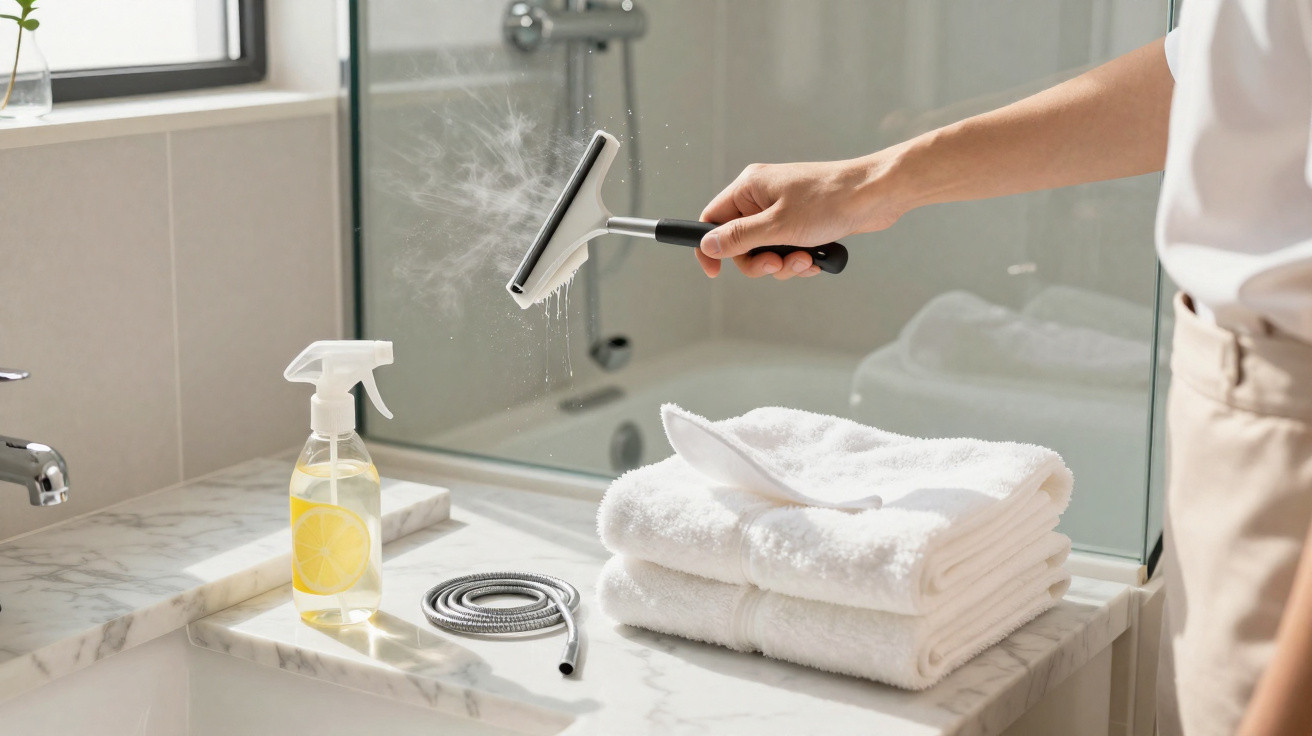
Hotels also lean on simple tools such as squeegees. Pulling water off tiles and glass straight after showering can dramatically reduce surface moisture, cutting down the places microbes can settle.
The war on invisible biofilm
Bacteria and fungi can create thin, stubborn layers-biofilms-in drains, on shower curtains and within grout. These films cling to surfaces and don’t shift with quick, superficial cleaning. They also give off the faint “old water” note many people link with bathrooms that aren’t maintained.
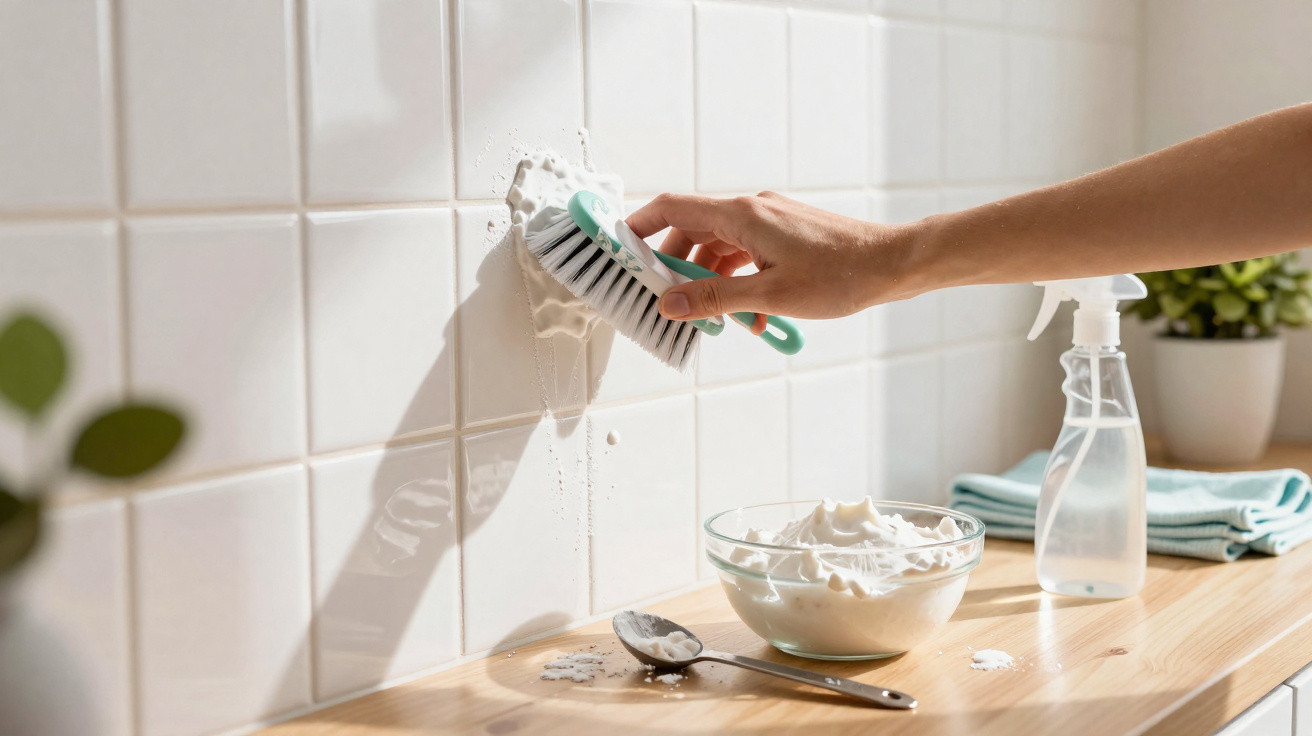
To prevent that, hotel routines are designed to break up biofilm frequently. More regular scrubbing with mildly acidic or alkaline products is common, rather than waiting for occasional deep cleans using extremely harsh chemicals.
Natural helpers hotels and cleaning pros actually use
Many professionals still rely on a small set of basics that deal with odour by neutralising it, not by overpowering it.
| Product | Main purpose | Practical note |
|---|---|---|
| Baking soda | Neutralises odours, helps clear deposits in drains | Rinse with hot water, not boiling |
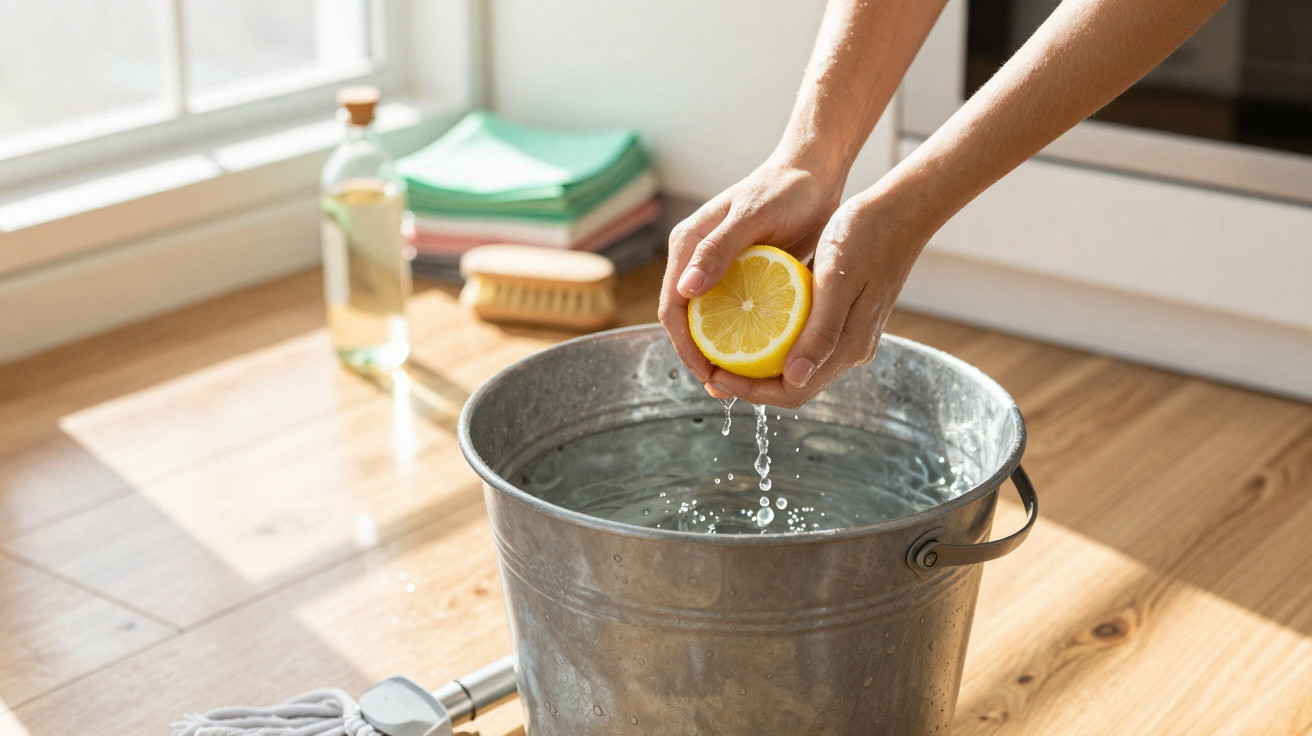
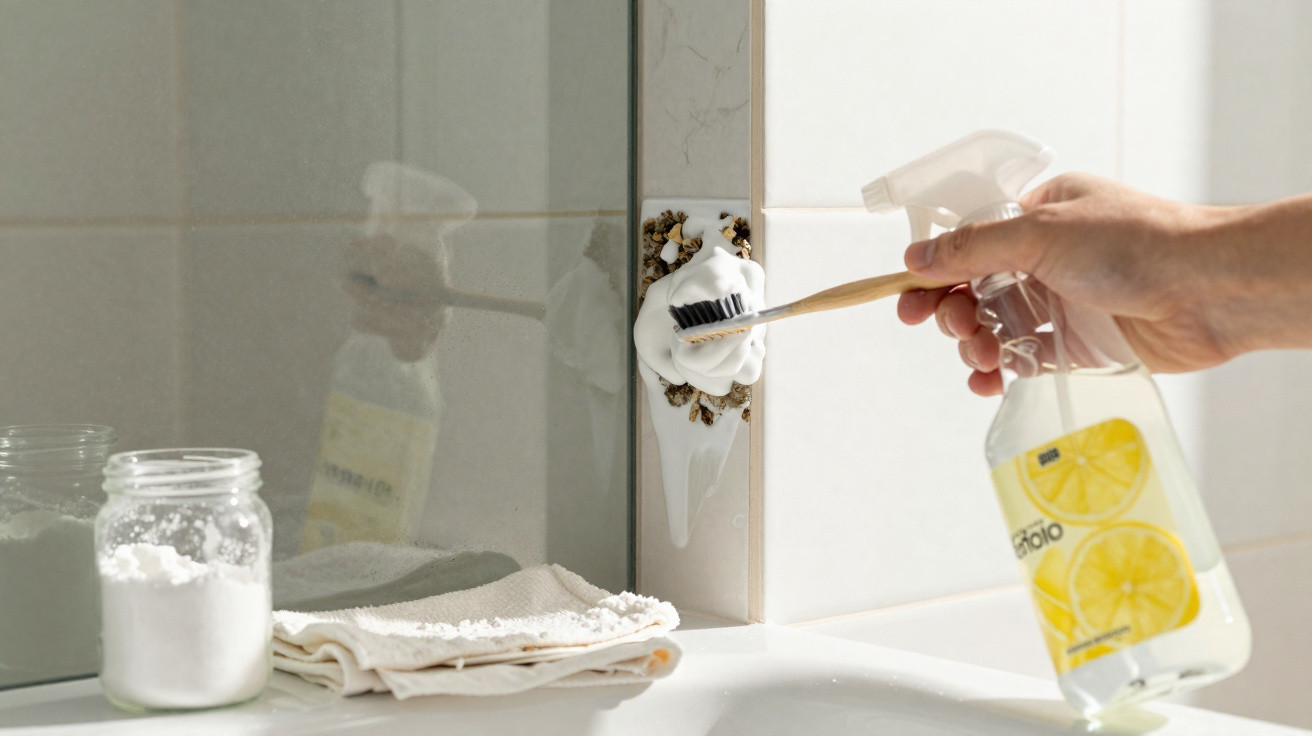
| Lemon | Adds a light scent and helps lift limescale film | Use on taps and tiles, avoid prolonged contact with metal |
| Vinegar solution | Slows mould growth and breaks down soap residue | Keep away from natural stone and never mix with bleach |
| Activated charcoal | Absorbs background odours in small spaces | Replace every few weeks for best results |
Practical drain routine for home bathrooms
Hotel guests don’t usually stay long enough for drains to dry out, but at home this can become an unseen issue. If the water in the trap (siphon) evaporates, gases from the sewer side can leak back into the room.
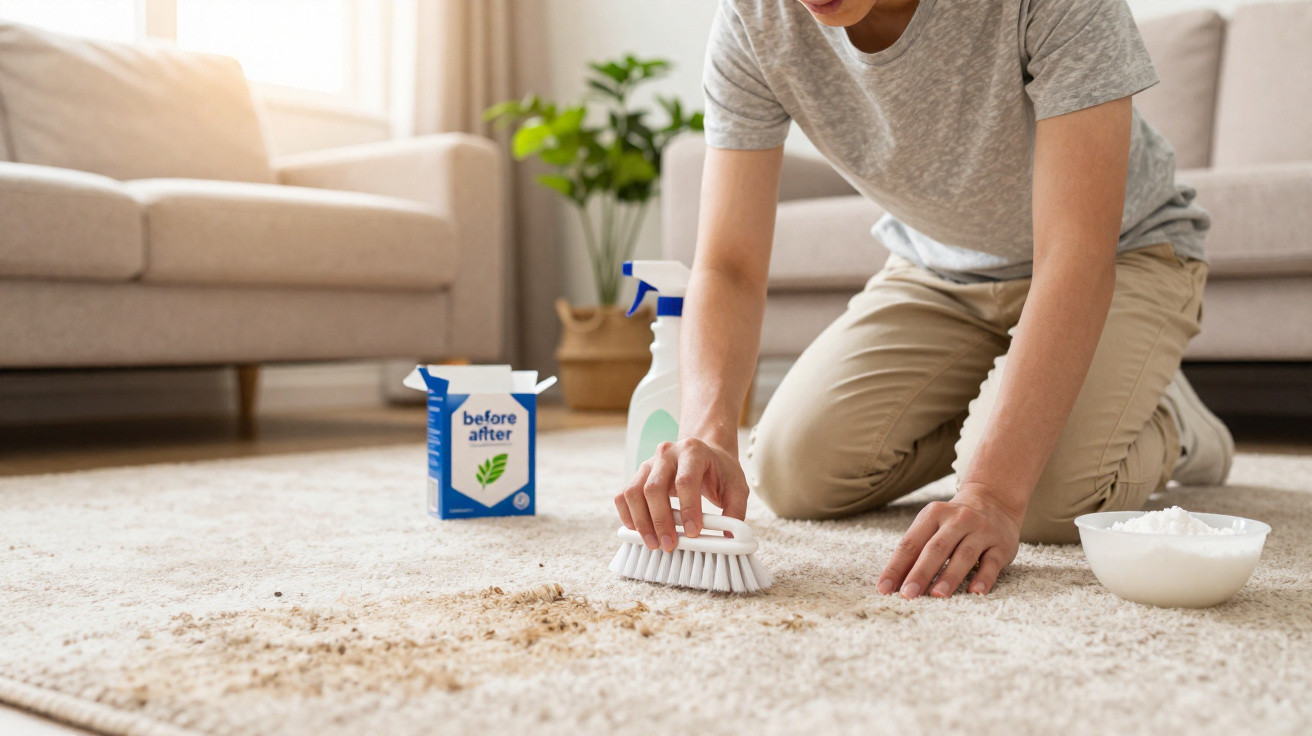
- Pour half a cup of baking soda into smelly drains and follow with hot water.
- If the smell persists, run water for a few seconds to refill the trap.
- On very rarely used drains, a small layer of cooking oil on top of the water slows evaporation.
Bins respond to the same approach. Putting a teaspoon of baking soda at the bottom and cleaning the lid regularly helps stop odours accumulating between rubbish collections.
Subtle scent instead of clouds of aerosol
When hotels do add fragrance, it’s typically kept understated. The goal is a quiet impression of cleanliness rather than a recognisable blast of “ocean breeze” or “vanilla”.
"Fragrance should feel like an accent, not like a desperate attempt to cover something up."
Low‑key ways to add a pleasant note
- Leaving a good-quality scented soap out in the open provides a gentle aroma and refreshes slightly with each use.
- A few short burns of a small candle can help before visitors arrive, provided it is never left unattended.
- Home-made glycerine soaps with a few drops of essential oil let you control both intensity and ingredients.
People with pets, asthma or migraine often find strong essential oils triggering. Hydrosols-water-based plant distillates-offer a lighter scent with less punch. Even so, in a small bathroom, a little usually goes a long way.
Surfaces, grout and the quiet role of vinegar
Tiles, silicone seals and grout lines gradually collect soap film and skin oils. As those layers build, they hold moisture and trap tiny organic particles that microbes feed on. That’s when even a tidy-looking bathroom can start to smell faintly like a “wet locker room”.
A simple 1:1 blend of household vinegar and water in a spray bottle, used on non-stone surfaces, helps cut through the film and can slow mould. Small daily or weekly habits tend to matter more than rare sessions of heavy scrubbing.
- Spray shower walls and grout after use, wait a couple of minutes and wipe dry.
- Avoid vinegar on marble, limestone or slate; use pH-neutral cleaners instead.
- Never combine vinegar with chlorine-based products because dangerous fumes can form.
When film is kept under control, future cleaning becomes easier-and the room ends up smelling closer to nothing at all.
Hidden culprits hotels always check
If a housekeeper picks up a suspicious odour, they usually run through the same checks in a familiar order. The same process works well in a domestic bathroom.
- Drains: look for hair caught in filters and confirm there’s water sitting in traps.
- Toilet base: check for small leaks or loose fittings that allow smells to escape.
- Bin: rinse the bin itself and clean under the lid, not just swap the liner.
- Shower curtain: wash it often or pick a quick-dry fabric alternative.
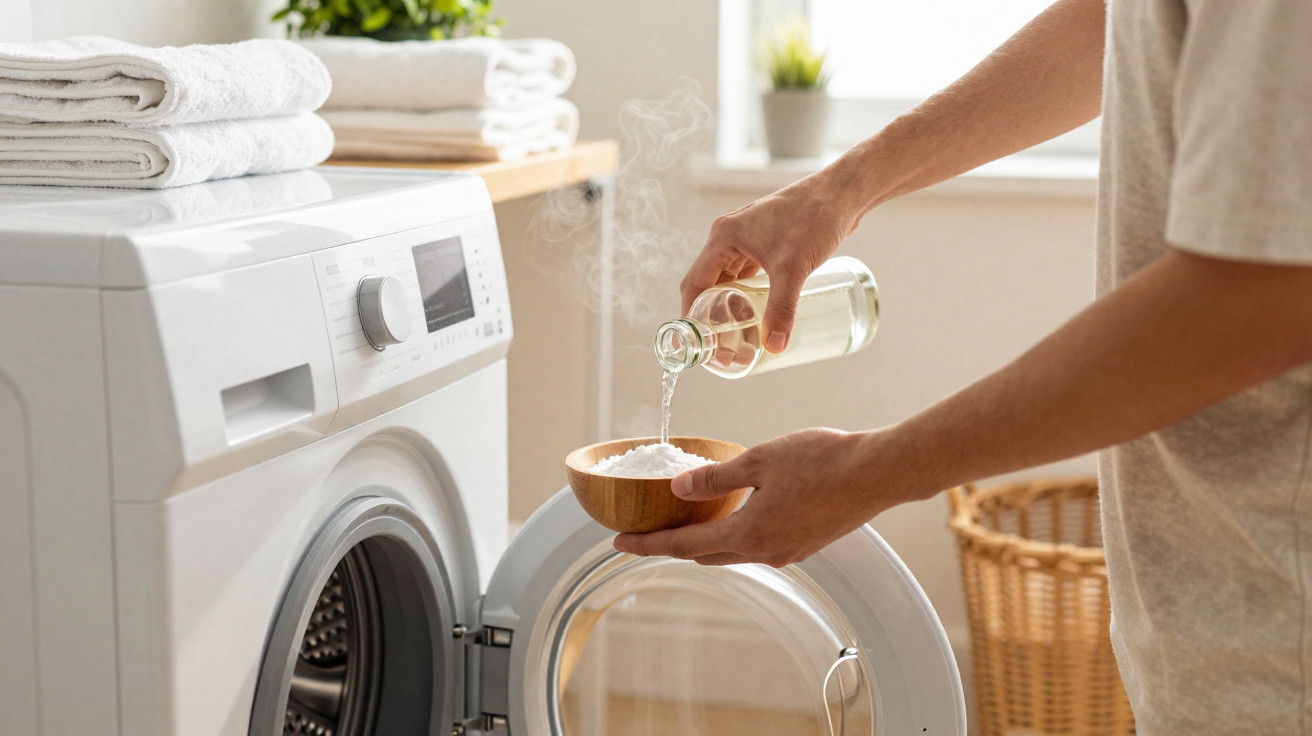
- Washing machine: clean the detergent drawer, rubber door seal and run a hot maintenance cycle occasionally.
- Air circulation: don’t push storage units tight against outside walls, where moisture can gather out of sight.
Turning hotel habits into a home routine
In a busy household, “hotel-level” bathroom upkeep can sound unrealistic. In reality, many hotel methods take only minutes once they’re built into a routine.
"Fifteen focused minutes a week often does more for bathroom air than shelves full of fragranced products."
A straightforward weekly checklist might include: squeegeeing tiles and glass, emptying and rinsing the bin, checking drains, washing or swapping towels and mats, and airing the room properly at least once after a day of hot showers.
Guest bathrooms often need extra care because they sit unused. Running the tap and shower every few days keeps traps topped up. For drains used very rarely, adding a teaspoon of oil slows evaporation so sewer gases stay sealed out.
Why this matters beyond pleasant smell
A bathroom that smells fresh isn’t only about keeping visitors happy. Lower humidity and less biofilm can mean fewer mould spores and reduced dust mite levels, which may help people with allergies or asthma. Washing towels at high temperatures also reduces the amount of bacteria and fungi that come into direct contact with skin.
There’s a financial benefit too. Managing ventilation and moisture can protect grout, silicone and paint from premature damage, helping avoid renovation costs. Using a dehumidifier or running the fan more effectively can also reduce the risk of damp patches forming inside walls-often unnoticed until black mould shows up.
For renters in older buildings with poor extraction, a small plug-in dehumidifier or a stronger, timer-controlled fan may outperform ongoing spending on constant fragrance refills. The hotel mindset points to a broader shift: think like a building engineer, not a perfume designer.
The same principles also apply beyond bathrooms, including small city flats and shared houses. Reduce moisture quickly, keep textiles dry, clean where water lingers, and only then add a light scent if you still want one. The air won’t smell like a “holiday resort”, but it will feel cleaner-and that quiet, almost invisible freshness is exactly what good hotels aim for.
Comments
No comments yet. Be the first to comment!
Leave a Comment