
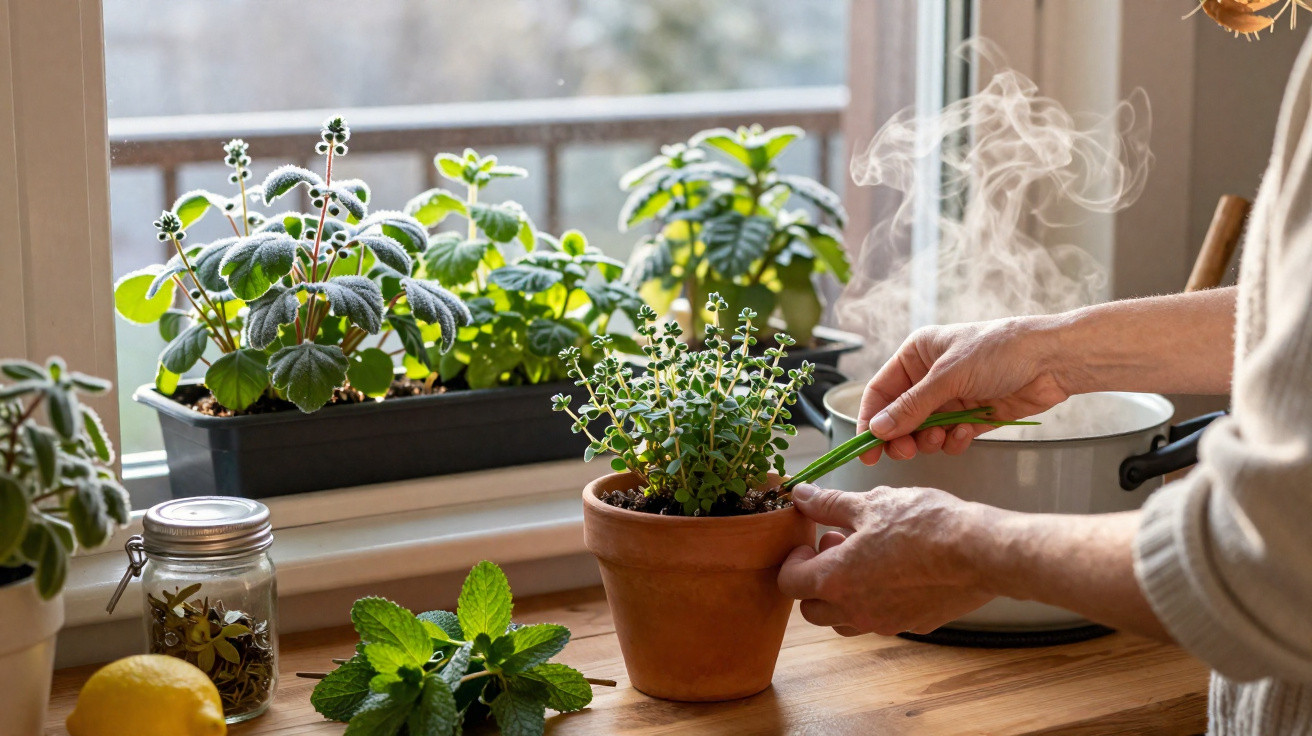
Clever gardeners don’t have to wait long before they’re cutting fresh herbs again.
While plenty of people are still counting down to spring and leafing through seed catalogues, experienced home gardeners often take a much simpler route: they rely on perennial herbs that can handle even harsher winters and then spring back on their own. Put these plants in the ground now and you cut out a lot of annual effort-plus you’ll have fresh flavour on your plate from late winter onwards.
Why perennial herbs are a genuine gardener’s trick right now
Many assume that once the first frost arrives, the veg plot is basically finished for the year. Perhaps there’s a forlorn leek or a bit of Brussels sprout left-otherwise, it looks like everything has stopped. That’s exactly where a lot of potential gets wasted.
"Perennial herbs carry on working in winter-secretly, underground."
In autumn these plants retreat, storing energy in their roots and rhizomes and simply waiting for the first milder spell. As soon as temperatures hover just above freezing and the days start to stretch out again, they get moving-often as early as late January or early February.
The benefit is obvious: no fiddly sowing on a windowsill, no constant watering, and no checking whether anything has actually germinated. The plants are already in place, well rooted, robust, and ready to go for the next season.
The seven hardy staples that wake up again after frost
This isn’t about rare exotics. It’s about tough, familiar classics that nearly everyone recognises-and yet far too few people grow consistently as long-term crops:
- Chives
- Sorrel
- Parsley (often curly)
- Mint (in many varieties)
- Thyme
- Oregano (for that Mediterranean note)
- Tarragon (fine, with a gentle aniseed-like flavour)
Chives are often the first to push up soft green tubes through the last traces of snow. Sorrel regrows remarkably early and can provide young, tender leaves as soon as February. Parsley, once it’s properly established, can cope with surprisingly low temperatures and then puts on new growth again in late winter.
Mint frequently disappears completely above ground, but it forms a dense network of roots in the soil. Once it turns milder, fresh shoots pop up all over. Thyme and oregano stay evergreen in many gardens and can be picked for much of the year. Tarragon usually dies back entirely, then returns with strong new growth as soon as the soil warms.
"If you establish these seven herbs in the garden, you’ll have an aromatic basic supply for almost the whole year-right on your doorstep."
How these self-starters work in the herb bed
The real “magic” sits in the root system. It doesn’t just hold food reserves; it also keeps the plant anchored, allows it to spread sideways, and helps it send up new shoots again and again.
The rhythm tends to repeat itself each year:
- Autumn: energy is pulled down into the roots and top growth reduces.
- Winter: above ground everything looks dead; below ground life is only resting.
- Late winter: longer days act as the signal to form fresh shoots.
- Spring: the plants surge forward and fill the bed.
Maintenance stays modest. Once in late winter or very early spring, it’s usually enough to cut away old, dried stems. That lets sunlight reach the soil more easily, helps it warm up faster, and encourages earlier regrowth.
No sowing, no pricking out, no daily hovering over delicate seedlings-perennial herbs do most of the work themselves. It also suits anyone aiming to garden more climate-consciously: less plastic, less heating energy for greenhouses, and fewer transport miles from imported produce.
From dull to brilliant: how herbs rescue the winter kitchen
Towards the end of winter, many kitchens are still in “hearty food mode”: potatoes, cabbage, root vegetables. Healthy, yes-but after months, it can all start to feel repetitive. That’s where fresh herbs really earn their place.
Sorrel: a sharp lift for tired winter dishes
Young leaves add a bright, lemony tang to:
- omelettes or scrambled eggs
- light sauces for fish
- creamy potato soups
Often a small amount is enough to transform a dish completely-especially when the other ingredients are fairly mild.
Chives and parsley: everyday heroes with more flavour than supermarket packs
Picked straight from the garden, both taste noticeably stronger than pre-packed supermarket bunches. Chives work well with baked potatoes, cream cheese, salads, and egg dishes. Parsley makes stews, lentil dishes, and roasted vegetables taste livelier and fresher.
Thyme, oregano and tarragon: backbone for braises and oven bakes
Thyme brings an earthy, warming note-ideal in lentil stew, with baked potatoes, or with slow-cooked meat. Oregano belongs on pizza, of course, but it also shines in tomato sauces, roasted vegetables, and spreads.
Tarragon adds a fine, slightly sweet aniseed touch. It’s excellent with poultry, creamy sauces, potato gratin, or stirred into a simple herb butter that suddenly tastes like it came from a professional kitchen.
Mint: summer in a glass-right in February
A few fresh leaves can turn hot water into a soothing herbal tea that hints at warmer days. Mint also adds freshness to couscous salads, yoghurt dips, or fruit salad, bringing energy to winter meals.
"If you pop into the garden for a moment in February, you can bring fresh seasoning to your winter dishes at restaurant level."
Act now: how to set up a herb bed for years to come
If you don’t yet have these seven herbs in your garden, it’s worth starting before it feels like summer. The best time is often earlier than most people think-namely as soon as the soil is no longer frozen.
Rather than gambling on seed, it’s usually smarter to buy young plants in pots. Garden centres and DIY stores often stock them very early in the year, and this approach makes success far more likely.
| Herb | Position | Handy tip |
|---|---|---|
| Chives | Part shade to sun, humus-rich soil | Divide every few years to keep it vigorous |
| Sorrel | Part shade, ideally a little moist | Pick younger leaves; older ones are tougher |
| Parsley | Bright spot, but not scorching midday sun | Don’t plant right next to old parsley (soil fatigue) |
| Mint | Part shade, nutrient-rich soil | Plant with a root barrier; it spreads aggressively |
| Thyme | Sunny, dry, poorer soil | Avoid waterlogging or the roots will rot |
| Oregano | Sunny, warm | Great on dry-stone walls or in a herb spiral |
| Tarragon | Bright, sheltered from wind | Lightly mulch in winter for reliable return |
If you don’t have a garden, much of this also works in large pots or balcony planters. What matters is generous container size, good drainage, and frost-proof pots so the plants can survive winter.
How long is it worth the effort-and what do you really gain?
The “effort” is usually just an afternoon: prepare pots or beds, plant them, water them in, done. In return, these herbs can provide harvests for many years.
It isn’t only a financial win. Cutting herbs right outside your door reduces packaging, refrigeration, and long supply chains. And because you can snip exactly what you need, far less ends up in the bin.
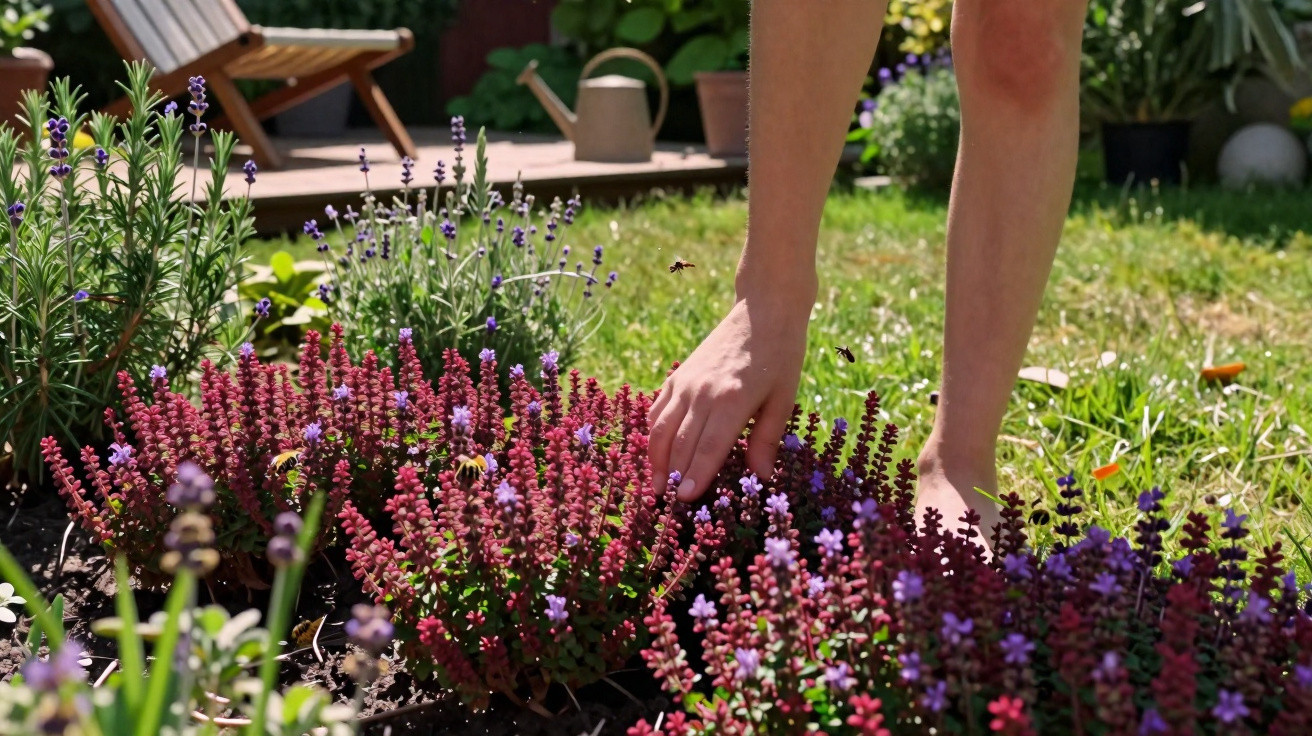
It gets even more interesting if you plan combinations on purpose: planting thyme, oregano, and tarragon near cabbage and veg beds attracts plenty of insects, and their flowers feed pollinators. Mint can cover bare, awkward corners of the garden and, with its scent, may unsettle certain pests.
For beginners, a small area with all seven varieties is ideal: a mini herb bed close to the house, perhaps beside the patio. That way, reaching for the scissors becomes an almost automatic part of daily cooking-and each winter it’s more satisfying when those first green tips appear again.




Comments
No comments yet. Be the first to comment!
Leave a Comment