
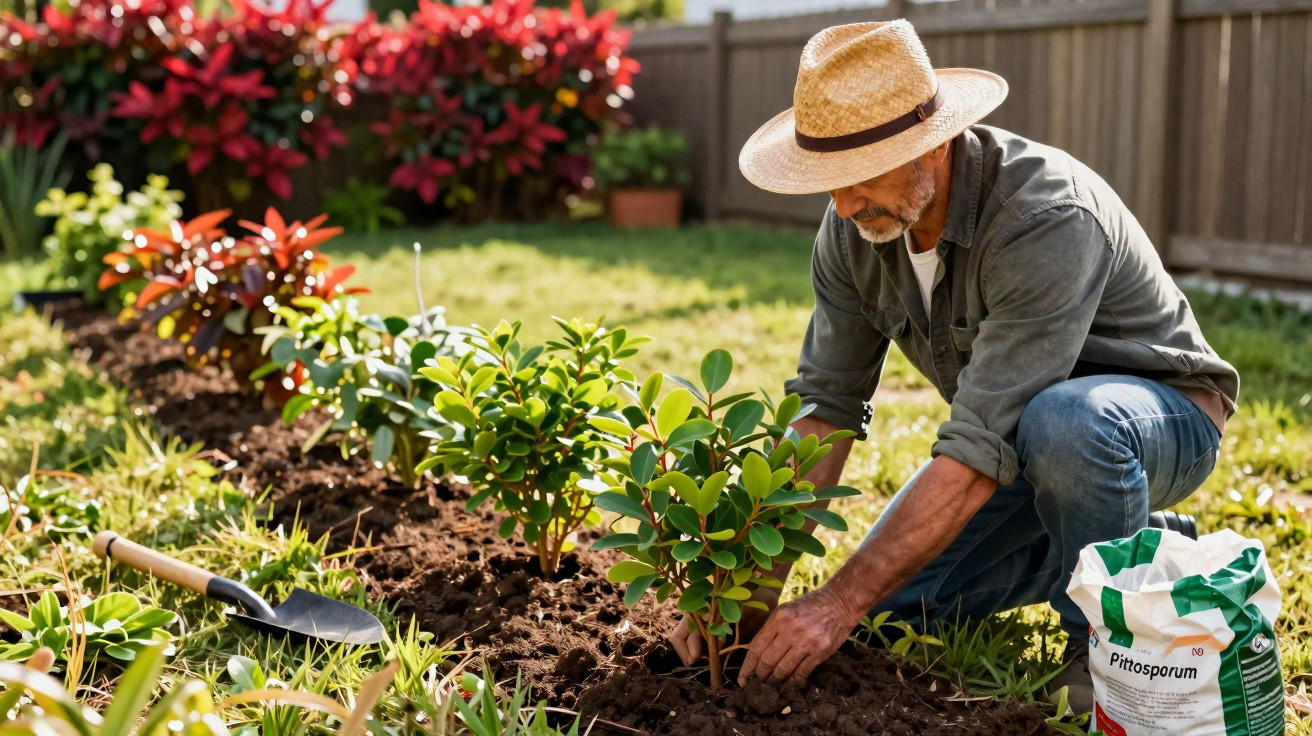
For years, Photinia was treated as the miracle answer for a fast, privacy-giving hedge. Red new growth, quick results and minimal effort were all part of the promise. Yet in more and more gardens that reputation is fading: spotting, bare patches and thin growth are becoming common. Looking ahead to spring 2026, attention is shifting to a different shrub that adds fresh colour and reliable structure without demanding constant maintenance.
Why Photinia is becoming a problem hedge in many gardens
A walk through modern housing estates or suburban front gardens often reveals the same pattern: once-lush Photinia hedges now marked by brown patches, pale gaps and an overall tired look. And it’s not usually down to poor gardening alone.
In many cases, the real cause is a fungal disease that tends to strike after mild winters and damp springs. Leaves develop red or brown specks, then crisp up and drop earlier than they should. Over time the shrubs weaken, put on only limited new growth, and become more open year after year.
"Instead of a dense protective wall, many Photinia hedges are left as a holey framework shrub - the exact opposite of the privacy people hoped for."
There’s another factor that often makes matters worse: many hedges are planted far too close together. Wet foliage then struggles to dry, creating ideal conditions for fungal spores. Fallen leaves showing symptoms are frequently left beneath the hedge, allowing the pathogen to persist. If you replant the same shrub without improving the soil first, you are essentially restarting the problem from scratch.
The new favourite: Pittosporum replaces Photinia
Among garden professionals, one name is cropping up more and more in this context: Pittosporum. It is widely seen as a straightforward, dependable alternative that doesn’t compromise on appearance.
The shrub holds its foliage all year. Depending on the variety, the leaves may be deep green, cream-and-green variegated, or lightly silvered. That mix of tones keeps a hedge looking fresh without becoming garish, and it can create striking contrast against plain house façades.
Where Pittosporum really stands out is its growth habit: it fills out quickly, but not in a wild, unmanageable way. For many gardeners, one trim a year is enough. If you prefer a particularly crisp outline, a second light cut will do the job-without turning hedge care into a relentless schedule.
"Pittosporum hedges keep their shape without you constantly stepping in to correct them - a clear advantage over sensitive problem species."
Because this shrub is generally less prone to the common leaf-spot issues seen in Photinia, plants tend to stay more vigorous. In practice, that means less maintenance and far less frustration.
Mixed hedge instead of monoculture: more resilience, more life
One clear lesson from widespread Photinia damage is this: a hedge made up of a single species is a gamble. One disease can wipe out entire runs of gardens along a street. That is why more and more garden designers are recommending mixed hedges.
If you choose Pittosporum, it pairs well with other robust shrubs, for example:
- Elaeagnus (oleaster) for sections exposed to wind and salty air
- Cornus (dogwood) with vivid red stems in winter
- Hazel shrubs for a natural, native element and edible nuts
These combinations add year-round structure: blossom in spring, berries or ornamental interest later in the season, and coloured bark through autumn and winter. In addition, insects and birds benefit from extra food sources and better shelter.
Step by step: how to replace an old hedge successfully
Assessment and soil preparation
If you want to replace an ageing Photinia row, it pays to take an organised approach. Simply pulling everything out and planting again rarely leads to a good result. A practical order looks like this:
- Check the condition of the existing hedge: is damage limited to a few shrubs, or does it affect longer stretches of several metres?
- Remove diseased shrubs completely, including the root ball.
- Do not compost leaves, prunings or fine roots suspected of carrying disease; dispose of them via green waste or burn them.
- Loosen the soil deeply and remove thick old roots.
- Work around 10 litres of well-rotted compost into each planting hole.
On heavy soils, improving drainage is also worthwhile. Adding grit sand or creating a thin strip of gravel along the planting line helps prevent waterlogging, which can weaken many woody plants.
Correct spacing and planting technique
When planting Pittosporum as a hedge, spacing needs to be planned properly. Planting too tightly almost always causes problems after a few years.
- Spacing: roughly 80 to 100 centimetres between shrubs.
- For 10 metres of hedge, 10 to 12 plants are sufficient.
- For mixed hedges, one option per 10 metres is 6 Pittosporum, 2 Elaeagnus and 2 Cornus.
- Apply a 5 centimetre layer of organic mulch around each plant.
- In exposed locations, tie each young shrub to a sturdy stake for at least one year.
"The right spacing doesn’t just keep plants healthier; it also means less long-term work with the hedge trimmer."
Everyday care: little effort, big impact
Once your new screen is established, ongoing care stays manageable. The most important period is the first twelve months after planting.
Young shrubs need consistent watering. In high summer, 10 litres per plant once or twice a week is a solid guideline, depending on soil and weather. Later on, occasional watering during prolonged dry spells is usually enough.
A light feed in spring helps the hedge get going. If you work in about 50 grams of a balanced garden fertiliser per running metre, the plants will be adequately supplied. Mulch should be topped up every two years to keep soil life active and moisture levels more even.
For pruning, a single cut after the main flush of growth in early summer is typically sufficient. If you want a very precise line, do a light tidy in late summer. The key point: don’t cut back into old wood-trim back the fresh growth instead.
Typical mistakes gardeners should avoid
Many hedge problems can be prevented by following a few basic rules. The most common pitfalls include:
- replanting the same struggling species in exactly the same spot without any soil improvement
- spacing plants too closely, which causes the hedge to thin out inside and become labour-intensive over time
- leaving diseased leaves on the ground, allowing pathogens to remain in the garden for years
- heavy soils without drainage, where roots end up sitting in water during wet periods
If, instead, you aim for some species diversity and pay attention to the soil, you create a much more resilient garden structure. Many home gardeners notice within two or three years how relaxed hedge care can be when the planting is planned well.
What Pittosporum & Co. do for the garden microclimate
One aspect that is often overlooked: a healthy hedge that is dense-but not overcrowded-helps regulate the microclimate. It reduces wind, traps dust, provides shade and keeps garden edges damp for longer. That matters as summers become drier and winters more changeable.
Mixed hedges featuring Pittosporum, Elaeagnus, dogwood and native shrubs also offer far more ecological value than a uniform wall of a single, problematic exotic species. Different flowering times provide pollen and nectar over many months, and varied berries become a food source for birds.
So, if you replace a weakening Photinia hedge over the coming years, it isn’t just an aesthetic choice. Opting for a robust, colourful shrub such as Pittosporum, and moving towards a mixed hedge, improves long-term maintenance demands, stability and biodiversity in your own garden-along with day-to-day enjoyment behind the garden fence.



Comments
No comments yet. Be the first to comment!
Leave a Comment