
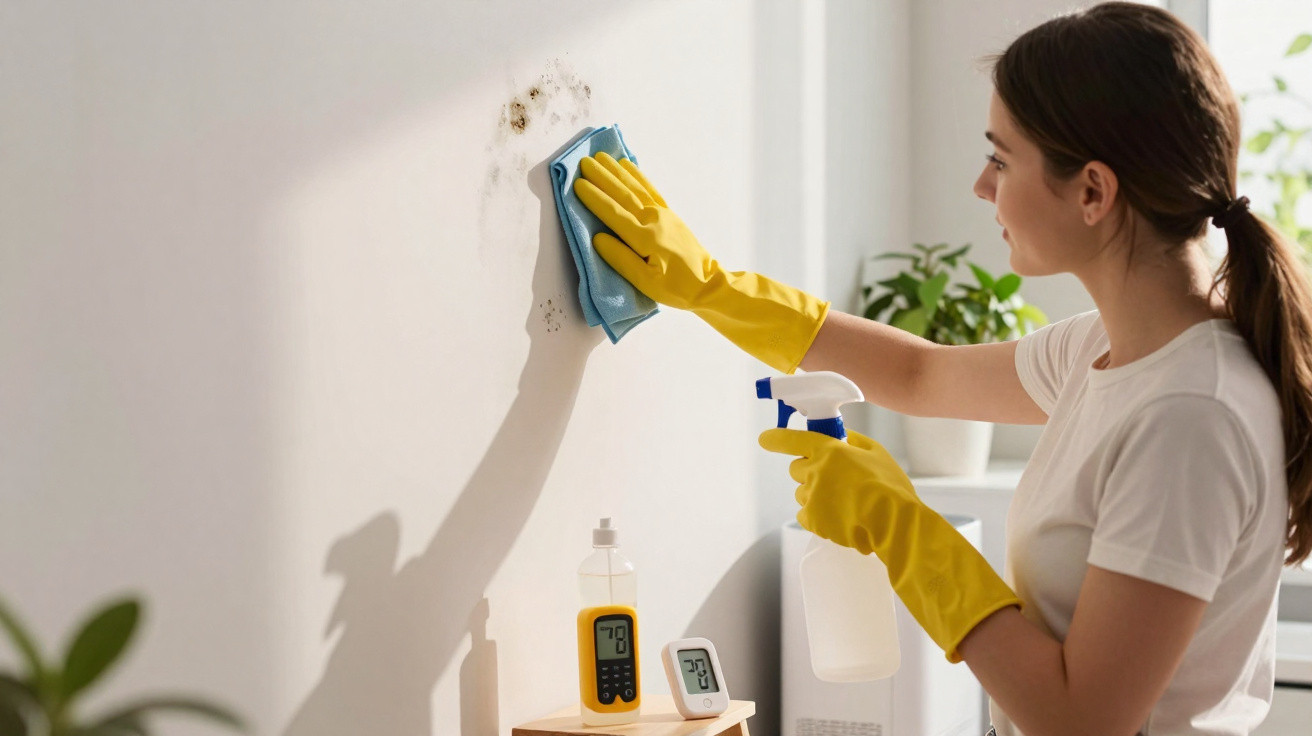
Removing mould on the wall takes more than scrubbing the dark patch until it fades. Fungi thrive wherever there is ongoing moisture - whether that’s from water ingress, a leak, condensation forming on a cold surface, or poor ventilation. If the underlying cause remains, the wall may look fine for a few days and then the black specks, the familiar musty smell, and stained paintwork can return.
Why does mould keep coming back to the same spot?
Fungal spores are naturally present in the air and start to grow once they find moisture and a suitable surface. That’s why noticing exactly where the mark appears can point you towards the source: cold external corners often suggest condensation, stains close to the ceiling can indicate water ingress, and patches near pipe runs may be linked to leaks.
- Rainwater getting in through roofs, façades/external walls, or windows.
- Hidden plumbing leaks inside the wall.
- Condensation caused by walls that are very cold.
- Thermal bridges at beams, columns, and structural junctions.
- Bathrooms, bedrooms, and kitchens kept shut and humid.
How do you clean a mouldy wall without spreading spores?
Before you start, open doors and windows, wear gloves, and avoid dry-brushing mould, as that can lift particles and spread them around the room. On hard, washable surfaces, warm water with detergent can help remove the surface layer; afterwards, the area must dry out completely. Purpose-made anti-fungal products can also be used when they are compatible with the paint and wall finish.
Household bleach should not be treated as a universal fix, particularly on porous materials where growth can extend beneath the surface. If you use it in line with the manufacturer’s instructions, it must never be mixed with vinegar, acids, ammonia, or other cleaning products. Plaster, drywall, and finishes that are badly degraded may need removing and replacing when contamination is deep.
How can you tell whether the cause is water ingress, condensation, or a thermal bridge?
Where the damp shows up - and when it appears - helps separate one cause from another. A patch that worsens after rainfall points to water ingress; moisture near pipework can suggest a leak; condensation mould is more likely in corners, behind furniture, and on cold external walls, especially during winter.
- Stain grows after it rains: check the roof, gutters, external wall, and windows.
- Constant damp near a bathroom or kitchen: inspect pipework.
- Black spots behind wardrobes: improve airflow between the furniture and the wall.
- Cold corners that “sweat” in winter: assess condensation and thermal insulation.
- Bubbling paint or crumbling plaster: find the water entry point before repainting.
What should you do to stop the fungus from returning?
Once you’ve removed the water source, the priority becomes keeping the surface dry. Daily ventilation, using extraction while showering and cooking, and leaving a few centimetres between large furniture and external walls all help reduce trapped humidity. In naturally damp homes, a dehumidifier can help keep relative humidity below levels that encourage fungal growth.
A thermal bridge needs a different approach. When one section of a wall stays consistently colder than the surrounding area, moisture in the air can condense there even without any water ingress. Improving insulation, fixing construction defects, or increasing heating and air movement at that point is usually more effective than repeatedly applying anti-mould paint.
When does mould on the wall also become a health concern?
Damp spaces with fungal growth can trigger or worsen nasal irritation, coughing, wheezing, and allergy symptoms in people who are sensitive - especially those with asthma or other respiratory conditions. Children, older people, and anyone with a weakened immune system also need extra caution, particularly when contamination covers a large area or there is a persistent smell indoors.
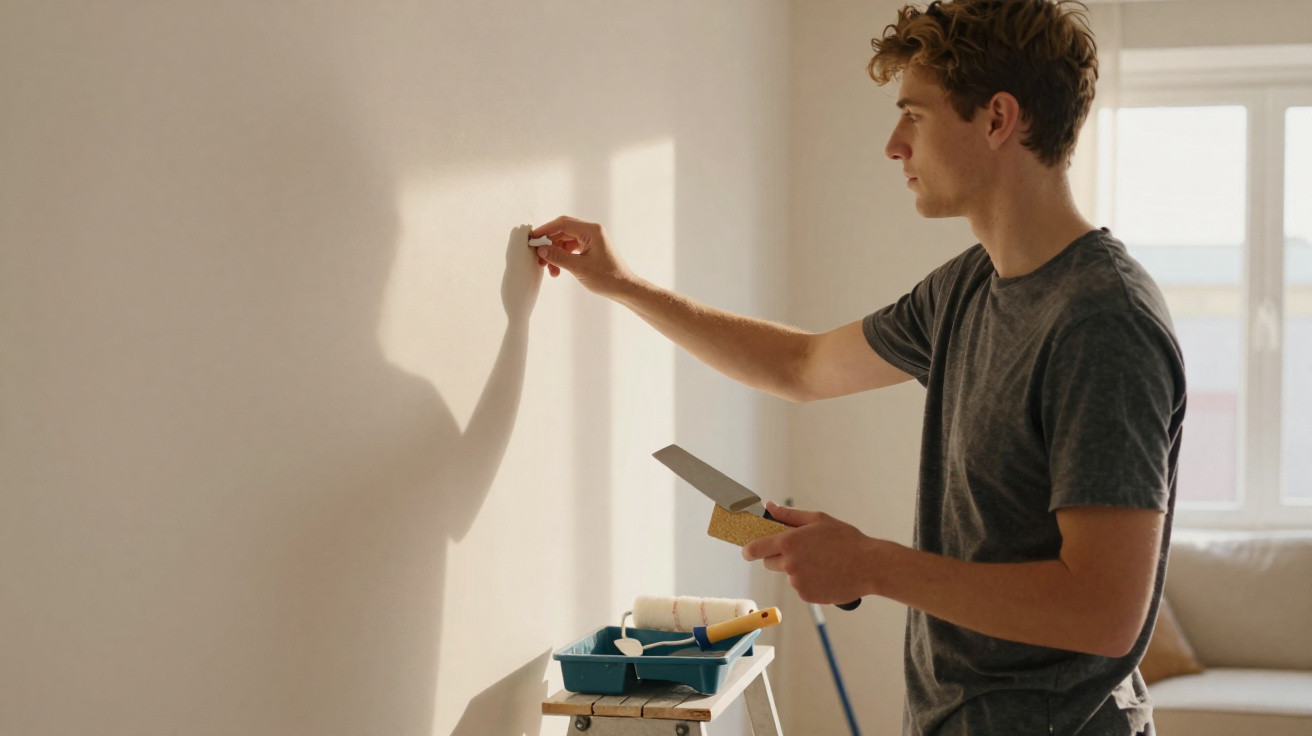
If moisture covers a wide area, comes back soon after cleaning, or is linked to hidden water ingress, the most effective route is to fix the building issue first and only then restore paint and finishes. Cleaning deals with what you can see; stopping water getting in, reducing condensation, and keeping the wall dry is what removes the conditions that allow the fungus to return.


Comments
No comments yet. Be the first to comment!
Leave a Comment