
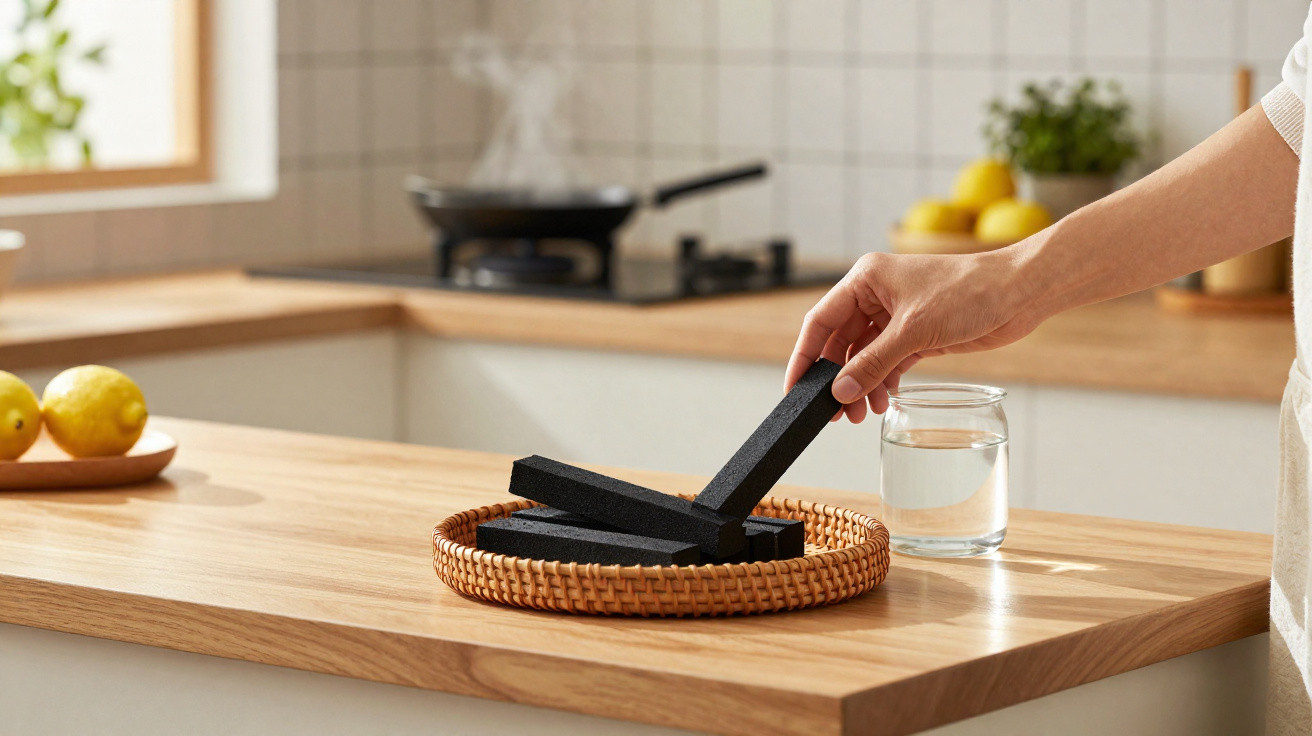
Cooking tasty meals often leaves heavy, greasy smells lingering around the home for hours. The centuries-old takesumi offers a natural, effective option, helping to restore ongoing purification in your house without relying on chemicals.
How does takesumi neutralise kitchen odours?
Made using traditional Japanese methods, this material is carefully fired in handcrafted kilns. The heat treatment gives the plant-based charcoal a dense network of tiny cavities, forming an impressive structure that can trap lingering greasy vapours.
Unlike conventional air fresheners that simply cover up smells, this solution works by physically drawing in impurities. Its advanced adsorption holds on to volatile compounds released during cooking, so the air stays consistently renewed and free from everyday unpleasant odours.
How does dried bamboo remove mould in Thai bedrooms?
The trick used in many Thai homes to combat excessive damp is the placement of prepared dried canes designed to absorb… Read more
Why is it effective against the smell of frying?
Dishes that involve hot oil or fish can release microscopic particles that cling easily to furniture and curtains. In Japan, many households rely on the strength of this natural element to stop those vapours spreading, keeping the environment feeling comfortable after meals.
This deodoriser works continuously and quietly, with no need for electricity or perfumed replacement refills. Because it is fully ecological, it purifies the space unobtrusively, making your kitchen routine feel noticeably lighter and more pleasant.
Below is a video from the YouTube channel 虎斑竹専門店 竹虎 that explores the points discussed in this topic in more depth:
What essential care is needed to use the deodoriser?
Before placing the pieces where you want them, it is advisable to rinse them simply under running water to remove any residue. This quick step clears away any surface soot that may have built up, readying the pieces to deliver the best performance in controlling odours.
After that first clean, letting them dry completely in sunlight is essential before using them indoors. Regular sun exposure helps reactivate saturated pores, extending the usable life of this sustainable resource for several months in a row.
Takesumi Essential Kit
Steps to prepare the pieces
Follow this straightforward guide to activate the material’s maximum capacity:
- 1
Wash the pieces in clean water with no soap; - 2
Let them dry fully in the shade or in the sun; - 3
Place the pieces in breathable containers.
Where should you place takesumi bamboo charcoal in the kitchen?
Positioning the fragments thoughtfully increases how much circulating air can contact the porous surface of the treated bamboo. Keeping a small container near the hob helps intercept smoke molecules before they drift into other rooms in your home.
As well as the main worktop area, you can place it in closed cupboards or inside the fridge to tackle stronger smells. Using baskets or other permeable holders allows air to move freely, ensuring gentle, steady ventilation day to day.
Best places to position the pieces in the kitchen include:
- Near the hob or the food-preparation worktop;
- Inside cupboards and drawers with limited airflow;
- In the fridge to neutralise strong food odours.
How long does the product’s deodorising capacity last?
On average, this natural purifier lasts between three and six months with continuous household use. Throughout that time, takesumi retains its effectiveness, acting as an excellent regulator of air quality and humidity.
Once the material has fully lost its ability to absorb, it can be crushed and mixed directly into the soil of plant pots. This excellent recycling improves the garden’s soil, completing a fully sustainable cycle for anyone looking for eco-friendly alternatives.


Comments
No comments yet. Be the first to comment!
Leave a Comment